Since China’s 2018 ban on plastic-waste imports, Latin America has become a major destination for rerouted plastic, creating pollution hotspots and growing health risks. A 2026 study identifies seven affected countries and documents dramatic increases in waste imports—394% in Nicaragua and 234% in Paraguay—while OECD data show only ~9% of plastic waste was recycled in 2019. Researchers warn that thousands of harmful chemicals in plastics, widespread open burning and contamination of water and seafood are driving urgent public-health concerns as global treaty talks resume in March 2027.
China’s 2018 Plastic-Import Ban Shifted Waste to Latin America — Health Risks Rise
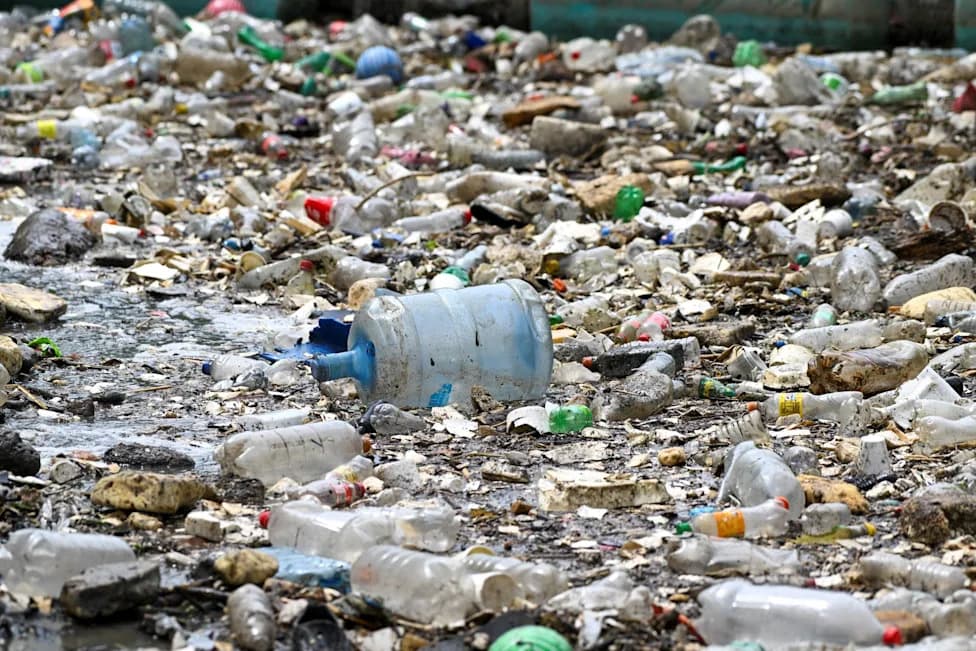
Photo Credit: Getty Images
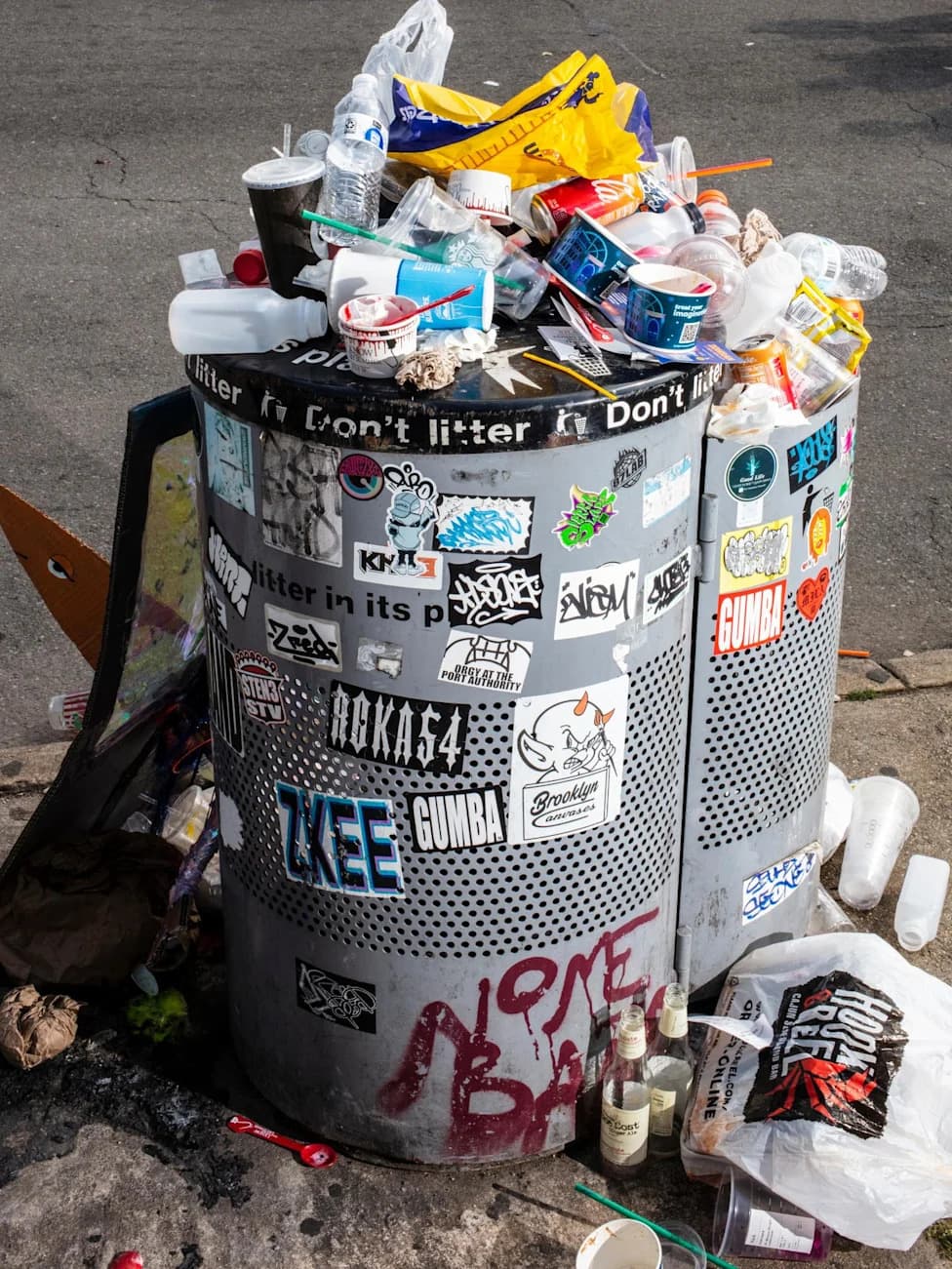
Since China stopped importing plastic waste in 2018, large volumes of discarded plastics have been rerouted to Latin America, creating new pollution hotspots and mounting public-health concerns across the region. A study published in April 2026 in Environmental Research Letters, reported by Mongabay, identifies seven particularly affected countries: the Dominican Republic, Guatemala, Honduras, Mexico, Nicaragua, Panama and Paraguay.
Scale Of The Problem
Data from the Organization for Economic Co-operation and Development (OECD) show the world generated about 389 million tons (353 million metric tons) of plastic waste in 2019, yet only roughly 9% was recycled. Researchers warn that many Latin American countries have increased imports of plastic waste without adequate infrastructure to manage it, producing a form of what some call "waste colonialism."
Hotspots, Trends And Health Impacts
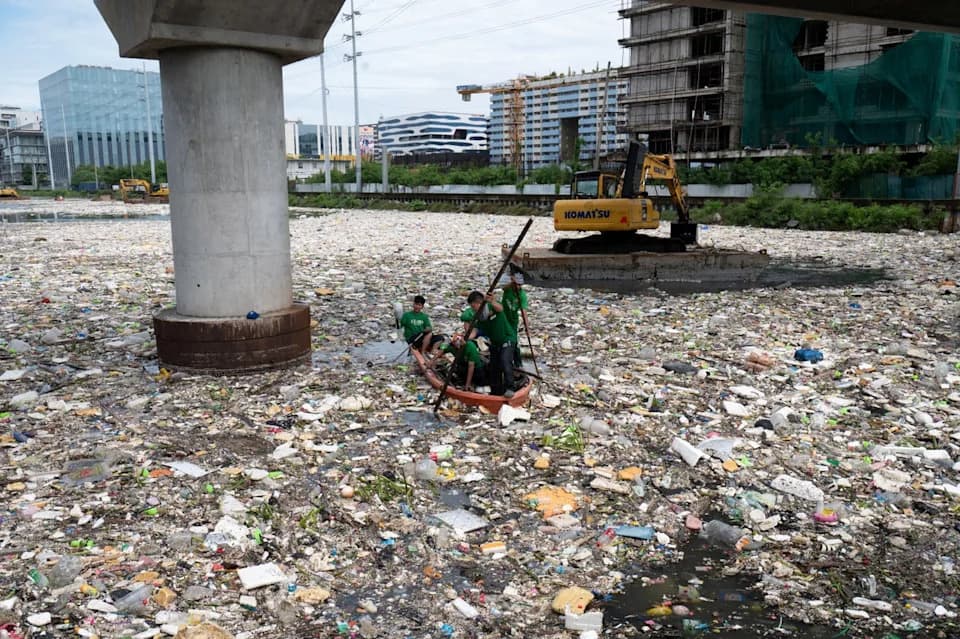
The UCLA-led team, led by Veronica Herrera of UCLA’s Luskin School of Public Affairs, singled out Guatemala, Nicaragua and Paraguay as facing "particularly dire situations." Between 2015 and 2022, waste imports rose 394% in Nicaragua and 234% in Paraguay. Regional estimates put roughly 18,700 tons (17,000 metric tons) of plastic waste into open dumps each day across Latin America and the Caribbean.
Rising volumes of unmanaged plastic waste are linked to a range of health harms. A 2026 regional review found microplastics in drinking water and in 70–100% of commercial seafood samples tested in parts of the region. The UCLA study notes plastics can contain more than 16,000 chemicals—including PFAS, flame retardants and plasticizers—some of which are associated with genotoxicity, respiratory disease and other serious illnesses. Where waste is burned openly, toxic dioxins and other pollutants are released into the air.
"Certain countries in Latin America have started importing more waste but they haven't actually got the capacity to deal with [it]. Something pernicious is happening in the region," said Veronica Herrera.
Local Effects And Broader Consequences
Former U.N. special rapporteur on toxics and human rights Marcos Orellana highlighted acute local impacts: plastic-clogged storm drains and sewers exacerbate flooding and create mosquito breeding grounds, increasing risks of dengue and malaria. Experts warn that the burden falls hardest on vulnerable communities who already lack adequate sanitation and health services.
There are also broader international ripple effects: after China’s ban, wealthy countries redirected waste to other regions, contributing to deadly air pollution in places such as Indonesia and even contaminating food where imported plastics were burned in small-scale facilities.
Policy Responses And The Road Ahead
Negotiations for a global plastics treaty are scheduled to resume in March 2027. Advocates are calling for limits on plastic production, while some oil-producing countries emphasize improving recycling and waste-management systems. A handful of Latin American governments have begun policy responses: Chile and Colombia have implemented extended-producer-responsibility schemes, Colombia has proposed phasing out 21 categories of single-use plastics by 2030, Uruguay requires 40% recycled content in beverage bottles (since 2025), and Costa Rica maintains a national plan addressing single-use plastics and marine litter.
Experts say the crucial choice for governments is whether to curb plastic production at its source or to invest heavily in recycling and waste infrastructure. Absent stronger global and national action, the health and environmental burdens will continue to fall on communities already stretched thin.
Help us improve.