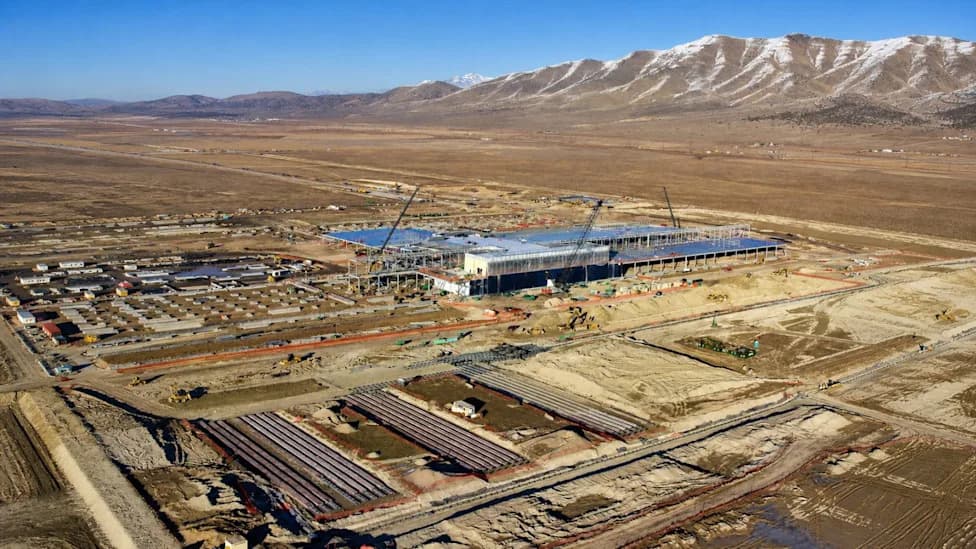
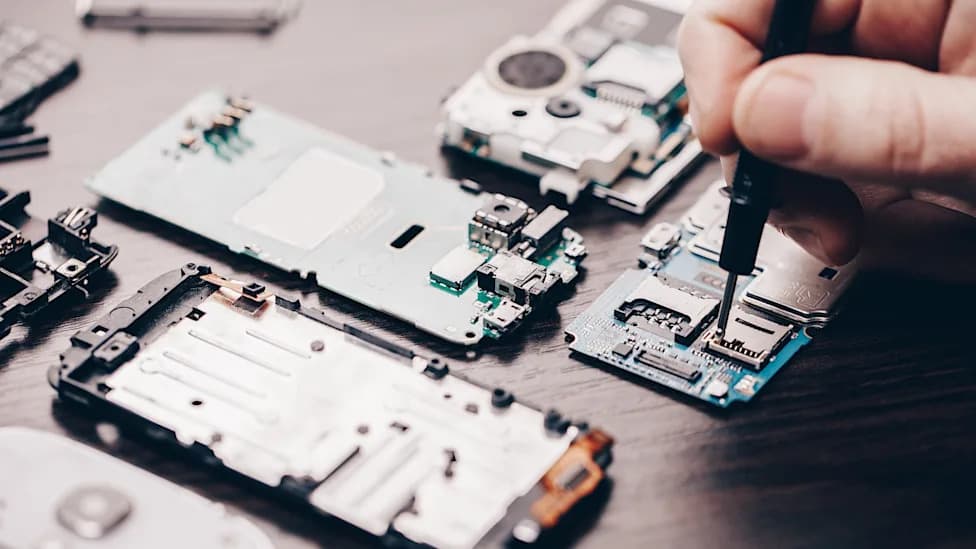
Basel Action Network's new analysis warns AI could generate as much as 617 million tonnes of electronic waste by 2050, far exceeding earlier, narrower estimates. The study broadens the counted hardware to include networking, power, storage and cooling equipment as well as personal devices. BAN highlights pollution risks from PFAS and other persistent contaminants and notes that global e-waste already reached about 62 million tonnes in a recent year.
AI's Hidden Cost: Up To 617 Million Tonnes Of E‑Waste By 2050, Environmental Group Warns
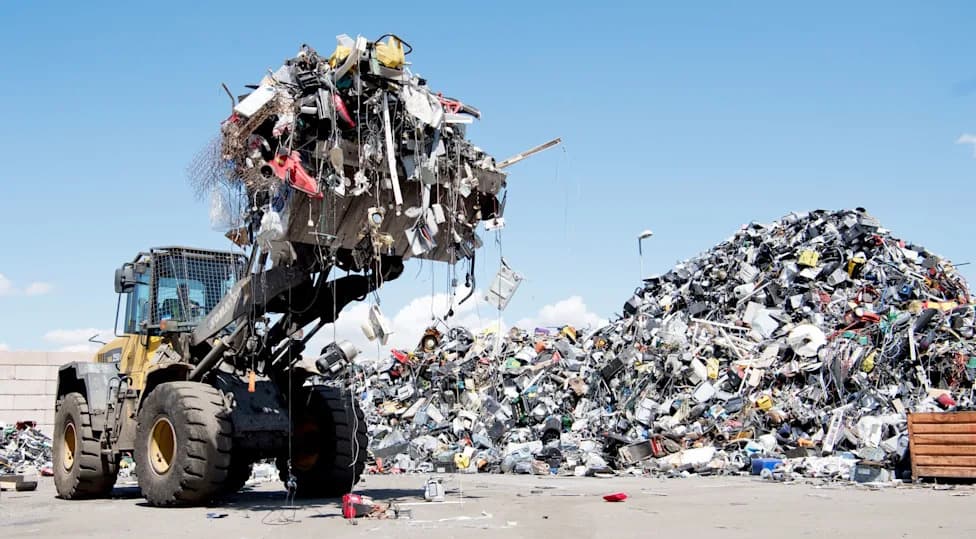
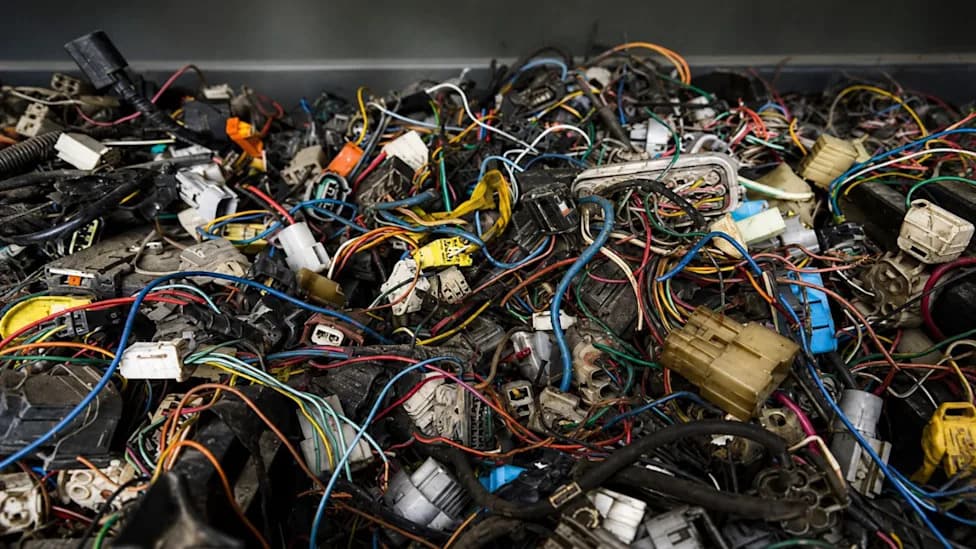
The debate about whether or not AI is sustainable has largely focused on its use of energy and water - but not on the amount of electronic waste it causes, an environmental group is warning. Julian Stratenschulte/dpa
The environmental cost of artificial intelligence may be far greater than public debate suggests. In a "first-of-its-kind" analysis, the Basel Action Network (BAN) warns that as much as 617 million tonnes of electronic equipment could be retired by 2050 — a volume the group says could fill shipping containers stacked end-to-end around the Earth six times.
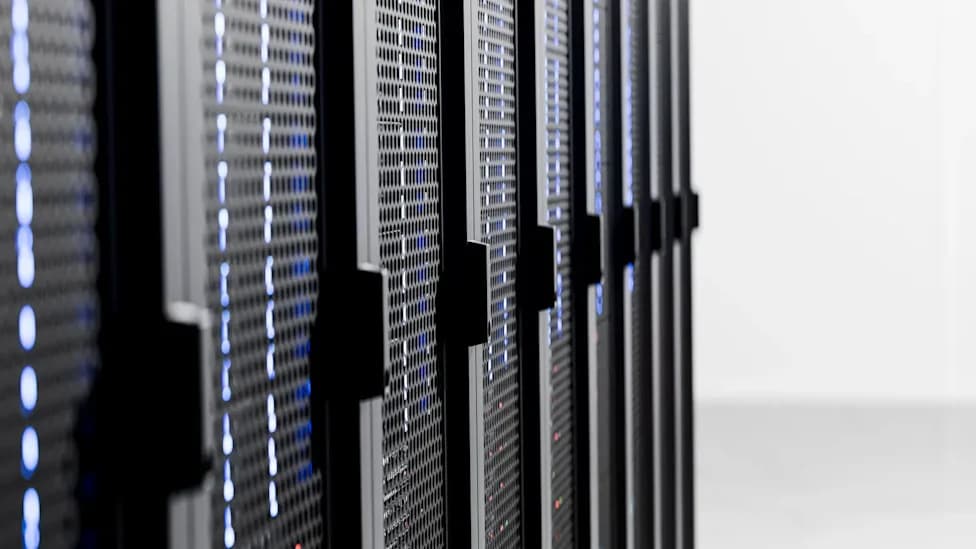
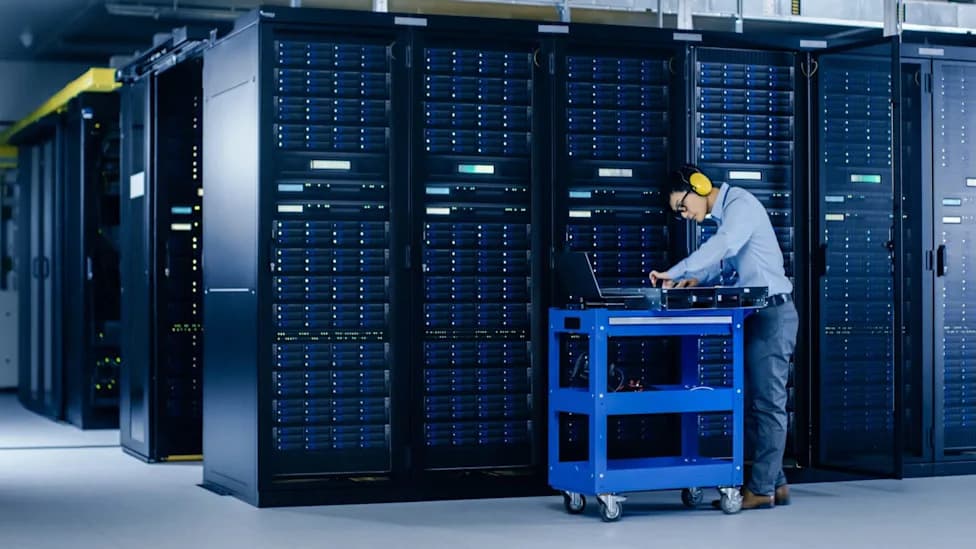
BAN expanded its scope beyond earlier studies that focused mainly on servers and GPUs. The new estimate also includes networking equipment, power-distribution systems, data storage arrays, cooling infrastructure and personal devices such as smartphones and AI-enabled computers. By counting this broader set of hardware, BAN finds a potential e-waste burden roughly 60 times higher than some previous narrow estimates.
Pollution and Health Risks
Discarded AI hardware is likely to carry persistent and hazardous contaminants. BAN specifically flagged PFAS — the so-called "forever chemicals" — which are linked to long-term environmental persistence and adverse health effects. Many electronic components also contain heavy metals and other toxic substances that can take decades or longer to break down.
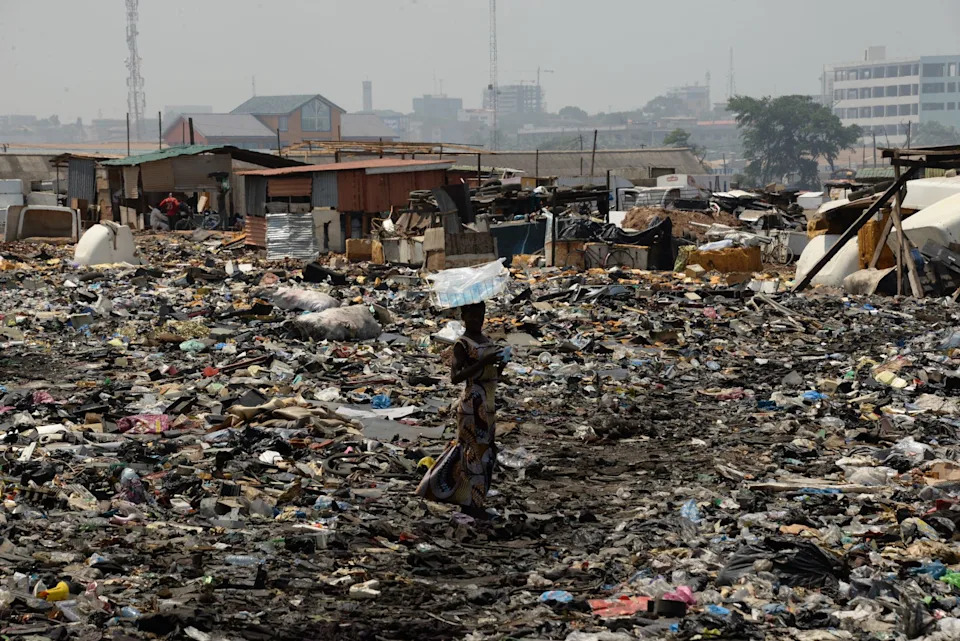
A scrap yard in Ghana with large amounts of electronic waste. Gioia Forster/dpa
"AI may feel weightless, but every model depends on an enormous amount of highly specialized, cutting-edge hardware," said BAN founder Jim Puckett. "To date the environmental debate around AI has focused on electricity, carbon and water while largely overlooking what happens to the hardware itself."
Context: Existing E-Waste Trends
Even before this surge, e-waste was growing rapidly. In 2024 the International Telecommunication Union (ITU) reported roughly 62 million tonnes of electronic waste generated in a single year — an increase of about 80% since 2010. The Waste Electrical and Electronic Equipment Forum (WEEE) estimated in 2023 that about $10 billion worth of potentially reusable electronics and batteries are discarded each year.
What This Means
The projected rise in AI-related e-waste raises several urgent issues: the need for stronger product design for repair and reuse, expanded recycling capacity, stricter controls on hazardous materials, and international agreements to prevent unsafe exports to countries with limited processing infrastructure. Without action, communities and ecosystems — especially in low-income regions that often receive discarded electronics — could face growing health and environmental harms.
Policy makers, manufacturers and AI developers are urged to adopt circular-economy principles, invest in safer materials and recycling technologies, and report lifecycle impacts of hardware alongside energy and water use. Addressing the hardware footprint now can limit long-term costs to health, climate and communities worldwide.
Help us improve.