Johannesburg’s expanding illegal dumps and open burning highlight a continent-wide waste emergency as African cities grow faster than disposal systems. Experts say more than 90% of Africa’s waste is dumped uncontrolled, and sub-Saharan waste could rise 124% by 2050. Municipal shortfalls, aging landfills and service disruptions are fueling informal hauling and hazardous burning. Officials and scientists call for urgent investment in recycling, source separation and formal support for waste reclaimers to avert a tipping point.
Africa’s Growing Waste Crisis: Johannesburg’s Illegal Dumps Spotlight a Continent-Wide Emergency
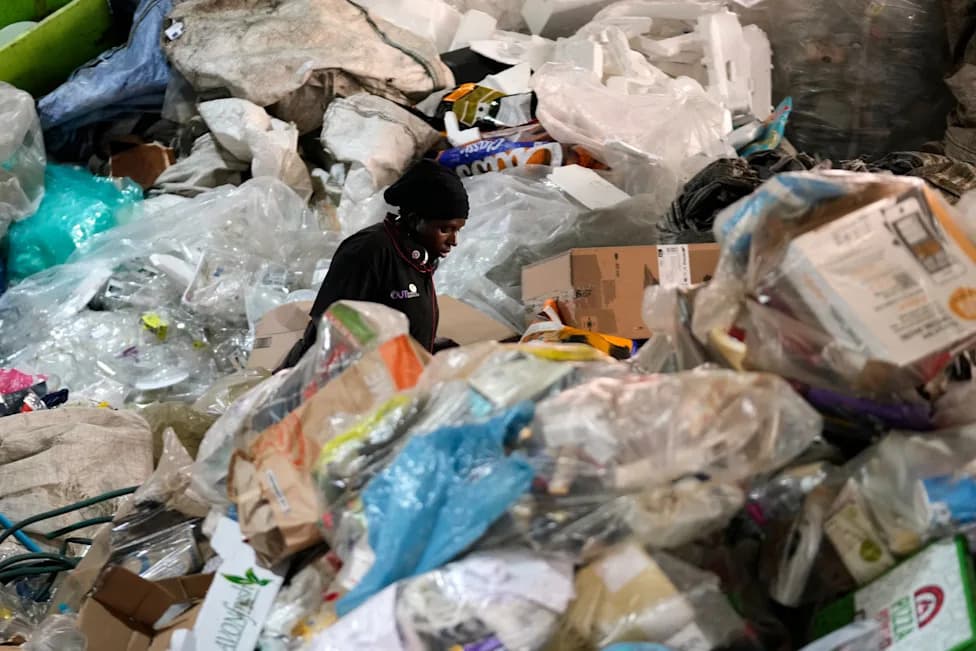
A worker sorts recyclable items in a pile of garbage at the Whole Earth Recycling in Johannesburg, South Africa, Tuesday, July 28, 2026. (AP Photo/Themba Hadebe)(AP Photo/Themba Hadebe)
JOHANNESBURG — On a slope at the end of a narrow lane in Kya Sands, in Johannesburg’s industrial belt, two men sit atop what looks like a natural hill. In reality, the rise is an ever-growing mound of illegally dumped rubbish that now swallows the road beyond it.
“When I started as a ward councilor in 2021, this mountain was very small. I could even drive my vehicle down this road,”municipal councilor Devon Steenkamp told The Associated Press.
“It's now quite a high, big mountain; there are always constant fumes.”
That mound is only the fringe of a dumpsite that expanded after the municipal landfill closed in 2010 because it had reached capacity. Beside it, waves of garbage spread across the valley as smoke curls up and trucks continue to unload more waste.
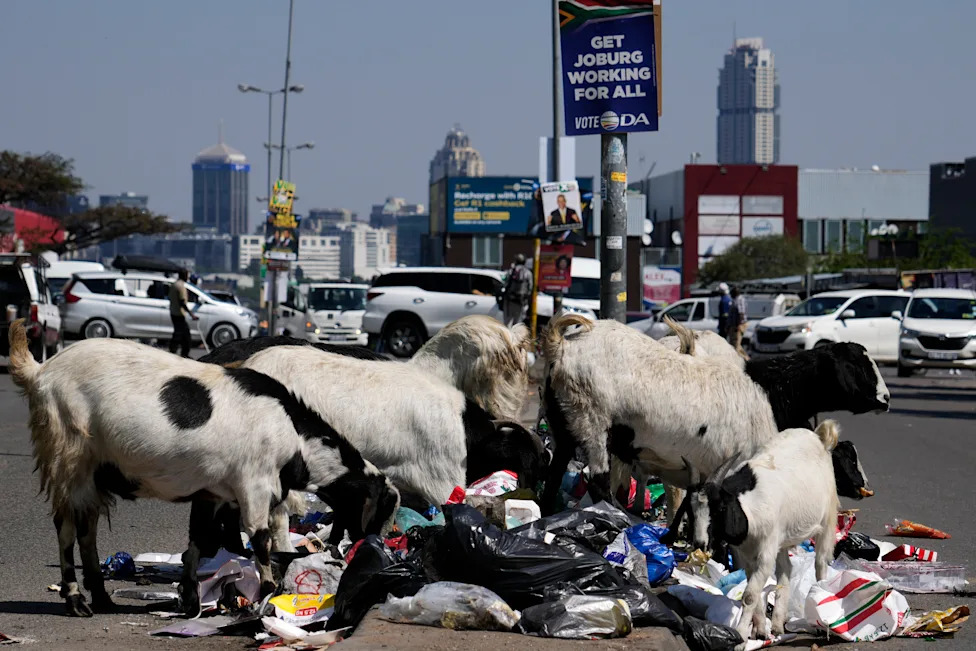
Goats forage through piles of household waste on the street in Alexandra township, Johannesburg, South Africa, Friday, Sept. 11, 2026. (AP Photo/Themba Hadebe)(AP Photo/Themba Hadebe)
City Struggles Reflect a Regional Problem
Johannesburg’s growing waste backlog mirrors a wider challenge across Africa. Rapidly expanding cities — from Lagos to Dakar and Accra — are producing refuse far faster than many city administrations can collect, recycle, or safely dispose of. A joint report by the OECD, African Development Bank, Cities Alliance and United Cities and Local Governments of Africa projects that Africa’s urban population will double by 2050 to about 1.4 billion people.
The United Nations Environment Programme estimates that more than 90% of waste generated in Africa ends up at uncontrolled dumpsites or landfills, frequently with open burning. The World Bank forecasts that waste generation in sub-Saharan Africa will rise by 124% between now and 2050 — the fastest rate of increase among world regions.
Daily Impacts On Communities
In Alexandra, a densely populated township in Johannesburg, goats rummage through household piles while residents thread their way along sidewalks littered with plastic, food scraps and construction debris. Local resident Linda Makole, 75, worries about children who live in single-room homes and must use sidewalks and a few small parks as play spaces.
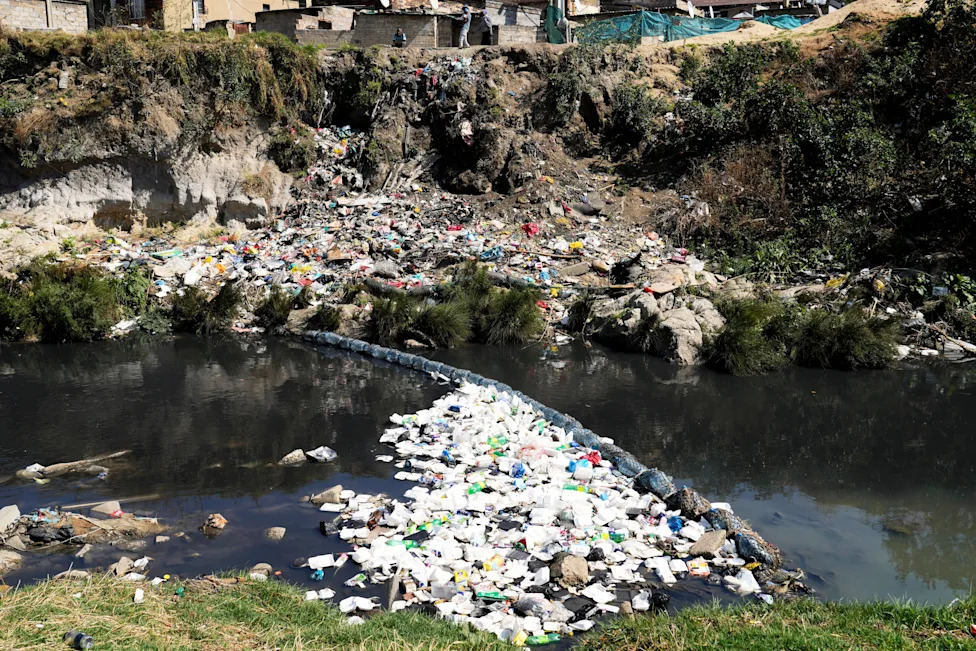
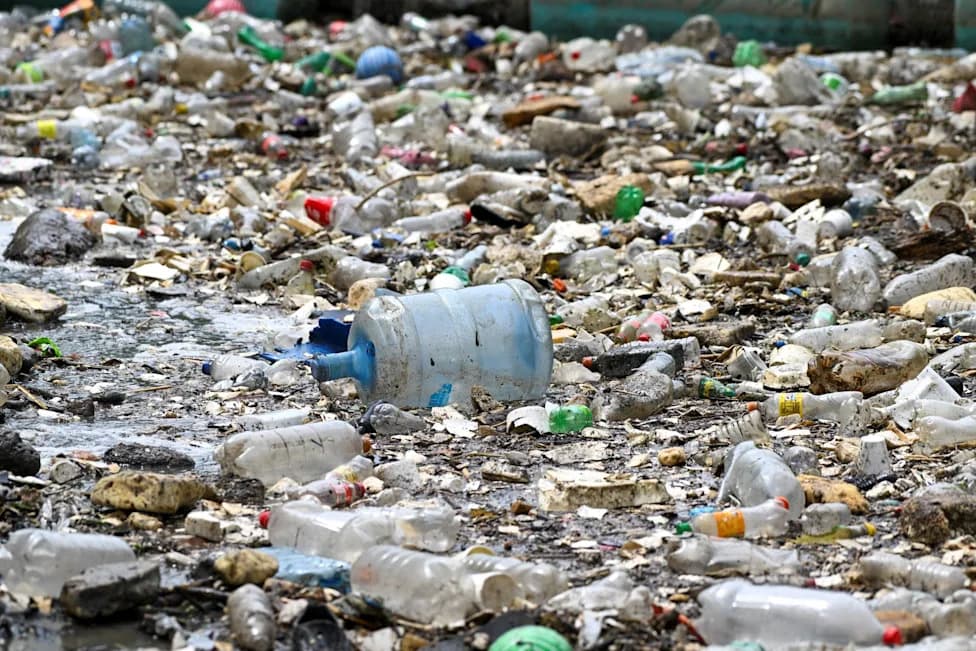
Piles of plastic waste and debris float along the Jukskei River in Alexandra township, Johannesburg, South Africa, Friday, Sept. 11, 2026. (AP Photo/Themba Hadebe)(AP Photo/Themba Hadebe)
“Small children can't possibly be healthy living in this environment,”Makole told the AP.
“Weekly, my landlord takes all his tenants' garbage in a van and goes to dispose of it. I don't know where he dumps it.”
Some residents reported garbage left uncollected for up to four weeks. Pikitup, Johannesburg’s municipal waste utility, has mapped more than 2,000 illegal-dumping hotspots and allocated 115 million rand (about $6.4 million) in its 2025/26 budget to tackle the problem. The Johannesburg Crisis Alliance cites labor disputes, cash shortfalls and an aging vehicle fleet as major service interruptions.
Informal Sector, Health Risks And Ecosystem Damage
Gaps in municipal collection have created demand for informal waste haulers willing to remove rubbish for a fee. Carmen Jordaan, co-director of Whole Earth Recycling, notes that registration requirements and landfill fees push some informal collectors to dump illegally. Illegal dumps are often set alight to make room for more trash, releasing pollutants into air, soil and waterways.
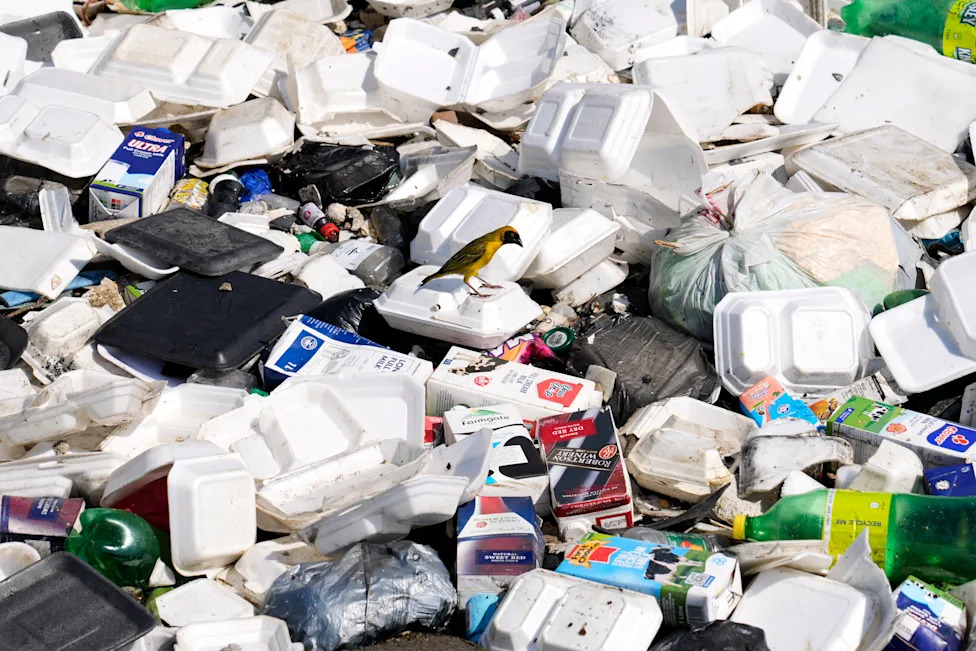
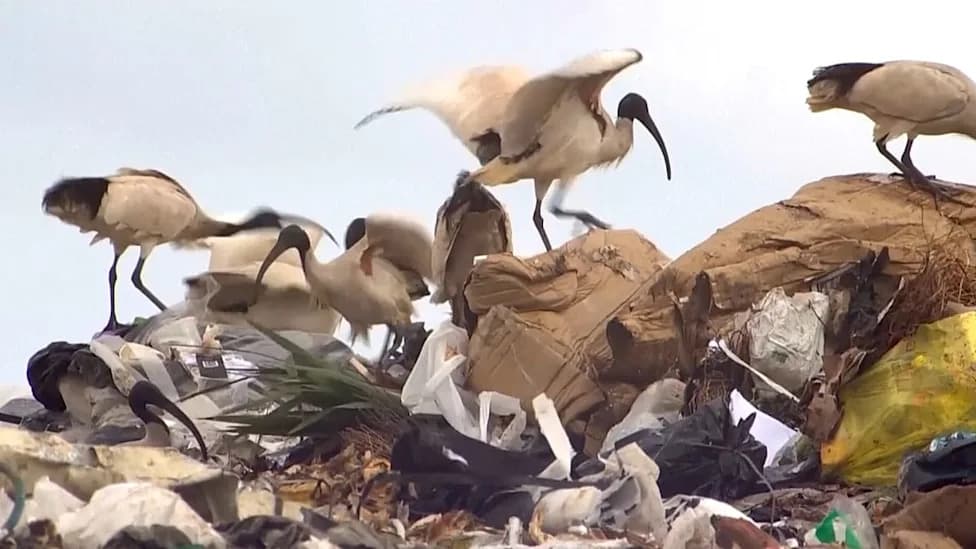
A bird is seen amongst piles of plastic waste and debris along the Jukskei River in Alexandra township, Johannesburg, South Africa, Friday, Sept. 11, 2026. (AP Photo/Themba Hadebe)(AP Photo/Themba Hadebe)
“You're burning toxic plastics, and we're all inhaling that,”Jordaan said. Nearby property owner and beekeeper Bryce McCall described nights when
“the air is so toxic you can't breathe. We've got air purifiers in our bedroom.”He also said the pollution has reduced his horses and harmed bee production.
Dr. Suzan Oelofse, a principal scientist at the Council for Scientific and Industrial Research (CSIR), added that mismanaged waste attracts vermin and clogs stormwater drains, increasing flood risk. She warned that waste generation has consistently outpaced investment in new waste-management infrastructure and that Johannesburg remains heavily dependent on aging landfills.
Capacity Limits And Possible Solutions
South Africa’s draft National Waste Management Strategy cautions that landfill space is being consumed at an “unsustainable rate.” The strain is visible in Johannesburg, where only two of four municipal landfills still accept general waste. A recent CSIR study found that, on average, the city’s landfills have less than a year of disposal capacity remaining.
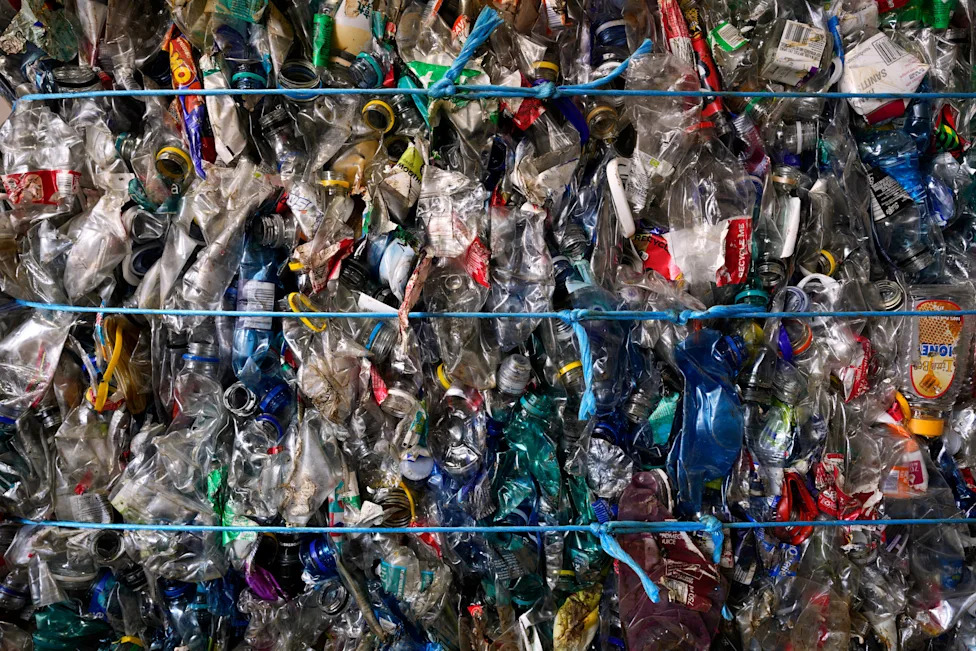
Bales of compressed plastic bottles ready for recycling are displayed at the Whole Earth Recycling in Johannesburg, South Africa, Tuesday, July 28, 2026. (AP Photo/Themba Hadebe)(AP Photo/Themba Hadebe)
Building new landfills is difficult: suitable land is limited and environmental regulations are strict. Oelofse estimates that up to 80% of Johannesburg’s waste could be diverted through recycling and organic-waste treatment if households and businesses separated materials at the source. Pikitup is promoting source separation, expanding recycling infrastructure and planning partnerships with reclaimers.
Recycler and law student Nomvula Phaliso said waste pickers already prevent recyclables from reaching dumps but require better support: safe access to bins, community buy-back centers, protective gear and storage. Experts emphasize that beyond infrastructure investment, public behavior must change.
“People think, 'Get rid of it.' But where is it going?”Jordaan said.
Reporting note: This article summarizes on-the-ground reporting and expert analysis highlighting how infrastructure, policy, and informal-sector dynamics intersect in Johannesburg and across African cities facing fast-growing waste generation.
Help us improve.