Basel Action Network warns that AI development could force the retirement of 395–617 million metric tons of electronic equipment from 2025–2050, roughly triple today’s annual volume. The estimate covers servers, power, cooling, backup and networking gear and introduces an "AI waste contagion" that affects consumer and telecom hardware. BAN cautions totals could climb further under scenarios such as data sovereignty rules or mass telecom upgrades, while noting mitigation opportunities like longer device lifespans, modular upgrades, refurbishment markets and software efficiency gains.
AI Could Generate Hundreds Of Millions Of Tons Of E‑Waste, Basel Action Network Warns
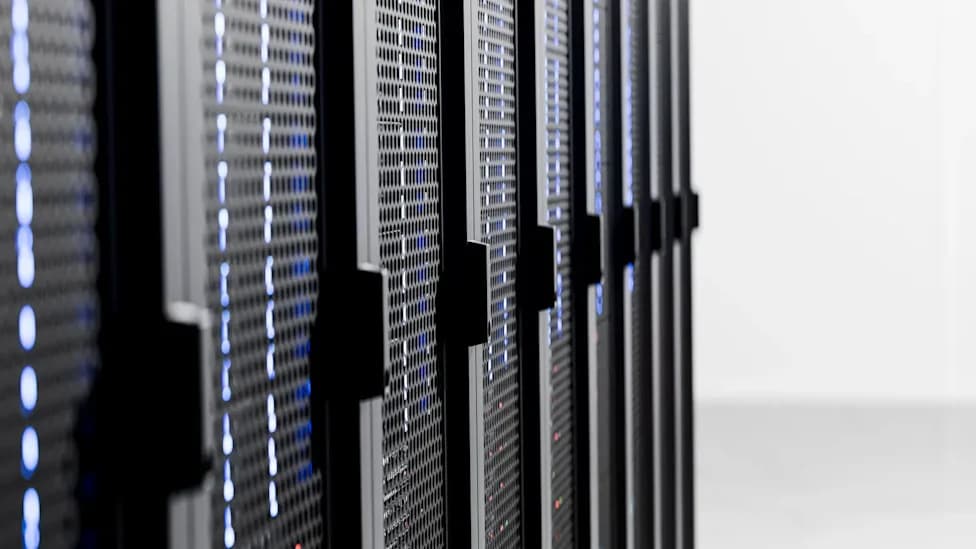
Server racks with blinking blue lights in a data center, representing modern cloud computing, network hosting, and digital technology
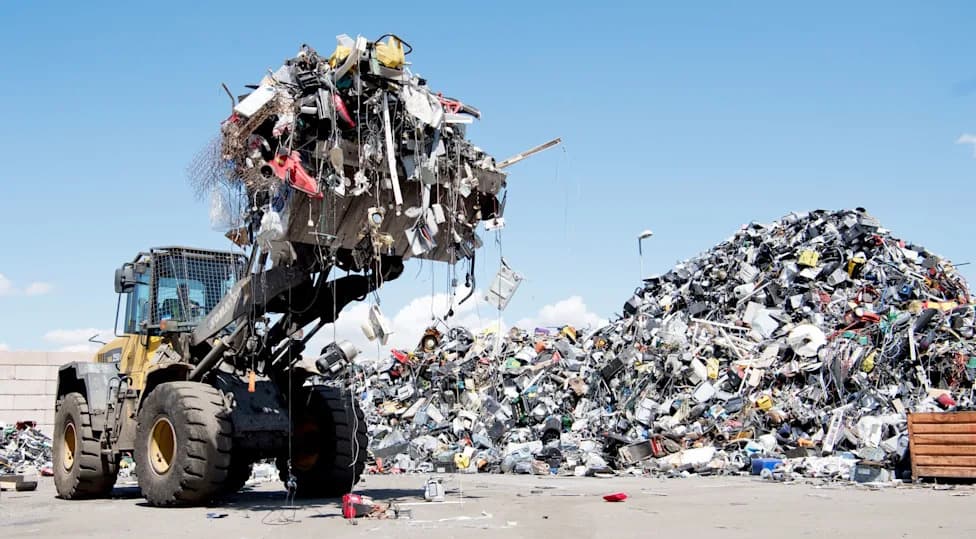
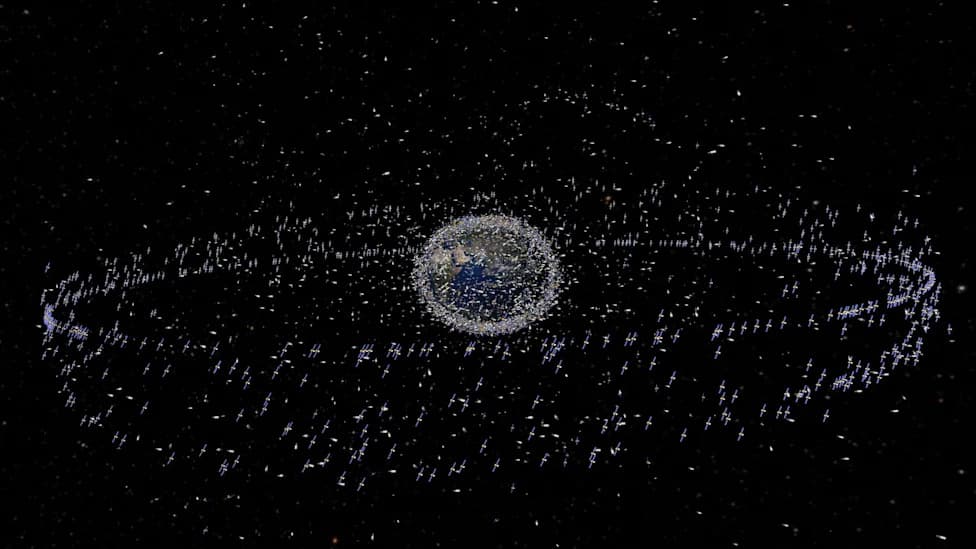
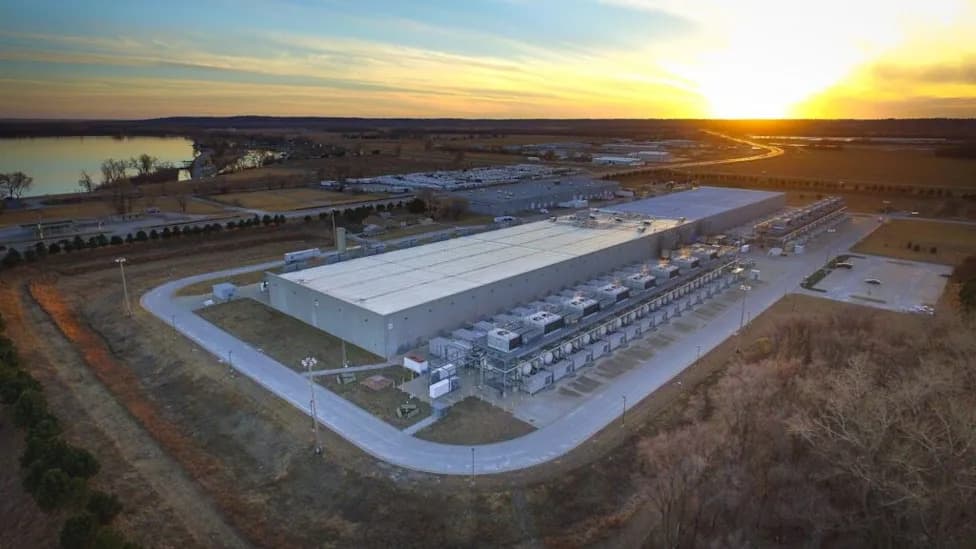
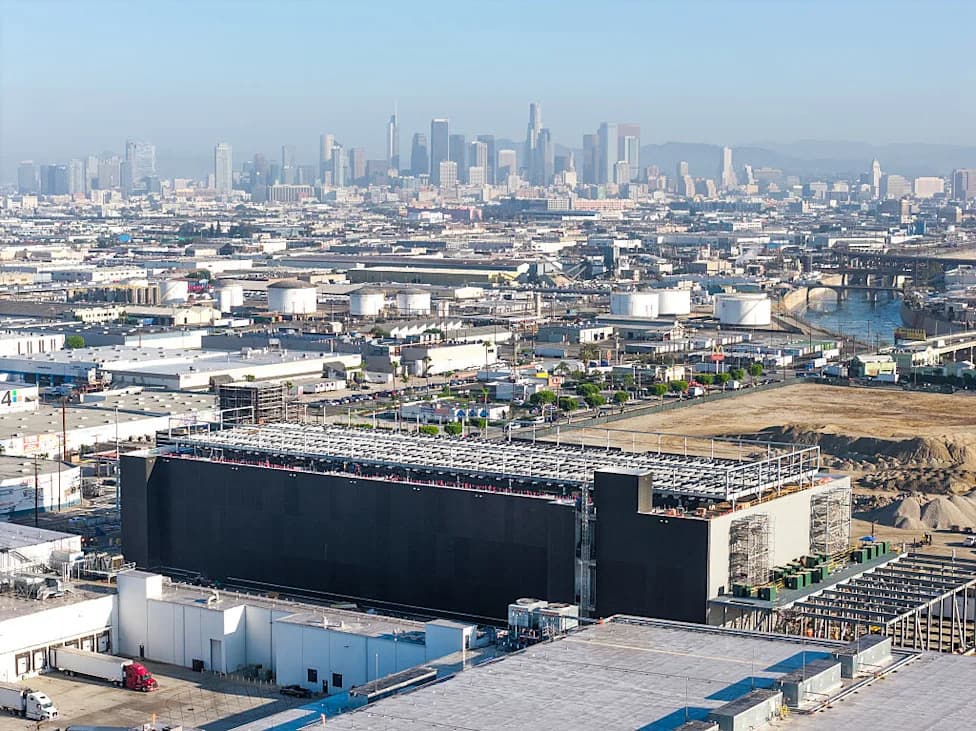
The Basel Action Network (BAN) has released a new analysis estimating that artificial intelligence could drive the retirement of between 395 million and 617 million metric tons of electronic equipment from 2025 through 2050 — roughly triple today’s annual global volume of such material.
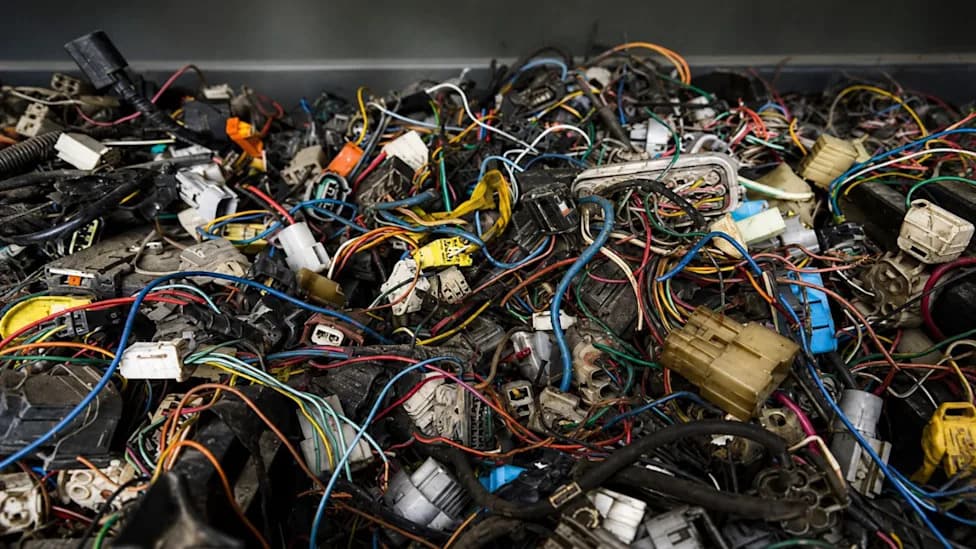
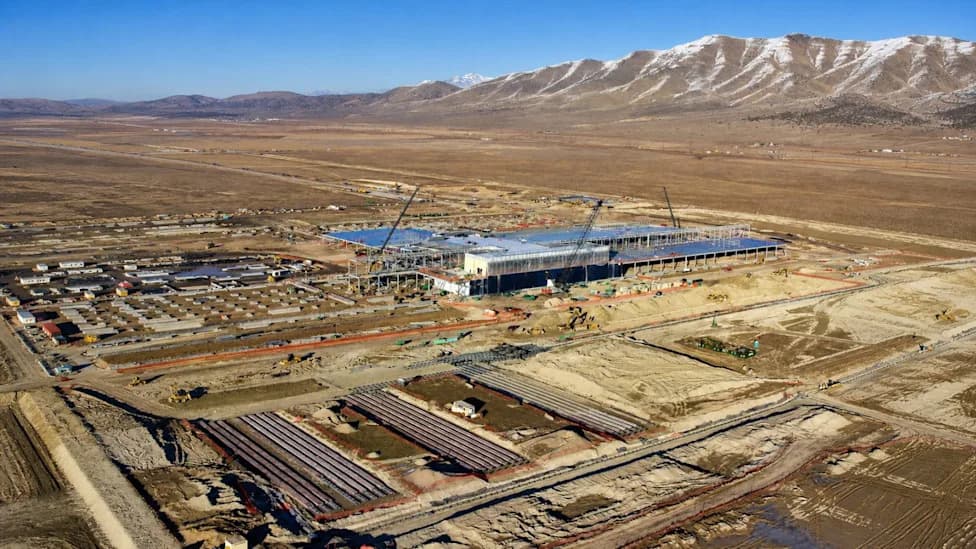
The projection, published as the first installment in a four-part white paper series titled The Coming AI Waste Wave, counts the full hardware ecosystem that supports AI: servers, accelerators and racks; power supply and distribution; cooling systems; backup power; and networking equipment. BAN also introduces an "AI waste contagion" effect — the early retirement of consumer, business and telecom equipment as the broader ecosystem upgrades to support AI.
What the Report Covers
BAN’s model includes variables such as how quickly data center capacity grows, how much equipment each additional gigawatt requires, and the expected lifespans of that equipment. The report attributes by mass roughly 13% to servers/racks, 34% to power supply and distribution, 35% to cooling systems, 15% to backup power and 3% to networking gear.
The "AI contagion" — upgrades outside data centers, including home and enterprise IT devices and national telecom infrastructure — could add an estimated 16.2 million to 30.7 million metric tons of retired equipment per year by 2050. Including that contagion range, BAN projects global annual e‑scrap generation could reach as high as 211 million metric tons, about 28% above BAN’s prior estimates.
Drivers That Could Raise or Lower the Totals
- Upside risks: New data sovereignty laws could force redundant infrastructure across jurisdictions; a synchronous upgrade of aging telecom networks; or a rapid "rip‑and‑replace" move to technologies such as superconducting power, advanced liquid cooling, or new battery chemistries could accelerate retirements and push totals higher.
- Mitigating factors: Equipment may outlast assumed lifespans, modular server upgrades could reduce full replacements, a robust secondary market could spur reuse and refurbishment, software efficiency may curb future hardware demand, and AI growth could plateau before 2050.
Context And Reaction
The UN Global E‑Waste Monitor estimated 62 million metric tons of electronic waste were generated in 2022 with roughly 22.3% properly recycled. Scaled forward without AI’s influence, that 2022 baseline implies about 165 million metric tons annually by 2050 — a figure BAN says could be substantially higher once AI-driven retirements are included.
"I earnestly hope we can slow the horserace, the freight train, the juggernaut that is the 'AI revolution' down," said BAN founder Jim Puckett. He acknowledged the irony that he used Anthropic's Claude model while helping craft the white paper, and he noted AI's life‑saving potential in areas such as cancer detection and early‑warning systems.
BAN plans three more releases in the series to explore reuse and refurbishment potential, assess toxicity and risks from the projected waste stream, and outline policy responses aimed at reducing environmental harms from AI-driven hardware turnover.
Originally published on Waste Dive.
Help us improve.