Many wind turbines installed in the early 2000s are now approaching the end of their 20–30 year service life, creating an emerging wave of renewable‑energy e‑waste. Wind blades made from epoxy resin and solar modules with hard‑to‑recover silicon present particular recycling challenges. Experts and industry groups say circular‑economy strategies — prioritising repair, reuse and improved recycling technologies — plus new recyclable materials and greater domestic recycling capacity, are critical to preserving the environmental benefits of wind and solar.
Aging Wind Turbines and Solar Panels Are Creating a New E‑Waste Challenge — How Industry Is Responding
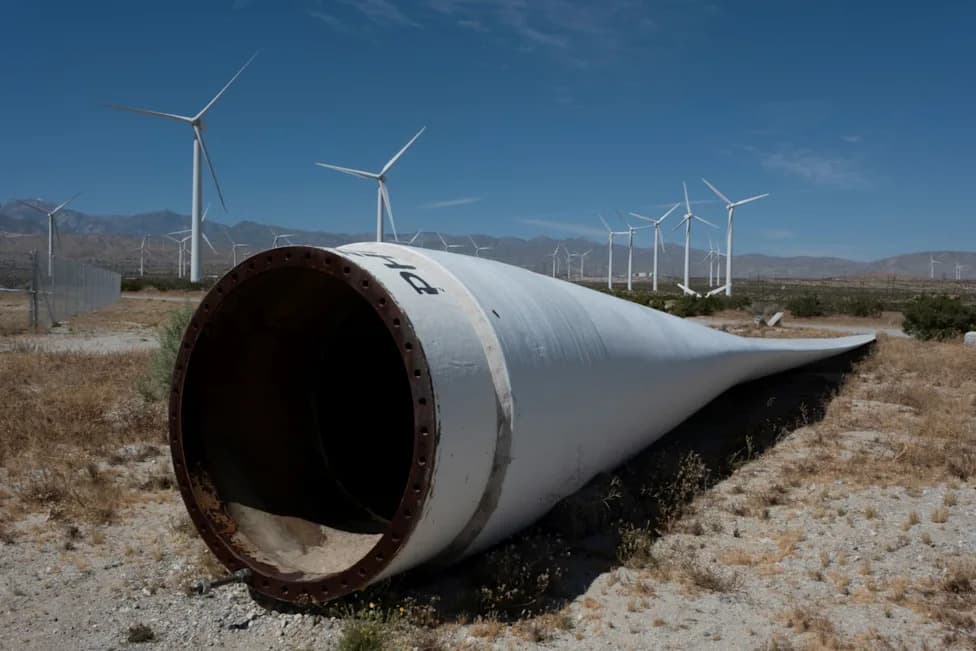
Photo Credit: iStock
Wind turbines and solar panels are cornerstones of the clean-energy transition — but a growing wave of equipment reaching the end of its 20–30 year service life is creating a new e‑waste problem. According to the International Electrotechnical Commission (IEC) via pv magazine, many wind turbines installed in the early 2000s are now approaching retirement, prompting governments and industry to prepare for a rising stream of renewable-energy waste.
Why End‑of‑Life Hardware Matters
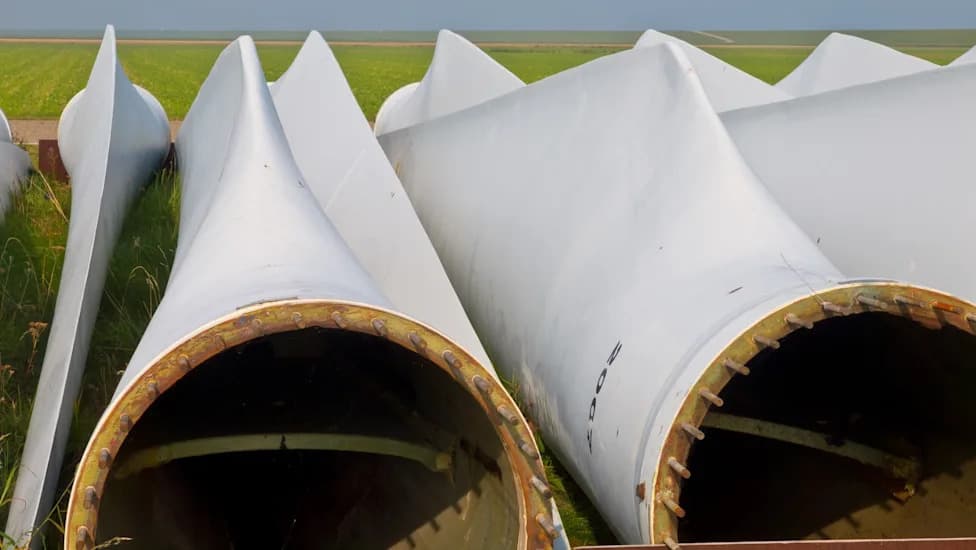
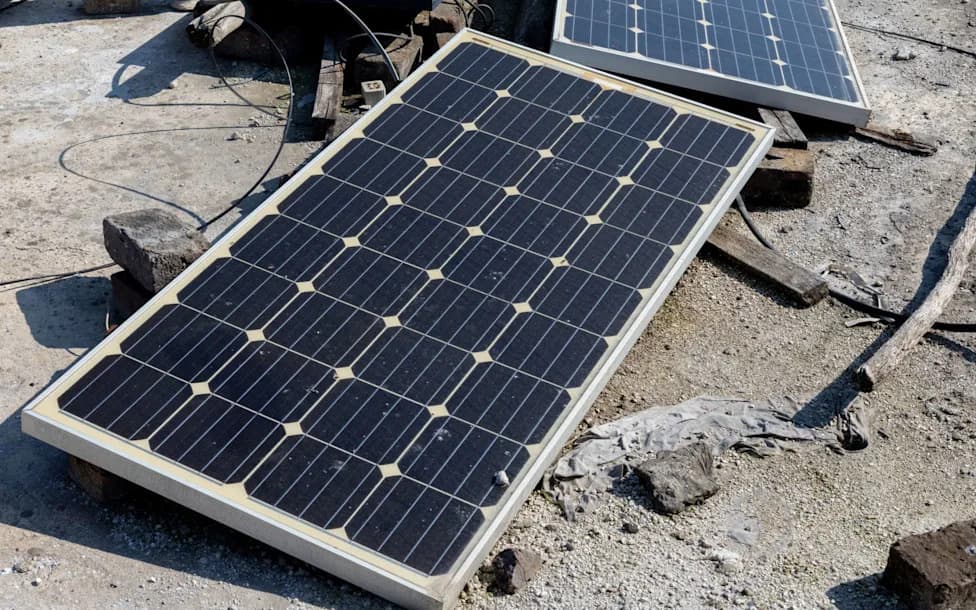
Wind and solar technologies remain among the most effective tools for cutting pollution and curbing climate change, but their environmental benefits can be undermined if retired components are crushed, buried, or incinerated rather than recovered. The hardest materials to manage are wind turbine blades — often made from epoxy resins that are extremely durable but difficult to recycle — and solar modules, where silicon and other components can be costly to reclaim and transport to specialised recycling facilities.
Industry Voices and the Scale of the Problem
“Wind has become a mature and multi‑billion industry, which is having to meet new challenges. One of them is the lifecycle of wind turbines.” — Alistair Mackinnon, IEC wind‑energy expert
Tony Sample, chair of IEC Technical Committee 82, notes that while aluminium frames, cables and glass are relatively straightforward to recycle, the modules themselves are the difficult pieces to recover and reuse.
Pathways Toward a Circular Model
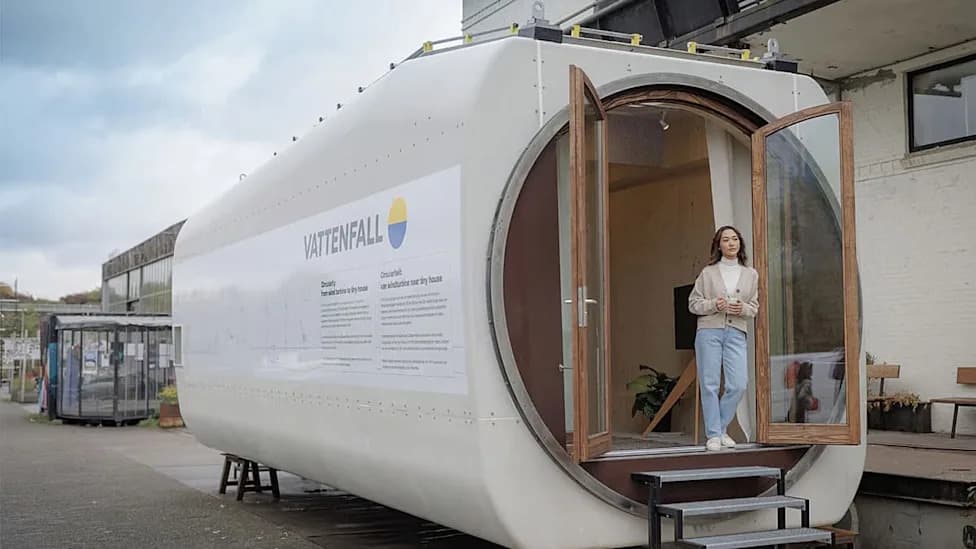
Circular‑economy strategies emphasise repair and reuse of functioning solar panels and turbine components before recycling. This approach helps maintain the pollution and emissions reductions that clean power provides while limiting the transfer of costs and waste to future decades.
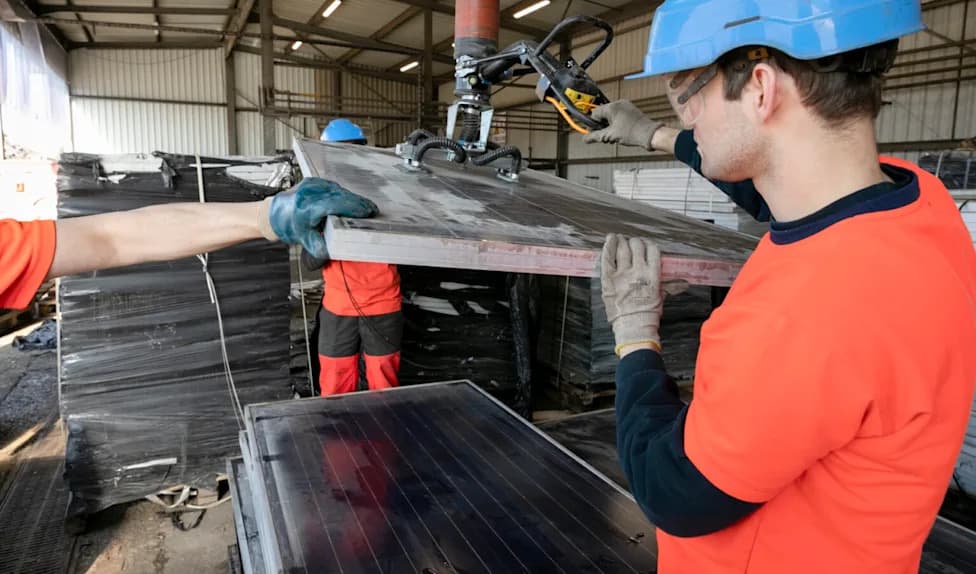
George Kelly, secretary of IEC TC 82, says industry specialists "estimate that over 75% of a PV module can now be recycled thanks to innovative and high‑performance processing and sorting techniques," but he cautions that more industrial‑scale recycling capacity is needed to drive down costs and increase accessibility.
Technological and Practical Solutions
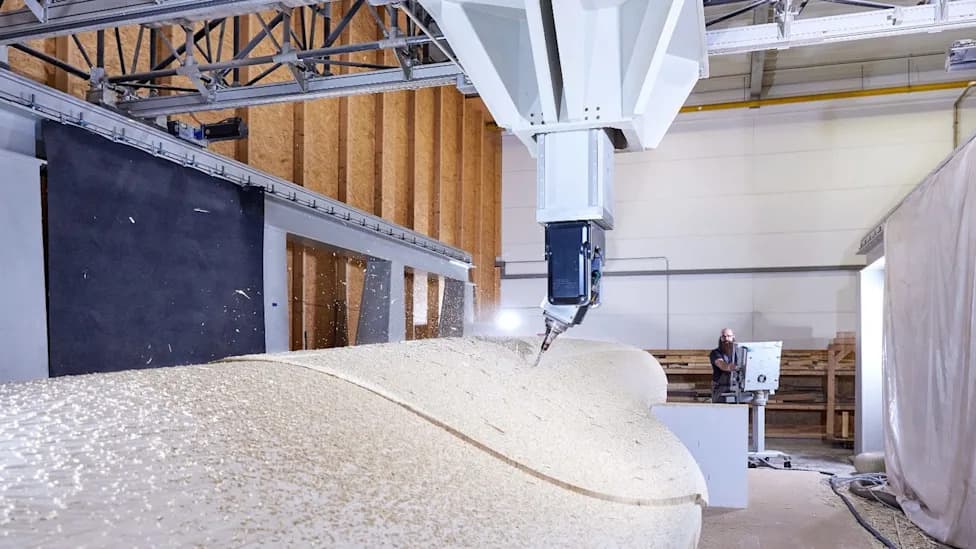
On the wind side, manufacturers are beginning to build blades from thermoplastic composites and other materials intended for easier recycling. Existing fiberglass and epoxy blades can be mechanically processed and repurposed as filler material for cement, concrete or fiberboard, keeping them out of landfills.
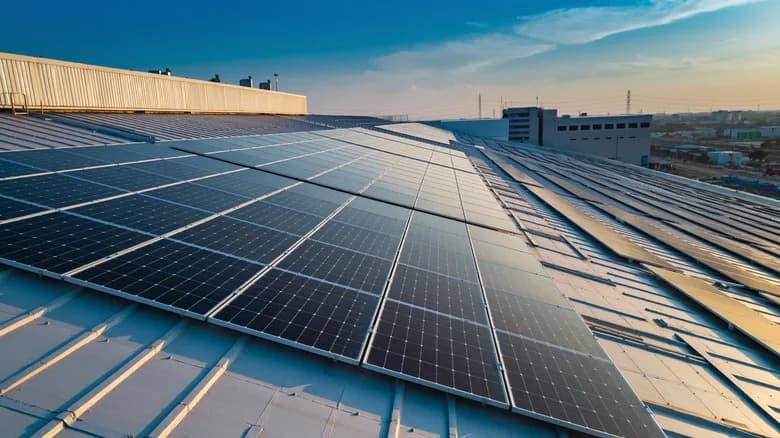
For solar, advances in automated disassembly, high‑temperature recovery techniques and improved logistics are making it more feasible to reclaim silicon, glass and metal components — though shipping costs to specialised facilities remain a barrier in many regions.
Examples of Action
- United States: SolarCycle in Texas is expanding domestic solar‑panel recycling capacity to process aging modules locally.
- China: Engineers are refining methods to reclaim harder‑to‑extract materials from decommissioned panels.
- Research: Scientists have tested wind‑turbine blades made with recyclable resins that avoid permanent landfill disposal.
- Policy & Funding: The U.S. Department of Energy is backing novel recycling and repurposing solutions for retired turbine materials.
“The idea is to ensure that wind turbine assets that are used beyond their initial lifecycle still perform safely and efficiently. By working hand in hand, experts from TC 88 and IECRE can promote the idea of a more circular economy in the wind sector.” — Wolfram Zeitz, IECRE Secretary
Handling the end‑of‑life stage responsibly is essential to preserving the climate and health benefits that wind and solar deliver. Scaling domestic recycling, improving design for recyclability, and prioritising repair and reuse are practical steps that can keep renewable hardware out of landfills and sustain the net environmental gains of clean energy.
Help us improve.