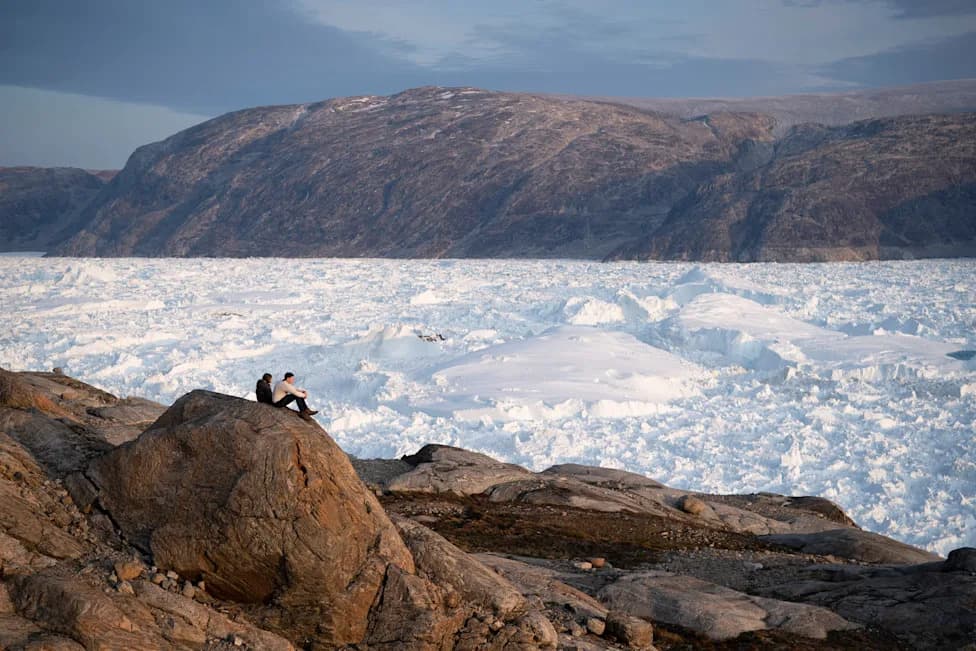
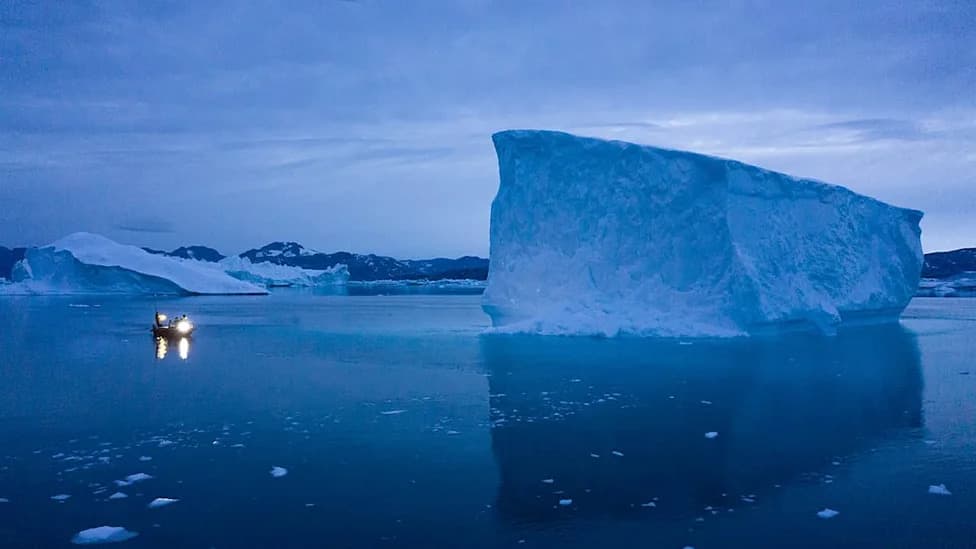
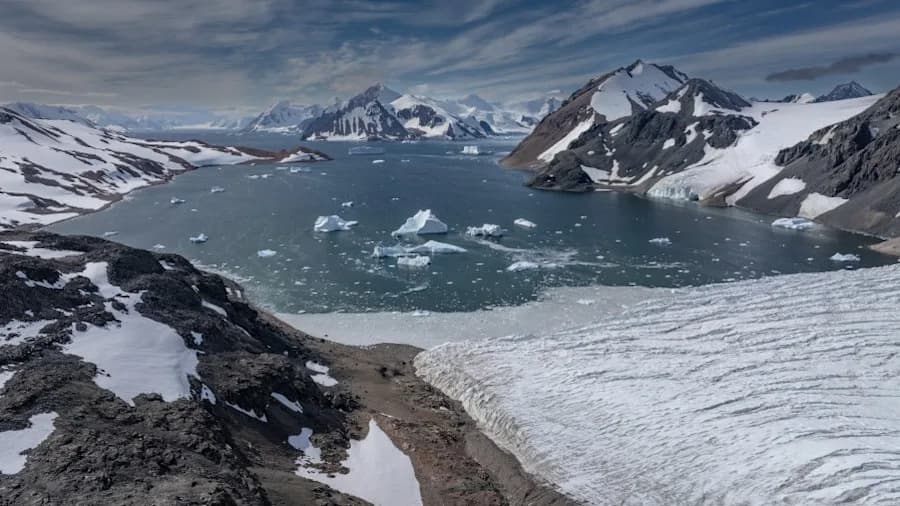
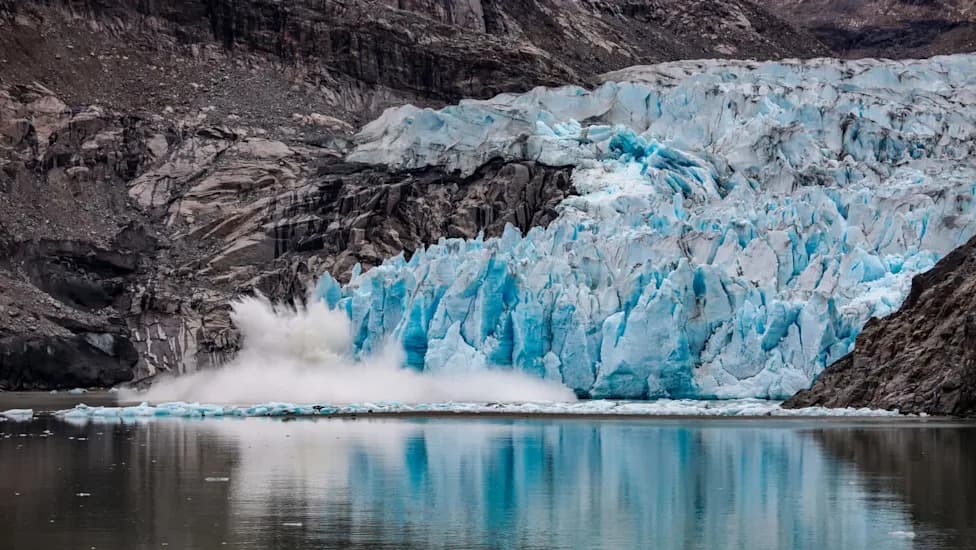
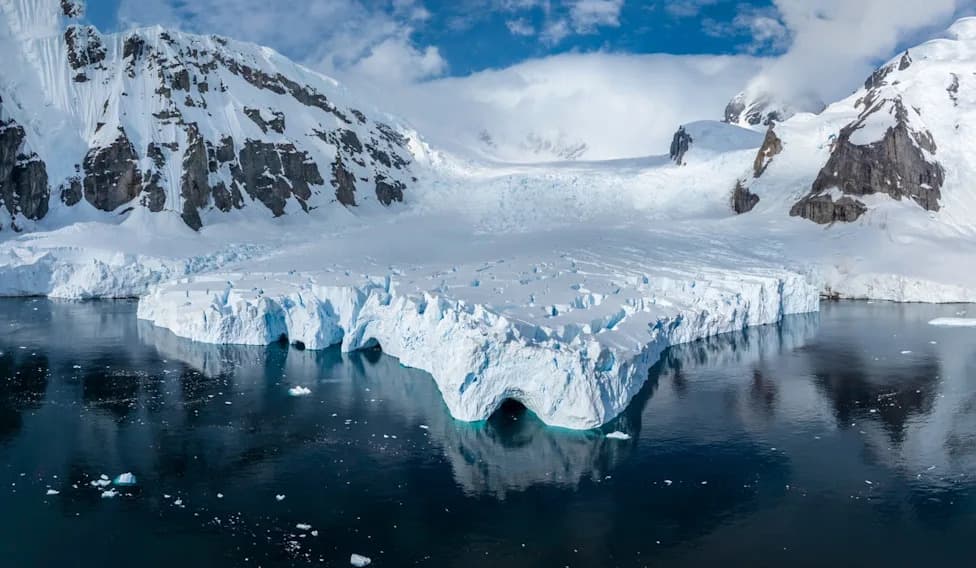
Almost 99% of land ice is stored in Antarctica and Greenland; if Antarctica melted entirely, sea levels would rise by about 58 metres and Greenland would add roughly 7 metres. Mountain glaciers lost about 9.18 trillion tonnes of ice between 1976 and 2024, while Greenland and Antarctica together lost about 7.56 trillion tonnes from 1992–2020. Ice loss rates have accelerated—Greenland's is about five times faster and Antarctic loss about 25% higher than in the early 1990s—and continued warming is expected to drive more sea-level rise and regional impacts.
Earth's Ice Is Melting Faster Than Ever: Where It's Happening and What It Means
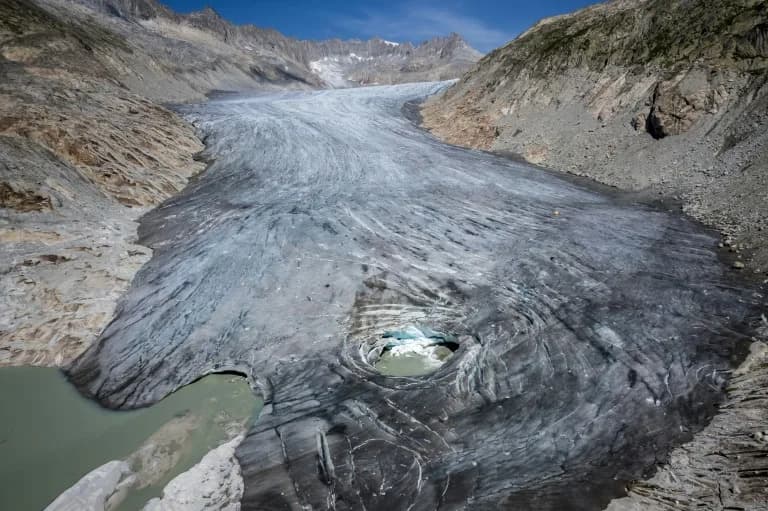
Mountain glaciers alone lost about 9.18 trillion tonnes of ice between 1976 and 2024, according to a 2025 study (Fabrice COFFRINI)(Fabrice COFFRINI/AFP/AFP)
Melting glaciers and shrinking ice sheets are driving sea-level rise and reshaping polar regions as human-caused warming intensifies. This article summarizes where the planet's ice is stored, where the largest losses have occurred, and what scientists expect next.
Where Is Earth's Ice?
Almost all of the world’s land ice—roughly 99%—is locked in the polar ice sheets of Antarctica and Greenland, with the remainder primarily in mountain glaciers scattered across the globe, glaciologist Christian Vincent told AFP. If Antarctica's ice sheet were to vanish entirely, global sea levels would rise by about 58 metres (190 feet). Greenland's ice sheet alone would add roughly 7 metres, while the melt of all mountain glaciers would contribute about 41 centimetres.
Not all ice melts at the same rate. The loss of polar ice sheets is now the dominant contributor to sea-level rise, surpassing both the melting of mountain glaciers and the thermal expansion of warming ocean water. Seasonal sea ice (the ice that freezes and thaws each year) does not directly raise sea level, much like a melting ice cube in a glass.
Where Has Melting Occurred?
Mountain glaciers lost an estimated 9.18 trillion tonnes of ice between 1976 and 2024, according to a 2025 study in Earth System Science Data (ESSD) that combined satellite and ground observations. The World Glacier Monitoring Service (WGMS) offers similar historical comparisons, describing past losses as equivalent to a single block of ice the size of Germany and more than 20 metres tall. The largest glacier declines occurred in Alaska, Patagonia and the Arctic.
At the ice-sheet scale, Greenland and Antarctica together lost roughly 7.56 trillion tonnes of ice between 1992 and 2020, an assessment by the Ice Sheet Mass Balance Inter-comparison Exercise (IMBIE) reported in 2023. That mass is roughly equivalent to a cube of ice about 20 kilometres on each side. These estimates exclude seasonal sea ice.
Arctic sea ice has also thinned substantially: studies show average thickness dropped from about 3.59 metres in 1975 to roughly 1.25 metres by 2012. The Arctic is warming far faster than the rest of the planet—about four times the global average—amplifying melt and seasonal changes.
"It's extremely challenging to measure long-term Antarctic changes before the satellite era," noted British polar scientist Ruth Mottram, underscoring uncertainties for early historical reconstructions.
What About The Future?
Ice loss is accelerating as global temperatures rise. A 2023 ESSD study found the current rate of ice loss is about five times higher in Greenland and roughly 25% higher in Antarctica compared with the early 1990s. Greenland's summer melt has accelerated to levels not seen in at least 850 years, the IPCC's latest cryosphere report says, and melt seasons are lengthening into late summer and September.
Mountain glaciers are losing mass faster as well: roughly 41% of their total observed ice loss occurred in the decade from 2015 to 2024, with particularly large reductions in Alaska, western North America and central Europe. Continued warming will likely accelerate these trends, driving further sea-level rise and regional impacts on freshwater supplies and coastal communities.
Key sources: Earth System Science Data (ESSD), Ice Sheet Mass Balance Inter-comparison Exercise (IMBIE), World Glacier Monitoring Service (WGMS), and the IPCC.
Help us improve.