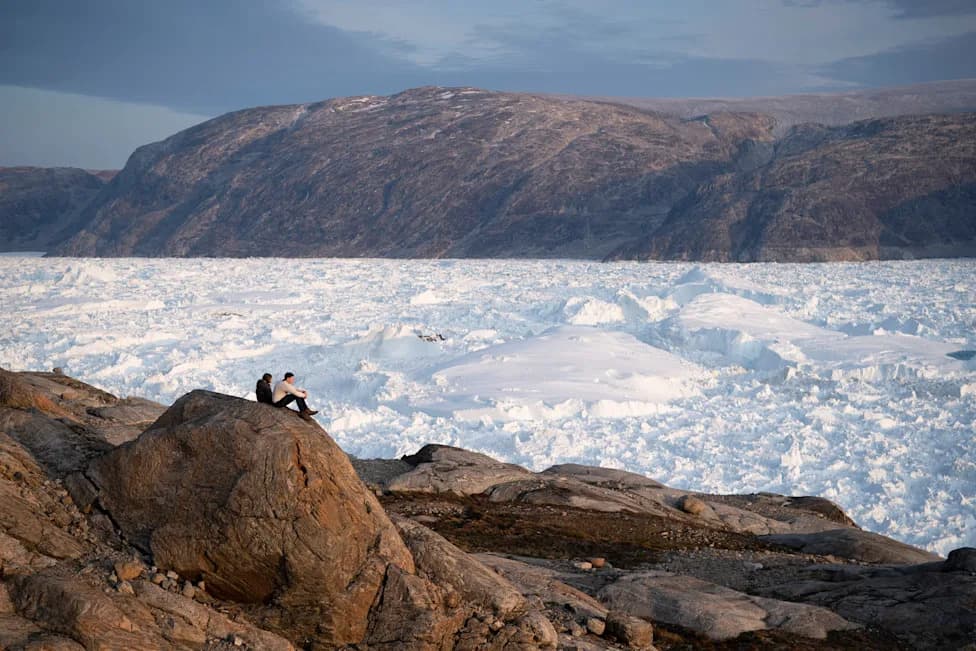
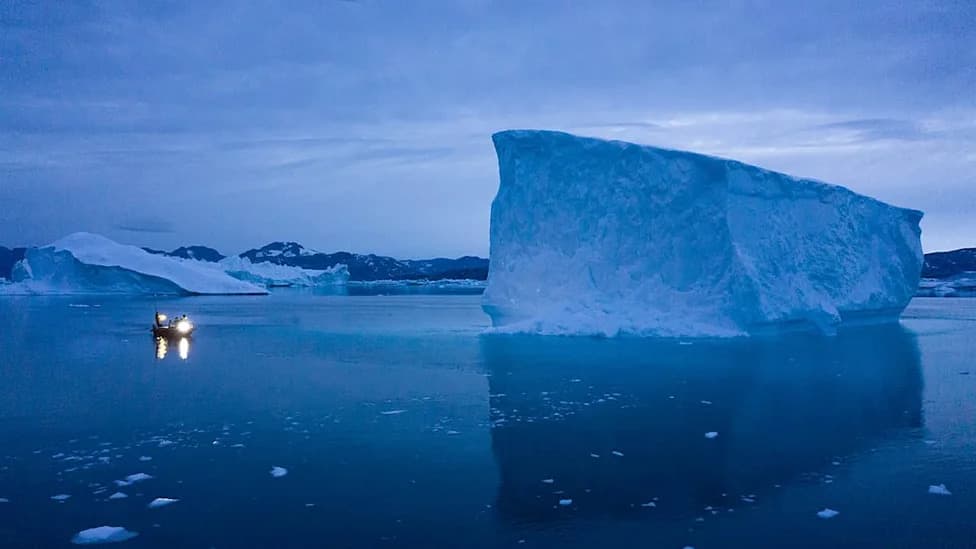
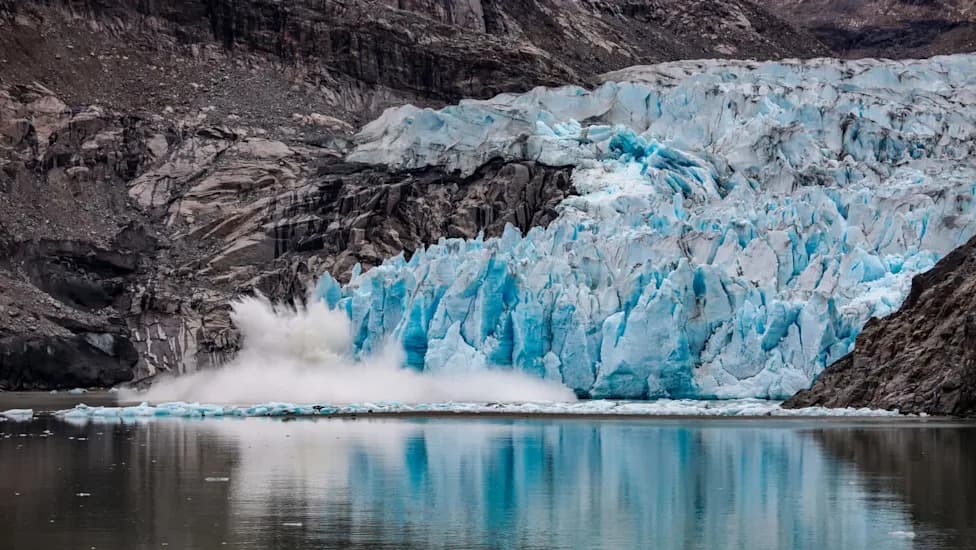
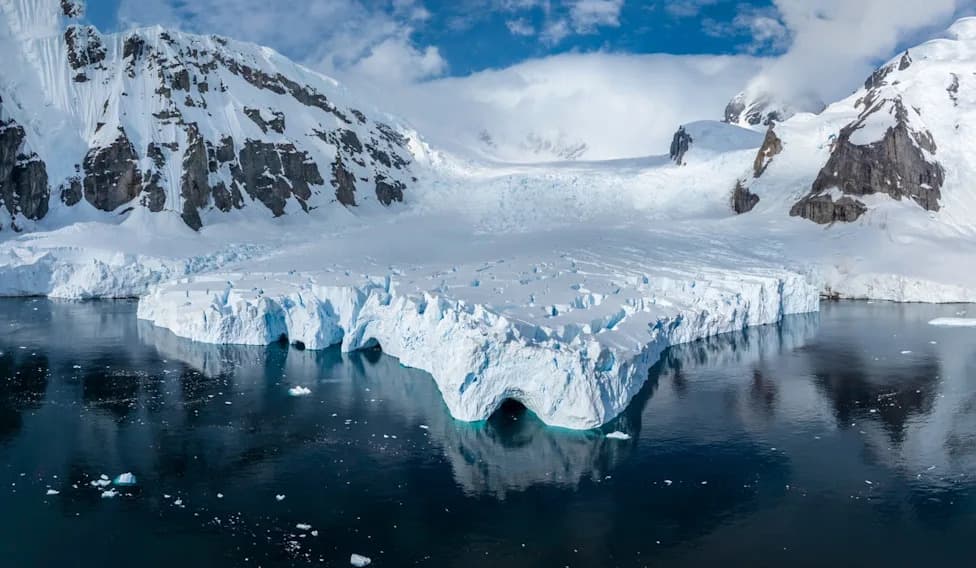
The study of satellite records finds Greenland and Antarctica have shed about 12.5 trillion tons of ice since the 1970s, raising global sea levels by roughly one inch (three centimeters) since 1979. Researchers say the loss equals nearly three quadrillion gallons of water and accelerated dramatically from the 1980s to the 2010s. More than 80% of the decline is from glaciers speeding into the ocean, with about 16% from surface melting. Scientists link the trend to the ice sheets' dynamic response to a warming ocean and warn of increasing coastal flood risk for millions.
Study: Greenland and Antarctica Have Lost ~12.5 Trillion Tons of Ice Since the 1970s, Raising Flood Risk
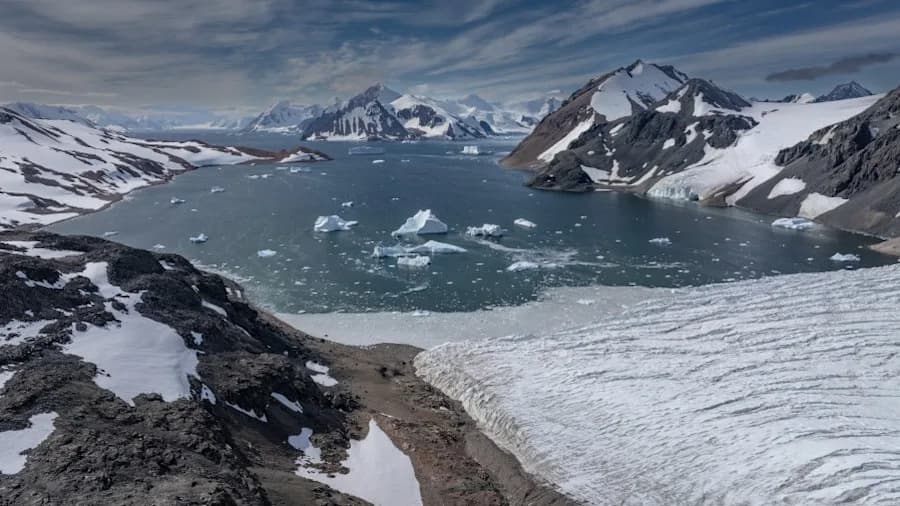
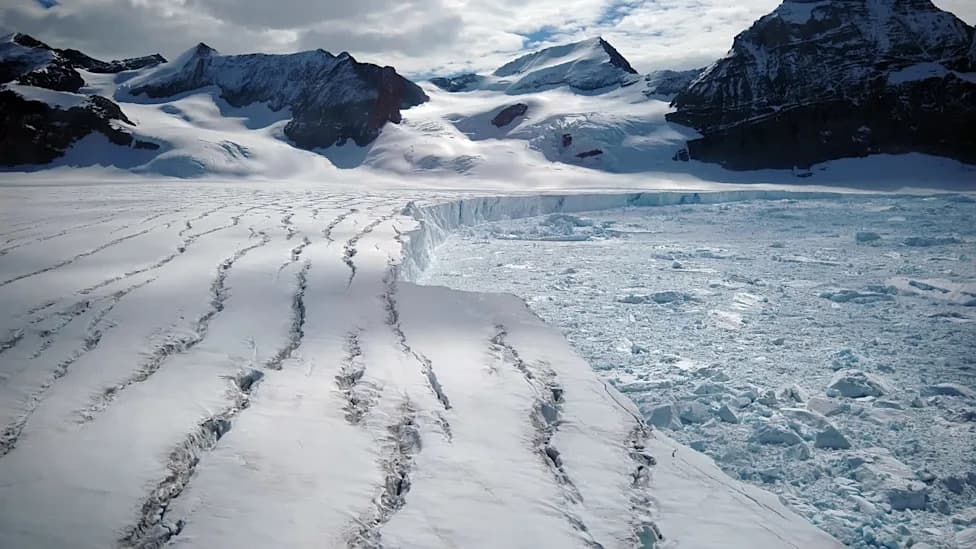
A comprehensive analysis of global satellite records finds that Greenland and Antarctica have lost roughly 12.5 trillion tons of ice since the 1970s — a decline researchers say has already raised global sea levels and increases the risk of coastal flooding for millions.
The research, published last week in the journal Scientific Data, estimates this ice loss is equivalent to nearly three quadrillion gallons of water and has pushed global sea levels up by about one inch (three centimeters) since 1979. The study draws on multiple satellite datasets to produce a long-term, consistent record of polar mass changes.
“Three centimeters of sea level rise may sound small, but that puts another six to nine million people at risk of coastal flooding and erosion,” said Andrew Shepherd, co-author and professor at Northumbria University.
The paper reports a marked acceleration in ice loss beginning in the 1990s: the rate of mass loss increased roughly fourfold from the 1980s to the 2010s. More than 80% of the total loss is attributed to glaciers accelerating and discharging ice into the ocean, while about 16% stems from surface melting.
Lead author Dr. Inès Otosaka said the pattern points primarily to “the dynamic response of the ice sheets to a warming ocean,” stressing that discharge of ice into the sea has grown decade after decade.
Researchers emphasize the clear link to climate change and warn that ice sheets are expected to lose substantially more mass in the coming decades. The findings arrive amid recent United Nations analysis indicating the world remains on track to exceed the temperature limits set by the 2015 Paris Agreement.
Implications: Continued polar ice loss will raise long-term sea-level projections and increase the urgency for coastal planning, adaptation measures, and global emissions reductions to limit future risk to vulnerable communities.
Help us improve.