The study published in Nature finds that roughly 90% of coastal impact assessments underestimate baseline coastal water heights by about 1 foot due to a mismatch between sea-surface and land-elevation methods. The error is most pronounced in the Pacific and Southeast Asia and could expose up to 37% more coastal land and an additional 77–132 million people to flooding if seas rise ~3 feet by 2100. Experts note some local planners already correct for these issues, but the findings could reshape adaptation priorities worldwide.
Study: Sea Levels May Be Higher Than Thought Due To A 'Methodological Blind Spot'
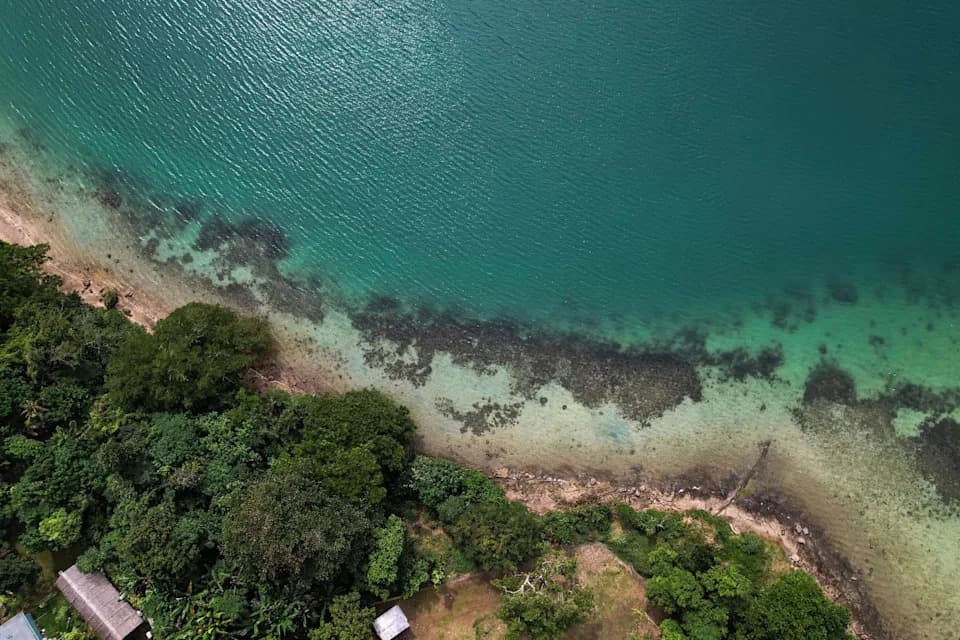
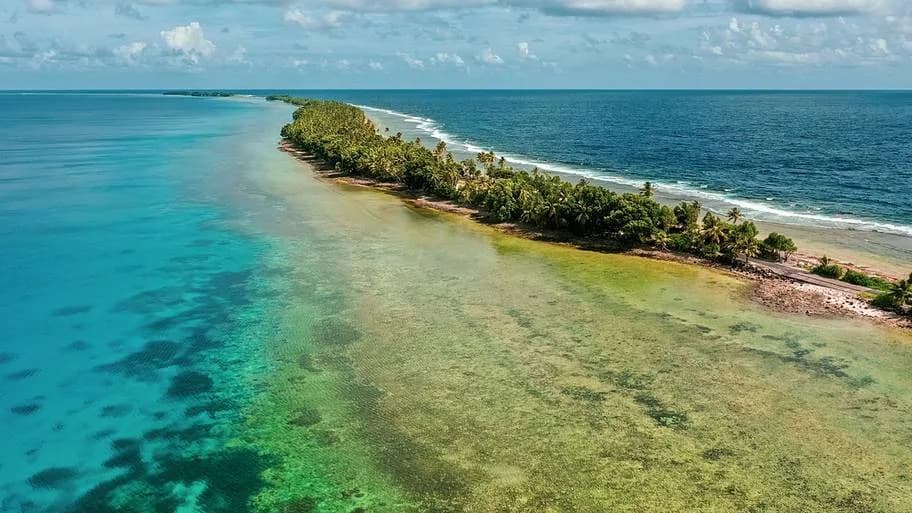
The coastline of Efate Island, Vanuatu, seen on July 19, 2025. / Credit: Annika Hammerschlag / AP(Annika Hammerschlag / AP)
A major new study in Nature suggests global coastal water levels linked to climate change have been systematically underestimated because of a widespread methodological mismatch between how sea-surface and land elevations are measured. The authors reviewed hundreds of scientific papers and hazard assessments and found roughly 90% of them used baselines that are, on average, about 1 foot (≈30 cm) too low—an error that is most pronounced in the Pacific and Southeast Asia.
What Went Wrong
Co-author Philip Minderhoud, a hydrogeology professor at Wageningen University & Research, and lead author Katharina Seeger of the University of Padua say the problem arises where sea and land datasets meet. "Each method measures its domain accurately," they write, "but where sea meets land, several dynamic factors—waves, tides, currents, seasonal temperature shifts and events like El Niño—are often not accounted for when satellite-based and terrestrial models are combined."
How Big Is The Gap?
The study found that about 90% of reviewed assessments underestimated the coastal baseline by roughly 1 foot on average; in some Indo-Pacific locations the effective difference approaches 3 feet. When researchers recalculated coastal exposure using corrected baselines, the results were stark: if sea levels rise by a little more than 3 feet by 2100, up to 37% more coastal land could be inundated, and an additional 77 million to 132 million people could face heightened flood risk.
Human Consequences
Experts and local residents warn this is not an abstract problem. Anders Levermann of the Potsdam Institute, not involved in the paper, said:
"You have a lot of people here for whom the risk of extreme flooding is much higher than people thought."In Vanuatu and other Pacific islands, coastal erosion, submerged graves and homes sitting only a few feet above high tide are already being reported.
Debate And Local Context
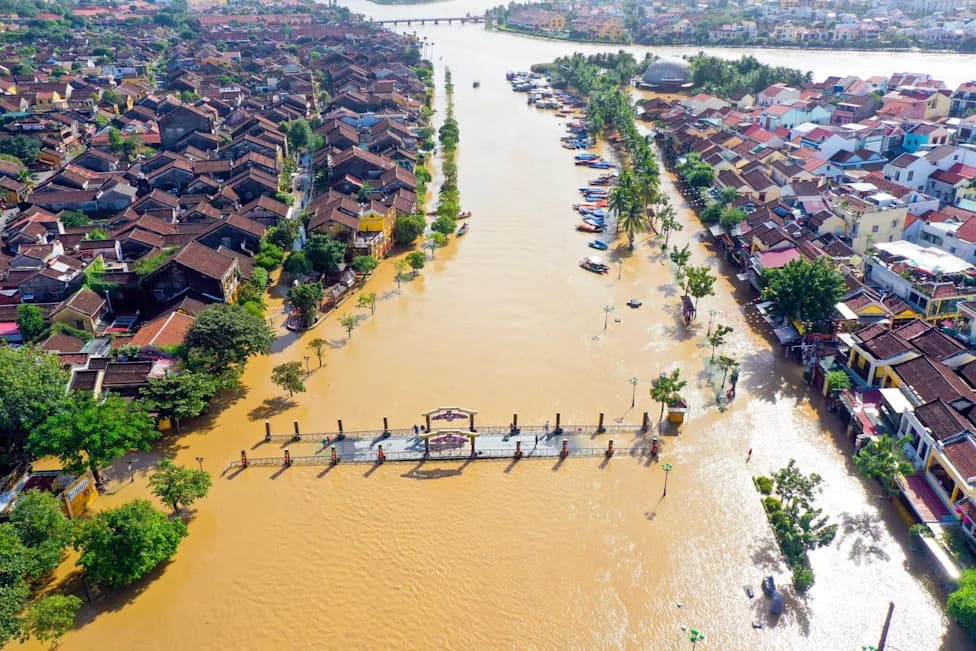
Some scientists caution the paper may overstate the practical consequences for well-mapped regions. Gonéri Le Cozannet of the French geological survey and Rutgers' Robert Kopp note that many local planners already use precise, locally validated elevation data and account for coastal dynamics in adaptation plans. The authors acknowledge that places with detailed local datasets—Vietnam was cited as an example—may already be managing these discrepancies.
Broader Implications
The study arrives as UNESCO highlights substantial uncertainties (10%–20%) in how much carbon the ocean absorbs—another source of potential error in climate projections. Together, these findings suggest some governments and hazard assessments may be planning for coastal and climate risks with an incomplete or inconsistent picture of how the ocean and coastlines are changing.
Bottom line: A simple baseline error can cascade into large underestimates of population and land at risk. Correcting that baseline will change many exposure maps and could significantly alter planning and funding priorities for coastal adaptation.
Voices from the coast: "These studies, they aren't just words on a paper. They're people's actual livelihoods," said climate activist Vepaiamele Trief from Vanuatu. "Sea level rise is not just changing our coastline—it's changing our lives."
Help us improve.