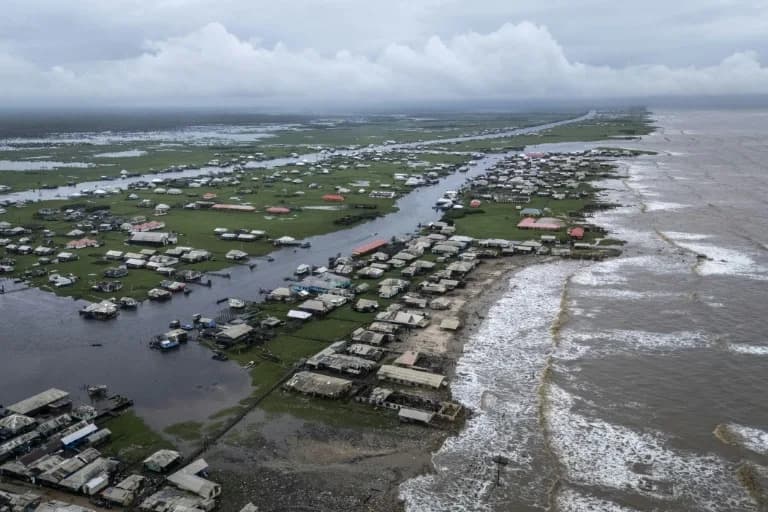
The fishing town of Ayetoro in southern Nigeria — once home to roughly 10,000 people — has been largely erased by ocean surge and rapid coastal erosion, with local leaders saying about 80% of buildings are gone. Between 1987 and 2022 the shoreline receded roughly 50 feet per year. Similar threats are already visible in the U.S., from collapsed homes in North Carolina's Outer Banks to the federally funded relocation of Isle de Jean Charles, Louisiana. NOAA warns U.S. coasts could see up to 1 foot of sea-level rise in 30 years and far more frequent minor flooding by 2050; experts urge elevation, retreat and shoreline restoration.
Ayetoro Is Being Swallowed by the Sea — A Warning for America's Coasts

Man in white cap and traditional attire holding feathers near an eroding coastal building with debris and ocean waves behind him.
The fishing town of Ayetoro in southern Nigeria — once home to about 10,000 people — has been rapidly hollowed out by ocean surge and severe coastal erosion. What remains of the town now resembles a ghost town: homes have fallen into the water, families have been displaced, and community life has been upended.
What’s Happening in Ayetoro?
Local and scientific accounts attribute the destruction to repeated ocean surges and relentless shoreline erosion exacerbated by climate-driven sea-level rise. According to news agency Agence France-Presse (AFP), Ayetoro’s coastline retreated on average about 50 feet per year between 1987 and 2022.
Oluwambe Ojagbohunmi, the traditional king of Ayetoro, told AFP: "We have lost like 80% of the buildings. What is left now is the kitchen. People are just converting the kitchen into residential areas."
Longtime resident Itunu Omosehin, 92, says she has nowhere safe to go: "The houses I inherited from my parents have collapsed — my father's house has collapsed, and my mother's house has collapsed."
Why This Matters To The United States
The crisis in Ayetoro is not isolated. Similar patterns of rapid erosion and flood-driven loss are already visible across parts of the United States. Since 2020, 32 oceanfront homes in North Carolina's Outer Banks have collapsed as beaches and dunes washed away. Isle de Jean Charles in Louisiana — a community with deep Native American roots — lost roughly 98% of its land and became the site of the first federally funded, climate-driven relocation in the U.S.
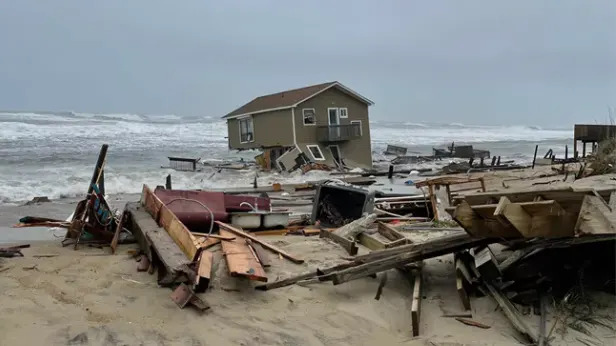
Storm-damaged house standing amid debris on eroded beach with rough ocean waves in background.
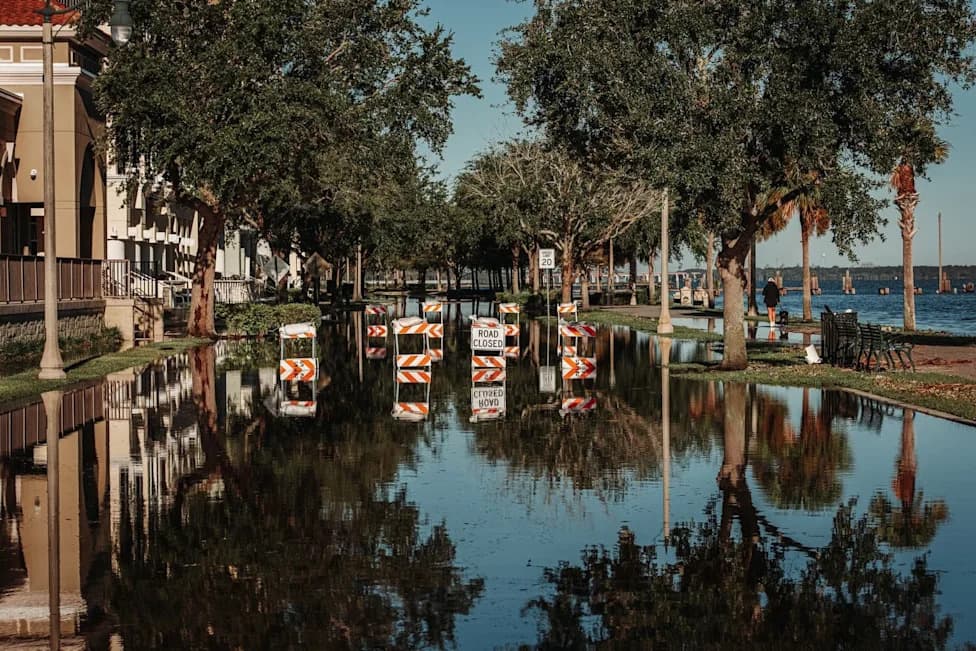
Norfolk, Virginia, faces the highest rate of sea-level rise on the U.S. East Coast while local land subsidence of roughly 2 millimeters a year makes flooding worse; the city routinely experiences "sunny-day" tidal flooding that disrupts streets and infrastructure.
Scientific Outlook
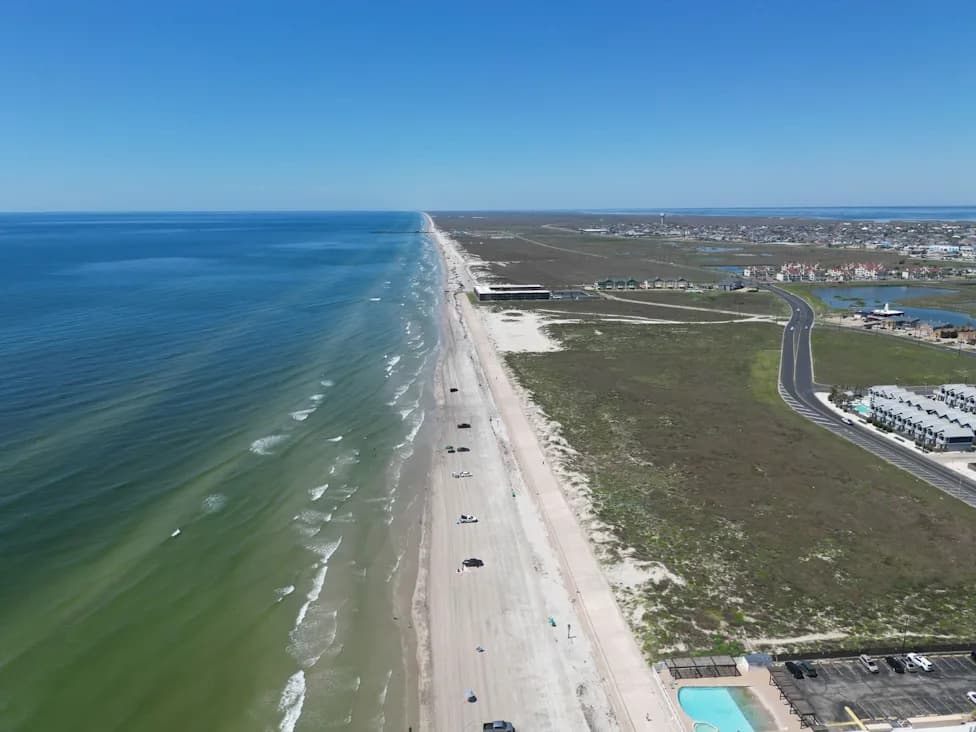
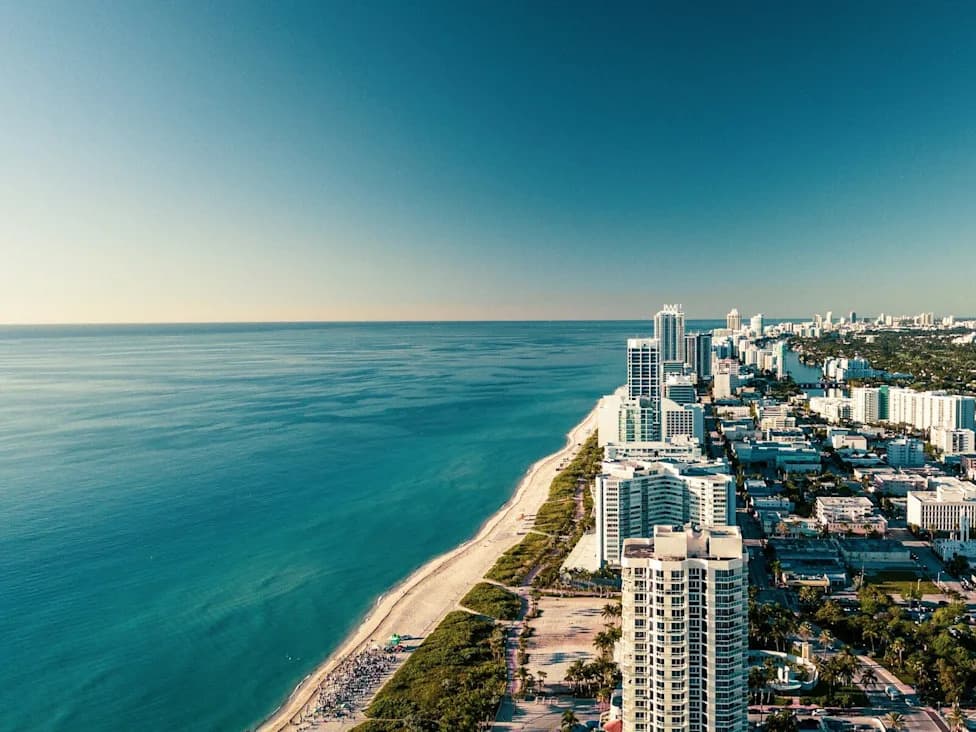
The National Oceanic and Atmospheric Administration (NOAA) warns of accelerating coastal risks: U.S. coastlines could see up to 1 foot of sea-level rise in the next 30 years (the Gulf Coast may see as much as 1.5 feet). NOAA's 2022 technical report projects a "profound shift" in coastal flooding patterns by 2050, with minor flooding occurring more than ten times as often as today — meaning routine high tides will reach farther inland and inundate homes and roads with much greater frequency.
What Experts Recommend
Scientists, planners and local leaders urge a combination of strategies to reduce risk: elevate existing homes and critical infrastructure, retreat from the most vulnerable shorelines where necessary, and invest in shoreline restoration and natural defenses (dunes, wetlands, and living shorelines) to slow erosion. Local engagement and planning are essential: as Emmanuel David Tuna of the Nigeria Hydrological Services Agency put it, floodwater cannot be completely stopped but it can be managed.
Emmanuel David Tuna: "Water, particularly flood water, cannot be stopped. Flooding cannot be eradicated, but it can be managed... When we identify areas that are prone to flooding, we urge residents and everyone to move away from this area because at the end of the day you can't stop it."
For coastal communities in the United States and around the globe, Ayetoro serves as a stark reminder: without proactive planning and investment, more towns may face similar loss.
Help us improve.