B’Tselem reports that at least 84 Palestinian detainees have died in Israeli custody since October 2023 and alleges systematic abuse, including physical and psychological violence, deliberate starvation and denial of medical care. The organisation says Israeli authorities are withholding 80 bodies and documents testimony from 21 released prisoners describing sexual violence and electric shocks in a so-called "disco room." The report criticises administrative detention and military trials and calls for international legal action.
B’Tselem Says Israeli Prisons Operate as ‘Torture Camps’ After 84 Palestinian Deaths
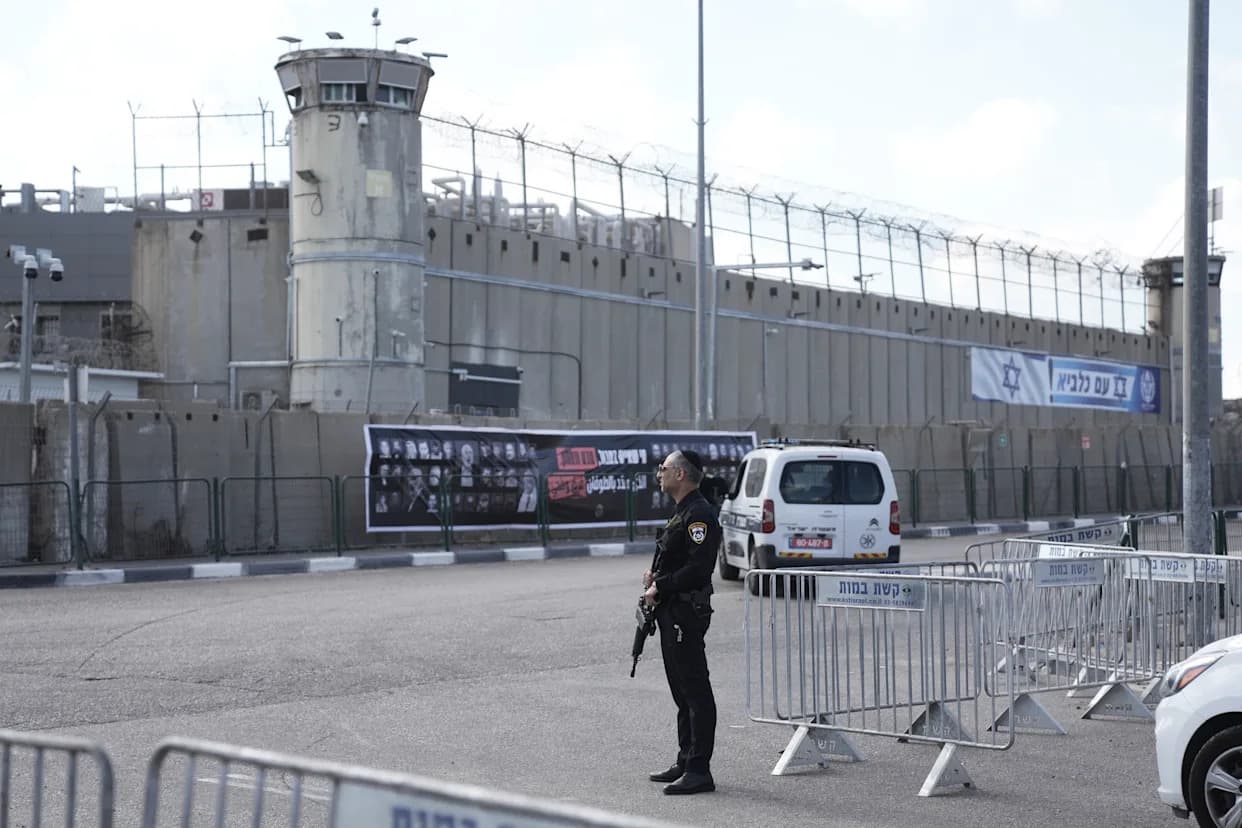
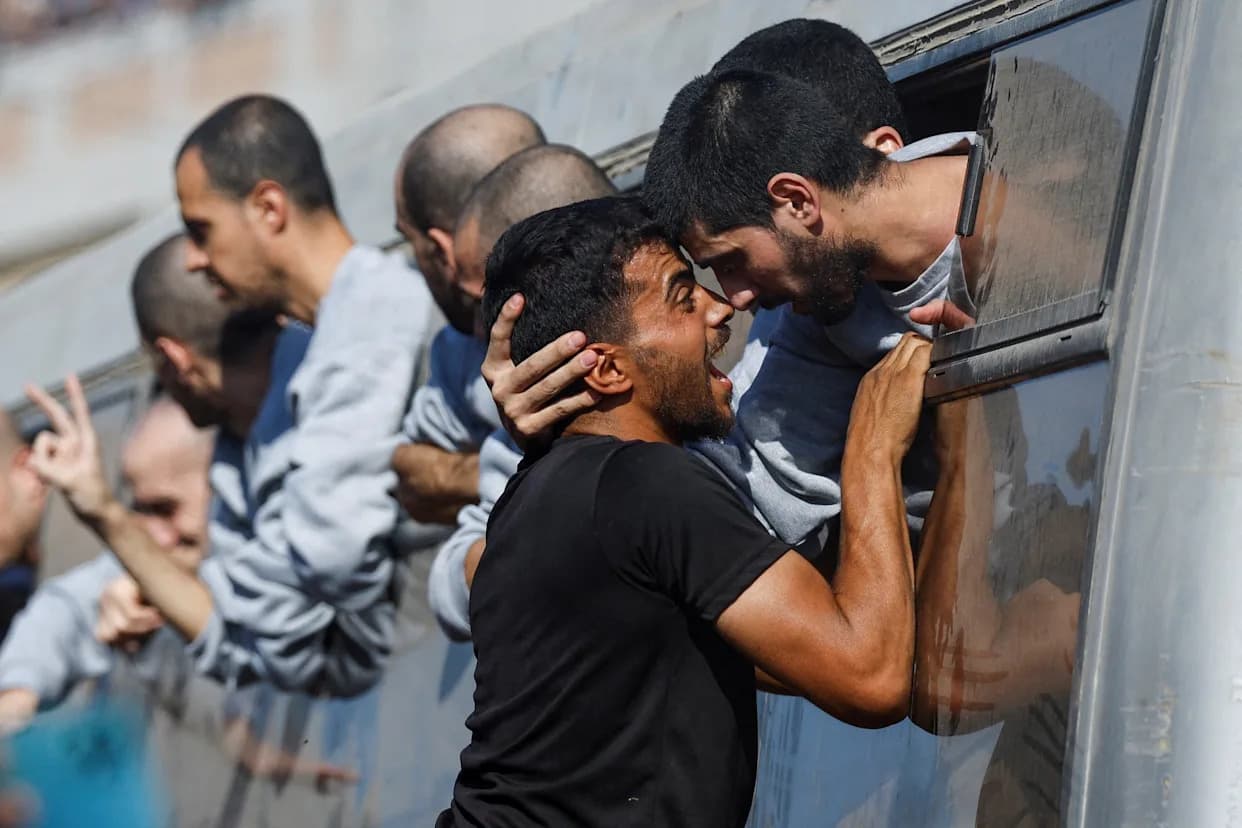
About 9,200 Palestinians are estimated to be detained in Israeli facilities, including the Ofer military prison near Jerusalem [File: Mahmoud Illean/AP]
An Israeli human rights organisation, B’Tselem, reports that at least 84 Palestinian detainees have died in Israeli custody since October 2023. In a report released on Tuesday, the group alleges that many of those deaths followed systematic abuse, including physical and psychological violence, deliberate starvation and denial of medical care.
Key Findings
B’Tselem says Israeli authorities are still holding the bodies of 80 of the deceased and have refused to return them to families. The report lists the names of the 84 deceased — including one minor — and identifies the facilities where they died. According to B’Tselem’s count, 50 of the deceased were from the Gaza Strip, 31 from the occupied West Bank, and three were Israeli citizens; the organisation notes the true toll may be higher because it included only deaths it could verify.
Evidence and Testimonies
The group’s conclusions are based on interviews with 21 Palestinians recently released from Israeli detention and on documentation from Israeli and international prison monitors. Interviewees described sexual violence (including forced stripping and assaults), severe genital injuries from beatings, attacks involving dogs, and penetration with objects. Several witnesses described extreme brutality during interrogations in a location referred to by prisoners as the "disco room," where detainees said they were subjected to repeated electrical shocks while being deprived of food and toilet access.
Detention Practices
B’Tselem highlights that many Palestinians are held under administrative detention, a procedure that initially confines individuals for six months and can be extended indefinitely without charge or trial. It also notes that most Palestinians — including children — are tried in military courts and often face lengthy sentences amid due-process concerns, while Israeli citizens are typically tried in civil courts. The organisation calls this disparity a two-tier justice system.
"The Israeli prison system has been transformed into a network of 'torture camps,'" said Yuli Novak, B’Tselem’s executive director, describing the policy as part of what the group calls "a coordinated onslaught on Palestinian society."
Political Context And Reactions
The report cites instances that it says undermine official denials of abuse, including public footage and statements by Israeli officials. It references a November video in which National Security Minister Itamar Ben-Gvir was filmed near bound and blindfolded detainees, and notes subsequent political moves such as parliamentary advancement of a bill to allow the death penalty for people labelled "terrorists."
B’Tselem also documents alleged efforts by Israeli authorities to intimidate released prisoners, reporting threats of re-arrest for anyone who spoke publicly about their treatment in custody. The organisation urges the international community to use legal tools to halt the abuses it documents.
Conclusion
B’Tselem concludes that the abuses amount to a systemic, institutionalised policy of torture and mistreatment of Palestinian prisoners, which, it says, is supported or tolerated by political and judicial institutions. Israeli authorities have repeatedly denied the claims, stating their practices comply with international law; B’Tselem disputes those assertions and points to the testimonies and documentary evidence in its report.
Help us improve.