The author argues that President Trump has weakened U.S. national security by cutting critical personnel, diverting agents from counterterrorism work, installing partisan loyalists in top roles and alienating allies. Key figures cited include 60,000+ Defense Department civilian positions lost, about 2,000 NSA jobs gone and 40% vacancies at ODNI, plus 6,400+ departures at DOJ in 2025. The piece warns that these shifts increase risk and urges voters to elect Democrats to restore congressional checks.
Opinion: How Trump Is Weakening U.S. National Security — And What’s At Stake
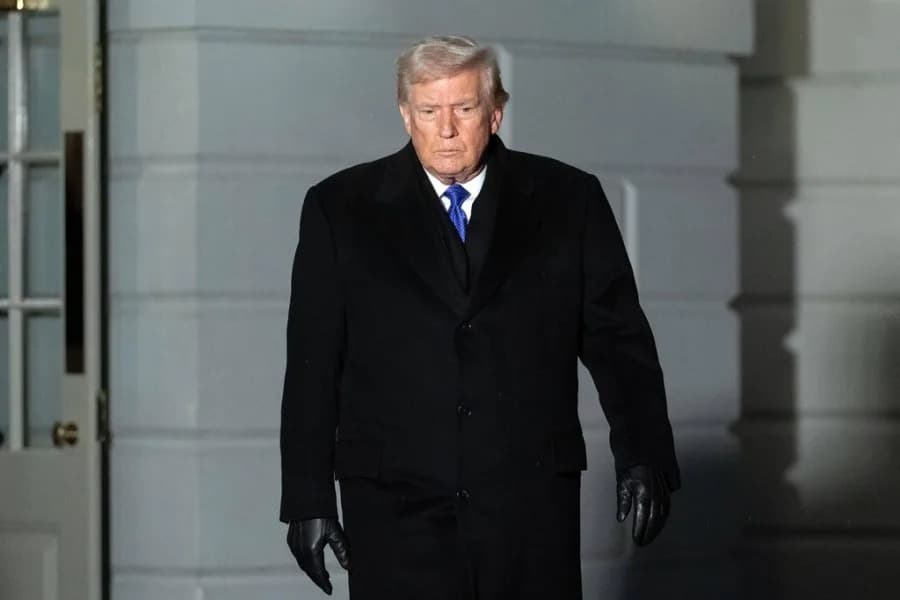
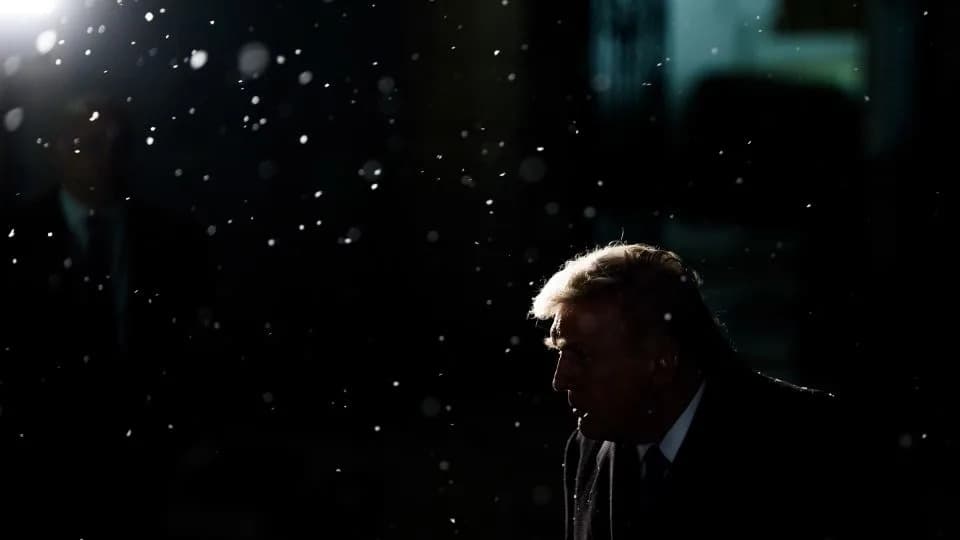
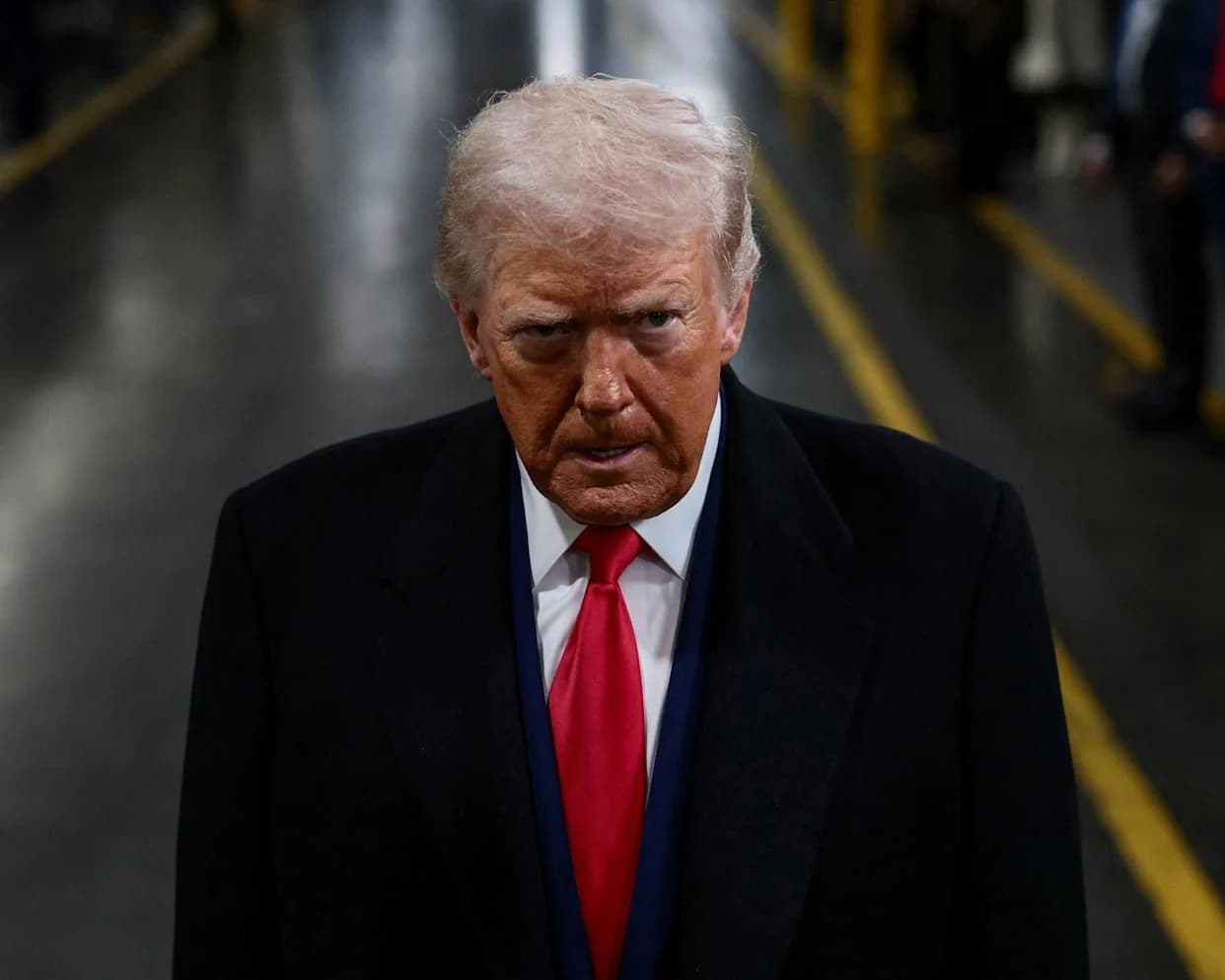
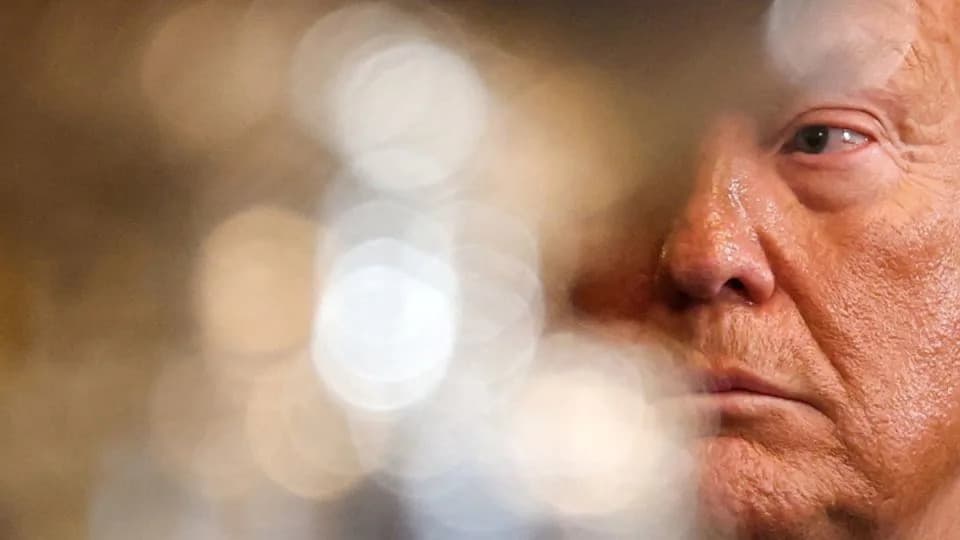
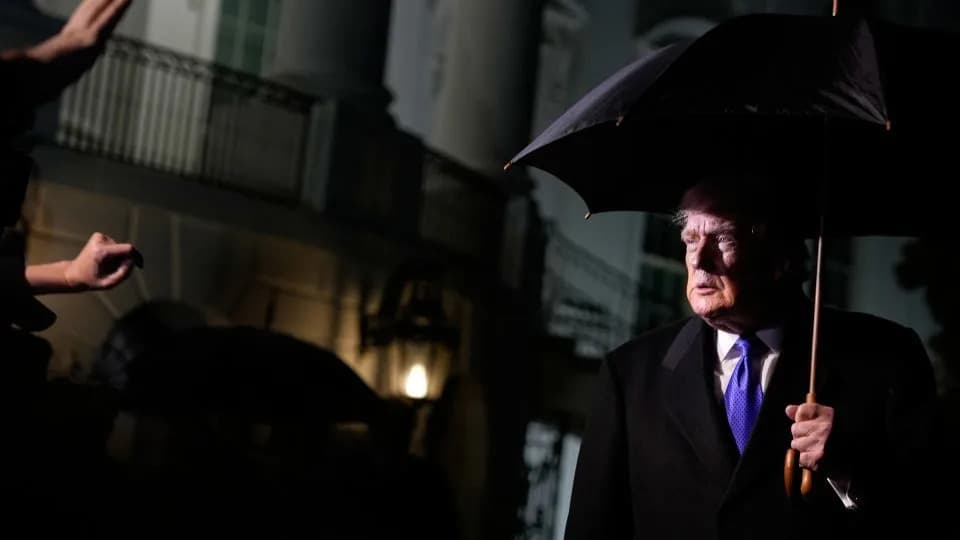
President Donald Trump, the author contends, poses a significant risk to U.S. national security by undermining the institutions, personnel and alliances that detect, deter and respond to threats. His actions, the essay argues, have left gaps that adversaries could exploit and allies less willing to rely on the United States.
Eroding Capabilities and Personnel
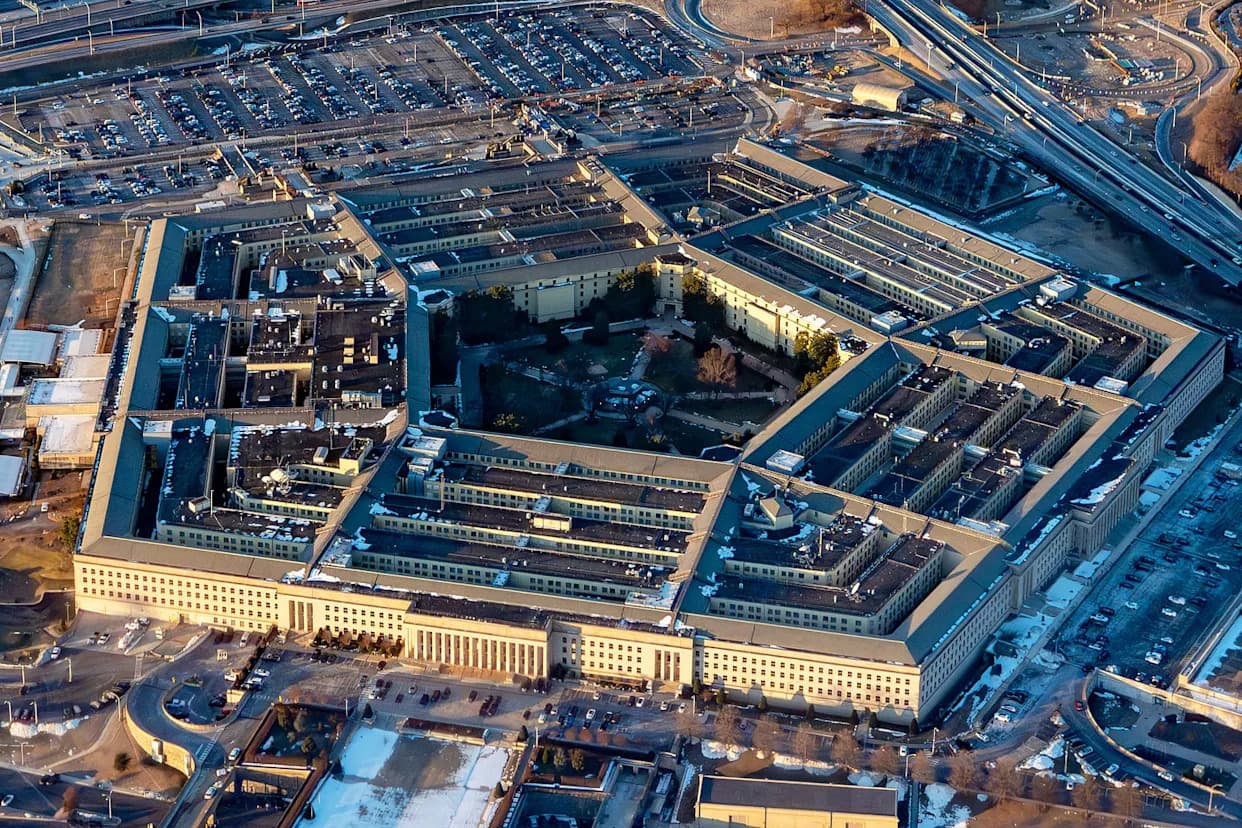
Trump has presided over large personnel losses and organizational disruptions in key national security institutions. These include the loss of more than 60,000 civilian positions at the Department of Defense, roughly 2,000 jobs at the National Security Agency and vacancies exceeding 40% of positions at the Office of the Director of National Intelligence. In 2025 the Justice Department reportedly lost more than 6,400 attorneys and other employees to resignations and dismissals.
Diverting Focus And Resources
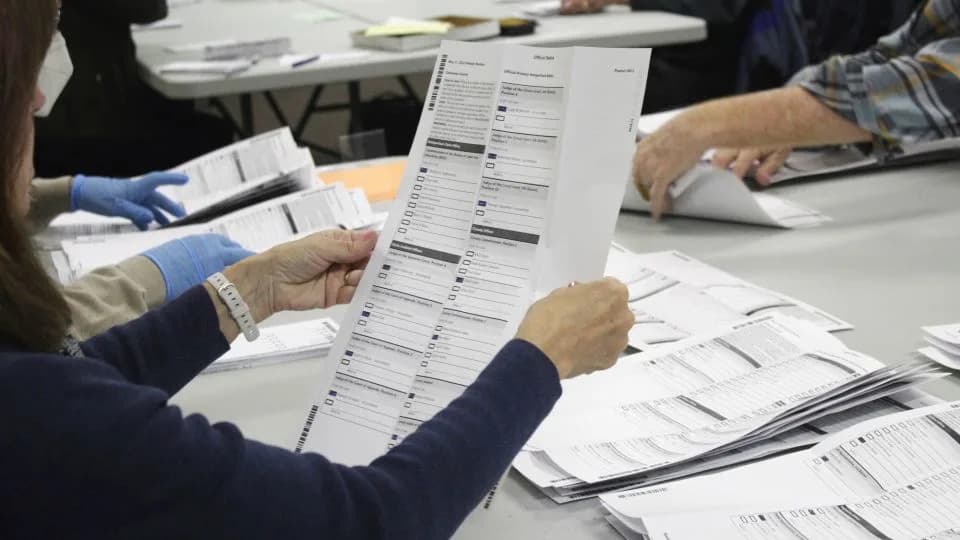
Officials and investigators warn that federal agents and analysts have been reassigned from counterterrorism and foreign-intelligence work to tasks that critics say are politically driven or lower priority for national defense — including immigration enforcement and investigations related to the former president’s claims about the 2020 election. The piece argues these shifts waste time, money and manpower and increase the risk of missing critical warning signs.
Leadership, Loyalty And Institutional Damage
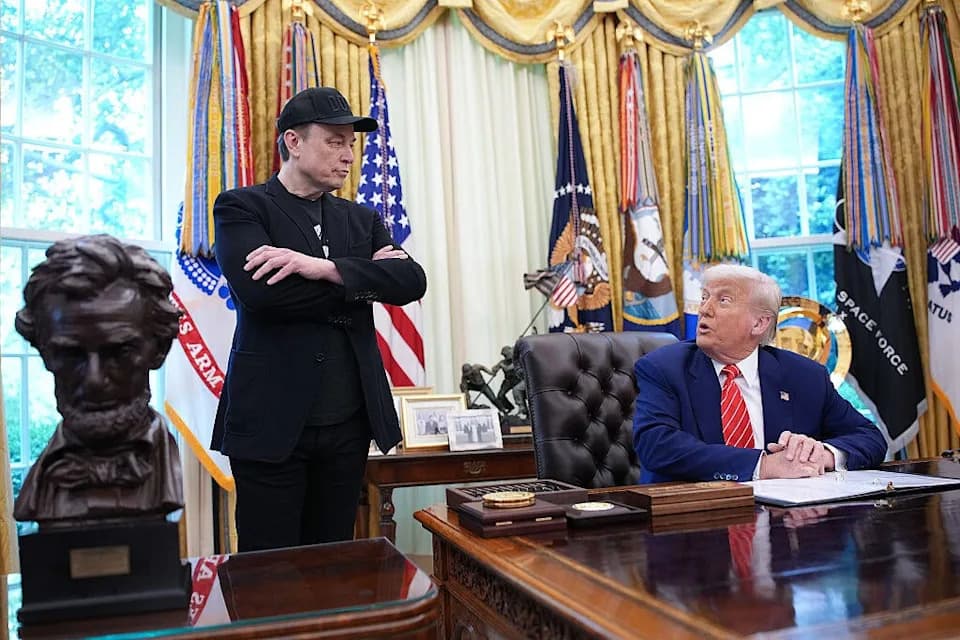
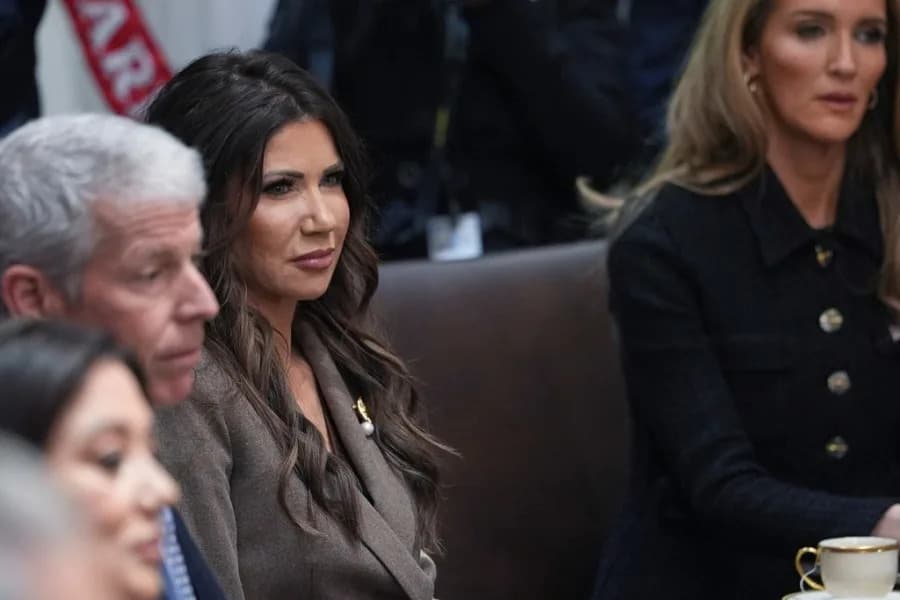
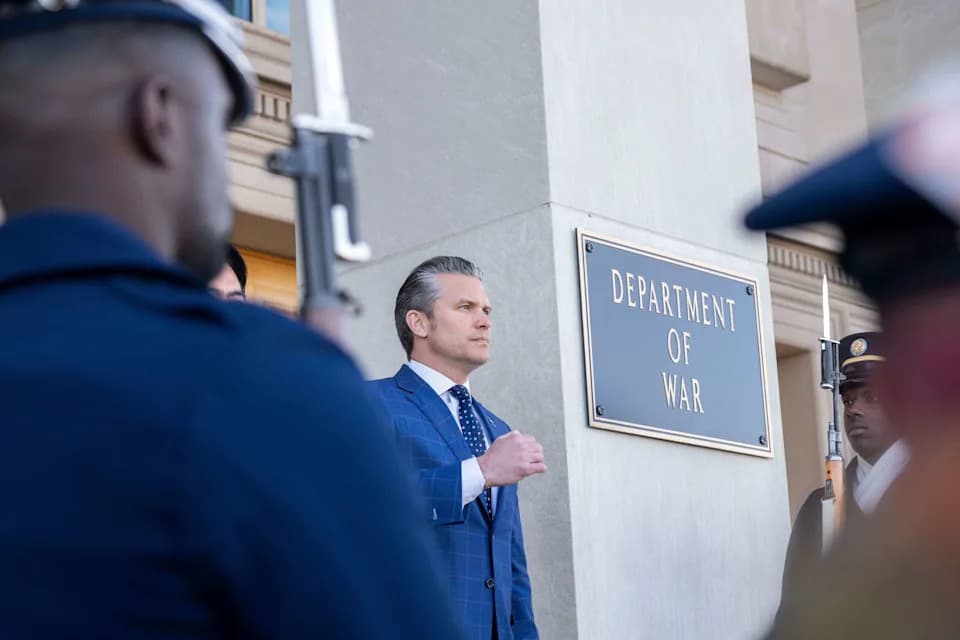
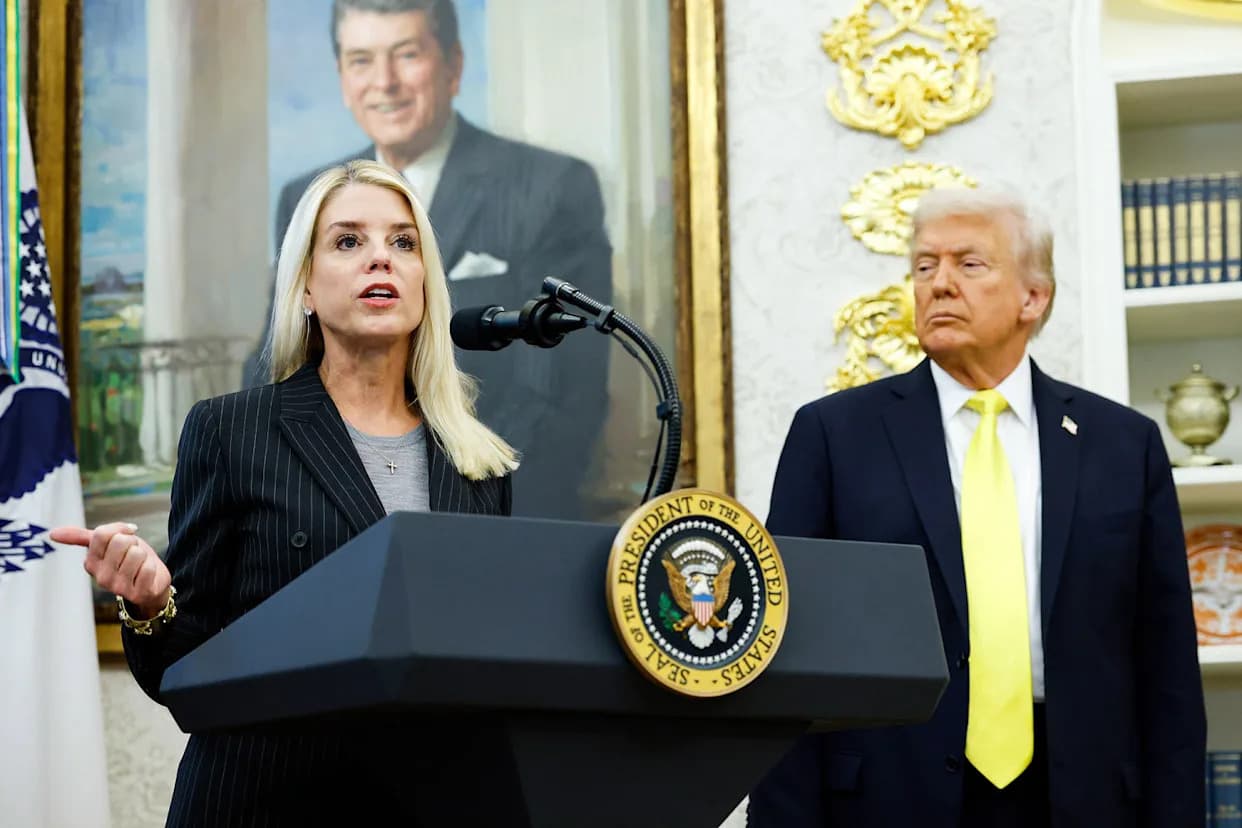
The article criticizes the appointment of political loyalists to top security posts, asserting that some senior military and civilian leaders have been replaced with people whose principal qualification appears to be personal loyalty or aggressive media defense of the president. The author cites several high-profile appointments as examples and warns this practice erodes institutional expertise and independence.
Strained Alliances
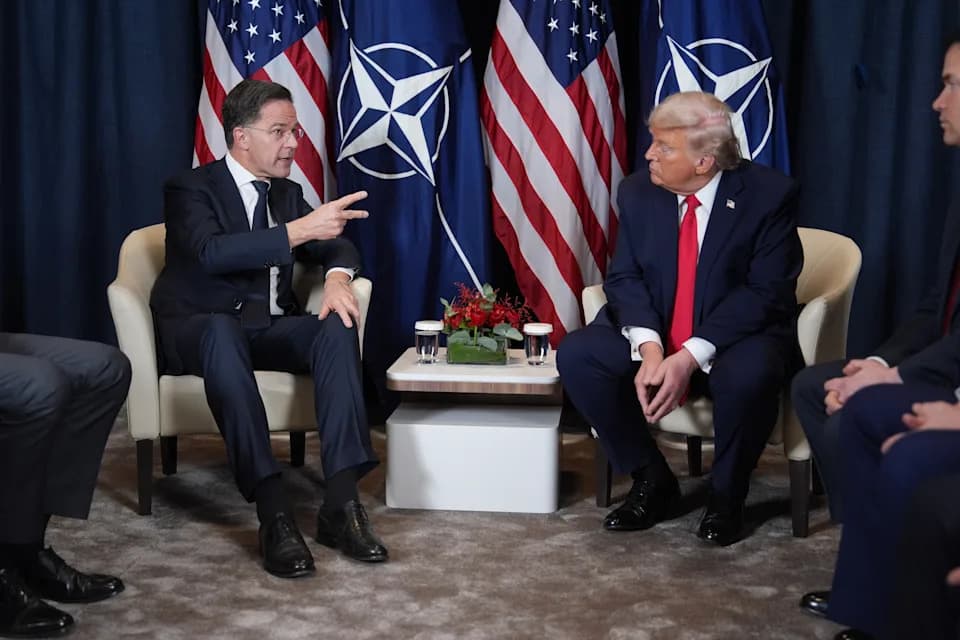
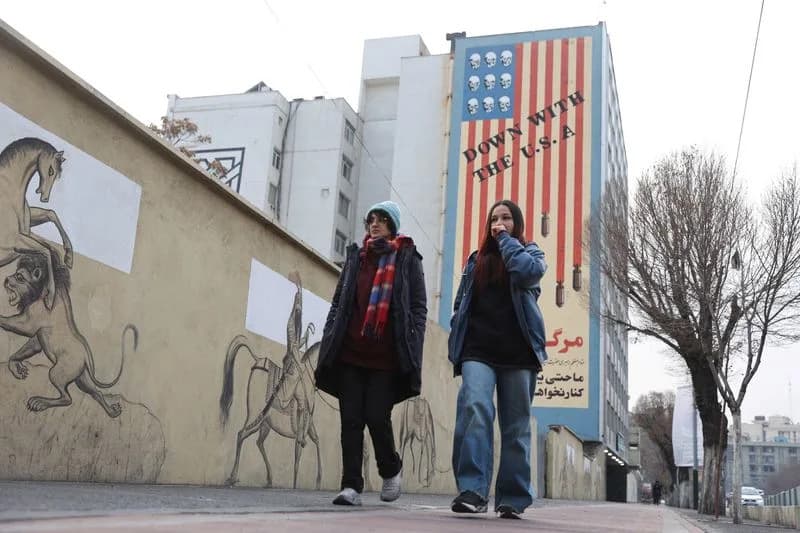
Beyond personnel and organizational concerns, the administration’s rhetoric and policies — from tariffs and public insults to threats of withdrawing from NATO and perceived weak support for Ukraine — have damaged America’s reputation as a reliable partner. The author emphasizes a concrete example: after 9/11, 51 allied and partner nations contributed forces to Afghanistan, at peak deploying more than 130,000 troops in support of U.S. efforts, and 1,144 foreign troops died in combat. Alienating allies, he warns, could reduce the willingness of partners to come to the United States’ aid in the future.
The core claim: Protecting the nation from deadly attacks is the first duty of the president. The author argues that current choices divert attention and resources away from that mission and therefore increase risk to the country.
Political Remedy Suggested
The piece concludes with a political prescription: if Congress does not act to constrain the president, voters should. The author urges Americans to elect Democratic majorities to the House and Senate so that checks and balances can be restored and some of the damage limited.
About the author: A. Scott Bolden is an attorney, NewsNation contributor, former chair of the Washington, D.C. Democratic Party and a former New York state prosecutor.
Help us improve.