
NATO’s ability to deter Russia has been weakened by deepening trans‑Atlantic tensions, most visibly after President Trump’s comments about Greenland and remarks about allied troops. While European allies and Canada have pledged substantial defense spending increases, analysts say political mistrust and uncertainty over U.S. troop commitments have eroded the collective security guarantee that underpins Article 5. Security incidents across Europe and warnings from analysts suggest adversaries may test the alliance unless cohesion is restored.
Trans‑Atlantic Rift Erodes NATO’s Credibility and Weakens Deterrence Against Russia
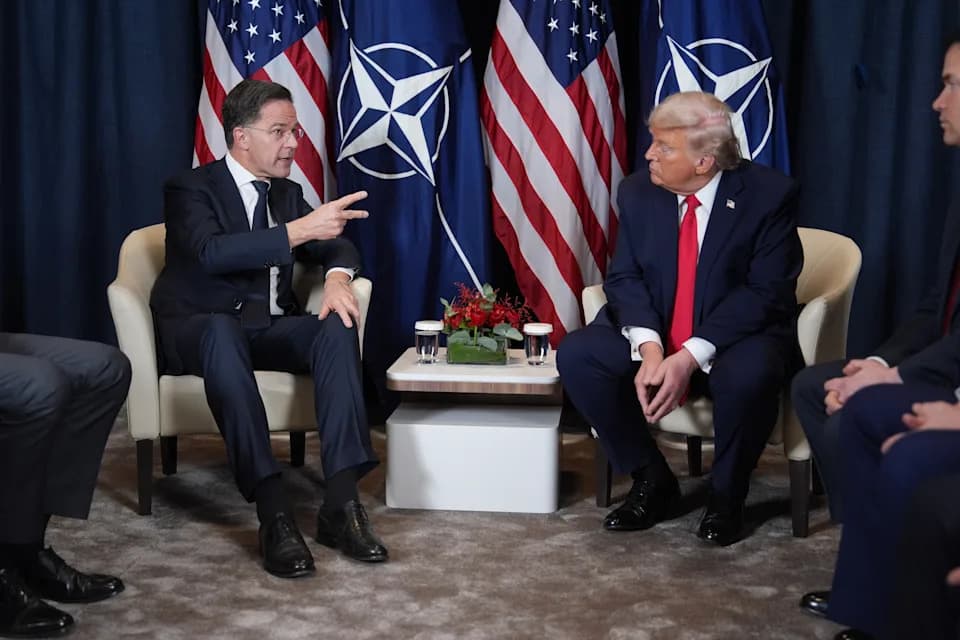
President Donald Trump, right, meets with NATO Secretary General Mark Rutte during a meeting on the sidelines of the Annual Meeting of the World Economic Forum in Davos, Switzerland, Wednesday, Jan. 21, 2026. (AP Photo/Evan Vucci)(ASSOCIATED PRESS)
European allies and Canada have poured billions into support for Ukraine and have pledged major increases in defense spending. Even so, analysts say trust within NATO’s 32 members has frayed over the past year, damaging the alliance’s credibility as a unified deterrent under U.S. leadership.
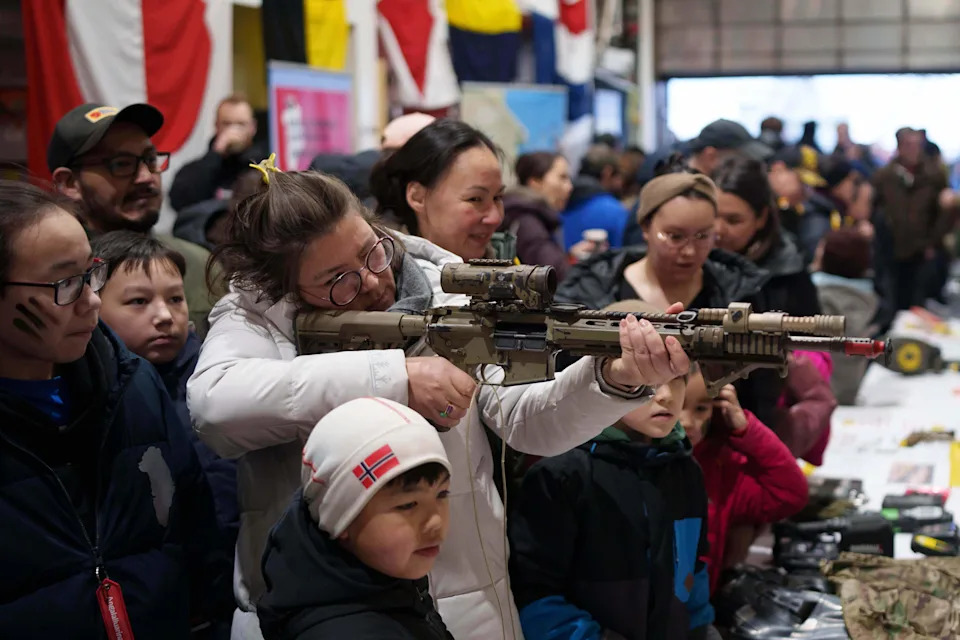
A woman aims a rifle aboard a naval vessel during a public day in Nuuk, Greenland, on Saturday, Jan. 24, 2026. (AP Photo/Evgeniy Maloletka)(ASSOCIATED PRESS)
The flashpoints: The rift became highly visible after U.S. President Donald Trump repeatedly suggested the United States might seek control of Greenland — a semiautonomous territory of NATO ally Denmark — and later criticised allied troops who served alongside Americans in Afghanistan. Though the immediate uproar over Greenland has subsided, many analysts argue the episode inflicted lasting harm on alliance cohesion.
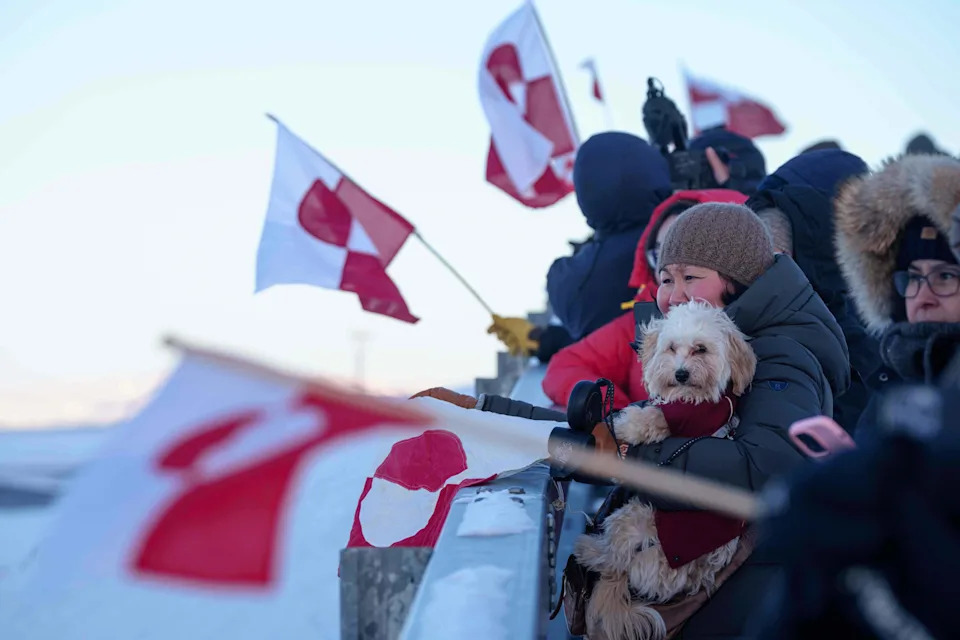
People wave national flags for Greenland Minister for Foreign Affairs and Research Vivian Motzfeldt as she arrives at the airport in Nuuk, Greenland, on Tuesday, Jan. 20, 2026. (AP Photo/Evgeniy Maloletka)(ASSOCIATED PRESS)
Why cohesion matters
NATO’s deterrence rests on the political commitment that an attack on one ally will be met by the others — the collective-security guarantee enshrined in Article 5. That pledge depends on mutual trust and the belief that all allies’ territories are inviolable. Public disputes and suggestions of coercion between allies can weaken that belief, analysts warn.
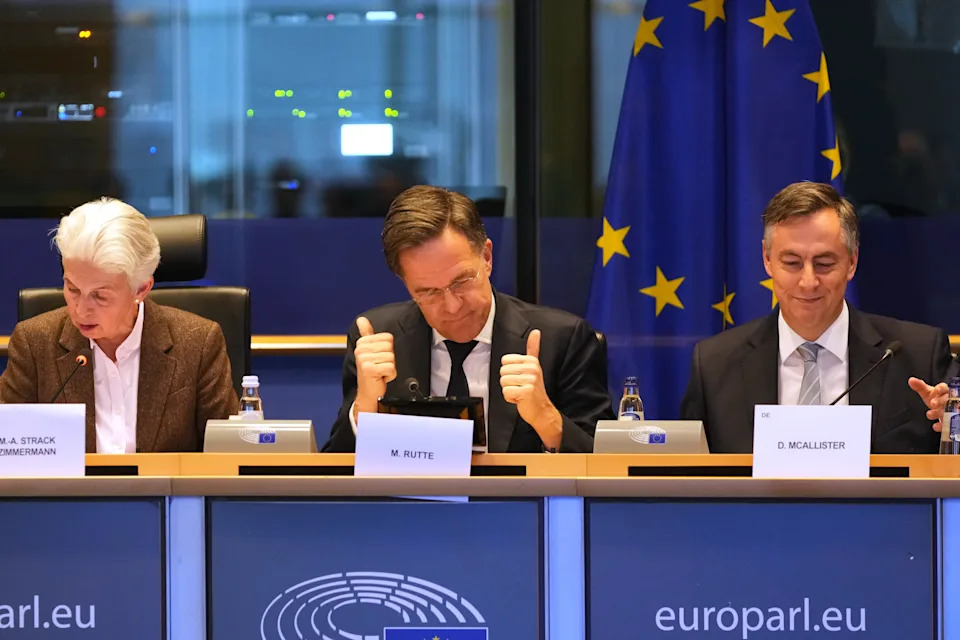
NATO Secretary General Mark Rutte, center, addresses the Security and Defence Committee at the European Parliament in Brussels, Monday, Jan. 26, 2026. (AP Photo/Virginia Mayo)(ASSOCIATED PRESS)
“The episode matters because it crossed a line that cannot be uncrossed,” wrote a Carnegie Europe analyst assessing the Greenland episode, arguing that even rhetoric can have long-term effects on alliance cohesion.
Spending pledges, but lingering doubts
Facing years of criticism for low defense spending, many European allies and Canada agreed to step up contributions and announced a programme of substantial budget increases to strengthen their militaries and resilience. NATO leaders and national governments hailed those pledges as an important step, but analysts say higher spending will take years to translate into capabilities and cannot by itself repair damaged political trust.

FILE - President Donald Trump speaks in the Oval Office of the White House on May 20, 2025, in Washington. (AP Photo/Alex Brandon, File)(ASSOCIATED PRESS)
U.S. senators from both parties warned that threats to coerce allies over territory undercut American interests and weaken deterrence. At the same time, statements from senior U.S. political figures and mixed messages about forward troop commitments have fueled allied anxiety about Washington’s long‑term resolve.
Adversaries notice
Russian officials have publicly said they are watching trans‑Atlantic tensions closely. NATO and EU officials continue to warn that Moscow remains a long‑term security concern, citing cyberattacks, suspected sabotage, unexplained drone flights near sensitive sites and sustained political and information operations across Europe. Attribution is often difficult, and Moscow denies responsibility for many incidents.
Analysis from European security institutes concludes that doubts about allied unity and about U.S. troop posture in Europe make NATO’s deterrence posture riskier: adversaries may be more tempted to probe or escalate if they believe a collective response will be slow or divided.
What’s next
NATO leaders say they will press ahead with capability-building, infrastructure upgrades and cooperative planning while seeking to repair political rifts. But most analysts emphasize that rebuilding trust — between capitals, military leaders and publics — will be as important as new equipment and budgets if the alliance is to present a credible, unified deterrent to Russia and other challengers.
Help us improve.





















