Jane Harman argues that the Department of Homeland Security must return to bipartisan, apolitical leadership to restore public trust after recent enforcement deaths and leadership controversies. She recalls that post-9/11 reforms — DHS and ODNI — were created through cross-party cooperation and helped prevent another catastrophic attack. Harman highlights troubling shifts in priorities, cites Cato Institute data on ICE detentions, and urges new professional leadership plus concrete reforms: body cameras, clear ID and use-of-force rules, independent investigations, and transparent spending.
Restore Bipartisan, Apolitical Leadership at the Department of Homeland Security

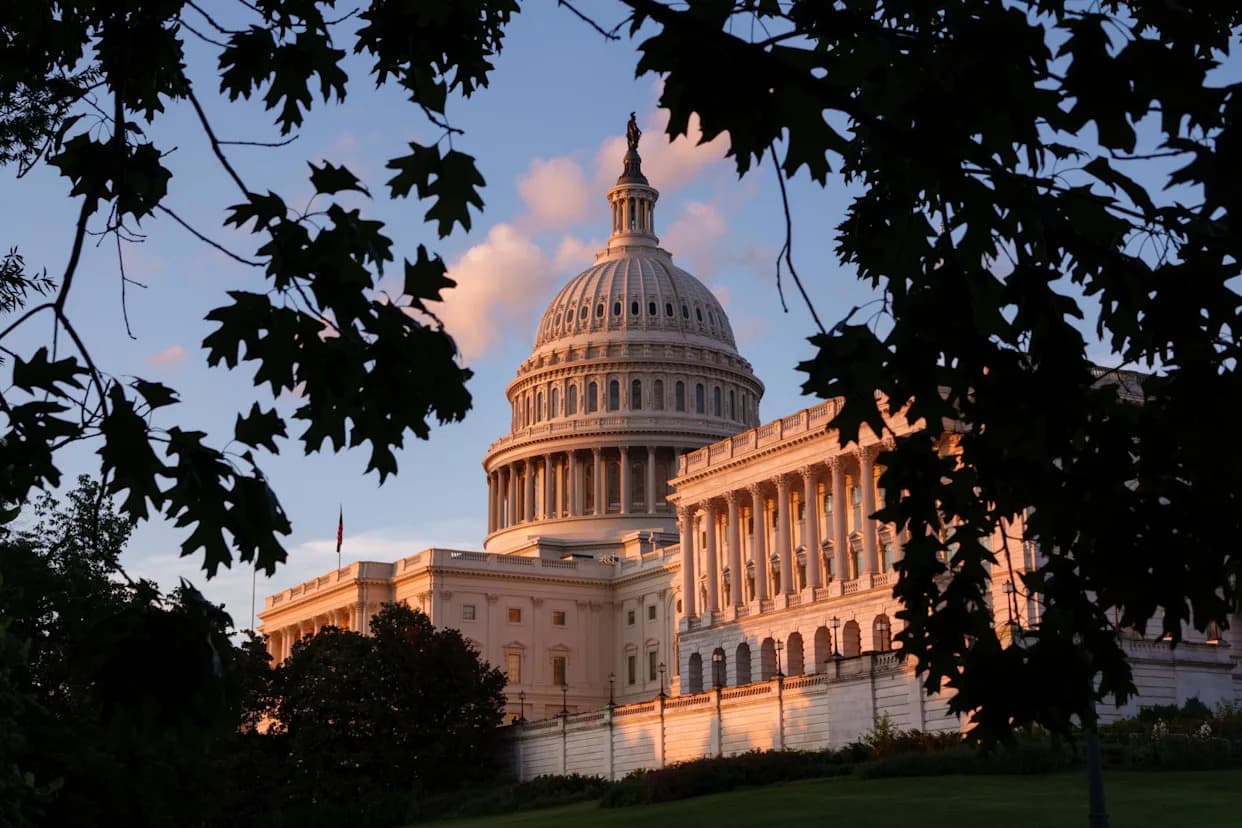
On the evening of Sept. 11, 2001, I stood on the steps of the U.S. Capitol with colleagues and we sang "God Bless America." In that moment, party labels fell away. We were Americans united in grief and committed to preventing another attack. From that bipartisan resolve came two major post-9/11 reforms: the Department of Homeland Security (DHS) and the Office of the Director of National Intelligence (ODNI). I was among the lawmakers who helped design those institutions.
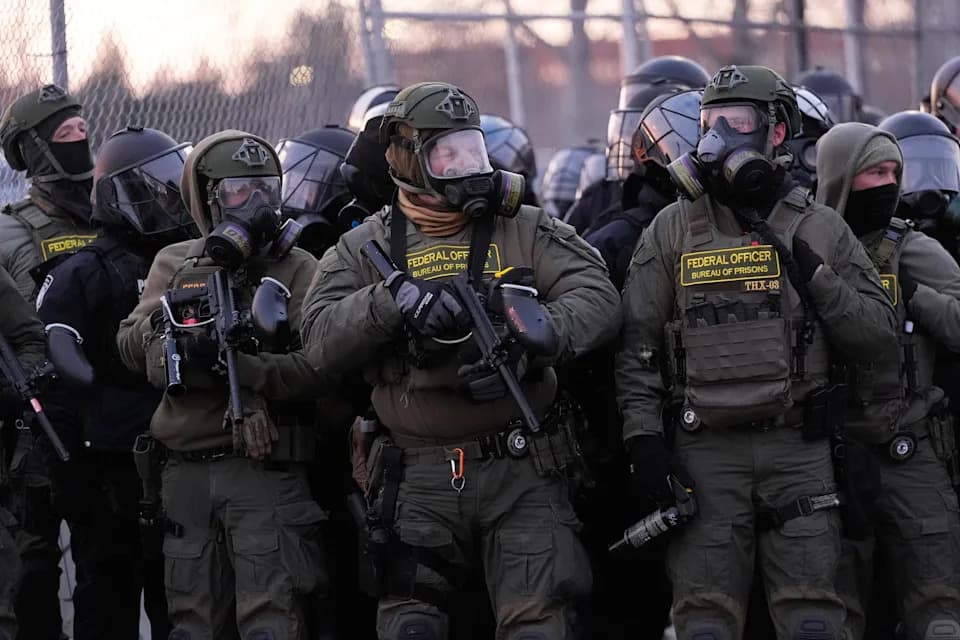
Today, DHS is facing a profound credibility crisis. Recent enforcement actions in Minneapolis that resulted in the deaths of two American citizens, along with leadership controversies, have eroded public trust. Congressional support for Secretary Kristi Noem has weakened, and a bitter fight over DHS funding nearly pushed the government into a shutdown before negotiators struck a tentative two-week deal. Those developments reveal a deeper problem than a single budget dispute: the department has drifted from the bipartisan, professional mission that justified its creation.
Why Bipartisan, Apolitical Leadership Matters
The 9/11 Commission documented the catastrophic intelligence and security failures that enabled the 2001 attacks: agencies hoarded information, the CIA did not timely share crucial leads with the FBI, and inspectors found that many visa applications contained false statements. The lesson was clear: national security institutions must operate across partisan lines and connect the dots.
Creating DHS and the ODNI was intended to address those failures. Immigration enforcement belongs within the national security framework; coordination across agencies is essential. Those reforms were contentious but ultimately achieved by compromise — the Senate passed the final homeland security legislation 90–9 — and for two decades the department largely operated above partisan politics. Leaders were typically chosen for competence, and by the most important metric, the nation suffered no catastrophic terrorist attack on American soil in the years that followed.
How Priorities Have Shifted
That tradition has frayed. Research from the Cato Institute indicates that nearly three-quarters of those detained by ICE have no criminal conviction and that only about 5 percent had convictions for violent crimes. Administration promises to remove "the worst of the worst" have often given way to broad mass arrests that generate headlines but do not demonstrably improve public safety.
At the same time, DHS threat assessments continue to warn that China, Russia, and Iran target U.S. critical infrastructure, and intelligence agencies have highlighted persistent threats from ISIS and its affiliates. These risks have not diminished; they require sustained, apolitical attention and resources rather than being overshadowed by politicized operations and controversies.
Concerns Across Intelligence and Oversight
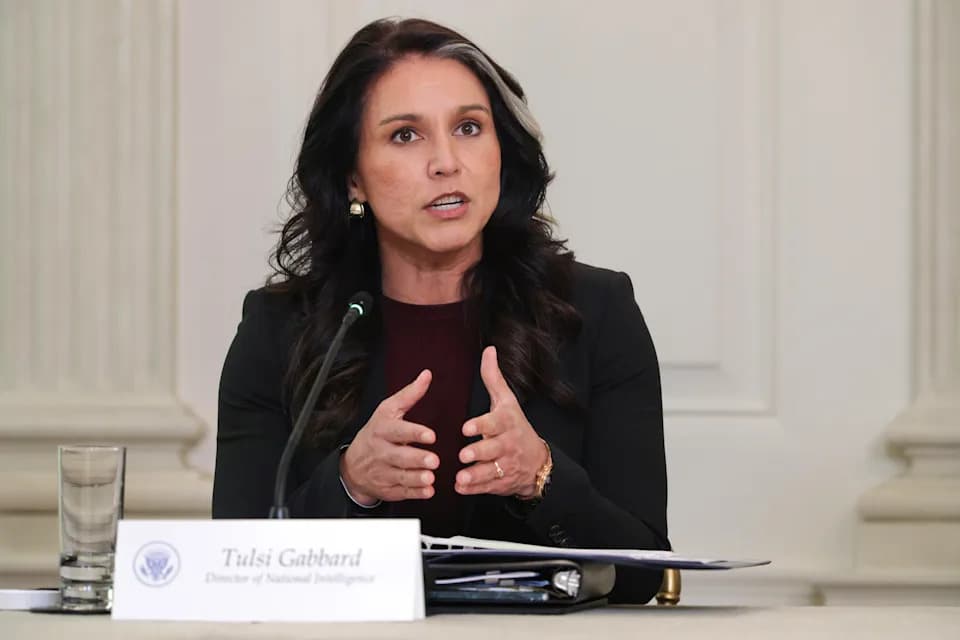
The ODNI also faces questions about focus and impartiality. Reports of partisan appearances or operational disputes — and the public attention they generate — have prompted calls for clearer boundaries between policy, politics, and professional intelligence work. Restoring bipartisan consensus and apolitical leadership would help both DHS and ODNI carry out their missions without the distraction of partisan conflict.
A Two-Part Remedy
First, DHS needs new leadership committed to professional standards, transparency, and rebuilding public trust. Second, Congress must act to reform oversight and operations. To break the current funding stalemate, lawmakers have proposed practical measures: mandatory body cameras for enforcement actions, visible identification for officers, explicit rules governing the use of force, independent investigations of serious incidents, and enhanced reporting on agency spending. These reforms are important steps toward accountability — but the most essential change is for the department to step away from partisan politics and return to a mission-driven, apolitical posture.
We built homeland security institutions by putting country above party. The Bush White House helped develop the initial concept and supported it despite political differences, and lawmakers on both sides worked together to craft the Intelligence Reform Act. Terrorists do not check party registration before they try to kill Americans. That enduring truth should compel Congress and DHS leaders to rise above partisanship once again.
Jane Harman represented California’s 36th District for nine terms, served as ranking member of the House Intelligence Committee after 9/11, chaired the bipartisan Commission on the National Defense Strategy, and is president emerita of the Wilson Center.
Help us improve.