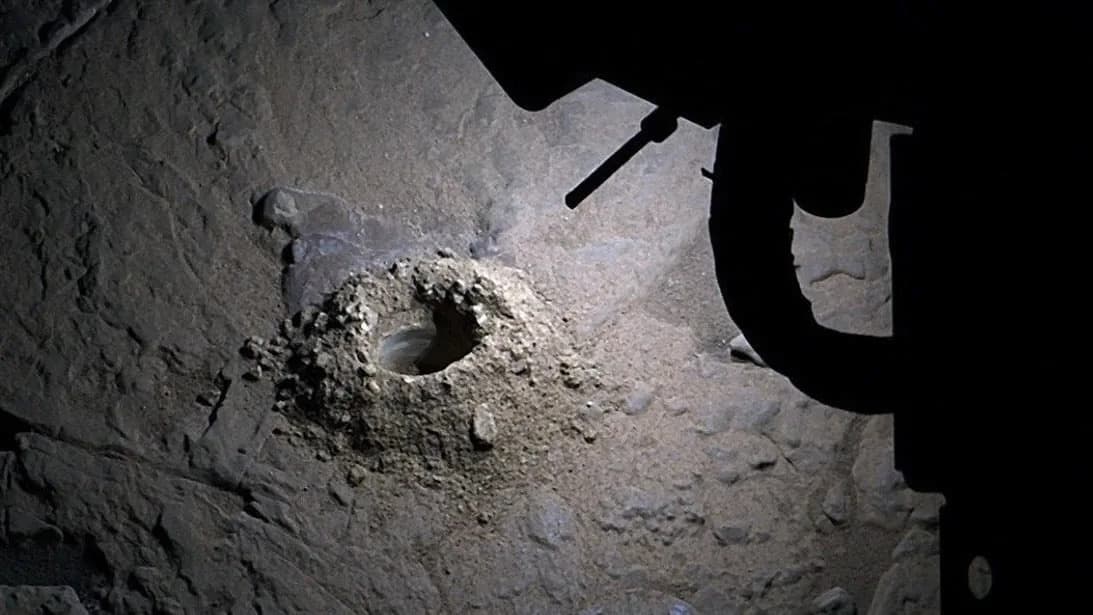
NASA has not set a fixed date for a crewed Mars landing but considers the 2030s a plausible window if key milestones are met. The ISS and Artemis programs are being used to test life-support, crew health and mission systems, while NASA is developing at least six critical technologies for Mars travel. Major hurdles include long transit times (at least seven months one way), extended life-support logistics beyond current ISS standards, and the mass and propulsion challenges of launching and landing crewed hardware.
When Will Humans Land On Mars? NASA Says The 2030s Are Possible — Here's What Needs To Happen
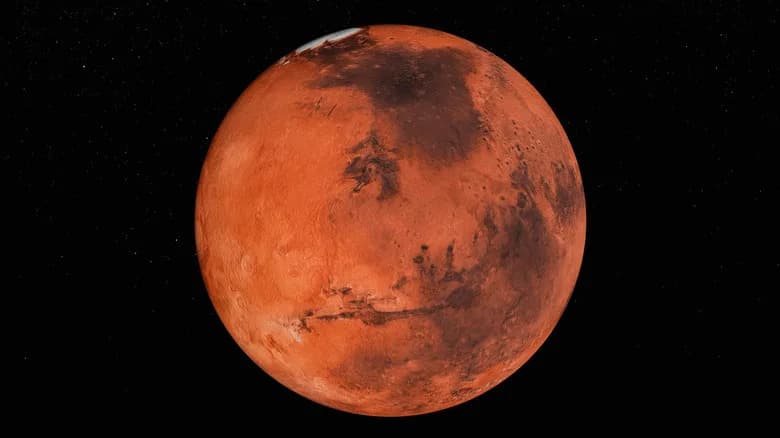
mars sitting on a field of stars - Eyeem Mobile Gmbh/Getty Images
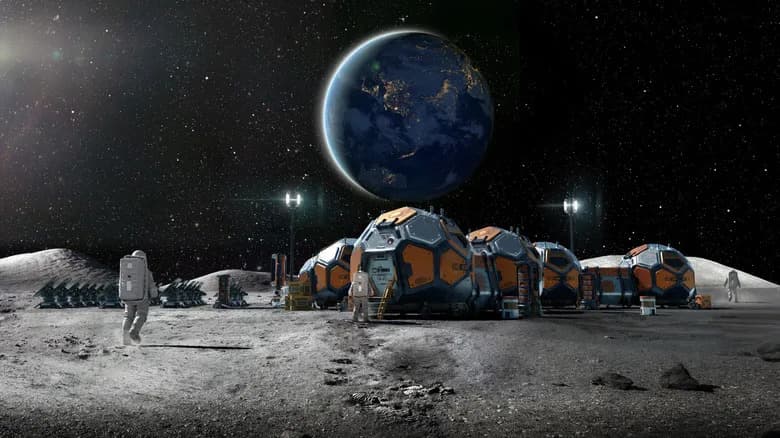
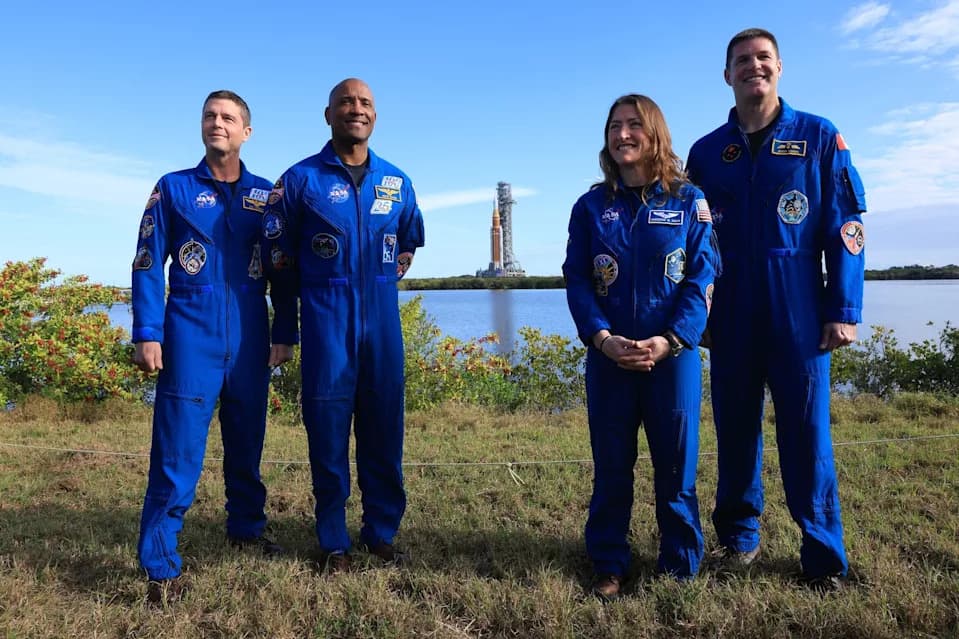
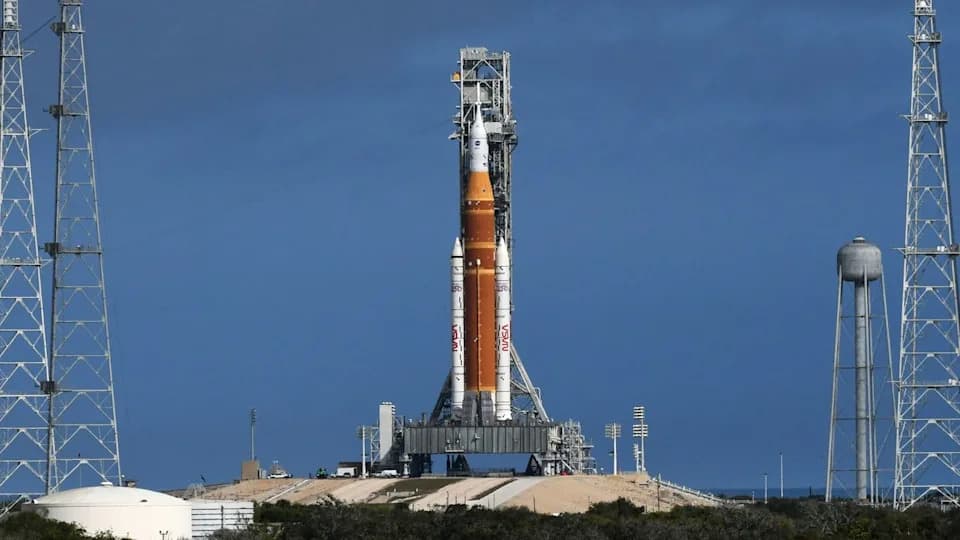
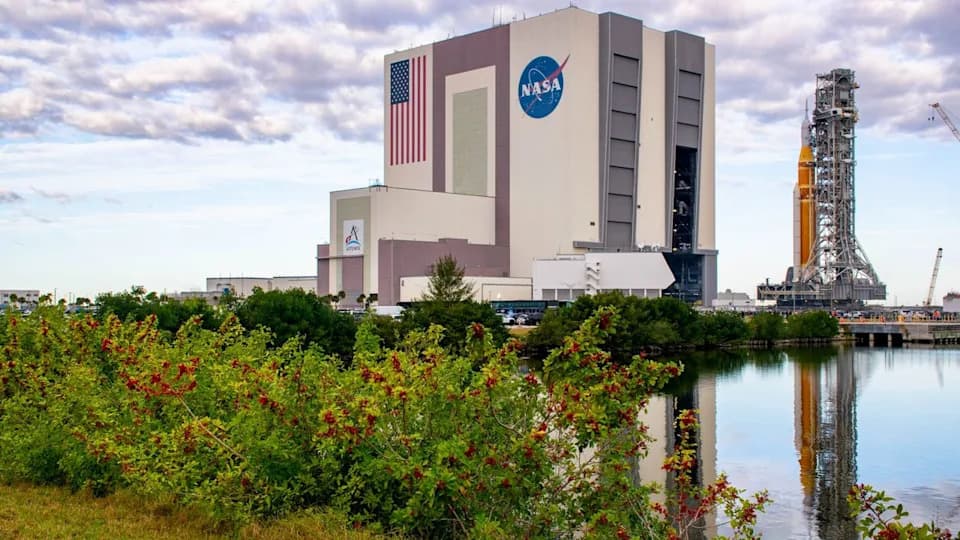
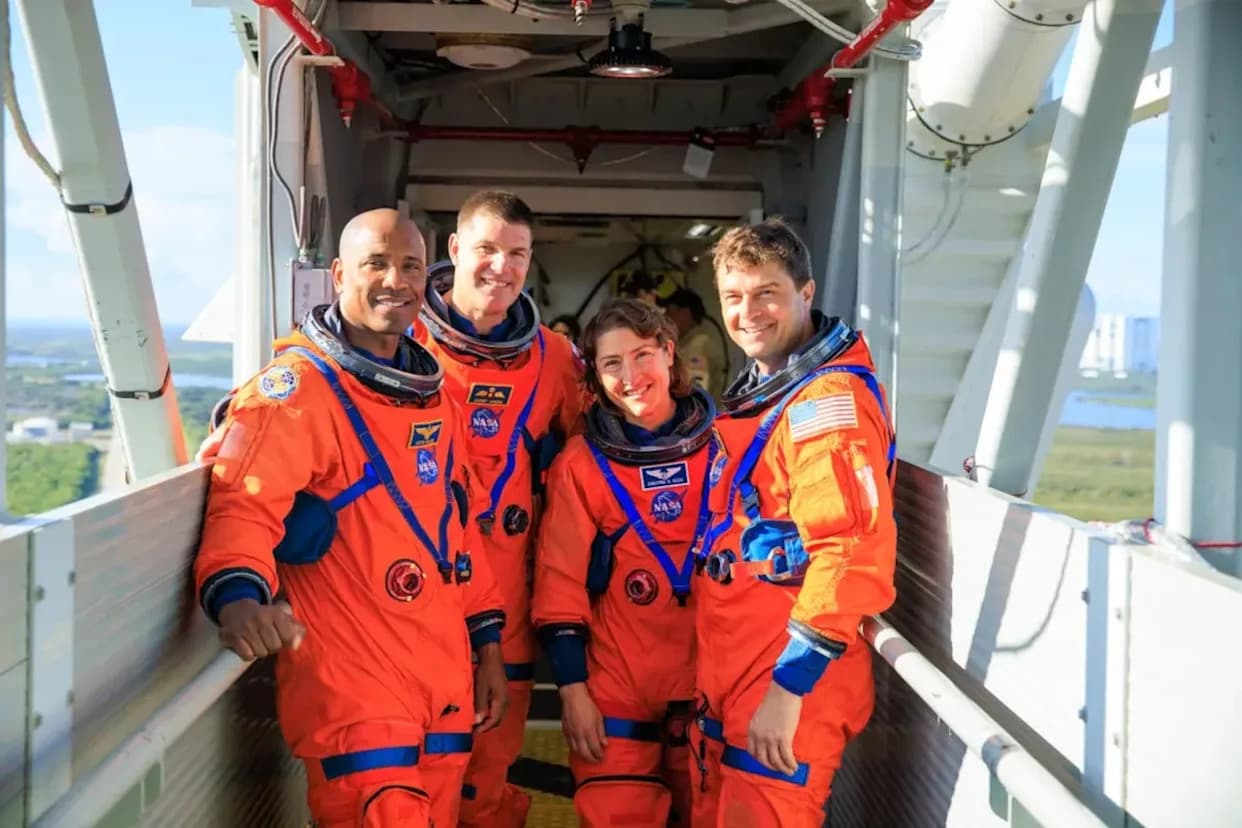
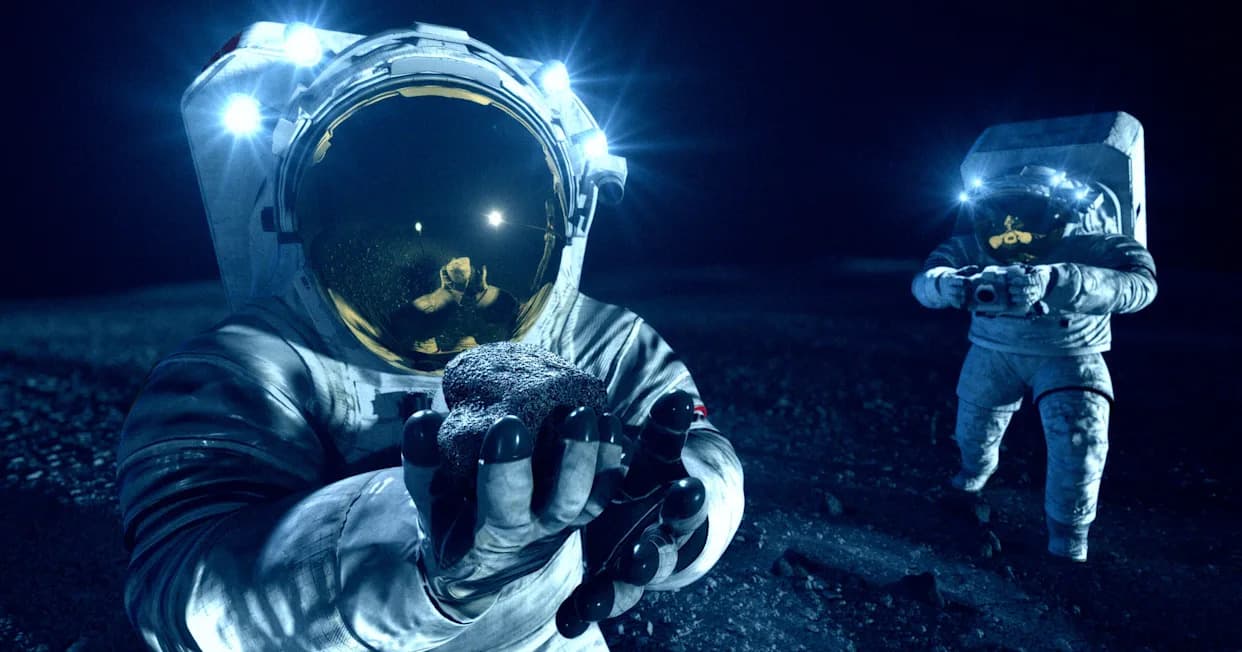
NASA has spent years preparing for one of humanity's most ambitious goals: landing people on Mars. The agency views the International Space Station (ISS) and the Artemis lunar program as practical testbeds for the technologies, crew training and operational procedures needed to sustain humans on another planet.
Why the 2030s?
NASA has not announced a fixed launch date, but it has described the 2030s as a realistic window if a sequence of technical and safety milestones is met. Two major pillars of that roadmap are:
- The ISS — a proving ground for life-support systems, crew health research and long-duration operations.
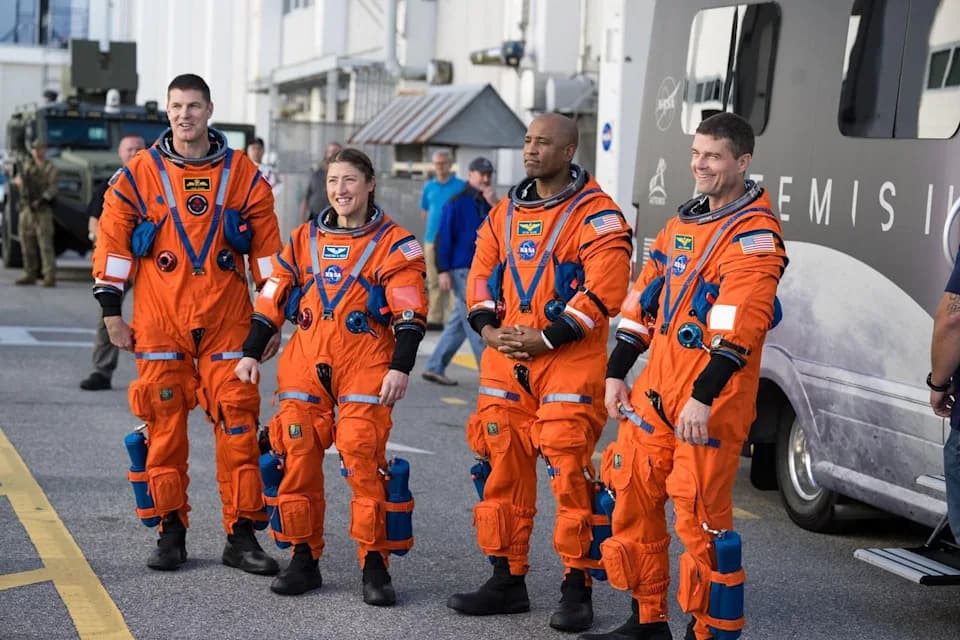
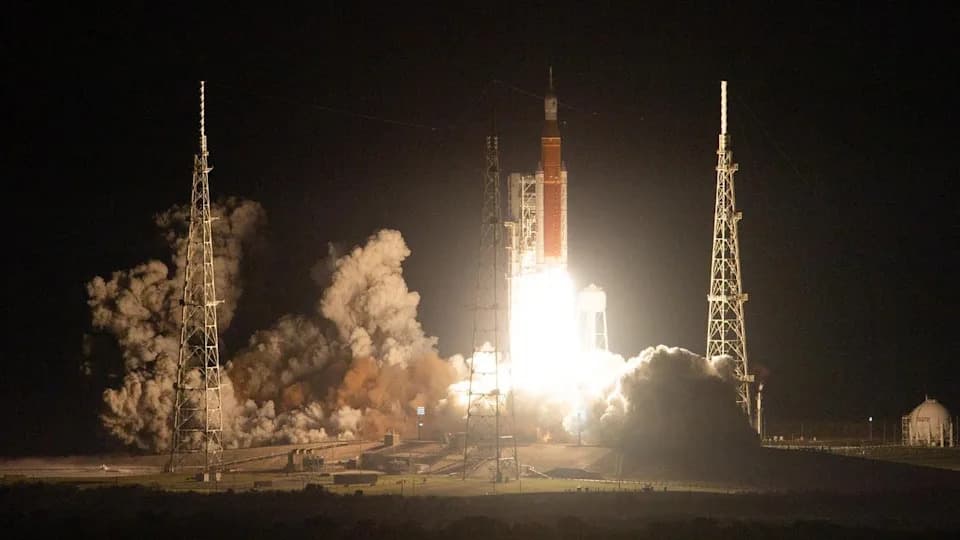
- Artemis lunar missions — missions to test deep-space operations, surface systems and crewed mission architectures in a nearby environment.
Key Challenges
Several hard problems must be solved before a crewed Mars mission can be scheduled with confidence:
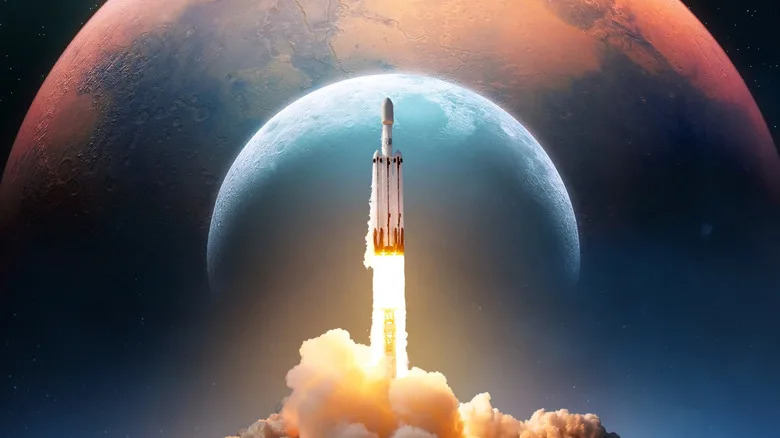
concept of space shuttle taking off, moon and mars visible in the background - Triff/Shutterstock
- Technology Readiness: NASA is developing at least six critical technology areas — advanced propulsion, robust life-support and recycling systems, radiation protection, entry/descent/landing (EDL) systems, long-duration habitats, and reliable deep-space communications and autonomy. Each must reach flight-proven maturity.
- Human Health Risks: Extended low gravity, radiation exposure and the physiological effects of long-duration missions remain significant concerns that ISS research and lunar missions aim to address.
- Transit Time and Logistics: A one-way transit to Mars typically takes at least seven months, excluding time in Mars orbit and surface stay. That requires vastly expanded consumables, storage, recycling and redundancy beyond current ISS practice (the ISS typically keeps around six months of supplies on board).
- Mass and Propulsion Constraints: The fuel and hardware mass needed to escape Earth, cruise to Mars and land crewed vehicles on the surface pose major engineering and cost challenges. Improving propulsion efficiency and staging logistics will be essential.
Robotic and AI Precursors
Before committing humans, NASA and partners may send additional robotic or AI-driven missions to scout landing sites, demonstrate key systems and reduce risk. These precursor missions can accelerate timelines by validating technology and operations remotely.
Context And Timeline
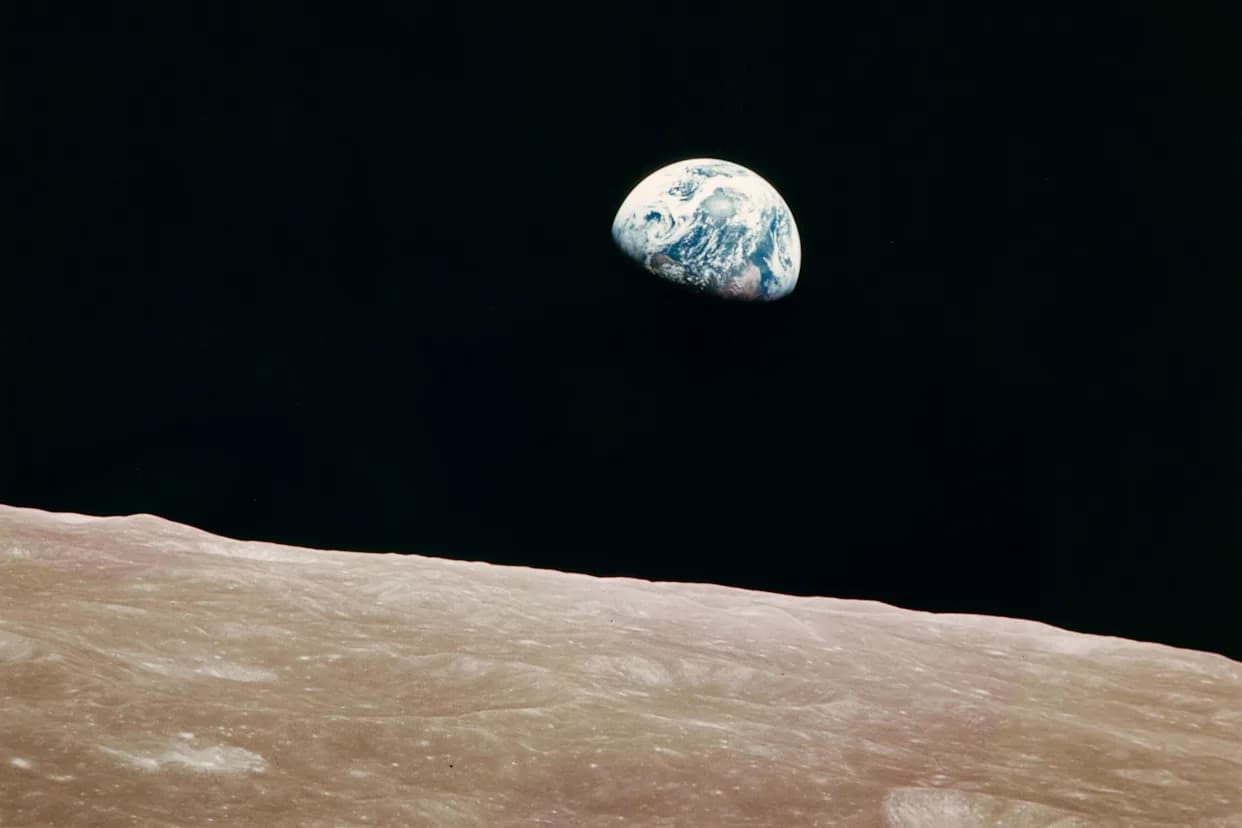
For historical context, the last crewed lunar mission was Apollo 17, which departed the Moon on December 14, 1972. Since then, spacecraft design, safety expectations and mission complexity have evolved significantly, so NASA emphasizes modern testing, validation and safety before any crewed Mars launch is scheduled.
Bottom line: NASA believes humans on Mars within the next 10–15 years is feasible if Artemis, ISS research, and development of the critical technologies proceed on schedule — but the agency will only set a firm launch date once mission safety and system readiness are proven.
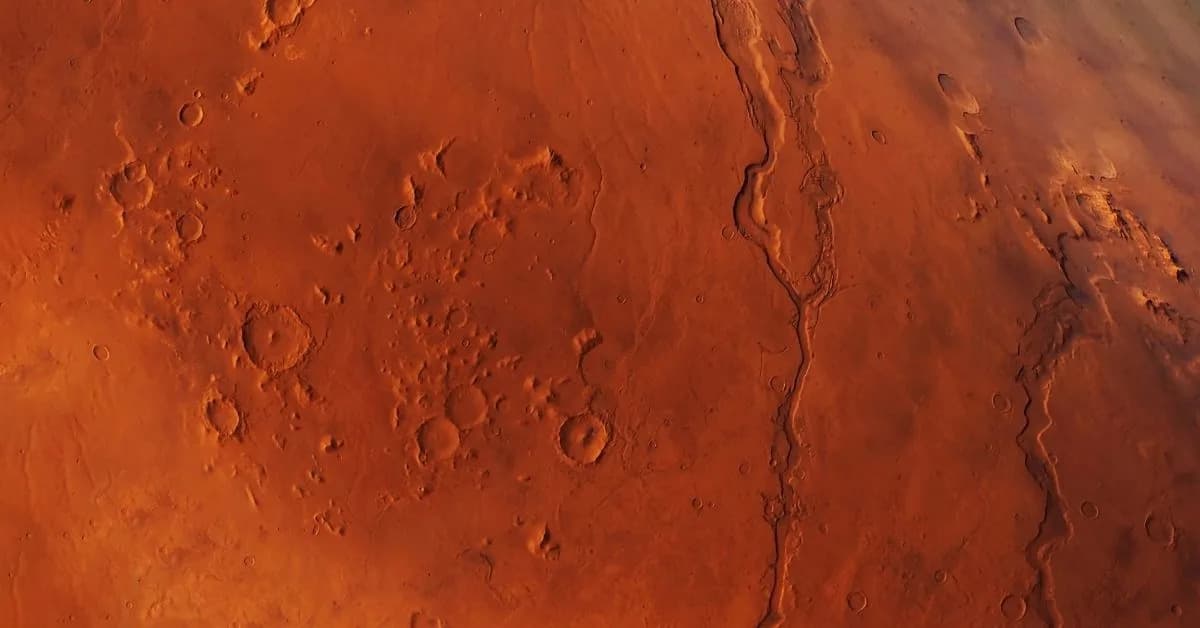
Mars is, on average, roughly 140 million miles (about 225 million kilometers) from Earth — a distance that makes these technical and human challenges both formidable and inspiring.
Help us improve.