NASA launched the Deep Space Food Challenge: Mars to Table on January 13, 2026, asking multidisciplinary teams to design fully integrated food systems capable of sustaining crews on the Moon or Mars. Entries must provide 100% of daily nutrition, limit Earth-supplied food to 50% or less of system mass, and integrate with life-support systems. Up to $750,000 in awards are reserved for U.S. teams; registration is open through July 31, 2026, with final submissions due in August and winners expected in September 2026.
NASA Launches 'Mars to Table' Challenge — Build Earth-Independent Food Systems for Moon and Mars
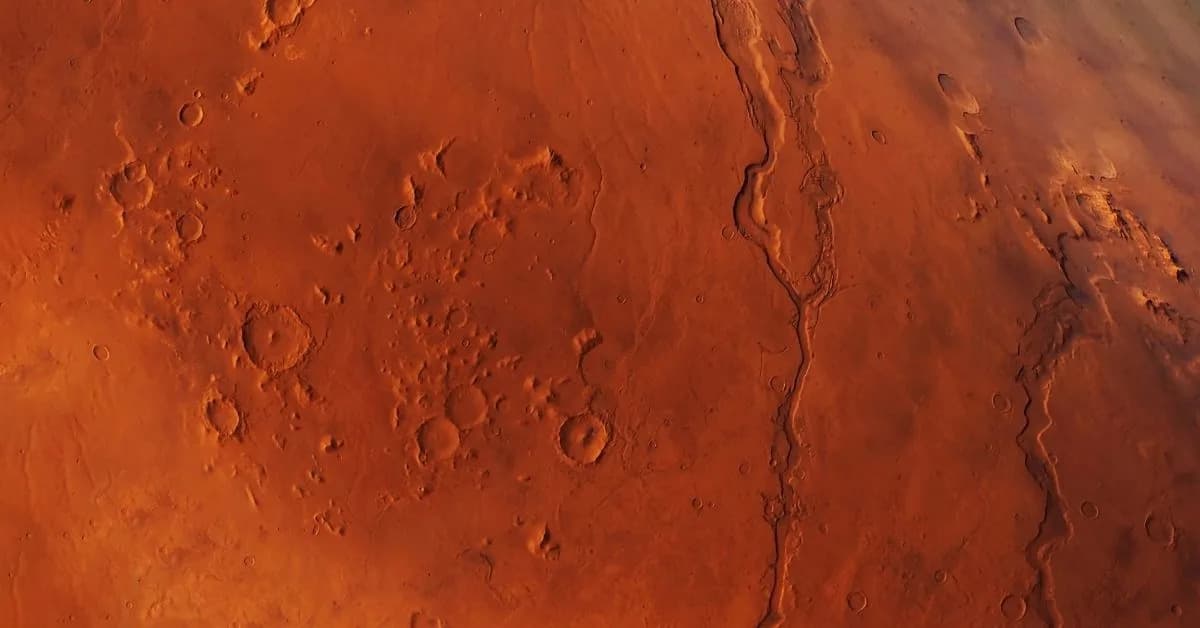
China’s Zhurong Rover Uncovers Ancient Mars Shorelines, Fuels Ocean Theory Image by Artsiom PShutterstock
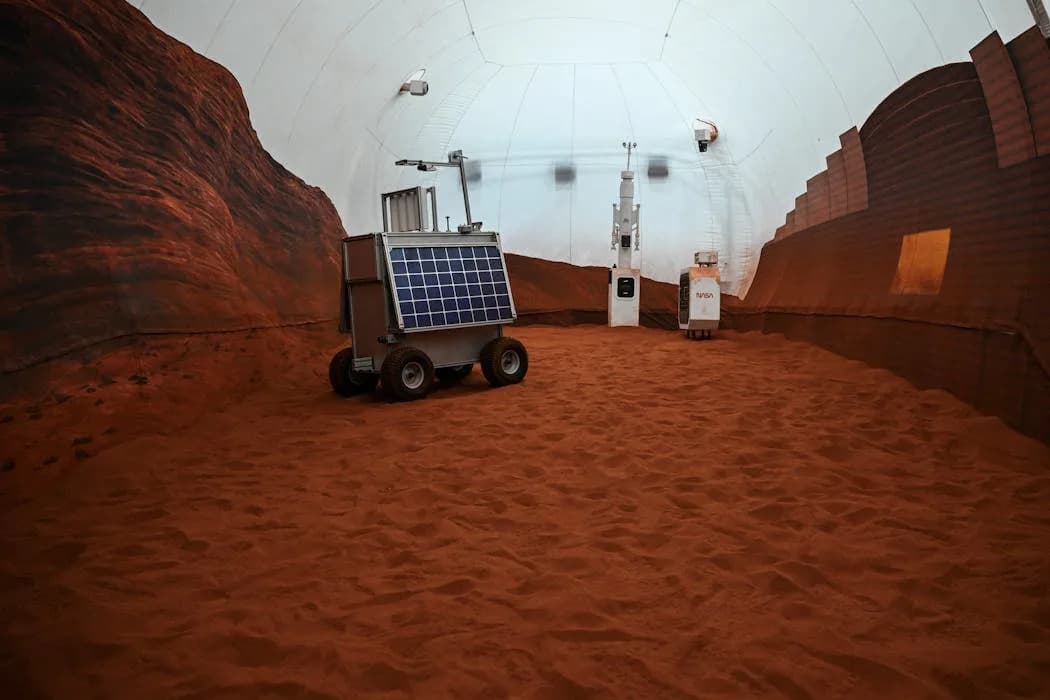
NASA has opened an international competition to tackle one of the biggest challenges for long-duration human spaceflight: creating complete, Earth-independent food systems that could sustain crews on the lunar surface or on Mars.
Overview
The Deep Space Food Challenge: Mars to Table, announced January 13, 2026, invites multidisciplinary teams — including scientists, engineers, food specialists, chefs, students and citizen innovators — to design integrated food systems that meet all dietary and operational needs for long-term planetary missions.
What NASA Is Asking For
Competitors must propose end-to-end systems that cover every stage of the food life cycle: production, processing, preparation, storage and waste management. Key technical requirements include:
- Provide 100% of daily nutritional needs for crew members.
- Operate as an integrated, end-to-end system rather than disparate components.
- Limit Earth-provided food to no more than 50% of total system mass.
- Integrate with life-support systems to maximize reuse, efficiency and closed-loop operation.
- Address not only calories and nutrients but also taste, variety, safety, crew morale and operational usability under extreme constraints.
"In the future, exploration missions will grow in both duration and distance from Earth. This will make the critical question of feeding our astronauts more complex," said Greg Stover, acting associate administrator of NASA’s Space Technology Mission Directorate.
Prizes, Eligibility and Timeline
NASA has allocated up to $750,000 in awards for U.S. teams: $300,000 for first place, $200,000 for second, $100,000 for third, plus category awards of $50,000 each for specific accomplishments. International teams may compete and receive recognition, but monetary prizes are limited to U.S. entrants.
- Registration opened January 13, 2026 and closes July 31, 2026.
- Teams are expected to develop concepts over roughly seven months, with intermediate deliverables due in May 2026 and final submissions due in August 2026.
- Winners are anticipated to be announced in September 2026.
Why This Matters
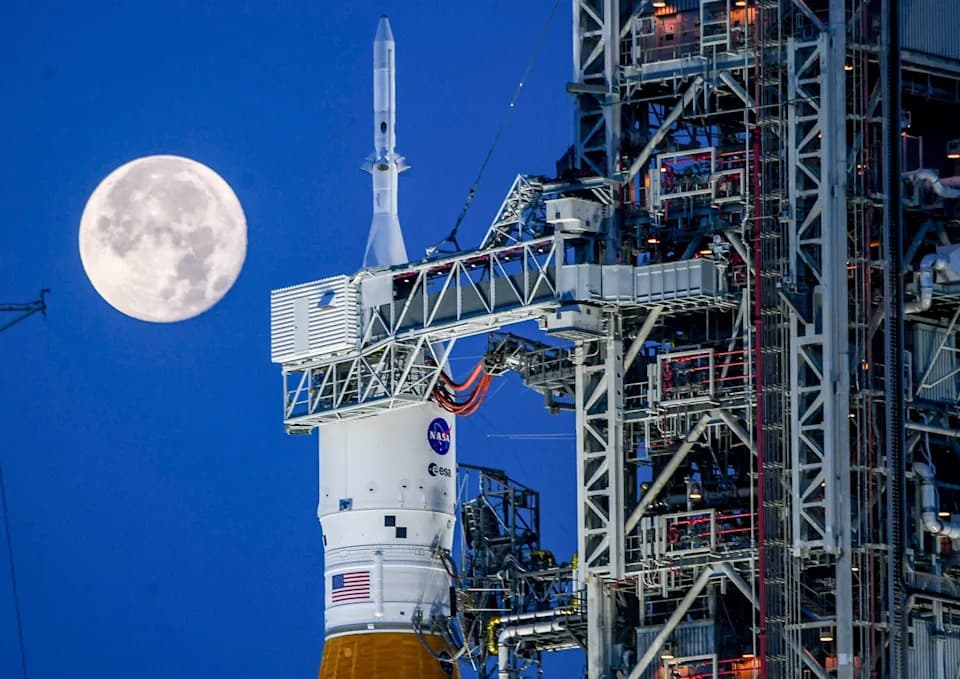
NASA frames the challenge as a mindset shift: treating food as mission-critical infrastructure instead of cargo. Beyond enabling sustained human presence on the Moon and Mars under the Artemis Moon-to-Mars strategy, technologies developed here could improve food resilience on Earth — for disaster response, remote research stations, military operations and communities with fragile supply chains.
"This challenge isn’t just about feeding astronauts; it’s about feeding people anywhere," said Jennifer Edmunson, acting program manager for NASA’s Centennial Challenges.
How To Learn More
Teams interested in participating should consult NASA’s official challenge page for registration details, submission requirements and technical guidance. The Mars to Table Challenge represents a practical step toward sustained, long-range human exploration and spurs innovations with clear terrestrial benefit.
Help us improve.