Acting President Delcy Rodríguez used her first state-of-the-union address to propose oil-sector reforms aimed at attracting foreign investment and generating revenue for health care, economic recovery and infrastructure. She pledged to channel foreign oil income into two dedicated funds while calling for diplomacy with the U.S., even as she criticized Washington. Rodríguez must balance pressure from the U.S. and powerful Maduro loyalists while governing under a renewable 90-day acting mandate.
Acting Venezuelan President Proposes Oil-Reform Plan To Attract Foreign Investment
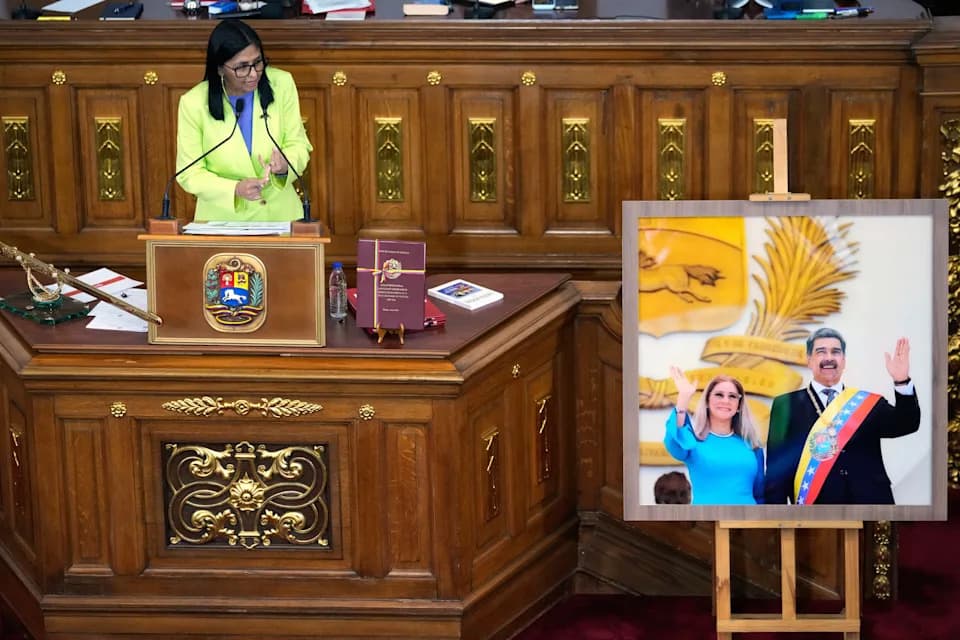
Venezuela's acting President Delcy Rodriguez addresses lawmakers next to a picture of former President Nicolas Maduro and his wife Cilia Flores, at the National Assembly in Caracas, Venezuela, Thursday, Jan. 15, 2026. (AP Photo/Ariana Cubillos)(ASSOCIATED PRESS)
Acting President Delcy Rodríguez used her first state-of-the-union address to outline a plan of oil-sector reforms designed to attract foreign investment and free up revenues to address Venezuela's deepening humanitarian and infrastructure crises. Rodríguez—who was granted acting presidential powers by Venezuela's high court under a 90-day renewable provision—said proceeds from foreign oil sales would be split into two dedicated funds for social services and for economic development and infrastructure.
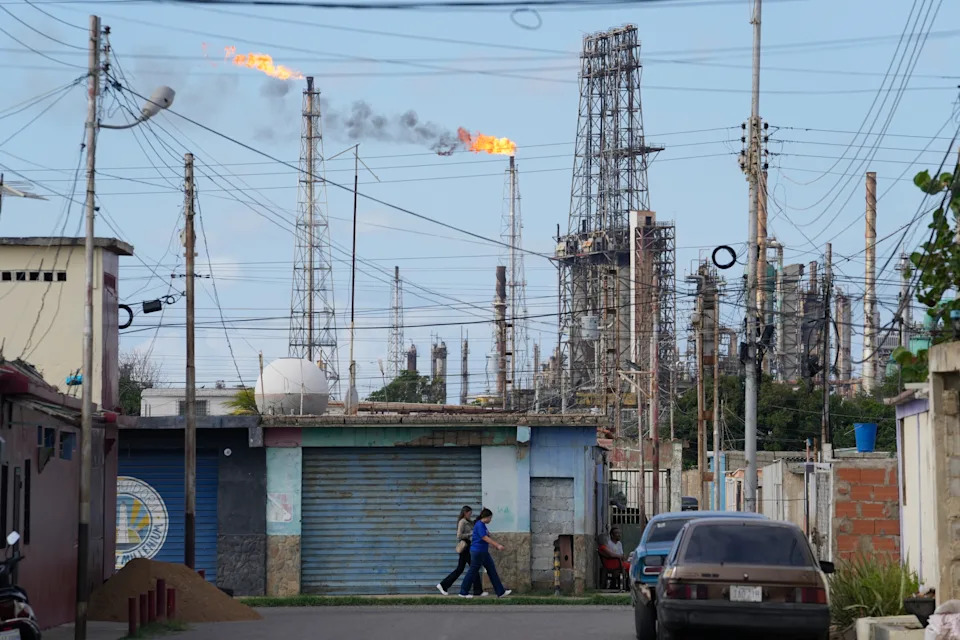
Flames rise from flare stacks at the Amuay refinery in Los Taques, Venezuela, Wednesday, Jan. 14, 2026. (AP Photo/Matias Delacroix)(ASSOCIATED PRESS)
Policy Pitch and Political Tightrope
While Rodríguez sharply criticized the Trump administration and said there remains a "stain on our relations," she also signaled a more pragmatic, diplomatic approach than some predecessors have taken toward the United States. Her speech reflected a delicate balancing act: answering pressure from Washington to cooperate on oil and sanctions while managing powerful Venezuelan loyalists who control the country's security forces and oppose U.S. influence.
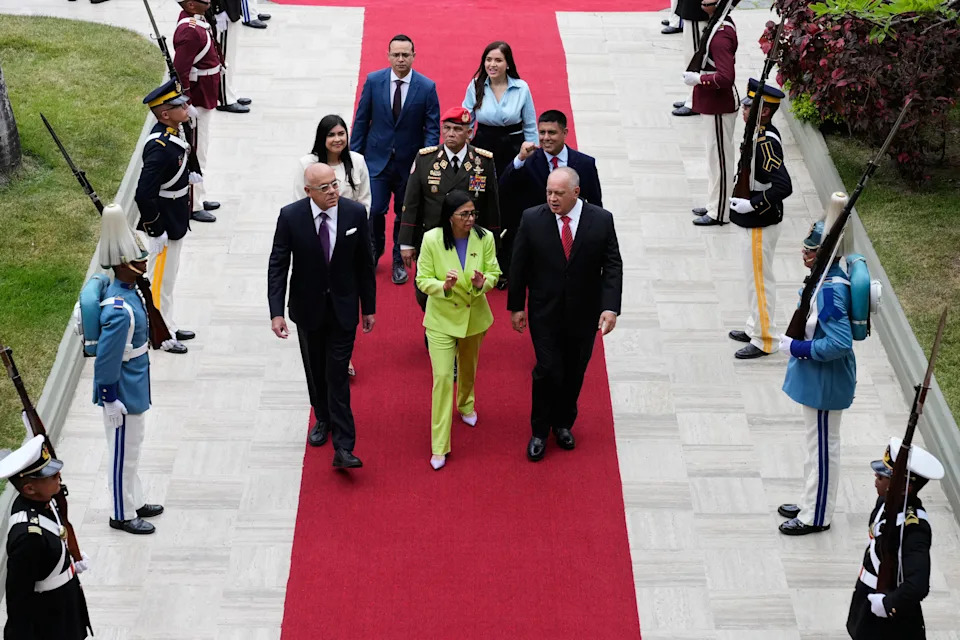
Venezuela's acting President Delcy Rodriguez, center, her brother National Assembly President, Jorge Rodriguez, left, and Interior Minister Diosdado Cabello arrive at the National Assembly in Caracas, Venezuela, Thursday, Jan. 15, 2026. (AP Photo/Ariana Cubillos)(ASSOCIATED PRESS)
"Let us not be afraid of diplomacy," Rodríguez said, acknowledging the competing pressures she faces.
How Revenues Would Be Used
Rodríguez said foreign oil income would be placed into two funds: one dedicated to social services, including salaries for workers and medical care, and another targeting economic recovery and infrastructure projects. She framed the proposal as an urgent step to shore up healthcare facilities battered by years of neglect—where patients increasingly must bring their own supplies—and to stem further migration driven by economic collapse.
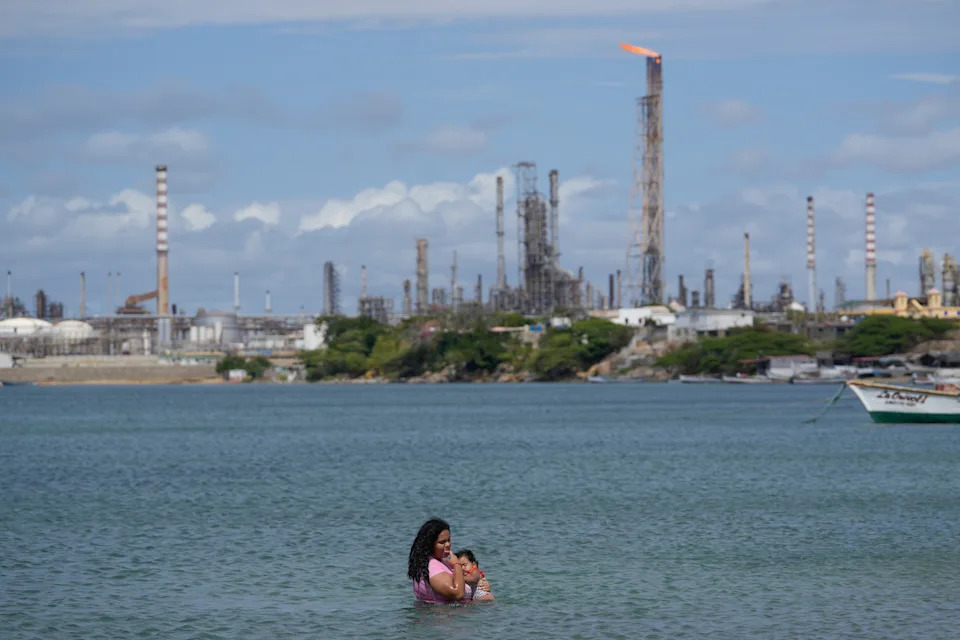
Ceylis Mendez and her daughter Zoe cool off in the Gulf of Venezuela in front of the Cardon oil refinery off the shore of Punta Cardon, Venezuela, Wednesday, Jan. 14, 2026. (AP Photo/Matias Delacroix)(ASSOCIATED PRESS)
Political Context And U.S. Relations
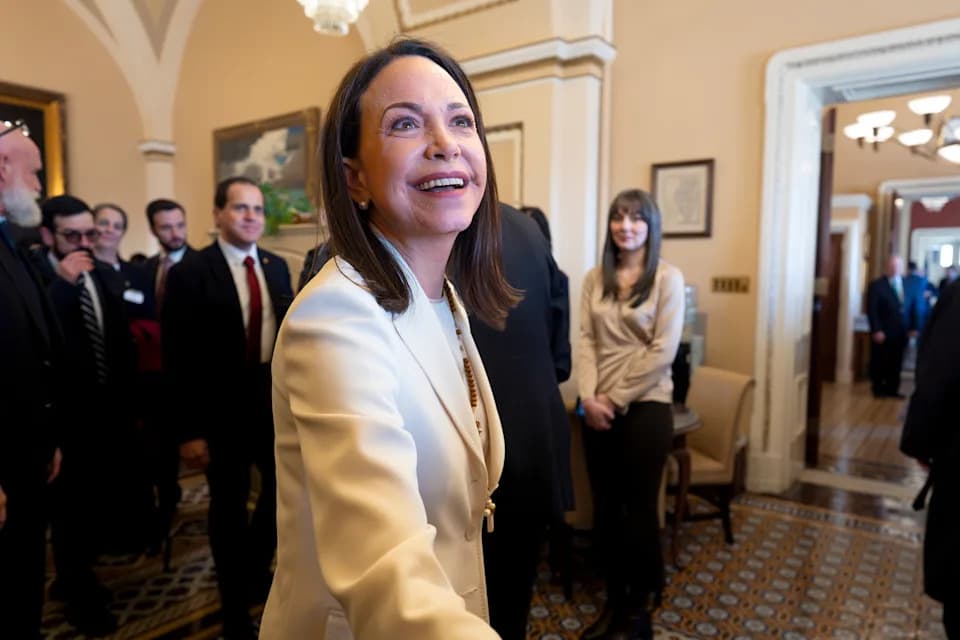
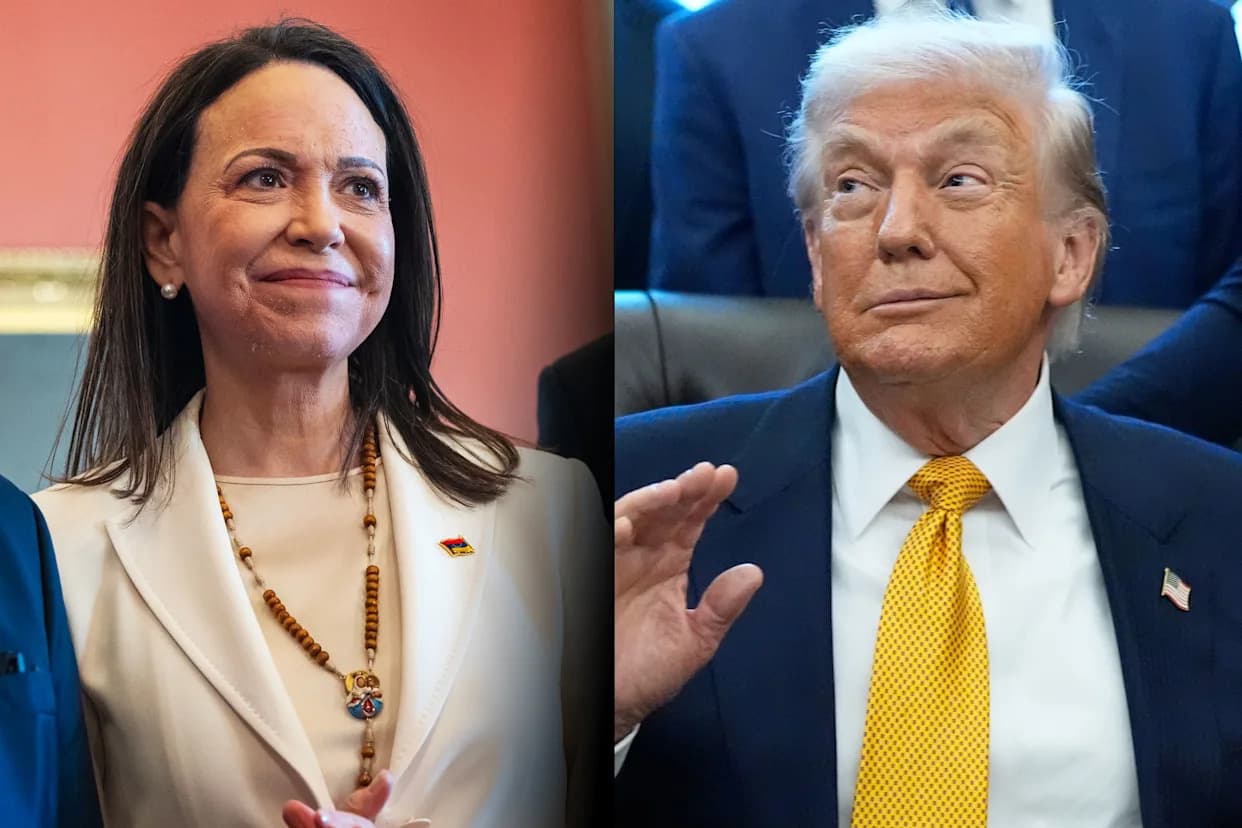
The address came after Rodríguez announced her government would continue releasing prisoners detained under Nicolás Maduro, describing the actions as part of "a new political moment" since his ouster. President Trump met at the White House with opposition leader María Corina Machado, whose party is widely seen as having won the contested 2024 elections; however, by endorsing Rodríguez—Maduro's former vice president—Washington has effectively sidelined Machado.
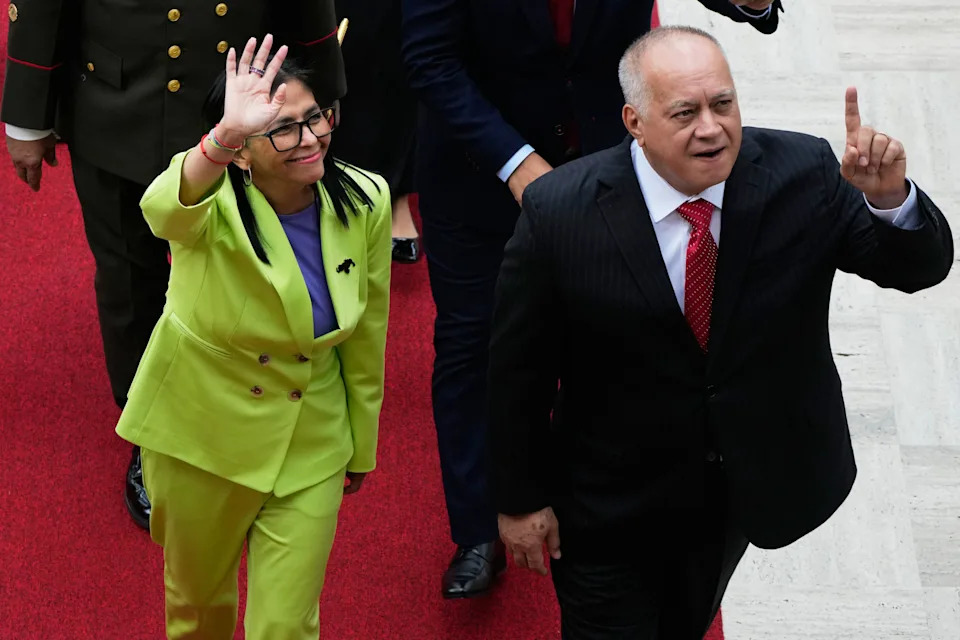
Venezuela's acting President Delcy Rodriguez, left, and Interior Minister Diosdado Cabello arrive at the National Assembly in Caracas, Venezuela, Thursday, Jan. 15, 2026. (AP Photo/Ariana Cubillos)(ASSOCIATED PRESS)
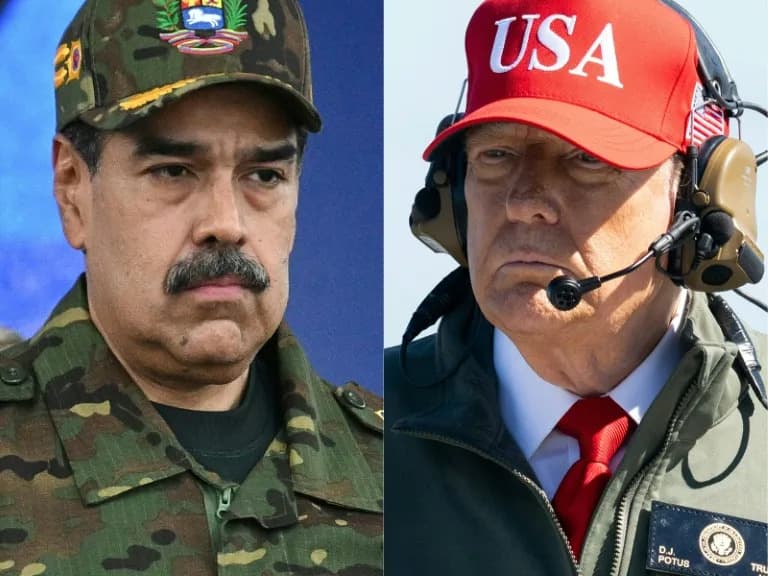
The Trump administration previously sanctioned Rodríguez for alleged human rights violations, yet has pressed her to help secure oversight of Venezuela's oil sales. According to reporting from the address period, Trump warned Rodríguez that failure to cooperate could produce consequences he called "probably worse than Maduro." Meanwhile, Maduro is being held in a Brooklyn jail and has pleaded not guilty to drug-trafficking charges.
Public Reaction And Outlook
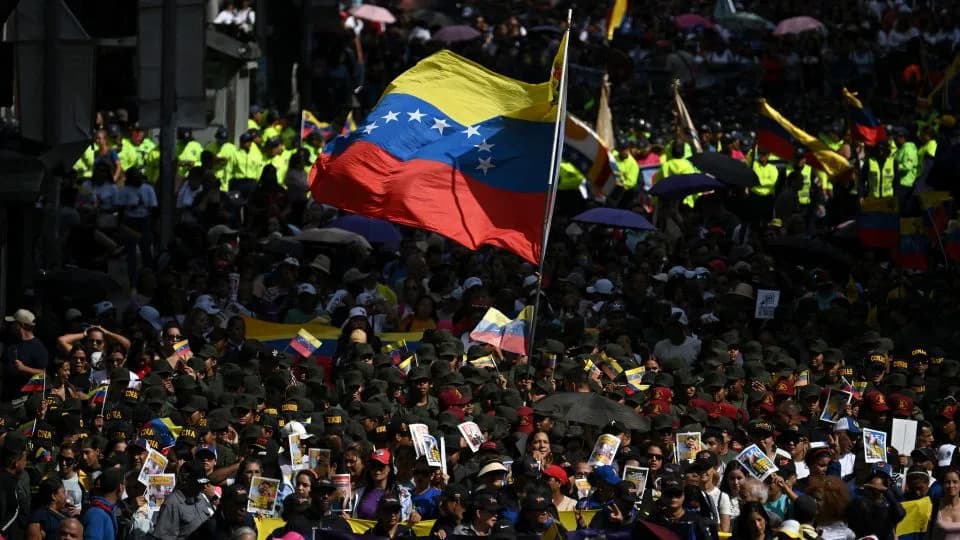
Before Rodríguez spoke, government supporters were allowed into the presidential palace to chant in support of Maduro, whom the interim government insists remains the country's president. Analysts say Rodríguez's immediate challenge will be translating diplomatic overtures into concrete deals that yield revenue while retaining enough domestic backing to govern during the acting period.
What’s next: Rodríguez has a renewable 90-day window under the court ruling to consolidate authority, negotiate with foreign partners, and demonstrate that oil reforms can deliver tangible relief to Venezuelans amid deep political uncertainty.
Help us improve.