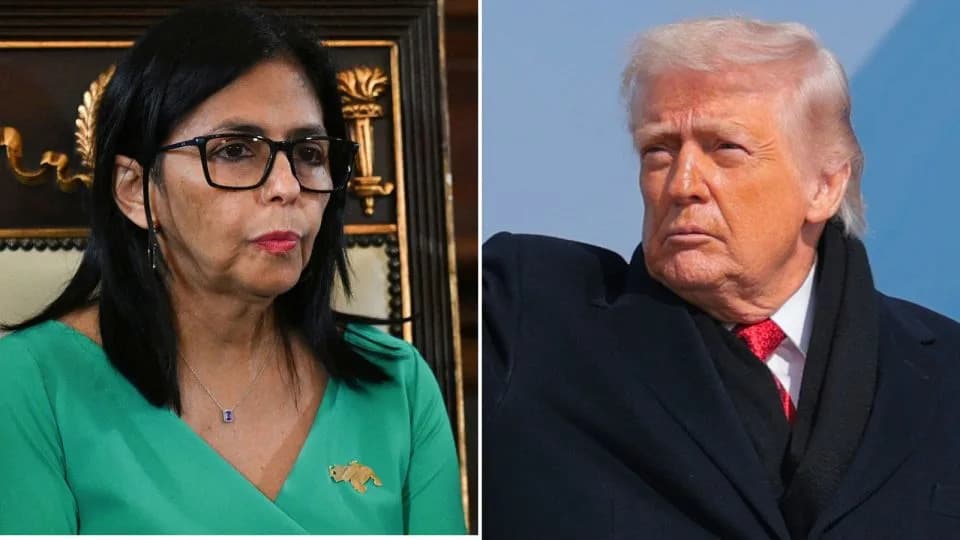
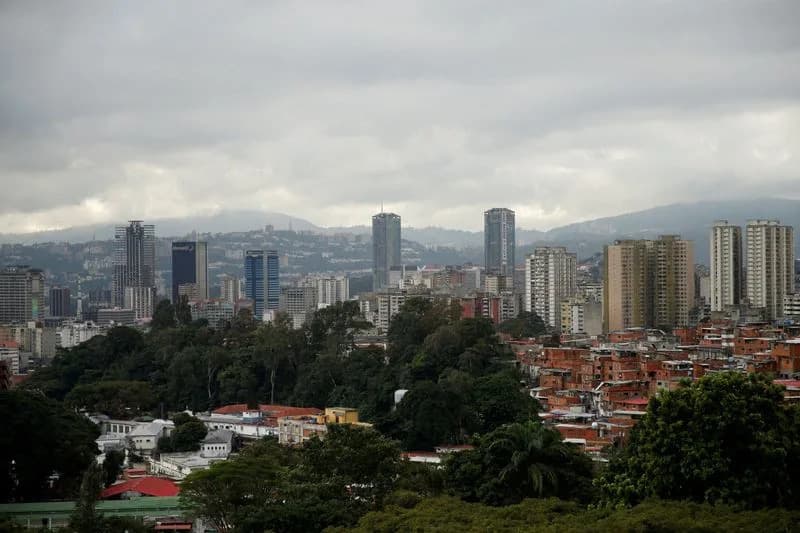
Delcy Rodríguez, Venezuela's interim president, is expected to visit the United States soon, according to a senior U.S. official. If confirmed, the trip would be the first bilateral visit by a sitting Venezuelan president to Washington in more than 25 years. Rodríguez — still under U.S. sanctions — has reshuffled the military, permitted U.S.-brokered oil sales and overseen the release of political prisoners, moves that have stirred both domestic opposition and international debate. Activists demand full amnesty and fresh elections as a condition for lasting normalization.
Delcy Rodríguez to Visit Washington — A Major Shift in U.S.-Venezuela Relations
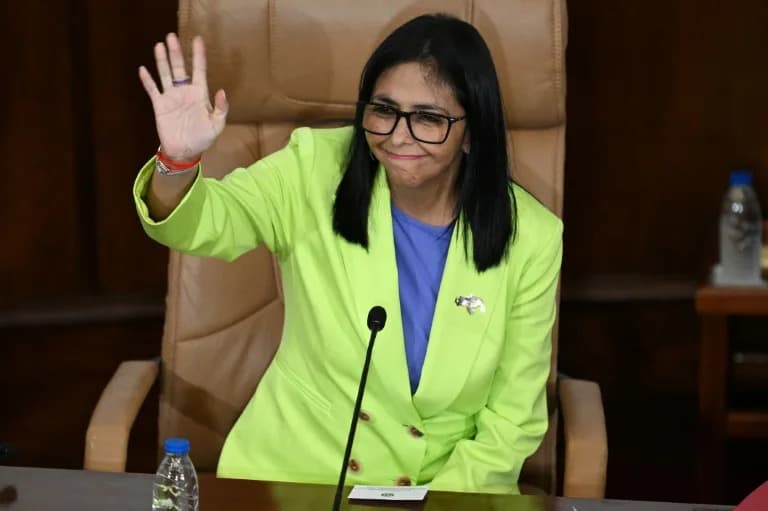
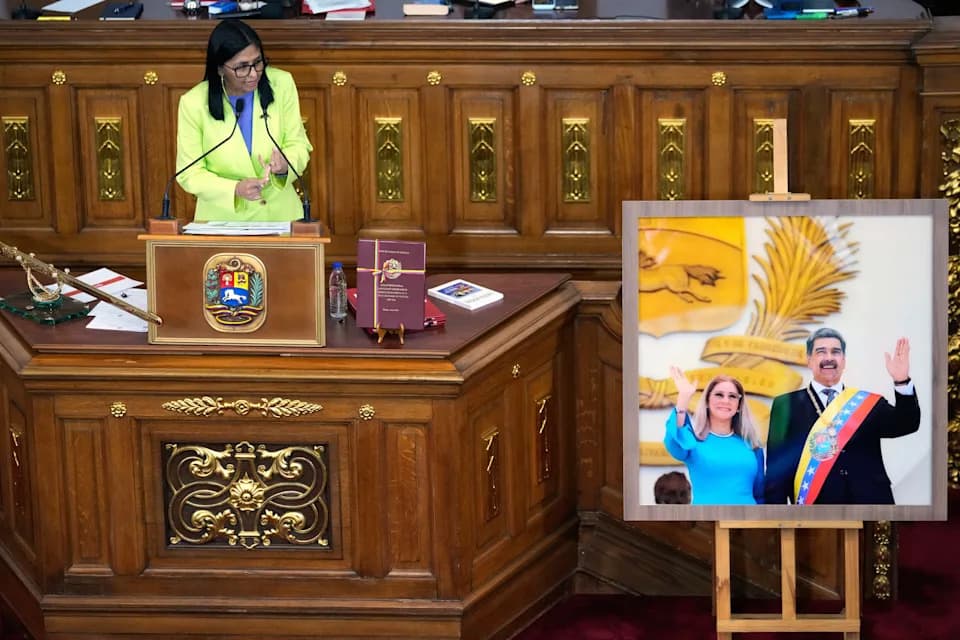
Delcy Rodríguez has acted as Venezuelan president since the US military ousted leader Nicolas Maduro (Federico PARRA)(Federico PARRA/AFP/AFP)
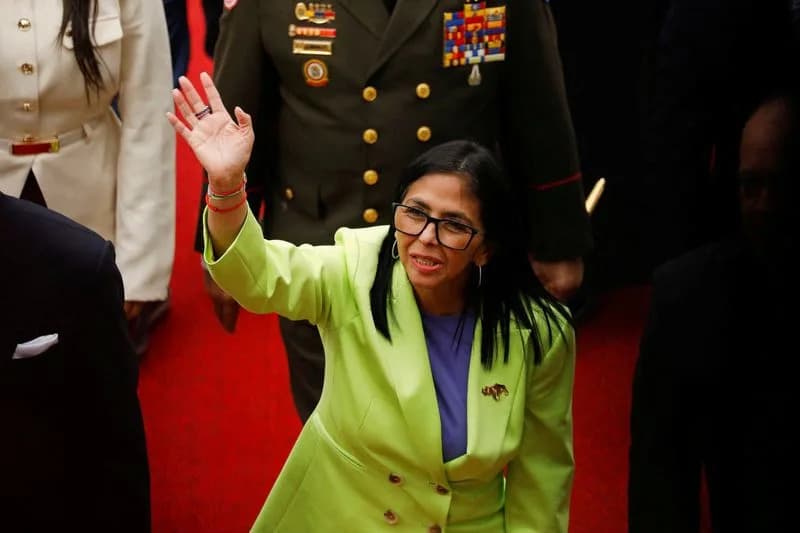
A senior U.S. official said Wednesday that Venezuela's interim president, Delcy Rodríguez, is expected to travel to the United States soon — a development that would mark a dramatic thaw in relations between Washington and Caracas if confirmed.
Rodríguez, who previously served as vice president in Nicolas Maduro's government and remains subject to U.S. sanctions including an asset freeze, has undertaken a series of political and security moves since assuming the interim presidency.
“We are in a process of dialogue, of working with the United States, without any fear, to confront our differences and difficulties...and to address them through diplomacy,” Rodríguez said Wednesday.
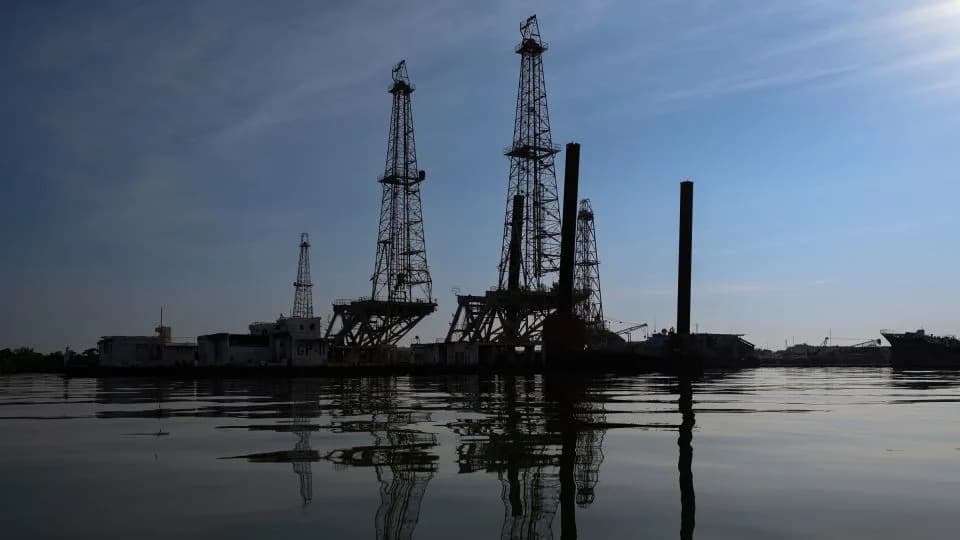
On the same day she began a reorganization of the military command, appointing 12 senior officers to regional posts. Reports also say she has allowed U.S.-brokered sales of Venezuelan oil, encouraged limited foreign investment and approved the release of dozens of political prisoners. A senior White House official confirmed a visit is planned but did not announce dates.
The invitation follows highly contentious events and reports earlier this year that alleged U.S. special operations activity in Caracas; these accounts remain disputed and have not been independently verified. Still, the prospect of a bilateral presidential visit to Washington would be notable: the last such trip by a sitting Venezuelan president occurred in the 1990s, before Hugo Chávez took office.
Domestic Risks and International Calculations
Rodríguez's outreach to Washington has provoked friction within Venezuela's ruling circle. Interior Minister Diosdado Cabello and Defense Minister Vladimir Padrino López remain influential figures whose support cannot be assumed. On his weekly state broadcast, Cabello denied reports that he had met U.S. officials before Maduro's ouster, calling such stories a campaign against him.
“It's a campaign. They say, 'Diosdado met with the United States'...I haven't met with anyone,” Cabello said.
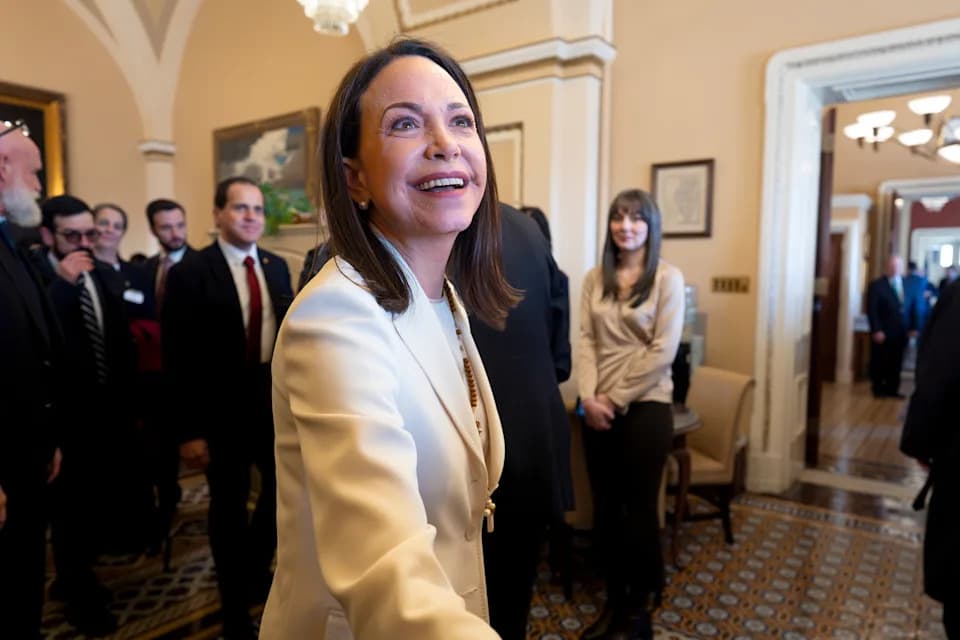
From Washington's perspective, analysts say access to Venezuela's vast oil reserves is an important incentive for engagement. The Trump administration has hosted exiled opposition leader Maria Corina Machado at the White House and signaled openness to some opposition inclusion in a transition process.
Some commentators argue the administration prefers calibrated diplomacy over a large-scale military intervention, citing the costly aftermath of past regime-change operations elsewhere. “Those kinds of intervention operations — and the deployment of troops for stabilization — have always ended very badly,” said Benigno Alarcón, a political analyst at Universidad Católica Andrés Bello in Caracas.
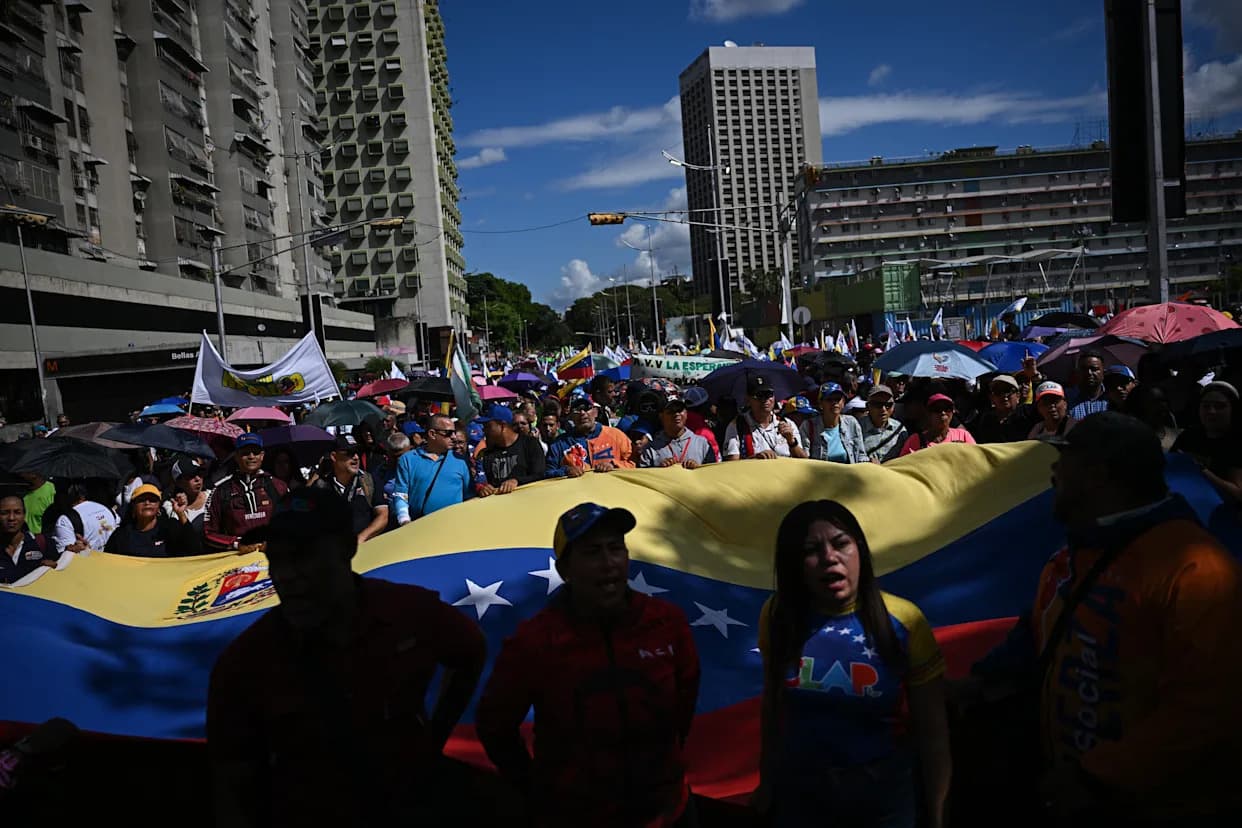
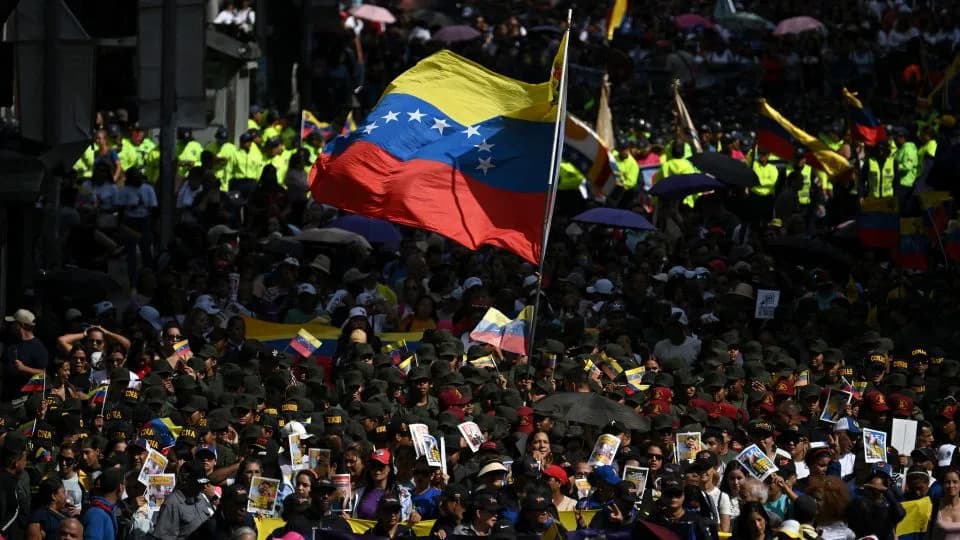
Democracy activists and human-rights groups, however, have criticized the U.S. approach as too permissive. They insist that all political prisoners be freed, amnesty granted and genuinely free elections held as preconditions for normalization.
For now, many key details remain unsettled: Venezuelan authorities have not formally confirmed the trip, and U.S. officials have not announced a date. If the visit occurs, it will be a significant diplomatic milestone with uncertain consequences for Venezuela's fragile political balance.
Help us improve.