Delcy Rodríguez, Venezuela's acting president, said she has "enough" of Washington's directives as she seeks to unite the country after the U.S. seizure and transfer of Nicolás Maduro. Nearly a month into her interim role, Rodríguez has pushed back against U.S. pressure — including demands to resume oil production and cut ties with several foreign partners. Venezuela remains divided among Maduro loyalists, opposition groups and dissident Chavistas, complicating Rodríguez's effort to secure domestic stability while navigating U.S. expectations.
Delcy Rodríguez Says 'Enough' to Washington's Orders as U.S. Pushes Venezuela on Oil
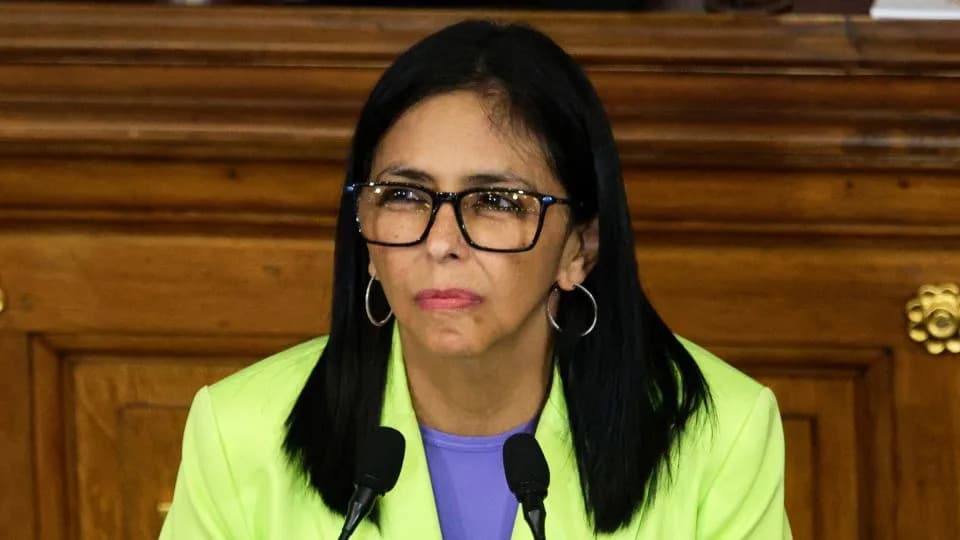
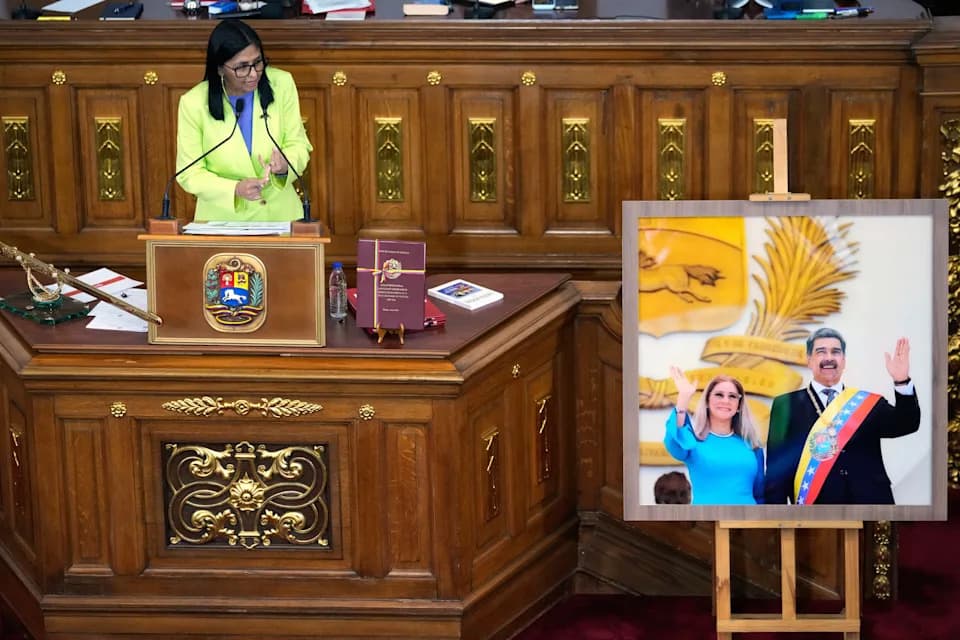
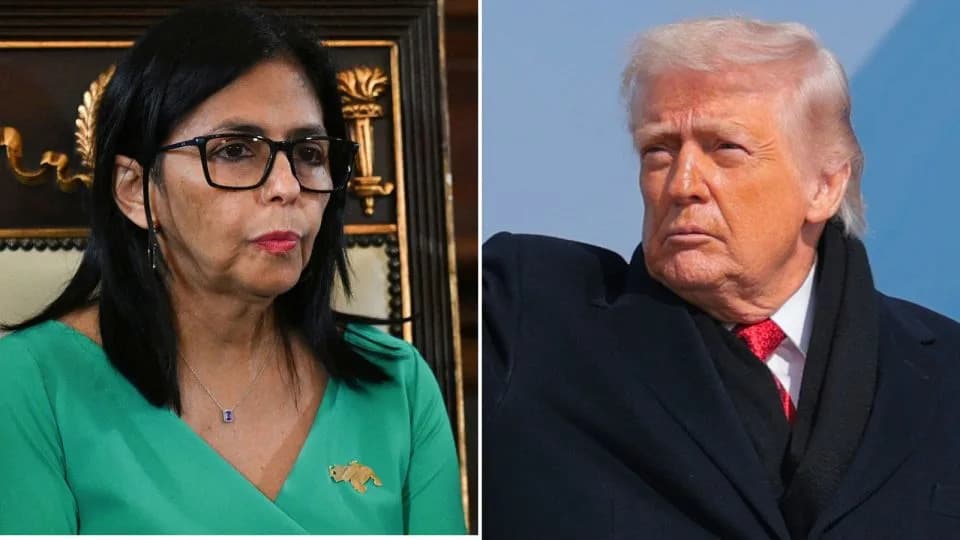
Venezuela's interim president Delcy Rodríguez looks on during the delivery of the first year's government report at Palacio Federal Legislativo on January 15, in Caracas, Venezuela. - Jesus Vargas/Getty Images
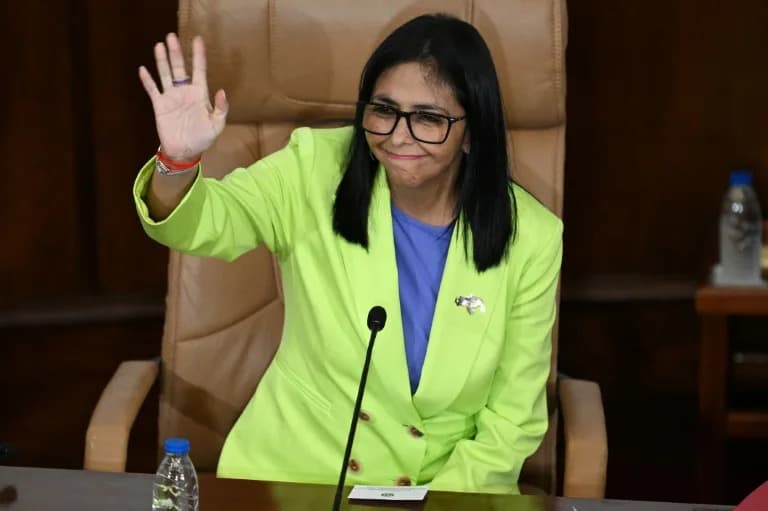
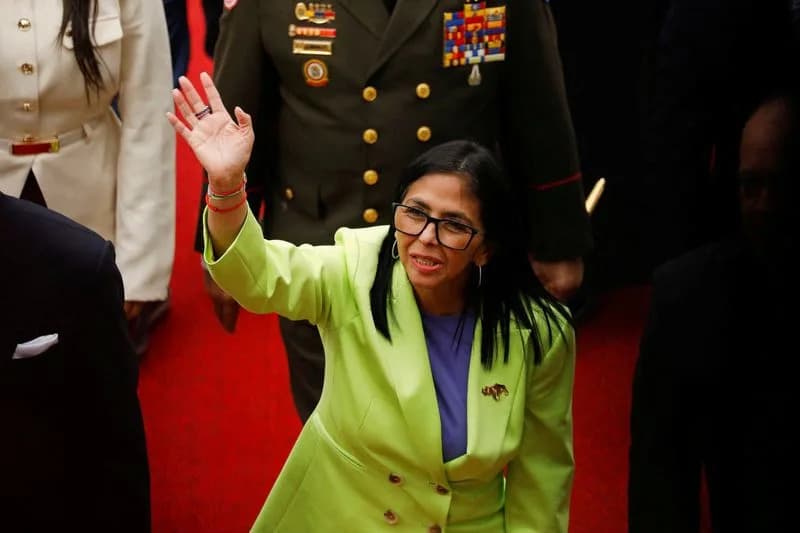
Caracas, Venezuela — Venezuela's acting president, Delcy Rodríguez, said she has had "enough" of orders from Washington as she seeks to unify the country following the U.S. seizure and transfer of former leader Nicolás Maduro to the United States.
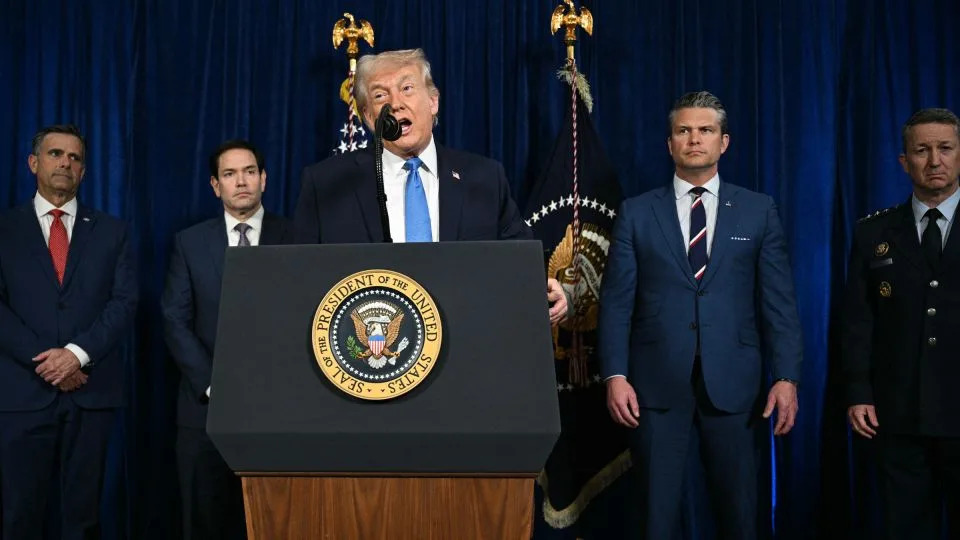
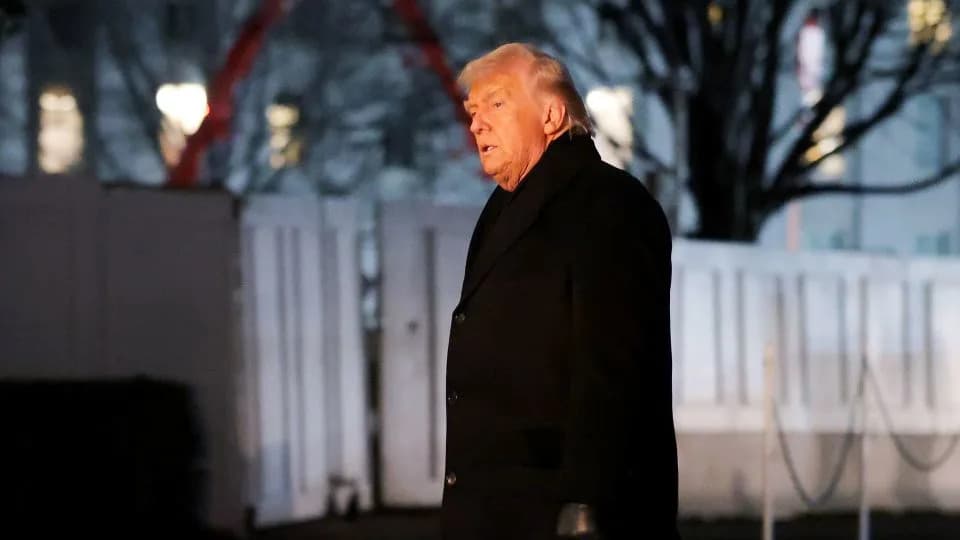
US President Donald Trump speaks to the press following US military actions in Venezuela, at his Mar-a-Lago residence in Palm Beach, Florida, on January 3, 2026. - Jim Watson/AFP/Getty Images
Since being endorsed by the United States as interim leader, Rodríguez has walked a political tightrope: trying to keep Maduro loyalists aligned at home while managing expectations from the White House. Nearly a month into her interim role, she has begun to push back against persistent U.S. pressure — including demands for Caracas to restart oil production and realign foreign partnerships.
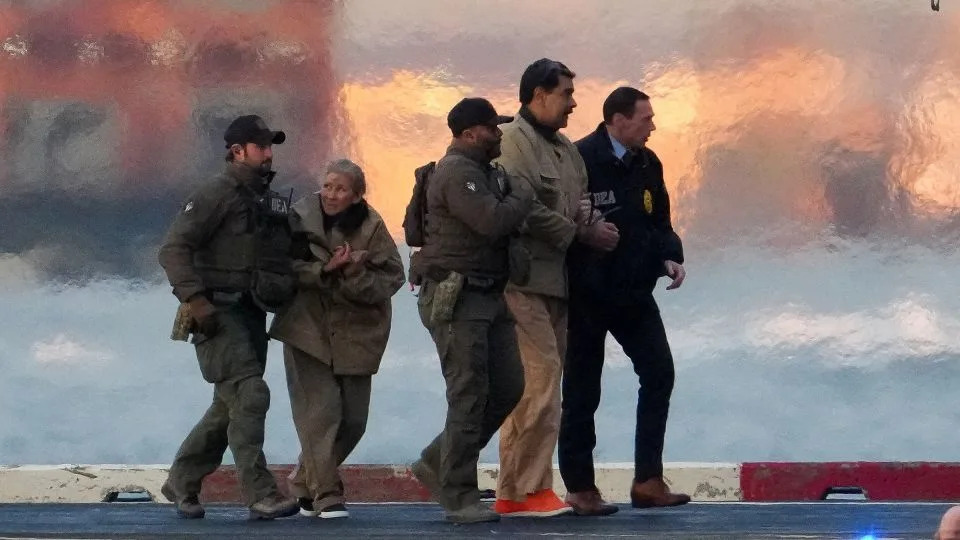
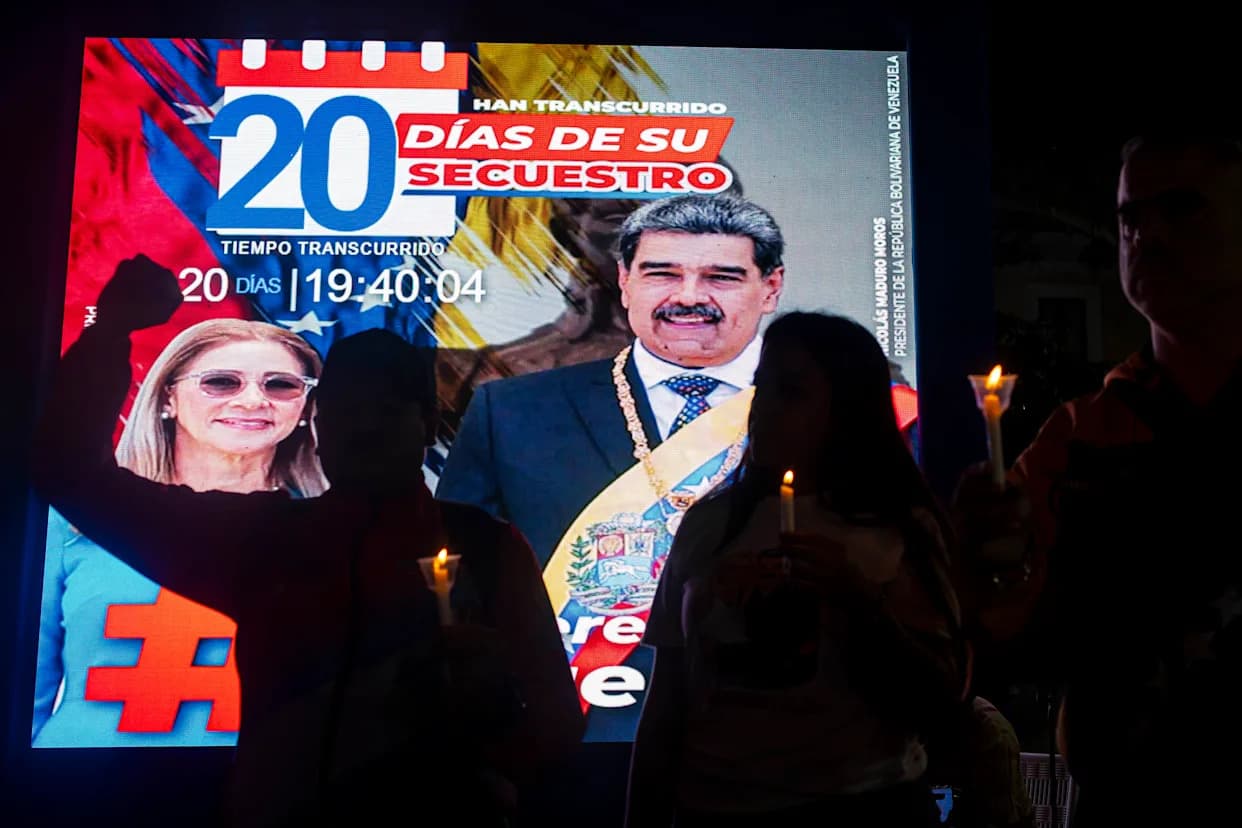
Law enforcement officials move captured Venezuelan President Nicolas Maduro and his wife Cilia Flores, second from left, out of the helicopter in New York on January 5. - Adam Gray/Reuters
"Enough already of Washington's orders over politicians in Venezuela," Rodríguez told a group of oil workers in Puerto La Cruz, in remarks broadcast by state-run Venezolana de Televisión. "Let Venezuelan politics resolve our differences and our internal conflicts. This Republic has paid a very high price for having to confront the consequences of fascism and extremism in our country."
The White House has maintained sustained pressure on Venezuela since Maduro and his wife, Cilia Flores, were seized in a raid in early January and transferred to the United States, where the former leader faces criminal charges. Rodríguez, who previously served as Maduro's deputy, has repeatedly said the U.S. does not govern Venezuela while also trying to avoid a direct confrontation with Washington.

A fire at Fuerte Tiuna, Venezuela's largest military complex, after a series of explosions in Caracas on January 3, 2026. - Luis Jaimes/AFP/Getty Images
In the immediate aftermath of Maduro's capture, U.S. President Donald Trump said the United States was "going to run" Venezuela, though he later publicly backed Rodríguez as the interim authority. According to two senior White House officials who spoke to CNN at the time, U.S. demands outlined to Caracas included cutting ties with China, Iran, Russia and Cuba and coordinating future oil production with U.S. partners.
Venezuela's economy is dominated by oil. The country holds the world's largest reserves of extra-heavy crude — a resource that requires more complex refining but is compatible with many U.S. refineries. Washington's emphasis on oil production and international alignment underscores its interest in securing a stable, cooperative government in Caracas.
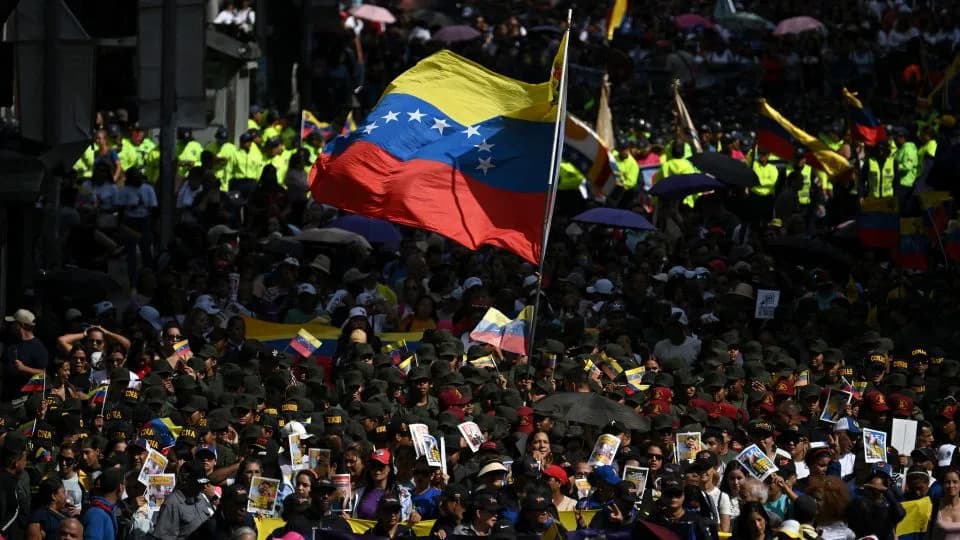
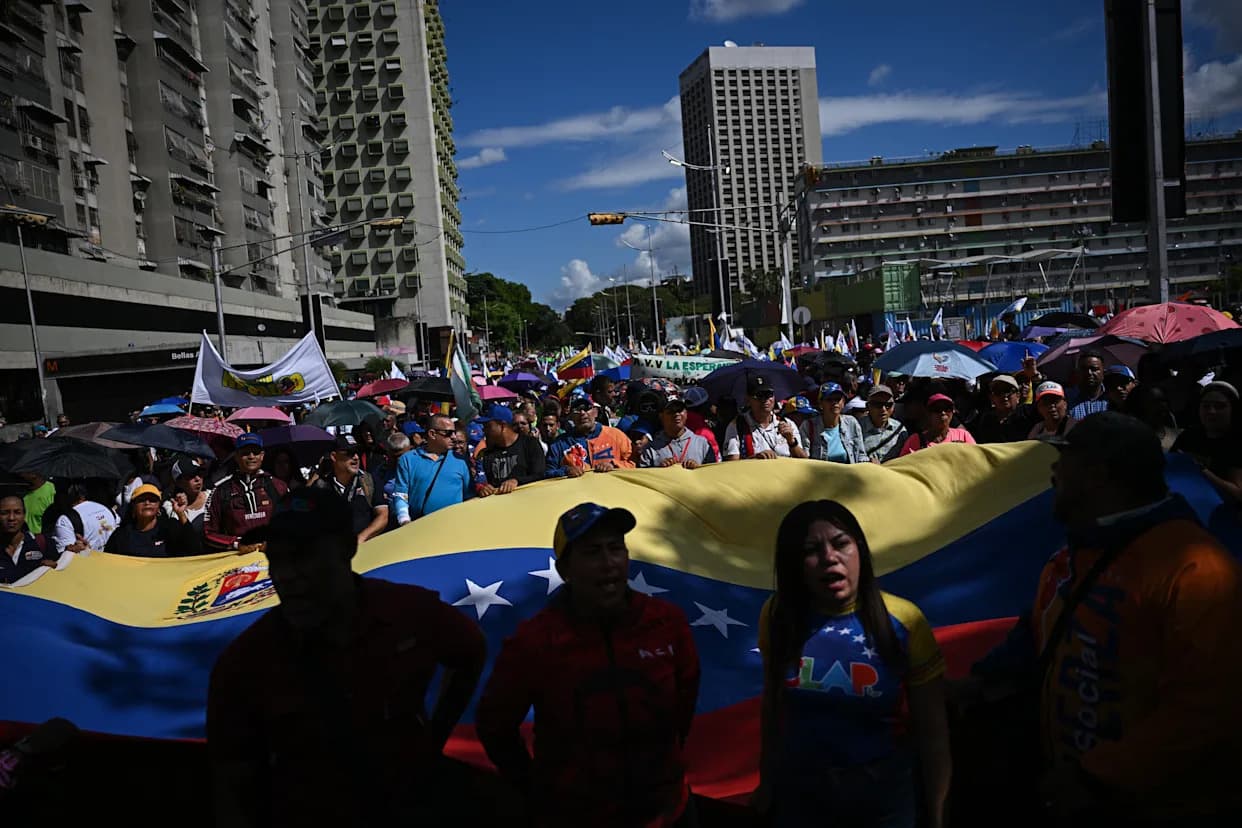
Domestically, Venezuela remains fragmented among Maduro loyalists, the left-wing opposition and a faction sometimes called "Chavistas No-Maduristas" — supporters of the late Hugo Chávez who reject Maduro and accuse him of betraying 21st-century socialist principles. Rodríguez's challenge is to navigate those divisions while managing external pressure from the United States.
CNN has contacted the White House for comment on Rodríguez's latest remarks. Reporting contributions: Ivonne Valdes Garay, Isabelle D'Antonio, Rocio Muñoz-Ledo and Mauricio Torres.
Help us improve.