Democratic leaders Chuck Schumer and Hakeem Jeffries have issued 10 demands aimed at curbing ICE tactics and increasing oversight of DHS operations after the fatal shootings in Minneapolis. The proposals include requiring judicial warrants for private-property entry, banning masks, mandating visible officer identification, and enshrining a statutory use-of-force policy. Democrats have tied long-term DHS funding to acceptance of these reforms and say they will pursue legislation to codify them despite Republican opposition.
Democrats Present 10 Demands to ‘Rein In’ ICE — Full List of Proposed Reforms

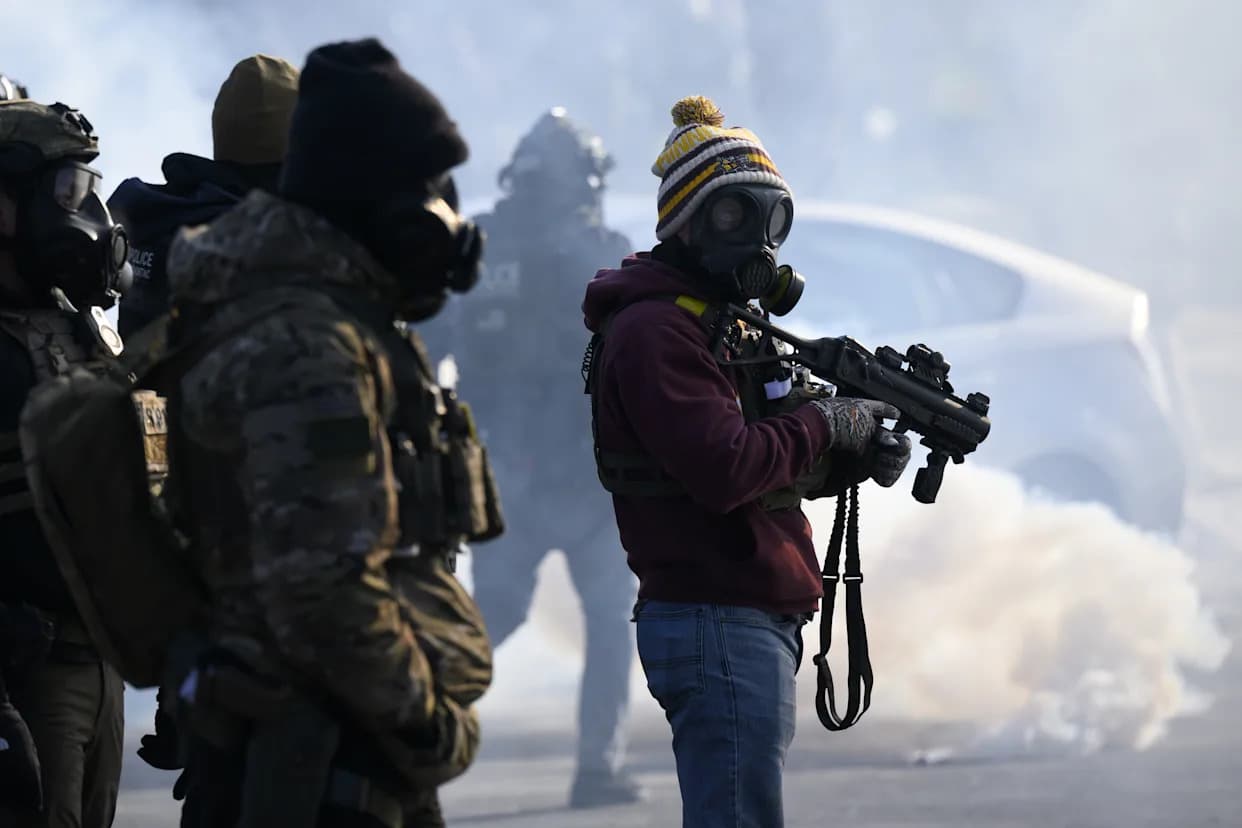
Federal agents outside an immigration processing center in Broadview, Illinois, last year.Photograph: Scott Olson/Getty Images(Photograph: Scott Olson/Getty Images)
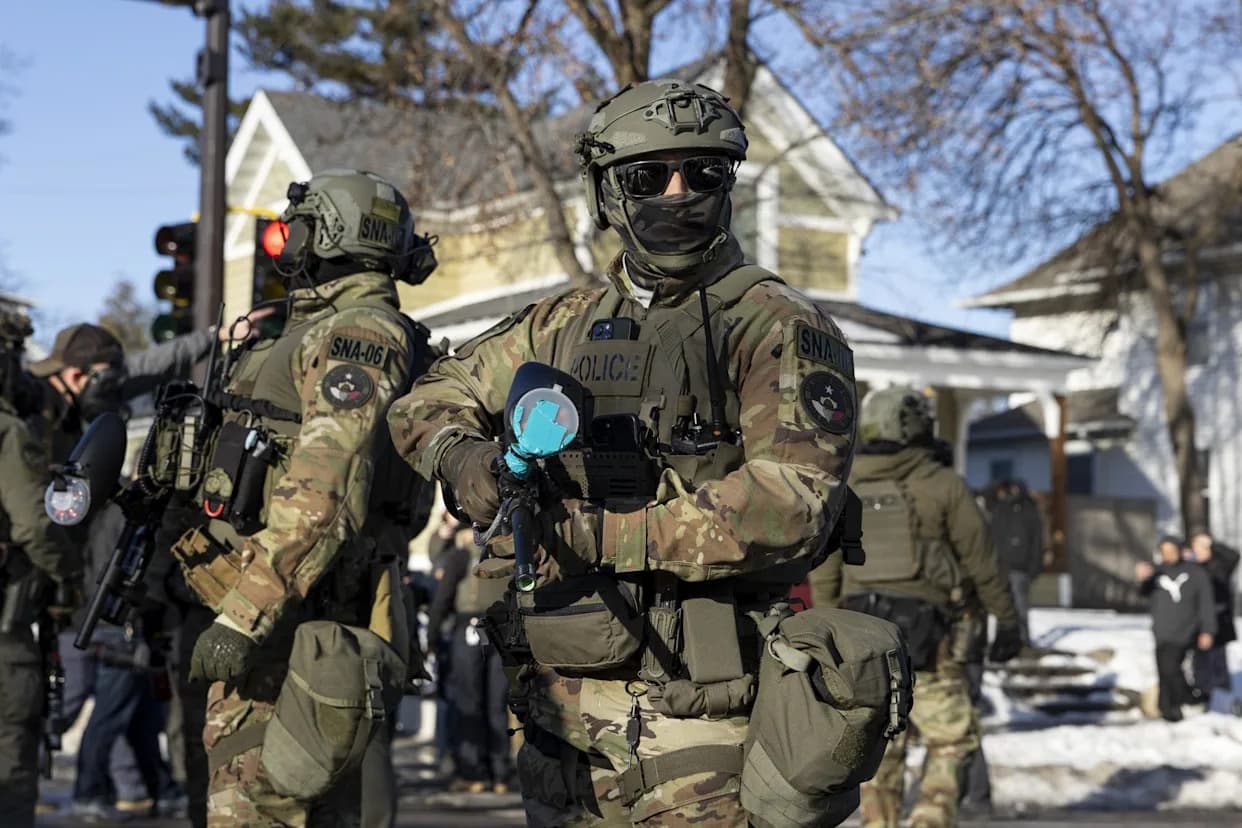
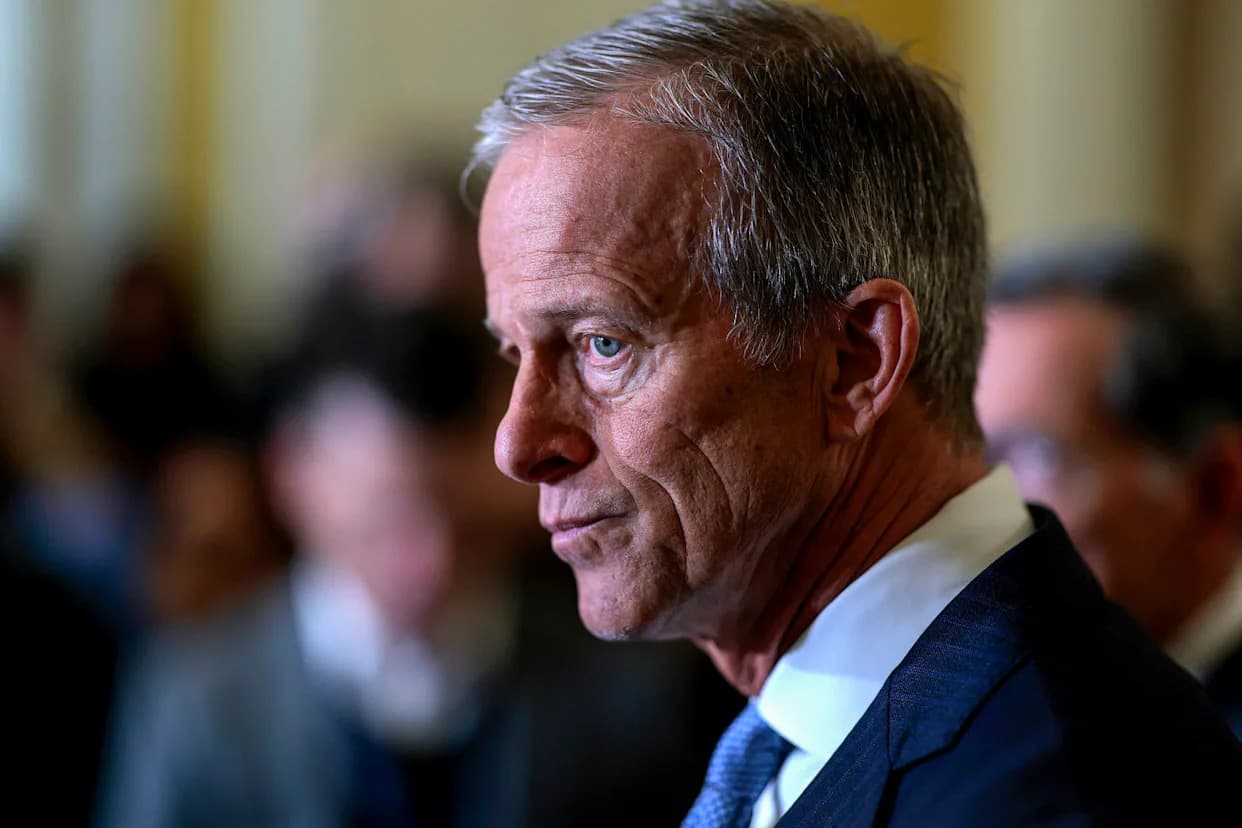
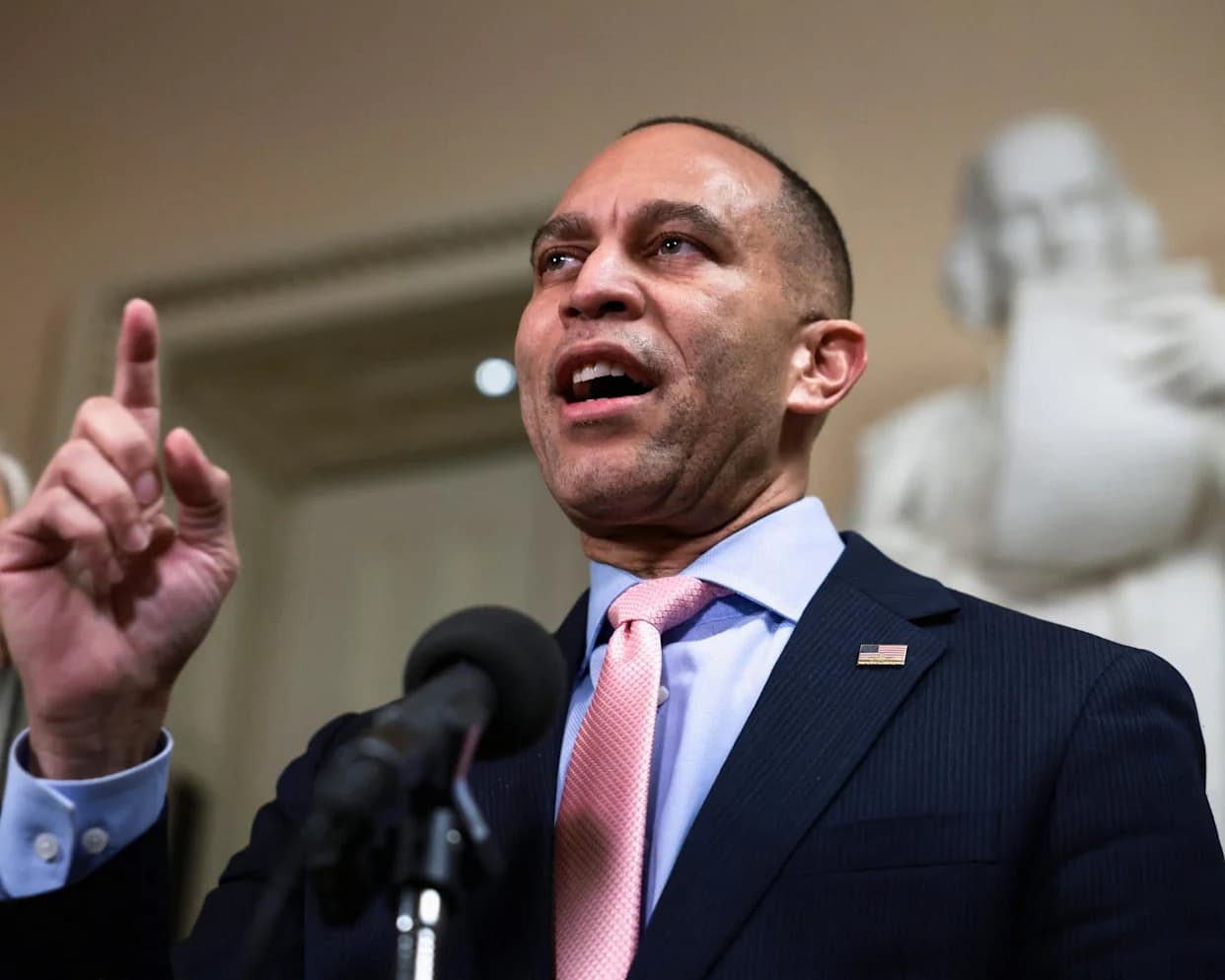
Following the fatal shootings last month of Renee Good and Alex Pretti by federal agents in Minneapolis, Senate Minority Leader Chuck Schumer and House Democratic Leader Hakeem Jeffries issued a letter setting out 10 formal demands aimed at restricting tactics used by Immigration and Customs Enforcement (ICE) and other Department of Homeland Security (DHS) officers. Democrats say they will withhold long-term DHS funding unless Republicans accept these reforms, framing them as conditions to avoid a potential DHS funding lapse on 13 February.
Republicans, who control both chambers of Congress, have already rejected many of the proposals. Democrats say they will nonetheless pursue legislation to codify the changes if negotiations continue.
The 10 Democratic Demands
- Warrants for Private-Property Entry: Prohibit DHS officers from entering private property without a judicial warrant. End indiscriminate arrests, improve warrant procedures and legal standards, and require verification that a person is not a U.S. citizen before holding them in immigration detention.
- No Masks or Face Coverings: Ban ICE and other immigration-enforcement agents from wearing masks or face coverings during operations so officers are identifiable.
- Visible And Verbal Identification: Require officers conducting immigration enforcement to visibly display their agency affiliation, a unique ID number and last name, and to state that information when requested.
- Sensitive Locations Protections: Prohibit use of federal funds for enforcement actions near sensitive sites, including medical facilities, schools, childcare centers, houses of worship, polling places and courthouses.
- Ban Profiling Based On Location, Job Or Language: Forbid stops, questioning or searches based solely on a person’s presence at a given location, job, the language they speak or their accent, or their race or ethnicity.
- Statutory Use-Of-Force Standards: Enshrine a reasonable use-of-force policy in law, expand training, require officer certification, and mandate that any involved officer be removed from field duty while an investigation is ongoing.
- State And Local Authority Preserved: Preserve the ability of state and local jurisdictions to investigate and prosecute potential crimes and alleged excessive-force incidents; require preservation and sharing of evidence and obtain state/local consent for large-scale operations outside narrowly targeted enforcement.
- Uniform Detention Standards And Legal Access: Require that all detention facilities meet basic standards, including immediate access to counsel, and allow states to sue the DHS for violations. Prohibit restrictions on member visits to ICE facilities regardless of funding source.
- Body-Worn Cameras And Data Limits: Require body-worn cameras during public interactions and set standards for footage storage and access. Prohibit tracking or creating databases of people engaged in lawful First Amendment activities.
- Standardized Uniforms And Equipment: Regulate and standardize uniforms and enforcement equipment so they align more closely with civil enforcement practices rather than militarized gear.
Implications: The demands are intended to increase transparency, protect civil liberties and limit aggressive enforcement tactics. If Republicans reject the conditions, Democrats say they will move to codify the proposals in legislation. Any agreement — or impasse — could determine whether DHS receives continued long-term funding before the 13 February deadline.
What Comes Next: Negotiations between Democratic leadership and GOP congressional leaders will determine whether some or all of these reforms are adopted, rejected or modified. Even if blocked in Congress, the demands are likely to shape public debate, state-level actions and oversight of DHS operations.
Help us improve.