The House and Senate approved a negotiated DHS funding package that provides $64.4 billion for the fiscal year, about $600 million below last year. ICE’s topline funding remains roughly $10 billion, but the bill adds modest constraints: training on recording rights, $20 million for body cameras, encouragement of a standardized identification policy for officers, and a $3.8 billion cap on detention spending. Monthly reporting on use of prior emergency funds and limits on intra-department fund transfers are intended to increase oversight, though many critics call the measures largely symbolic.
New DHS Spending Deal Imposes Only Weak Limits On ICE
The new DHS budget puts the flimsiest handcuffs on ICE
Congress has released a negotiated full-year funding package for the Department of Homeland Security (DHS) that largely preserves Immigration and Customs Enforcement’s (ICE) topline budget while adding modest, mostly symbolic constraints. The so-called mini-bus package includes four pre-negotiated appropriations bills and would provide $64.4 billion for DHS for the current fiscal year — roughly $600 million less than the prior year.
Compromise Over ICE Funding
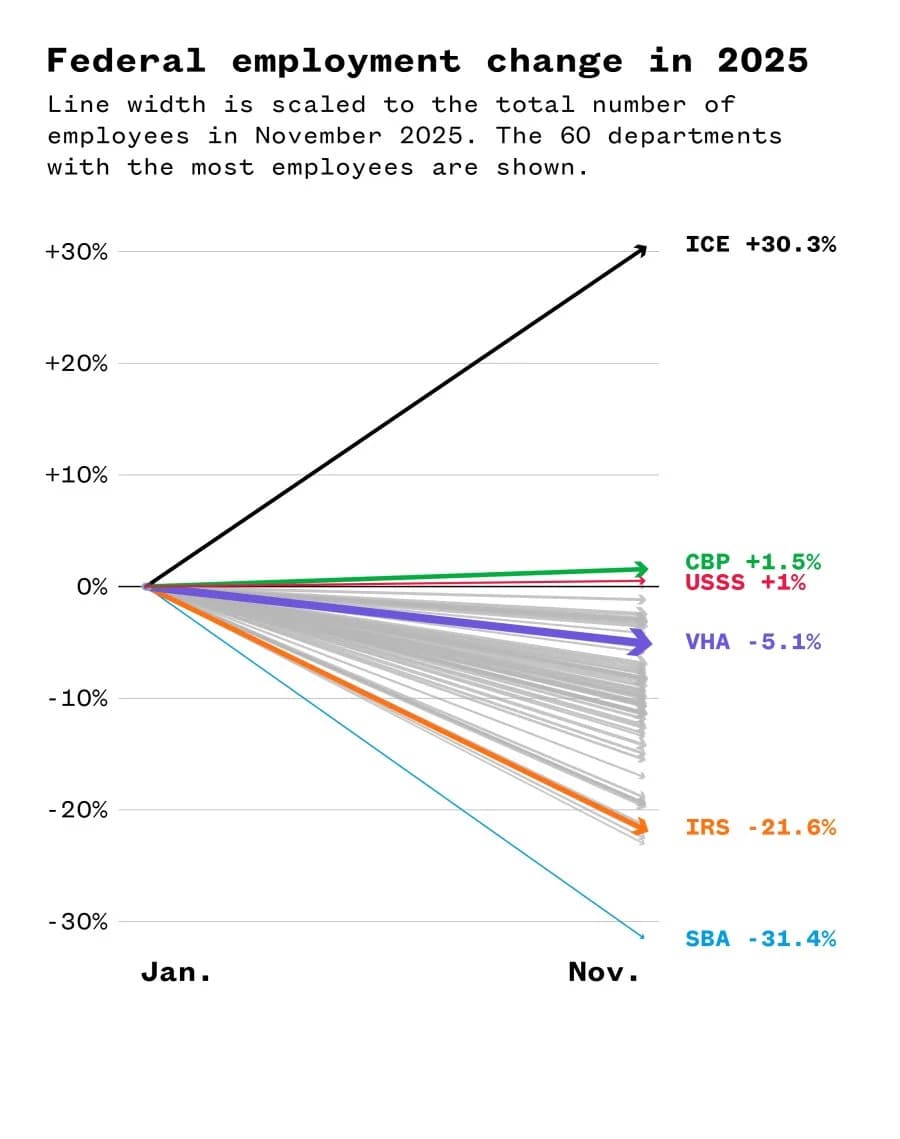
The most contentious negotiations centered on ICE’s budget. The final agreement keeps ICE’s overall funding near last year’s level — about $10 billion — but inserts several narrowly drawn provisions intended to limit certain enforcement practices and increase transparency around how previously allocated emergency funds are used.
What The Bill Does (And Doesn’t)
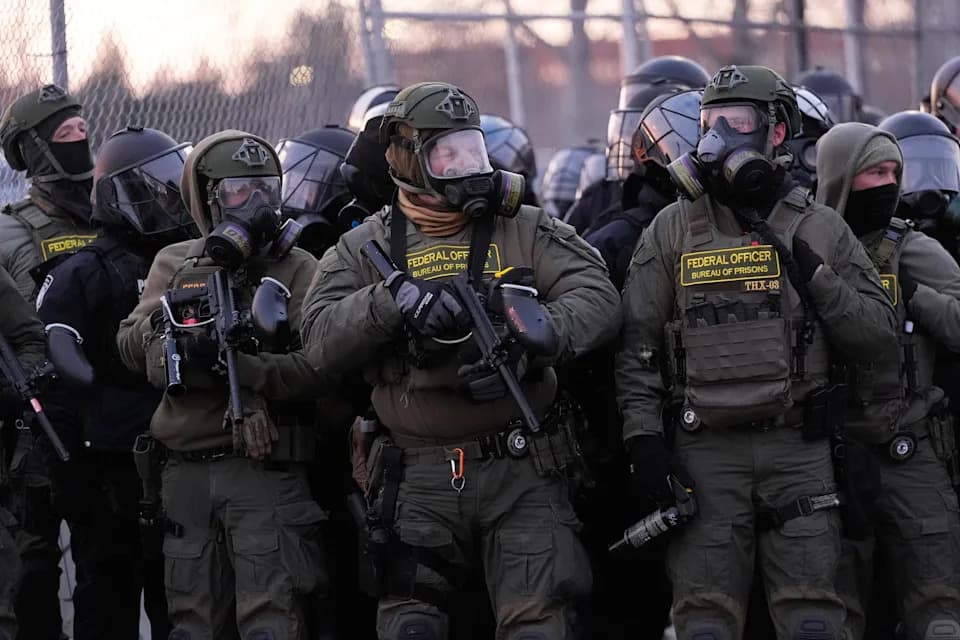
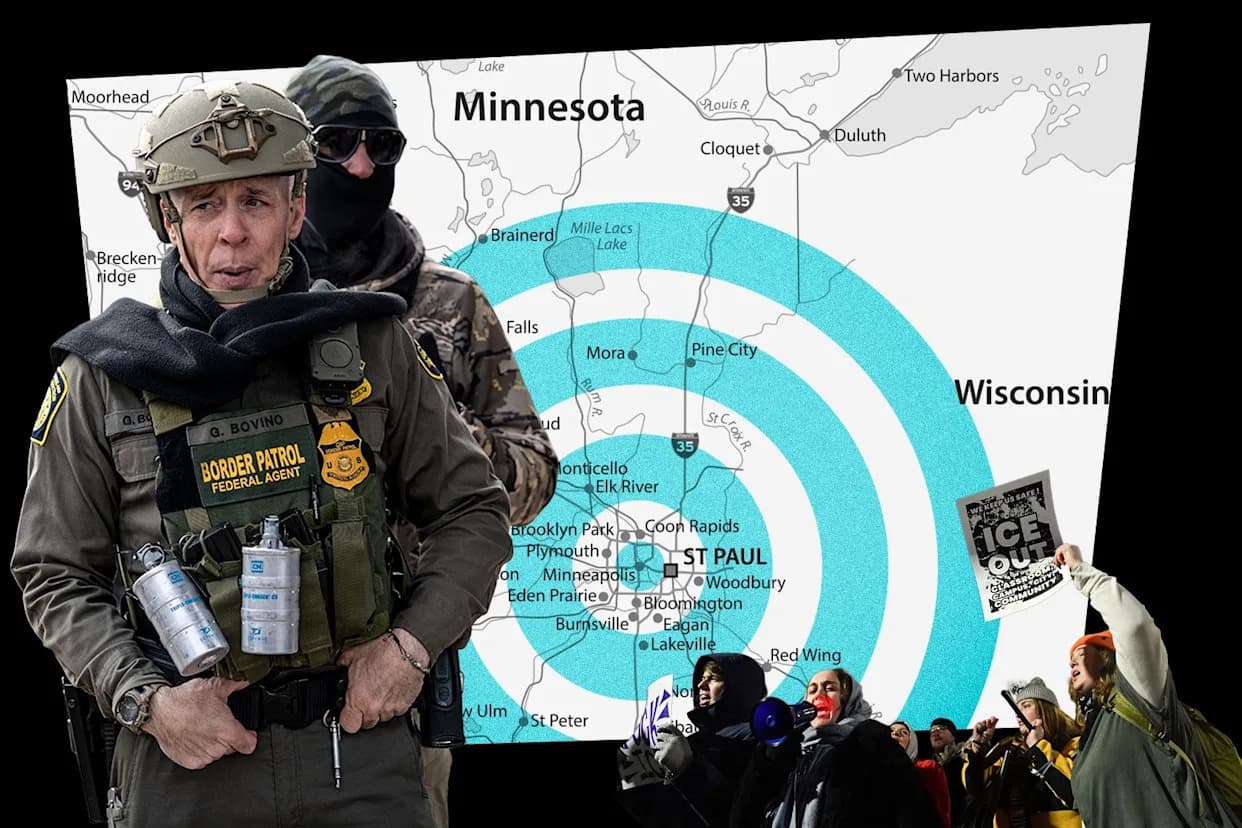
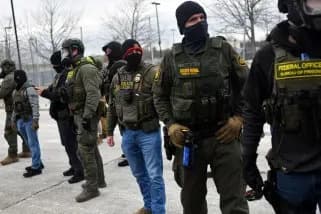
Key accountability measures include a requirement that the Homeland Security Secretary ensure agents are trained on the public’s First Amendment-protected right to record government officials, and a $20 million allocation for DHS to purchase and distribute body cameras for ICE and Customs and Border Protection (CBP) officers performing enforcement actions. The bill also encourages DHS to adopt a standardized uniform policy so federal law-enforcement officers are clearly identifiable in domestic operations, but it stops short of a binding unmasking or identification mandate.
Negotiators also restricted ICE’s use of funds for detention by capping detention-related spending at $3.8 billion of its $10 billion budget. The bill would require monthly reporting on how DHS is using previously appropriated emergency or reconciliation funds (referred to in the explanatory materials as OBBBA funds) and places limits on the secretary’s ability to transfer money among DHS components without congressional notification or oversight.
Limits Largely Symbolic
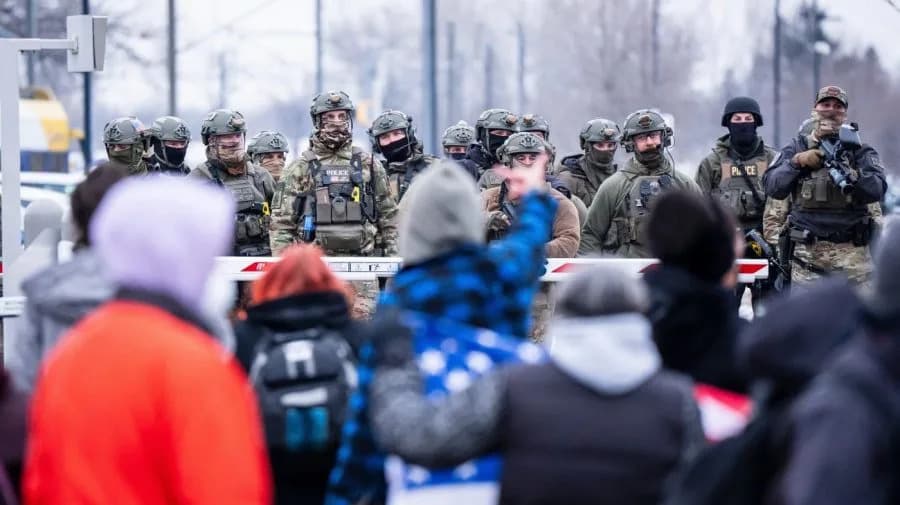
Advocates and some Democrats argue these measures fall short of meaningful reform. Training requirements and body cameras have accountability value but may be limited in practice if implementation is weak. The bill’s language encouraging a standardized uniform policy suggests negotiators could not secure a firm, enforceable rule to make plainclothes officers plainly identifiable — the change most activists had demanded after videos showed masked, plainclothes officers making arrests in public.
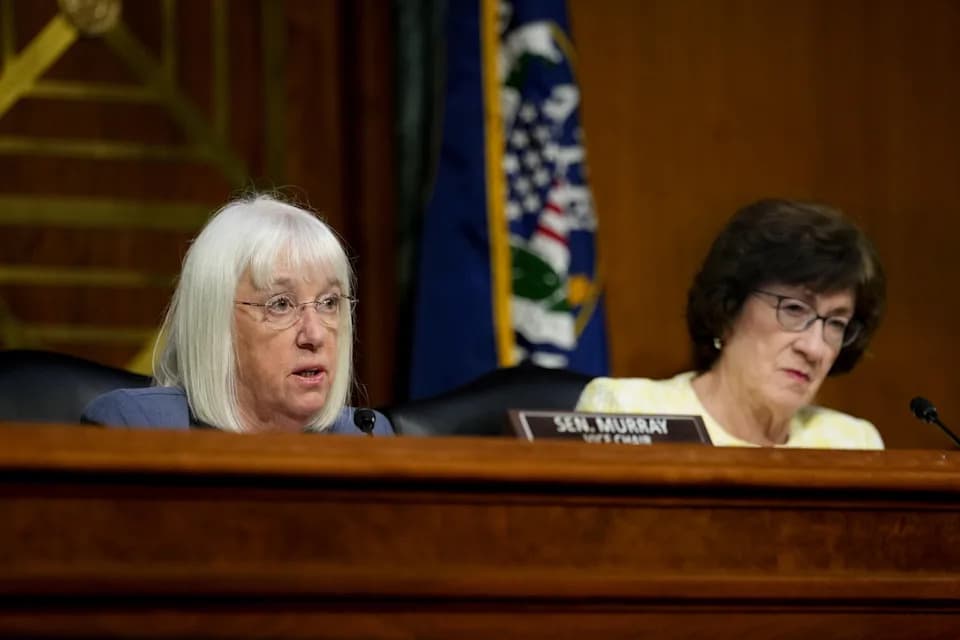
Why Passage MattersSenate appropriators note that failure to enact a full-year DHS appropriations bill would not halt ICE or CBP operations; instead, the agencies could continue operating using previously allocated emergency funds but without the constraints that an enacted funding bill imposes, while other DHS components could face shutdowns. Passing the appropriations package therefore imposes incremental oversight that would be absent in a funding lapse.
Overall, the package reflects a political compromise: it preserves funding levels favored by Republicans while offering modest oversight tools demanded by Democrats. Expect the package to gain enough support to pass both chambers, but critics argue that it does not answer calls for substantial structural reform to ICE or stronger safeguards to prevent abuses.
Help us improve.