The Maryland House approved a mid‑decade congressional map that could make it easier for Democrats to unseat Rep. Andy Harris and hold all eight U.S. House seats from the state. Senate leaders, led by President Bill Ferguson, have warned since October that the bill lacks support in the Senate and could prompt legal challenges or unintended consequences for Democrats. Lawmakers and stakeholders also say redrawing districts now could disrupt the Feb. 24 candidate filing deadline and the June 23 primary. The effort comes amid a broader national wave of mid‑decade redistricting and anticipated court fights.
Maryland House Approves Mid‑Decade Congressional Map; Senate Leaders Say It Will Likely Fail
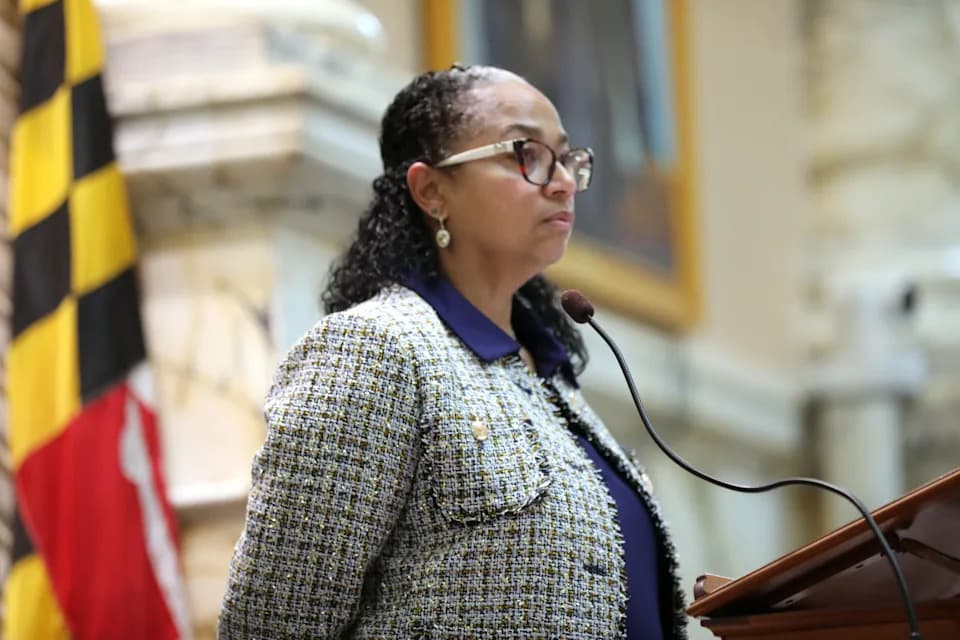
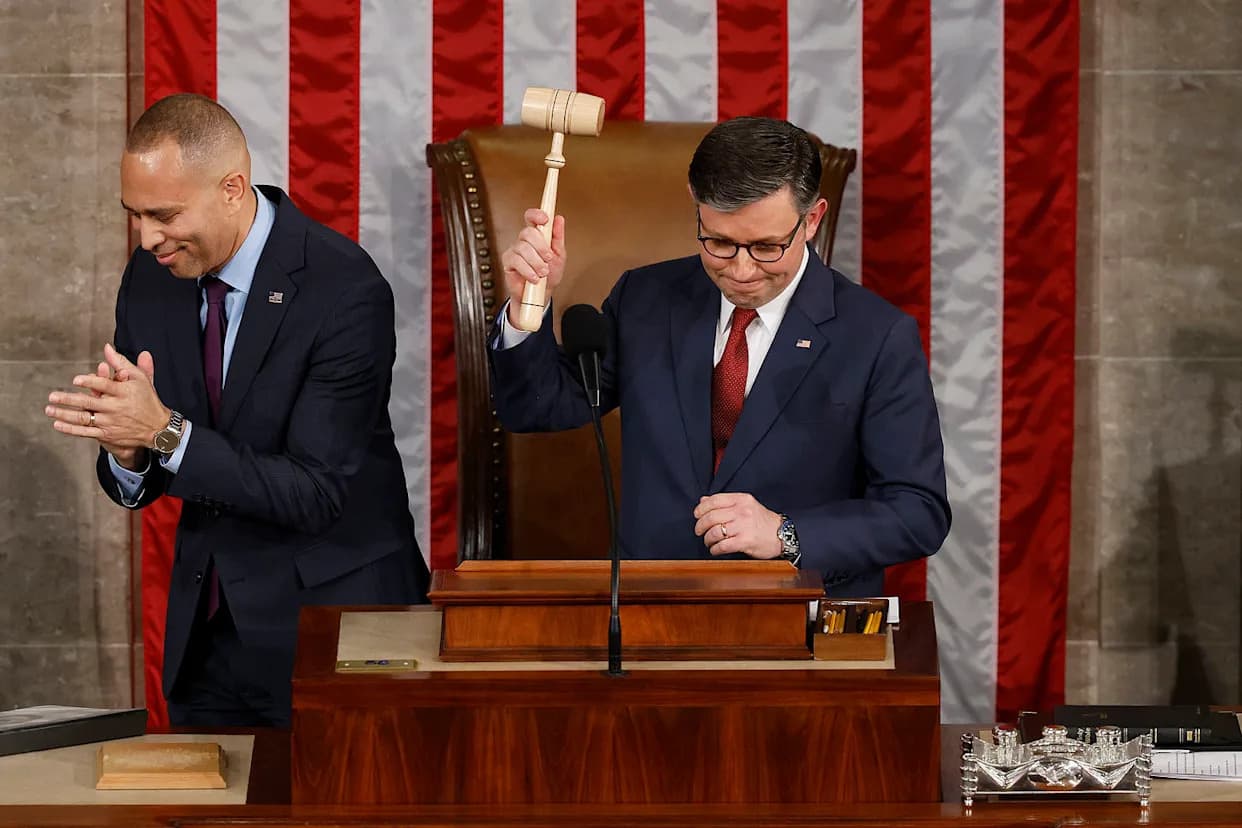
Maryland House Speaker Joseline Peña-Melnyk, a Democrat, presides over a debate on Monday, Feb. 2, 2026, in Annapolis, Md. (AP Photo/Brian Witte)(ASSOCIATED PRESS)
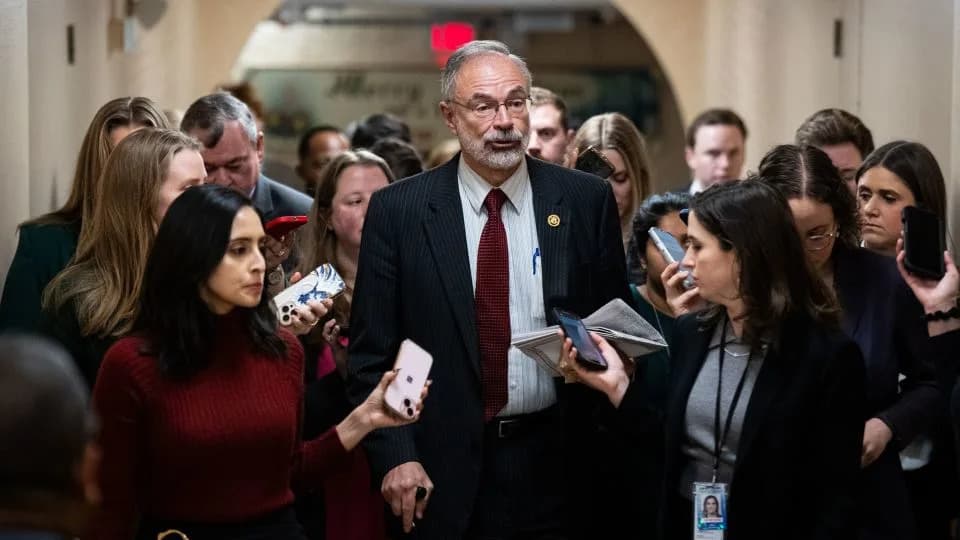
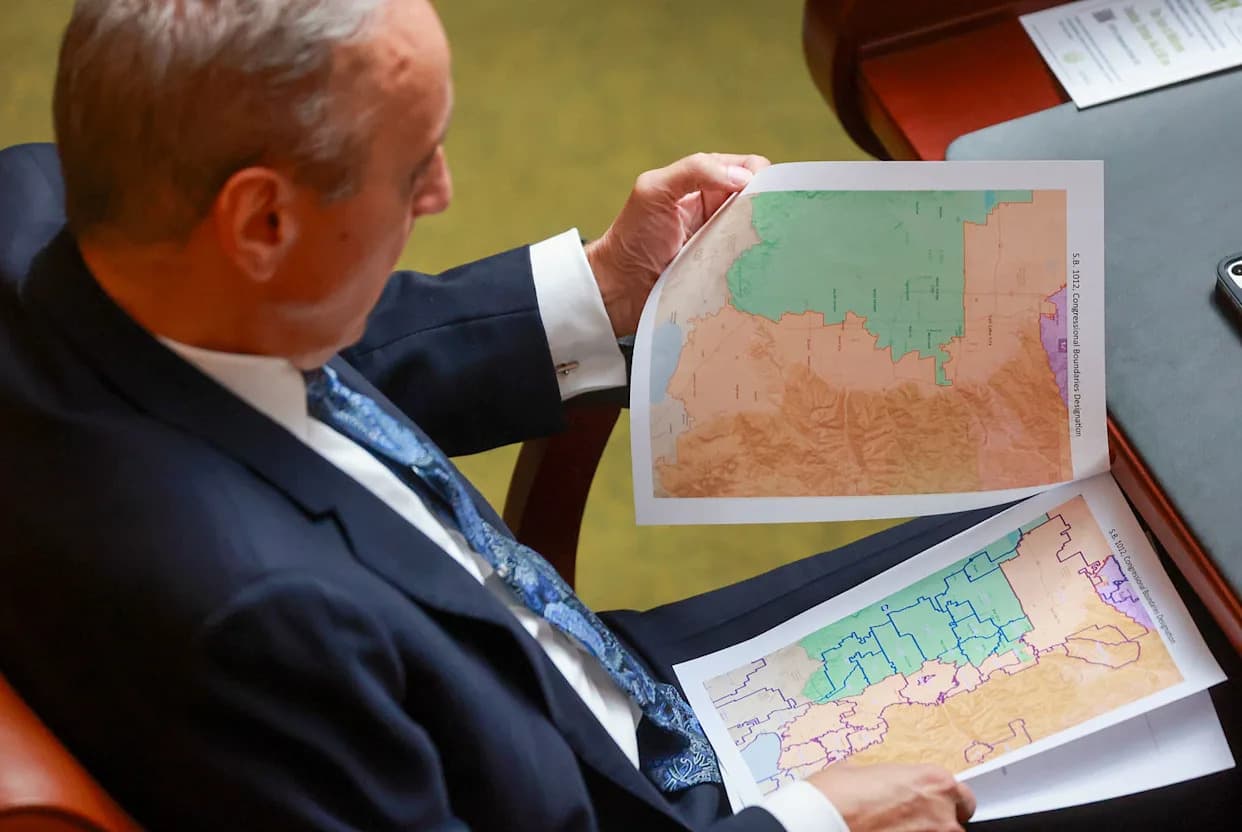
ANNAPOLIS, Md. — The Maryland House on Monday approved a mid‑decade congressional map that could make it significantly easier for Democrats to unseat Rep. Andy Harris and capture all eight of the state’s U.S. House seats. But leadership in the state Senate has repeatedly said since October that the bill lacks the support needed to advance there, citing concerns it could backfire and spark lengthy legal battles.
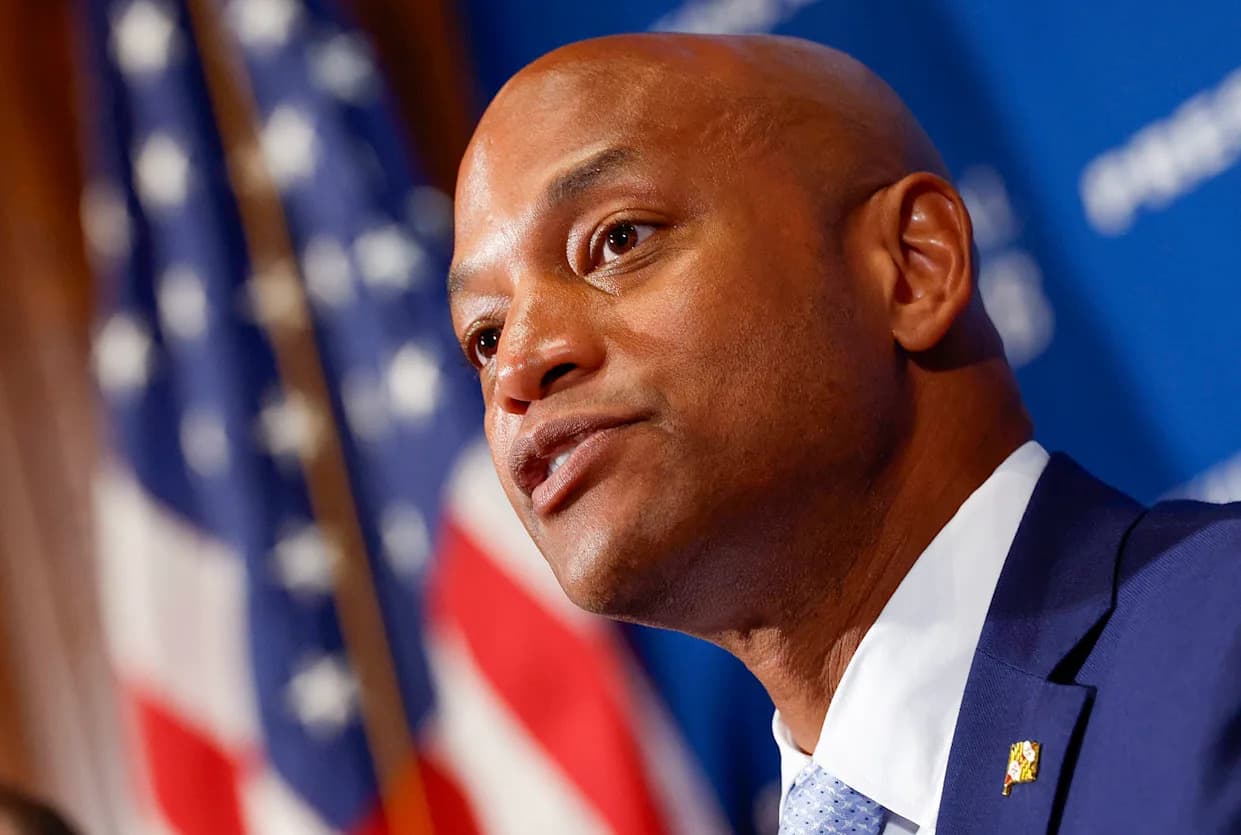
The uncommon move toward redrawing districts mid‑decade came at the urging of Democratic Gov. Wes Moore, who cited aggressive redistricting efforts in other states as a motivating factor. Democrats currently hold seven of Maryland’s eight U.S. House seats; the proposed map would redraw Harris’ largely rural Eastern Shore district to reach across the Chesapeake Bay and add more Democratic‑leaning areas.
Debate And Division
During roughly four hours of debate, Democrats framed the measure as a response to nationwide partisan redistricting. Del. C.T. Wilson, sponsor of the bill that contains the new boundaries, said the change is needed "to help ensure that this administration finally has a Congress that puts his power in check.”
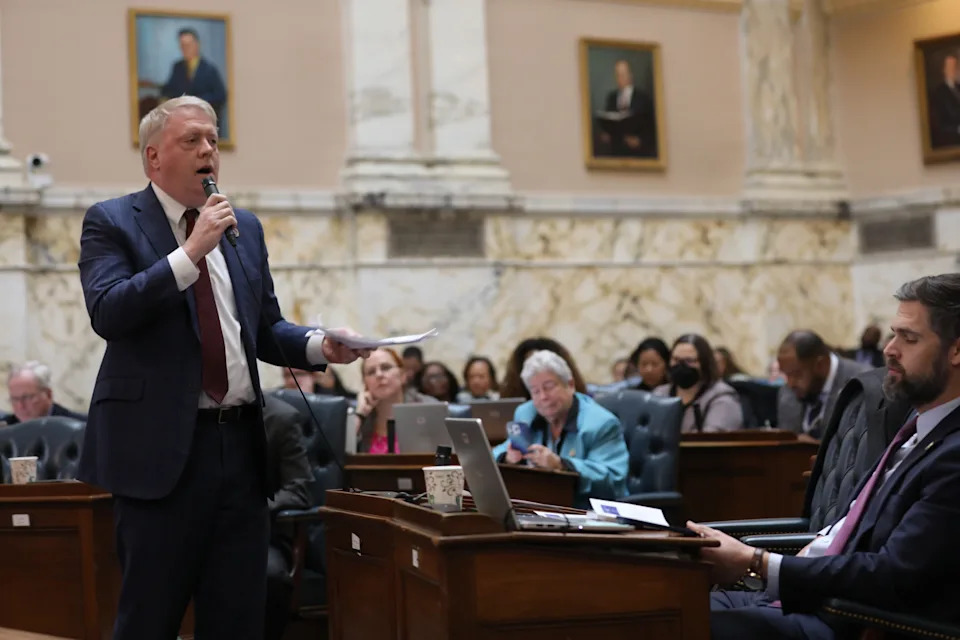
Republican Del. Jason Buckel, the Maryland House minority leader, speaks in opposition to a new congressional map during debate on Monday, Feb. 2, 2026, in Annapolis, Md. (AP Photo/Brian Witte)(ASSOCIATED PRESS)
“It is about nothing except party politics,”
said Del. Jason Buckel, House minority leader and a Republican from western Maryland, criticizing the plan’s geographic contortions to reach across the bay.
Democratic Del. Marc Korman of Montgomery County responded that the district has crossed the bay several times since the 1960s — once by court order — and that Republican candidates have won the seat in those configurations, including Harris.
Senate Concerns And Legal Risks
Senate President Bill Ferguson, a Baltimore Democrat, has warned the targeted effort to flip Harris’ seat could endanger at least one Democratic seat elsewhere and invite more litigation. He referenced a 2021 congressional map that a judge ruled was "a product of extreme partisan gerrymandering." Maryland adopted a different map in 2022 and the parties dropped that legal fight; Ferguson warns that redrawing districts again would likely prompt further lawsuits and could allow a court to impose a map.
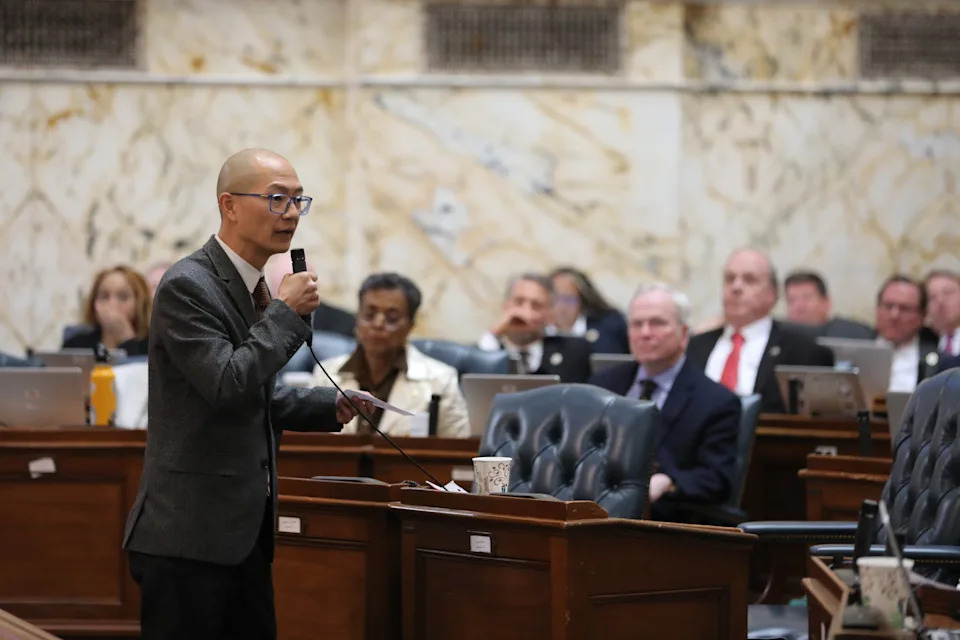
Maryland House majority leader Del. David Moon, a Democrat, speaks during a debate in support of a new congressional map on Monday, Feb. 2, 2026, in Annapolis, Md. (AP Photo/Brian Witte)(ASSOCIATED PRESS)
Ferguson and his office also note practical election timing risks: Maryland has a Feb. 24 candidate filing deadline and a June 23 primary, timelines that could be disrupted by court challenges and subsequent changes to district lines.
National Context
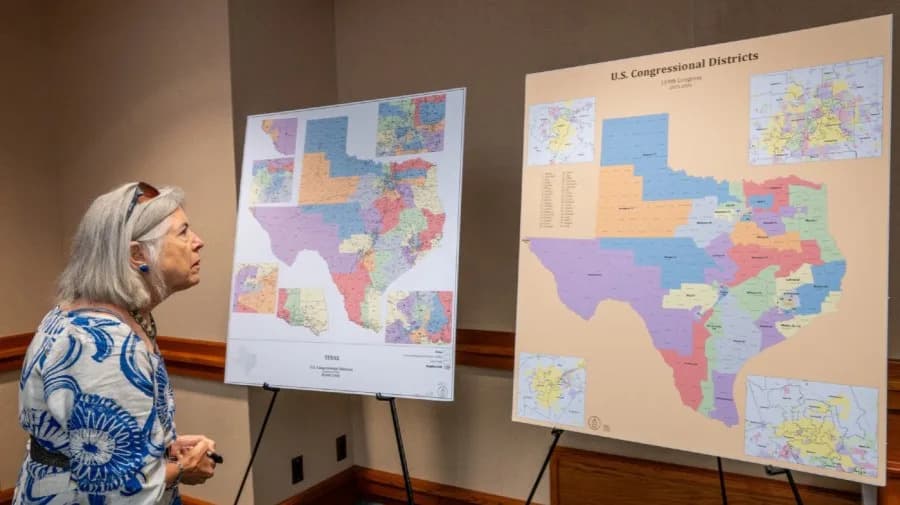
The move in Maryland comes amid a wave of mid‑decade redistricting efforts around the country. Last summer, former President Donald Trump urged Republican officials in Texas to redraw maps to improve GOP chances of holding a narrow House majority. So far, Republicans say redistricting has produced nine additional winnable seats in states including Texas, Missouri, North Carolina and Ohio; Democrats claim potential gains in six seats in California and Utah. Several fights remain entangled in courts — notably Virginia, where a judge recently found one plan illegal and lawmakers are appealing.
Separately, Republican Florida Gov. Ron DeSantis has announced plans to call a special session on redistricting in April, underscoring how contentious and widespread the issue remains.
Help us improve.