A lawsuit filed with the Florida Supreme Court asks the court to block Gov. Ron DeSantis’ April proclamation calling a mid‑decade special session to redraw congressional districts, arguing that only the Legislature may reapportion districts. Backed by the National Redistricting Foundation, the complaint says the proclamation violates the state constitution’s separation of powers and challenges a related Secretary of State directive to county election officials. The case spotlights how mid‑decade map changes — which have produced modest net gains for Republicans nationally so far — could affect control of the closely divided U.S. House and are facing multiple legal challenges.
Lawsuit Asks Florida Supreme Court To Block DeSantis’ Mid‑Decade Redistricting Session
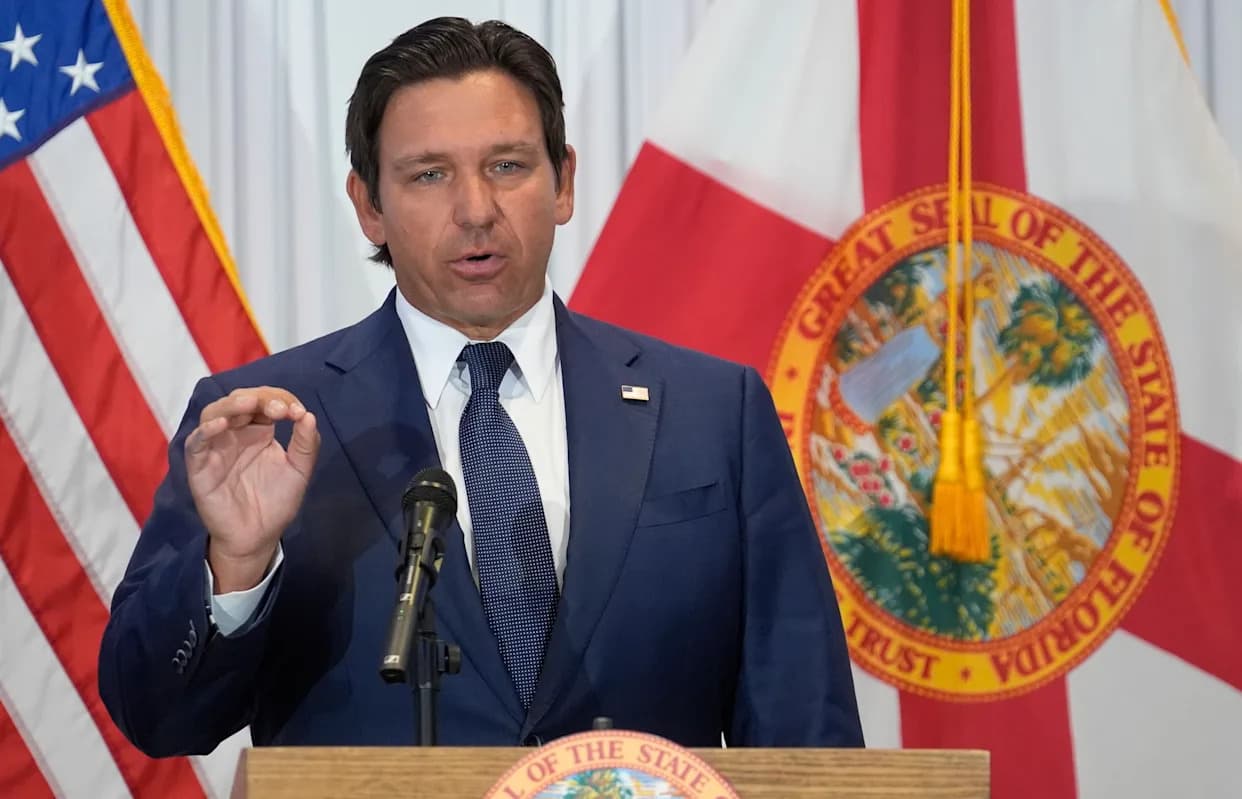
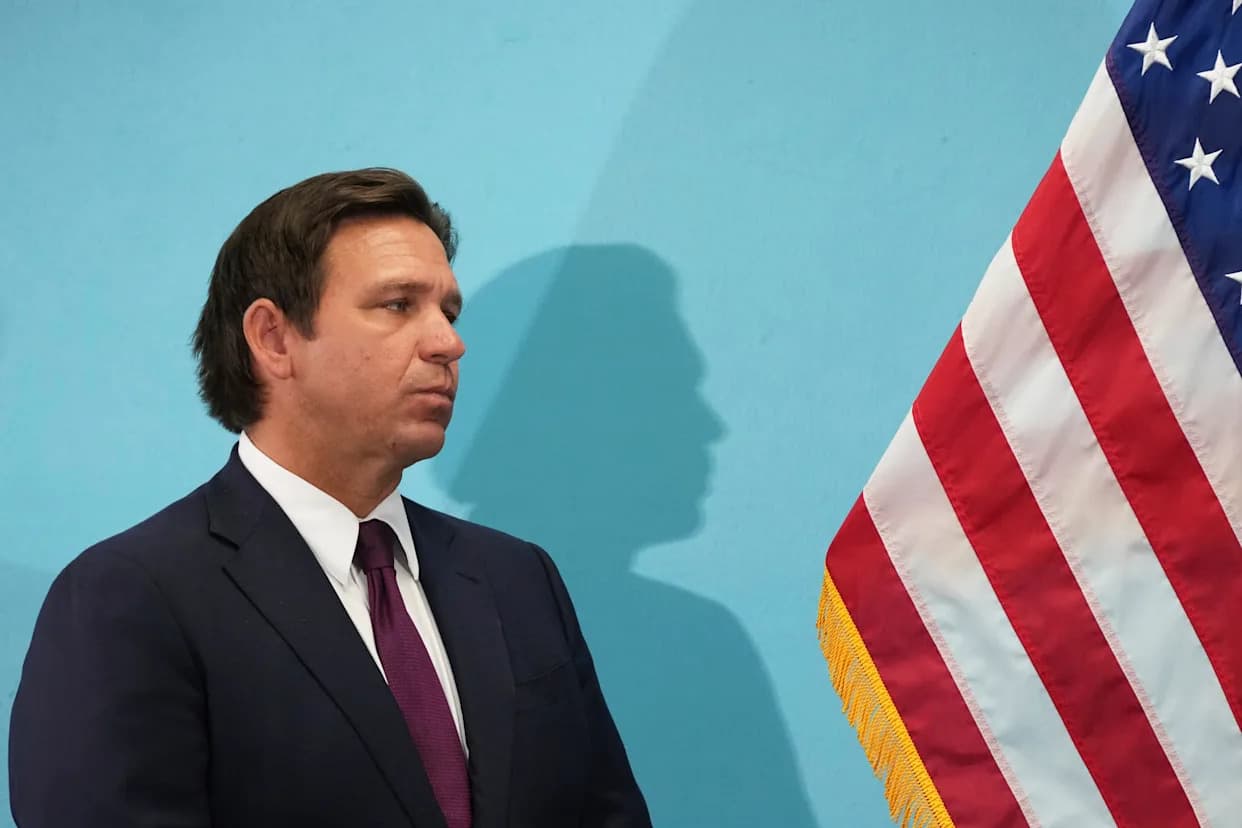
FILE - Florida Gov. Ron DeSantis during a news conference Tuesday, Aug. 12, 2025, in Tampa, Fla. (AP Photo/Chris O'Meara, File)(ASSOCIATED PRESS)
ORLANDO, Fla. (AP) — A lawsuit filed Thursday asks the Florida Supreme Court to block Gov. Ron DeSantis’ proclamation calling an April special session to redraw the state's congressional map, arguing that the power to reapportion districts rests with the Legislature, not the governor.
The complaint, supported by the National Redistricting Foundation, contends that DeSantis’ order scheduling a mid‑decade redistricting session violates the Florida Constitution’s separation of powers. Plaintiffs filed the suit directly with the state Supreme Court seeking a declaration that the governor lacks authority to compel a reapportionment outside the Legislature’s normal role.
What The Lawsuit Says
The suit names both Gov. DeSantis and Florida Secretary of State Cord Byrd. It challenges a directive Mr. Byrd issued to county supervisors of elections to use procedures normally reserved for years when districts are reapportioned. The plaintiffs ask the court to require the governor to prove he has the authority to call a special redistricting session and, if he cannot, to declare the proclamation unenforceable.
"The decision over whether and when to reapportion Florida’s congressional districts belongs to the Legislature," the filing says. "While the Governor is entitled to call for a special session, he has no power to bind the Legislature into carrying out his preferred policy objectives by undergoing a legally unnecessary reapportionment."
Context And Implications
Florida currently has 28 congressional seats, 20 of which are held by Republicans. Plaintiffs and observers say mid‑decade redistricting efforts in Florida could influence national politics by making it easier for Republicans to gain additional House seats — a dynamic mirrored in other states where mid‑decade map changes have already taken place.
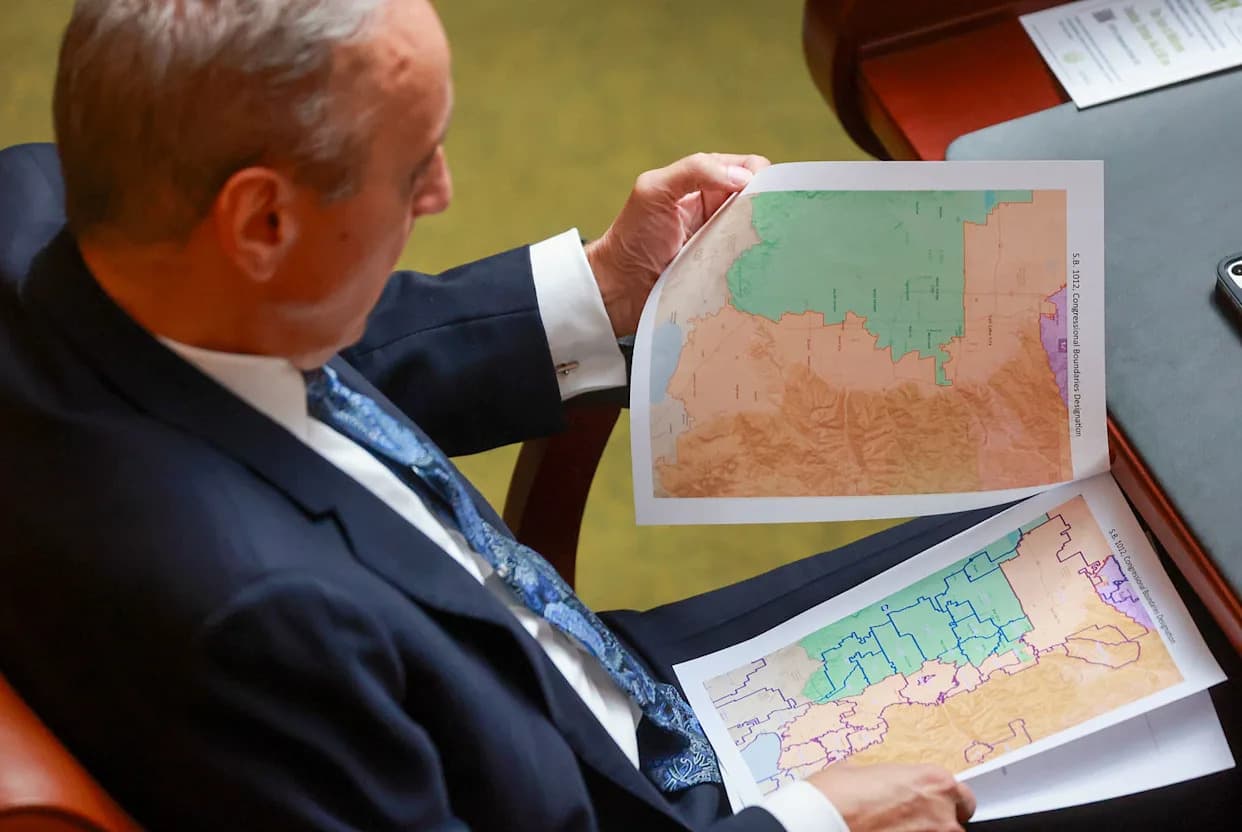
Nationwide, recent mid‑decade redistricting battles have produced maps that Republicans say could net them nine additional winnable seats in states including Texas, Missouri, North Carolina and Ohio, while Democrats see potential gains of about six seats in places like California and Utah — a net advantage of roughly three seats for Republicans. Many of those newly drawn maps are subject to ongoing litigation, and outcomes in courts will determine whether the projected gains hold through 2026.
Legal And Voter Protections
In 2010, Florida voters approved the "Fair Districts" constitutional amendment by a margin of more than 60 percent. The amendment bars drawing district lines to unfairly favor a political party. Still, last July the Florida Supreme Court upheld a congressional map advanced during DeSantis’ term that critics argued violated the amendment.
DeSantis’ office did not respond to an emailed request for comment.
Help us improve.