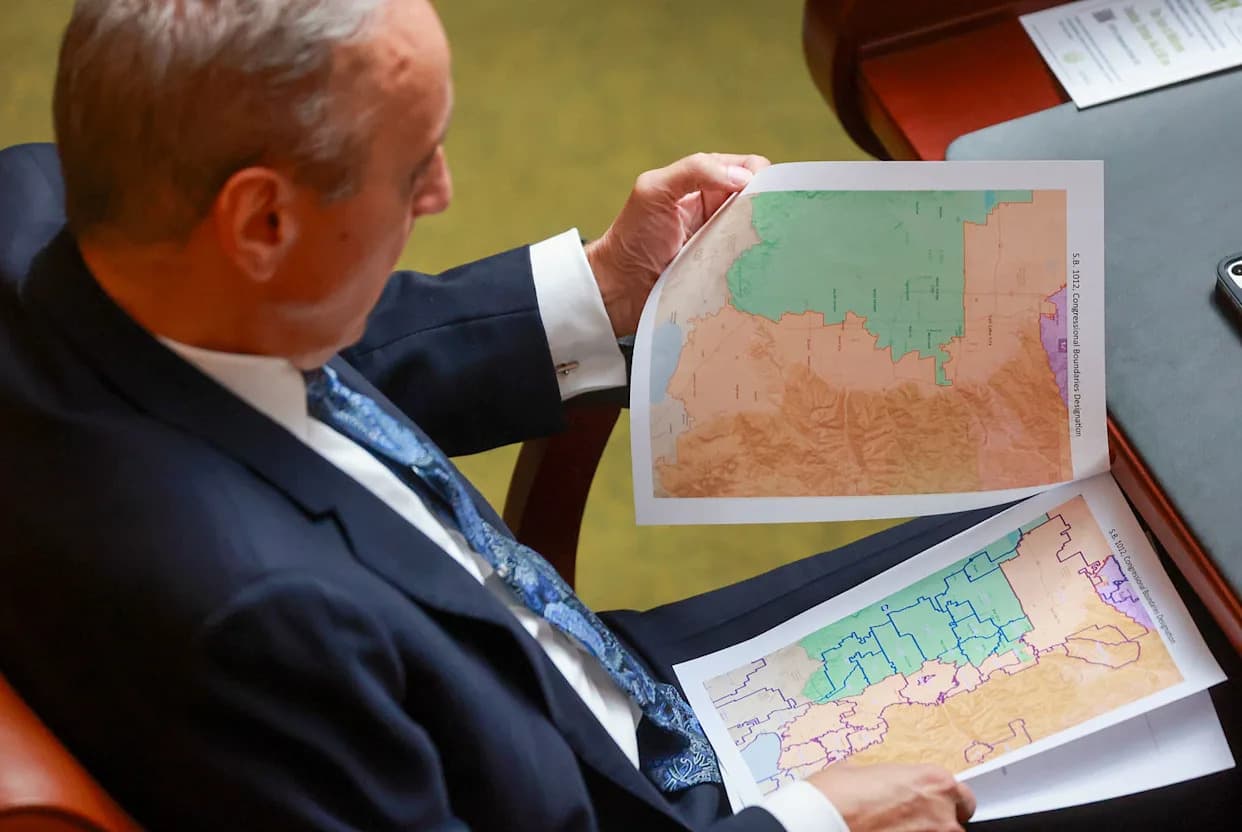
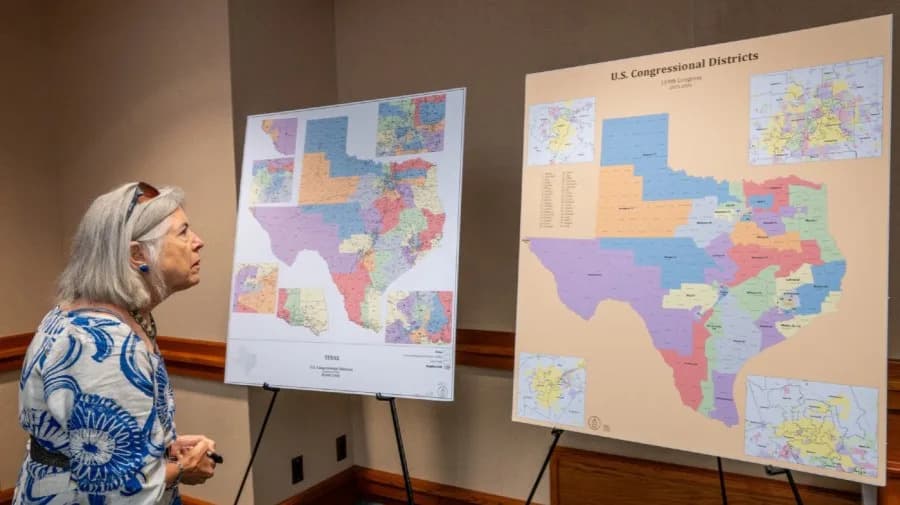
The Virginia Supreme Court will decide whether Democrats may move forward with a contested plan to redraw congressional maps after an appeals court fast-tracked the case. A Tazewell County trial court previously blocked the amendment that would allow mid‑decade redistricting ahead of the fall midterms. Democrats currently hold six of the state's 11 U.S. House seats, and the outcome could affect partisan control locally and influence redistricting fights in other states.
Virginia Supreme Court To Hear Fast-Tracked Redistricting Challenge
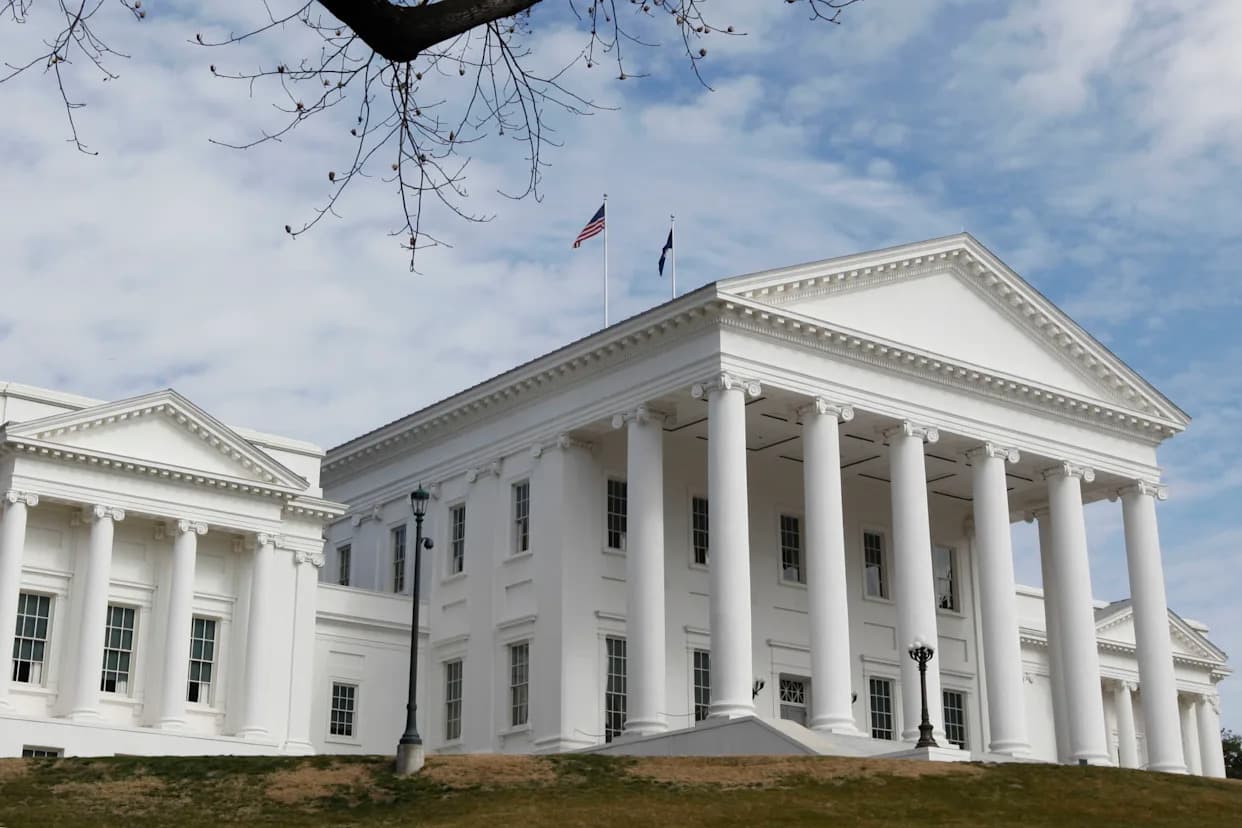
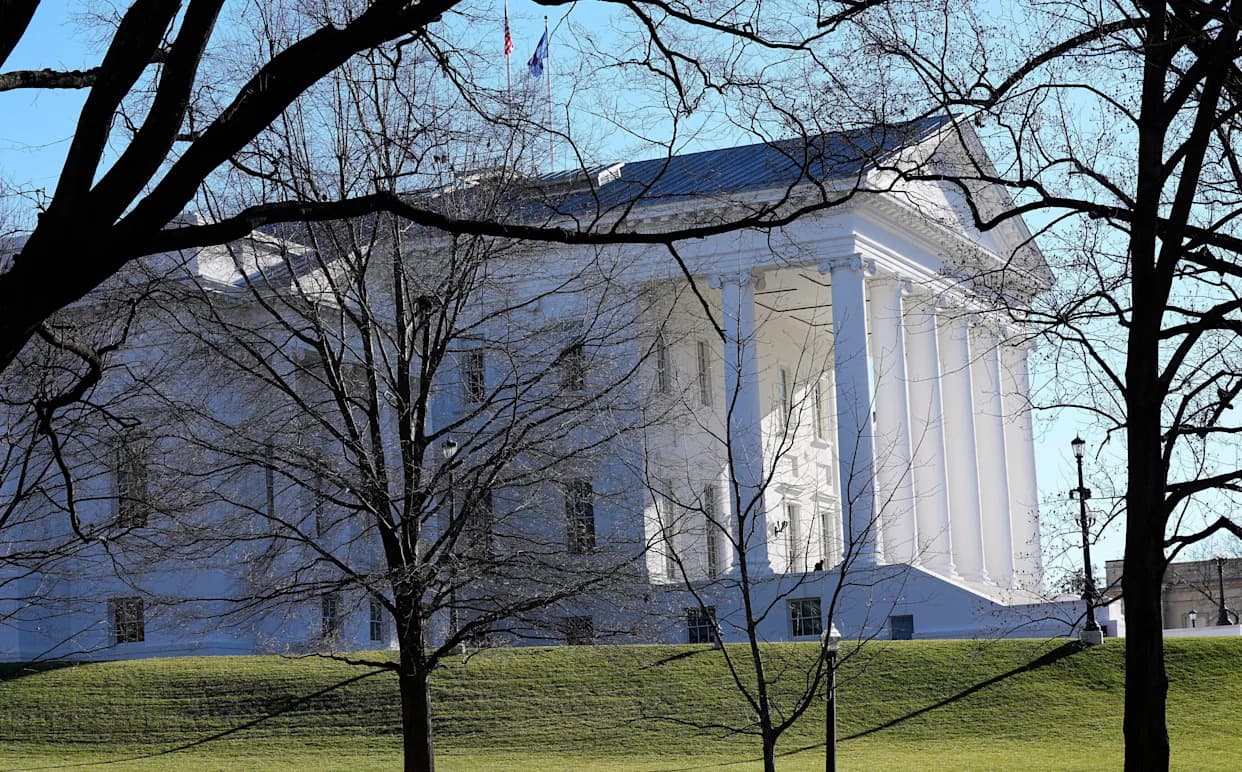
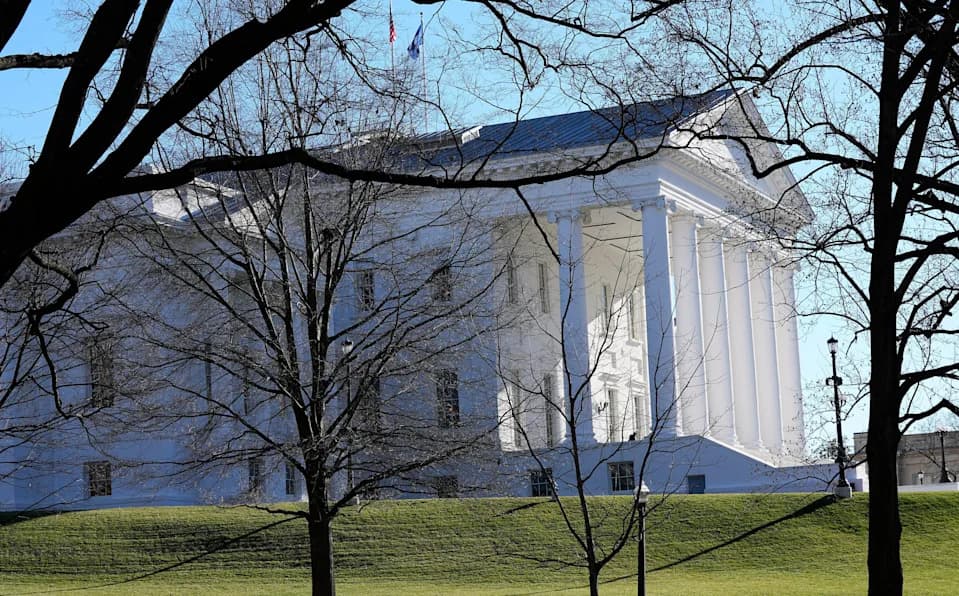
The Virginia Supreme Court has agreed to decide whether state Democrats can proceed with a controversial plan to redraw congressional districts after an appeals court on Wednesday fast-tracked the dispute to the high court.
An appeals court described the matter as one of "such imperative public importance as to justify the deviation from normal appellate practice and to require prompt decision in the Supreme Court." The court's motion sends the case straight to the state's highest bench for expedited review.
Background
Last week, a trial court in Tazewell County blocked the constitutional amendment at the center of the dispute, concluding the legislature had not followed proper procedures when approving a measure that would permit mid‑decade redrawing of congressional districts ahead of this fall's midterm elections.
The decision was a setback for Democrats, who said they hoped the amendment would allow them to redraw maps that could improve their prospects in several districts. Currently, Virginia's congressional delegation is narrowly split between the parties — Democrats hold six seats and Republicans hold five — and Democratic strategists had signaled an aggressive redistricting effort to try to pick up additional seats.
Political Reactions And Stakes
Both sides of the fight have been cautious in public comments: the Republican-backed group Virginians for Fair Maps declined to comment, and Virginians for Fair Elections, a pro-amendment group aligned with Democrats, also declined to speak on the record.
Supporters say the amendment would allow map changes to reflect shifting populations and political realities; critics view it as a partisan effort to tilt districts in favor of the party in power. Observers note the case could have broader implications if similar disputes arise in other states — particularly if changes at the federal level affecting the Voting Rights Act alter how courts review redistricting plans.
"The case presents urgent questions about when and how congressional maps may be altered, and the court has acted to accelerate its review," the appeals motion said.
The Virginia Supreme Court's decision on whether to accept and then resolve the case will determine whether Democrats may proceed with their redistricting push in time for the upcoming elections, or whether the lower-court blockage will stand.
Help us improve.