Ambassador Mike Waltz told Fox News Digital he is implementing an "America First" strategy at the U.N., using U.S. financial leverage to press for accountability, burden-sharing and structural reform. He highlighted cuts to nearly 3,000 headquarters positions, a 15% overall budget reduction and a roughly 25% cut to peacekeeping as signs of progress. Waltz said the administration’s Board of Peace and a 20-point plan are meant to complement the U.N., while calling for a narrower, outcome-focused organization and greater private-sector involvement.
Ambassador Mike Waltz Lays Out 'America First' Plan to Reshape the U.N.: Accountability, Cuts and a 'Board of Peace'
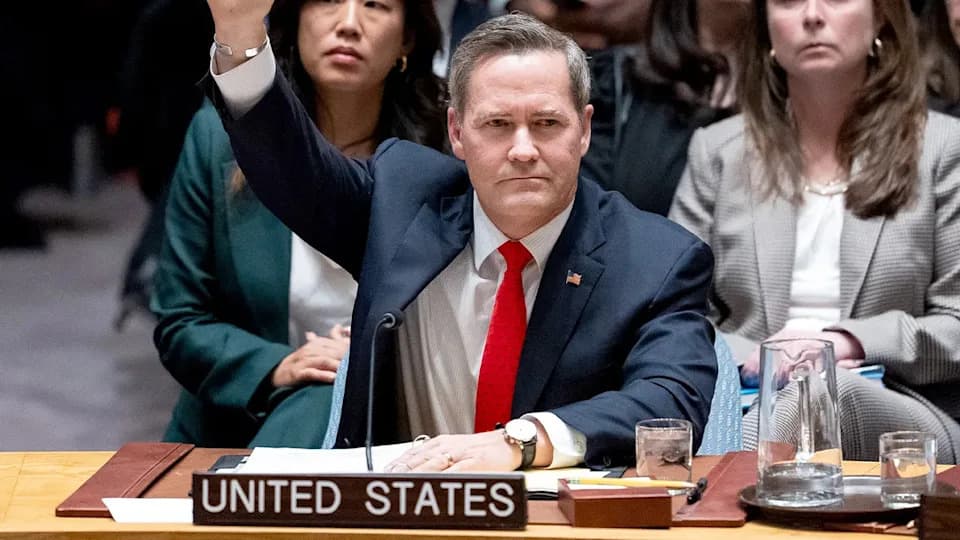
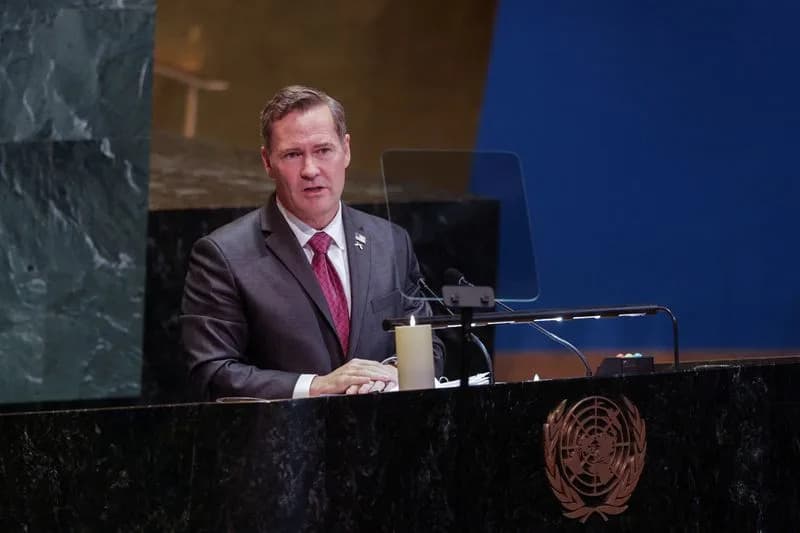
U.S. Ambassador to the United Nations Mike Waltz raises his hand to vote in favor of a draft resolution authorizing an International Stabilization Force in Gaza Nov. 17, 2025.(Getty Images)
In an exclusive interview with Fox News Digital, Ambassador Mike Waltz, the U.S. permanent representative to the United Nations, described how he is applying an "America First" approach to U.S. policy at the U.N., emphasizing financial accountability, burden-sharing and structural reform.
U.S. Funding, Leverage and Calls for Reform
Waltz rejected claims that the U.N.'s current cash shortfall is primarily the result of unpaid U.S. dues. "The United States pays to the U.N. system more than 180 countries combined," he said, adding that while the U.S. has long been the organization’s largest supporter, Washington is now using its financial leverage to press for management and mission reforms.
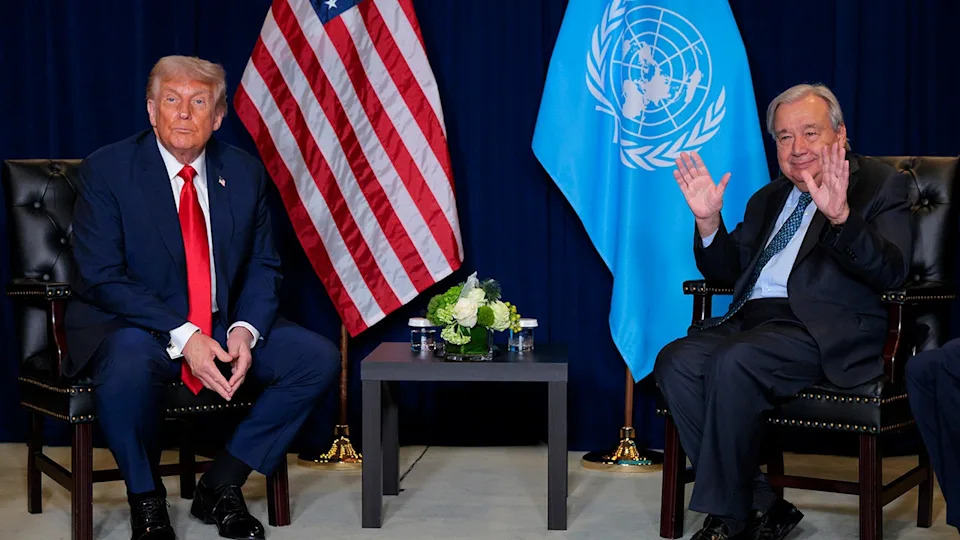
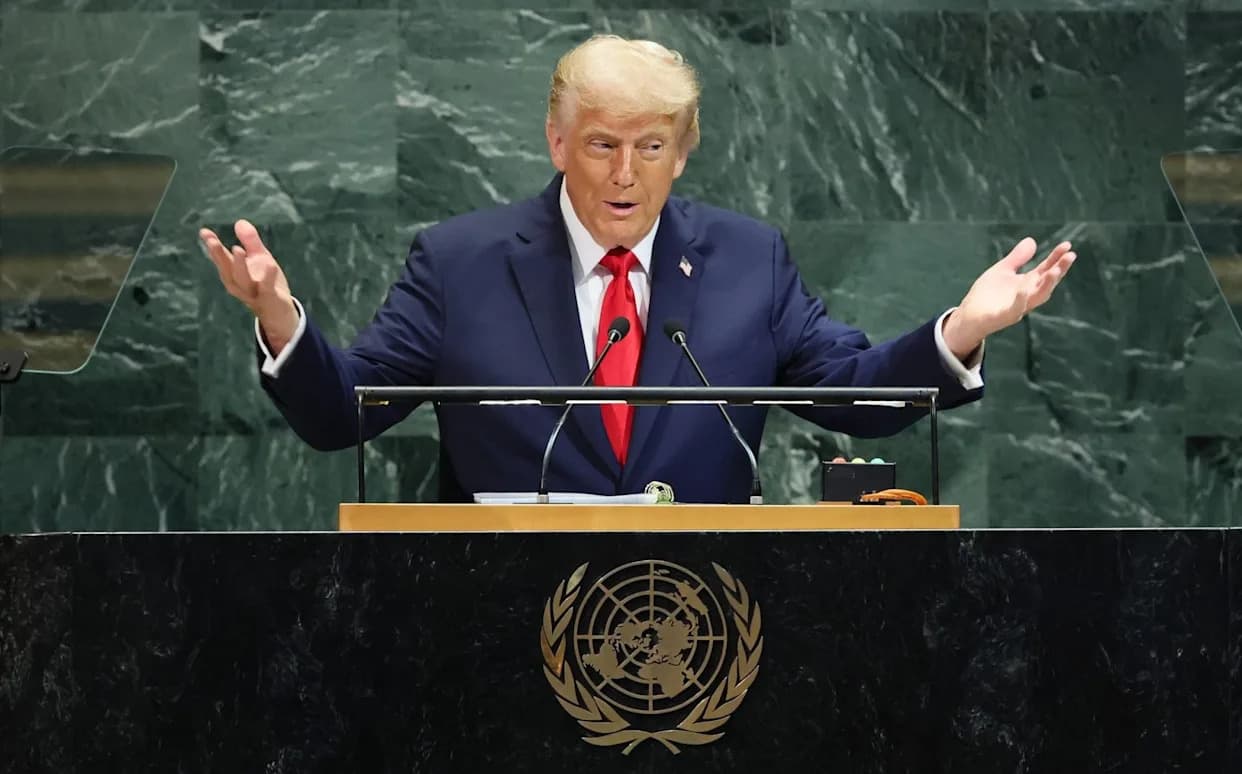
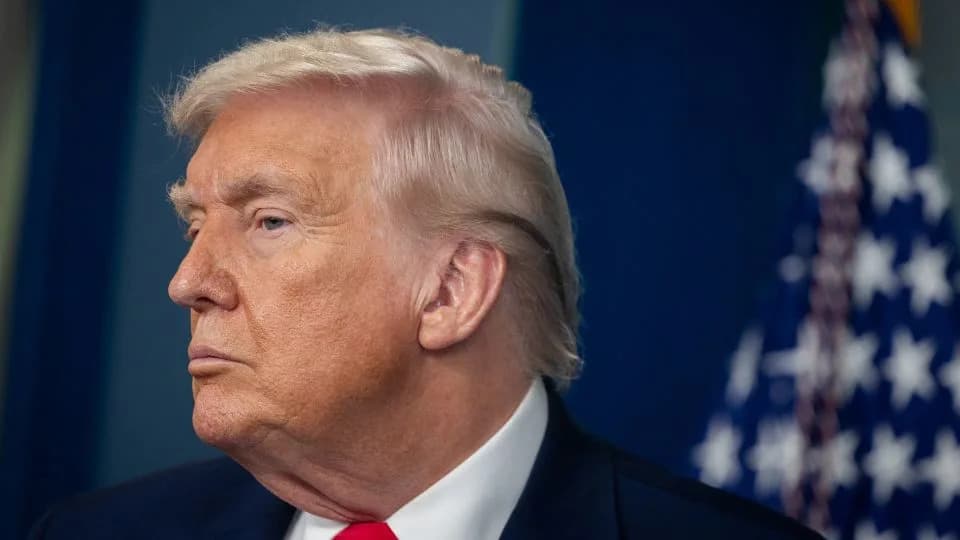
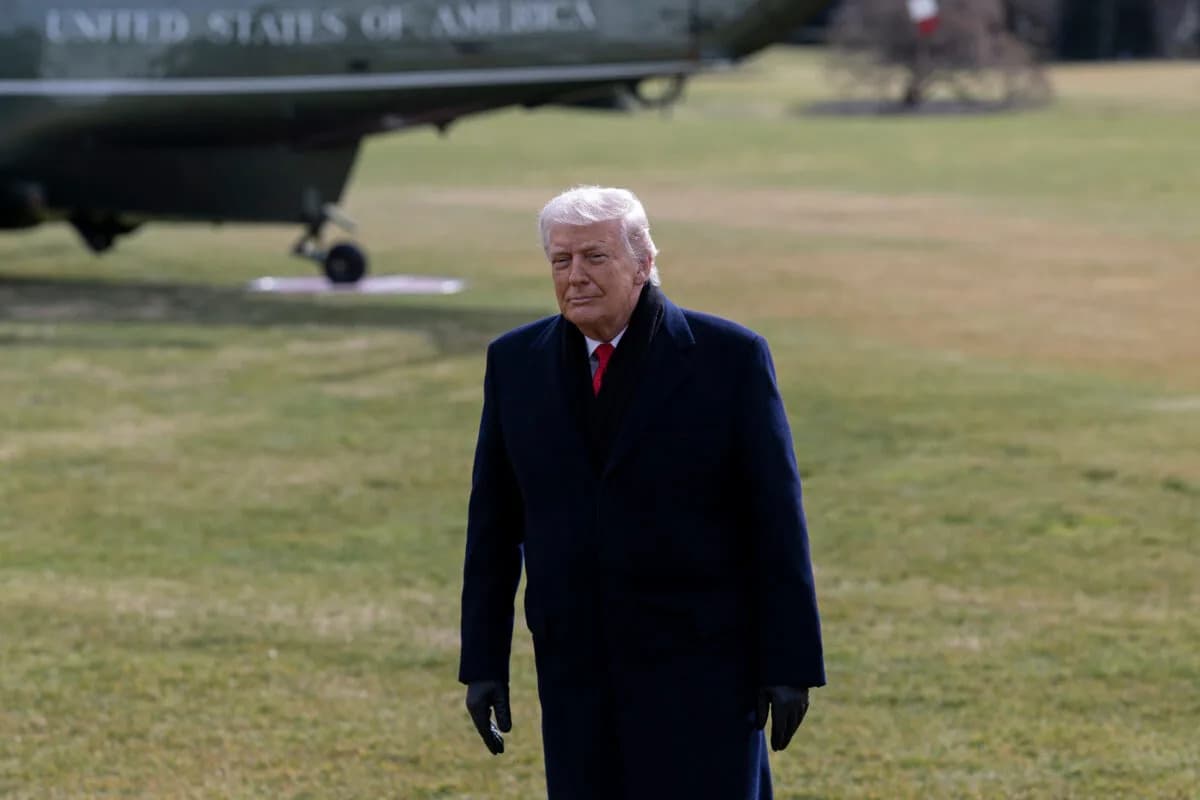
President Donald Trump meets with United Nations Secretary-General António Guterres during the 80th session of the UN’s General Assembly at the United Nations headquarters Sept. 23, 2025, in New York City.
"There are times where the U.N. has been incredibly helpful to U.S. foreign policy and objectives, but there are also times where it’s working against us. It has become bloated. It has become duplicative. It has lost its way from its original founding." — Ambassador Mike Waltz
Waltz described the U.S. approach as a demand for measurable results and better stewardship of American taxpayer dollars. He framed this as "tough love" intended to force the U.N. to live up to its founding mandate of peace and security.
What Has Changed at the U.N. — And What Still Needs To
The ambassador pointed to recent decisions as signs of progress: nearly 3,000 headquarters positions have been cut, the U.N. approved what Waltz called its first-ever overall budget reduction (a 15% cut), and global peacekeeping budgets are being reduced by about 25%. He said many inside the organization privately welcome the pressure to reform, but argued that structural changes must deliver concrete improvements in outcomes.
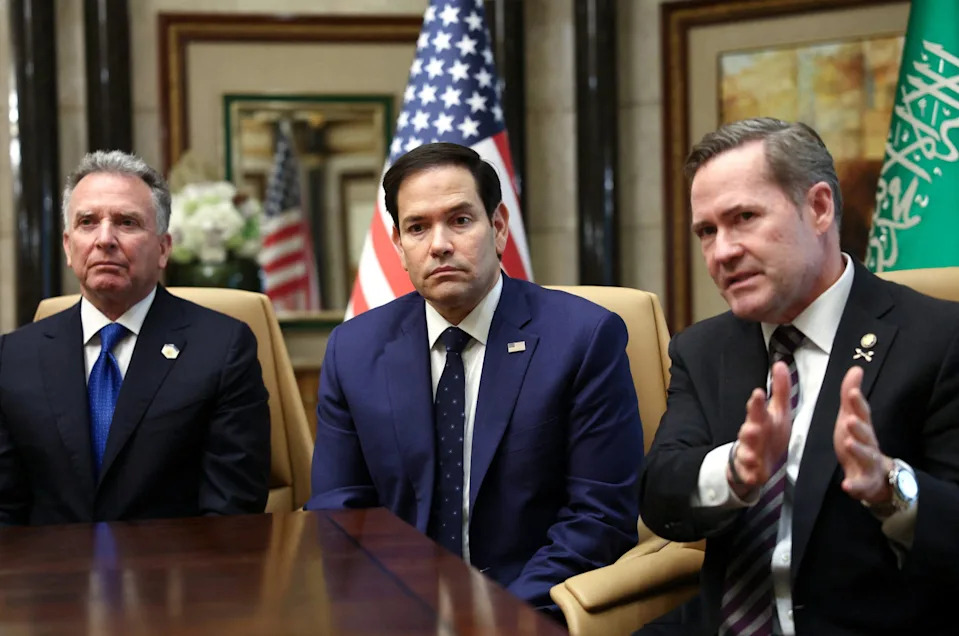
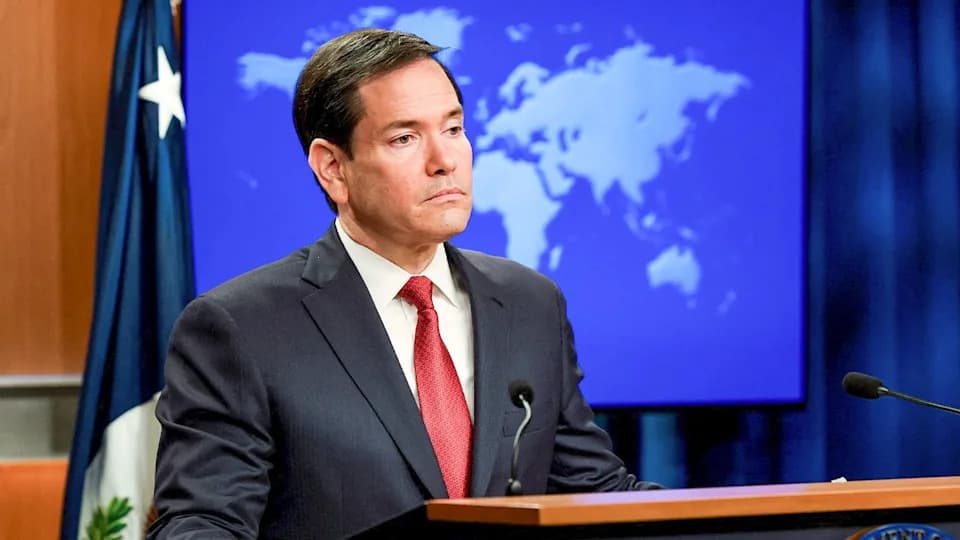
U.S. Secretary of State Marco Rubio, U.S. National Security Advisor Mike Waltz and U.S. Middle East envoy Steve Witkoff attend an interview after meeting with Russian Foreign Minister Sergei Lavrov and Russian President Vladimir Putin's foreign policy advisor Yuri Ushakov at Diriyah Palace in Riyadh, Saudi Arabia, Feb. 18, 2025.
"The U.N.’s budget has quadrupled in the last 25 years. We haven’t seen a quadrupling of peace around the world. In fact, it’s gone the opposite direction." — Ambassador Mike Waltz
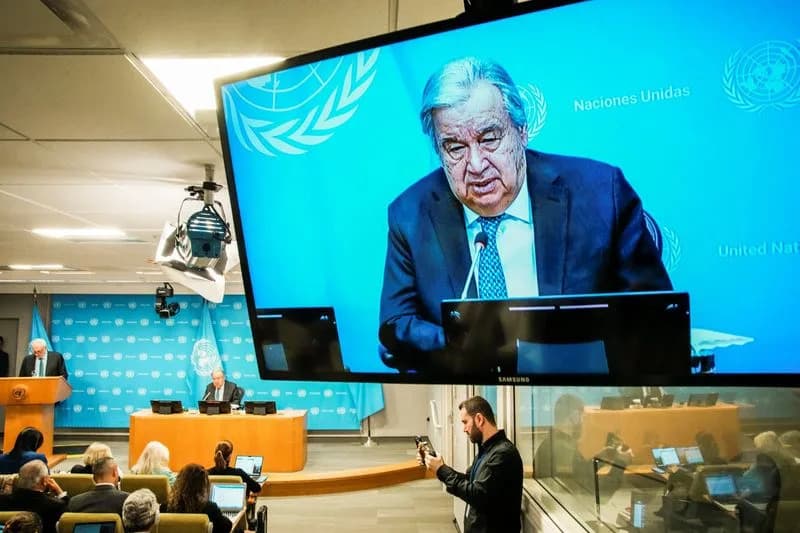
U.N. Secretary-General António Guterres, however, has described the immediate funding shortfall primarily as a result of unpaid obligations by several member states. When asked what assures him the United States will meet its obligations, Guterres replied: "Obligations are obligations. So, in relation to obligations, it’s not a matter of having confidence. It’s a matter of obligations being met." The secretary-general's spokesperson also defended the organization's recent management reforms.
Board of Peace And The 20-Point Plan
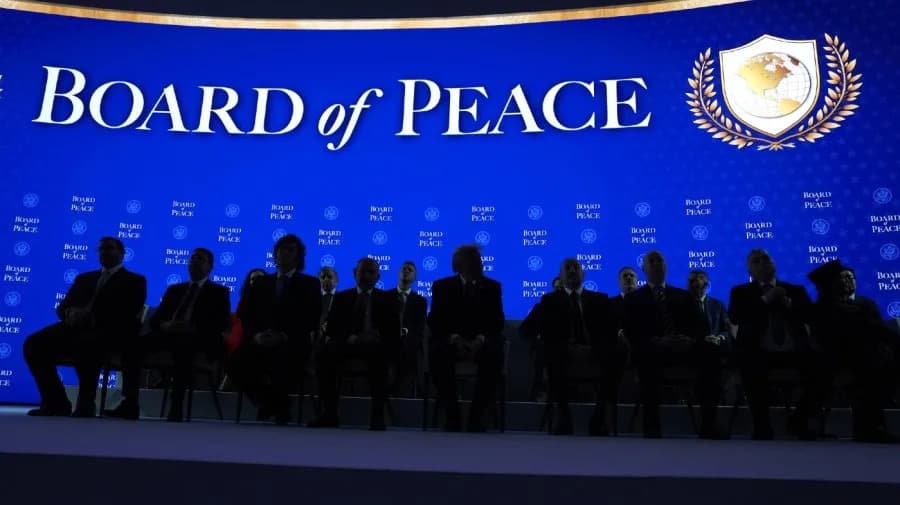
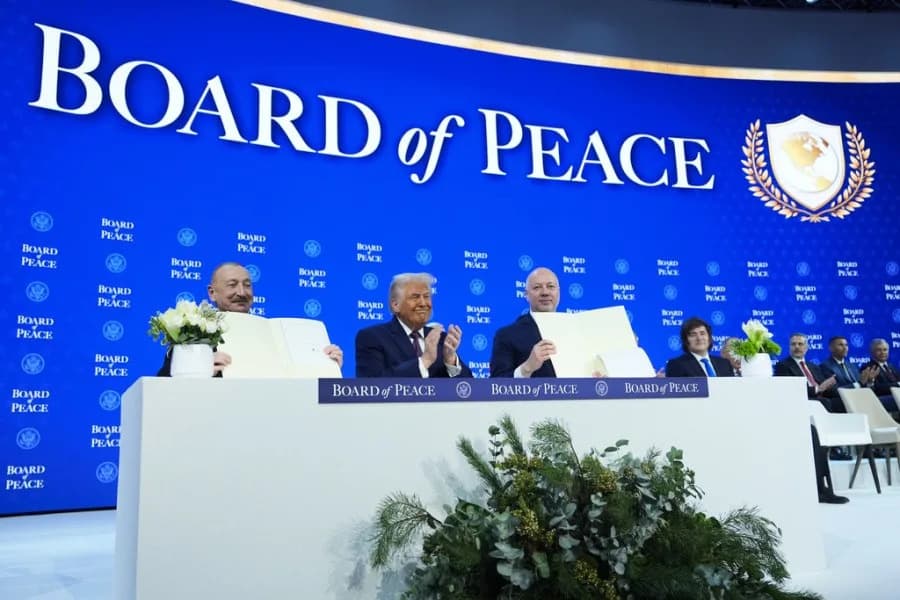
Asked whether the administration’s Gaza peace framework and a proposed Board of Peace are meant to supplant the U.N., Waltz said they are intended to complement—not replace—the world body. He said the Board of Peace, part of the president’s 20-point plan, would bring regional governments together to stabilize conflict zones, coordinate reconstruction funding and restore basic services where governments are weakened.
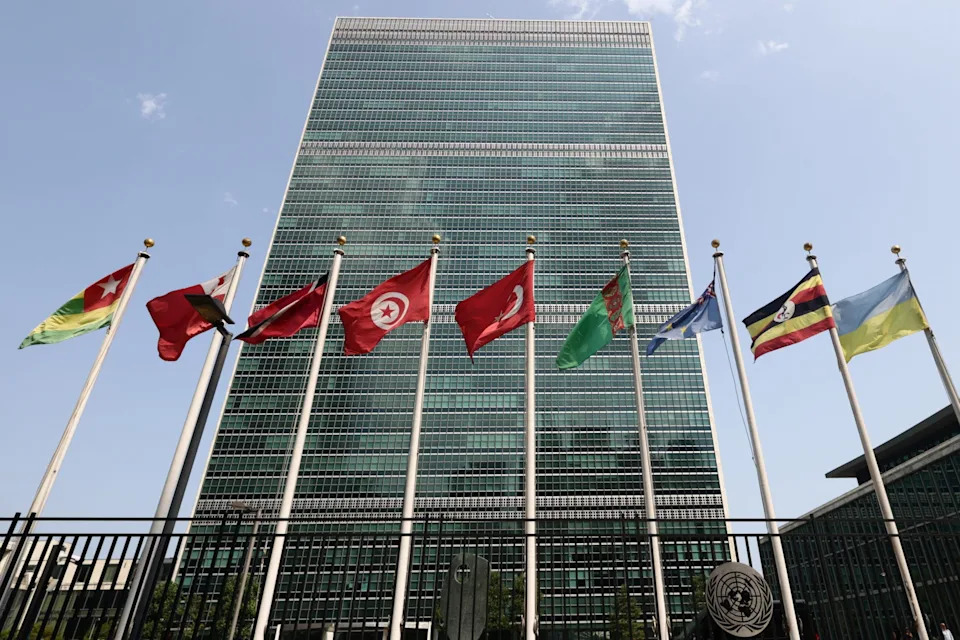
United Nations Headquarters in New York City July 16, 2024.
"The Egyptians are involved, Turkey’s involved, the Gulf Arabs, Jordan and, importantly, the Israelis. We’re going to have a stabilization force. We’re going to have a funding mechanism for rebuilding humanitarian aid … and this Palestinian technocratic committee that can restore government services." — Ambassador Mike Waltz
Vision: A Narrower, Mission-Focused U.N.
Looking ahead, Waltz said the administration seeks a narrower, more mission-driven U.N. focused on security, conflict resolution and economic development. He urged greater private-sector engagement to reduce developing-country dependence on traditional aid models and encouraged the U.N. to produce measurable, outcome-oriented results.
Summing up his role, Waltz described himself as an executor of the president’s foreign-policy vision: to leave the U.N. better equipped to lead conflict resolution, so Washington is not forced to carry every diplomatic burden alone.
"I’m a vessel for the president’s vision. From my perspective, at the end of his administration, he looks at a U.N. that is leading in driving countries toward peaceful conclusions to conflicts around the world and asking for his help." — Ambassador Mike Waltz
Help us improve.