The United States plans to make an initial payment within weeks toward the billions it owes the United Nations, Ambassador Mike Waltz said, while urging continued UN80 reforms to improve efficiency. U.N. officials say the U.S. accounts for more than 95% of assessed arrears — roughly $2.19 billion for the regular budget, plus about $2.4 billion for peacekeeping. Congress has approved a bill including $3.1 billion for U.S. dues, and both sides expect further negotiations on assessments and reforms.
U.S. To Send Initial Payment Toward Billions Owed To U.N.; Ambassador Urges Faster Reforms
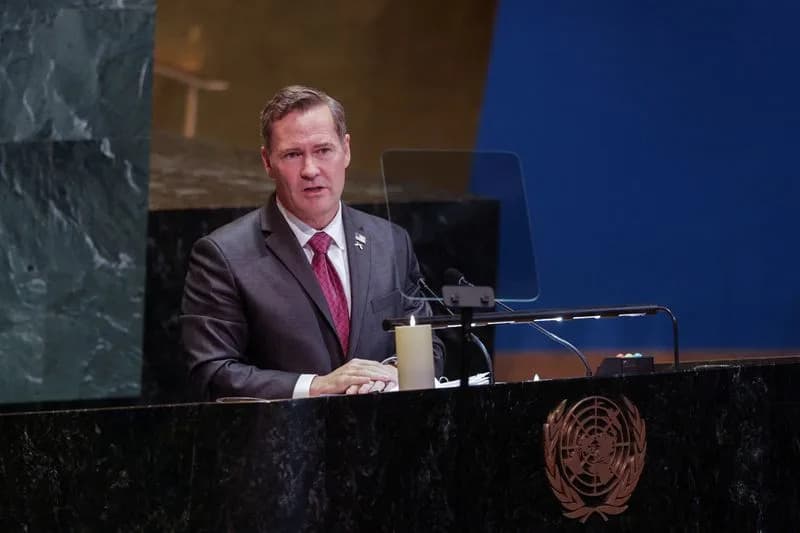
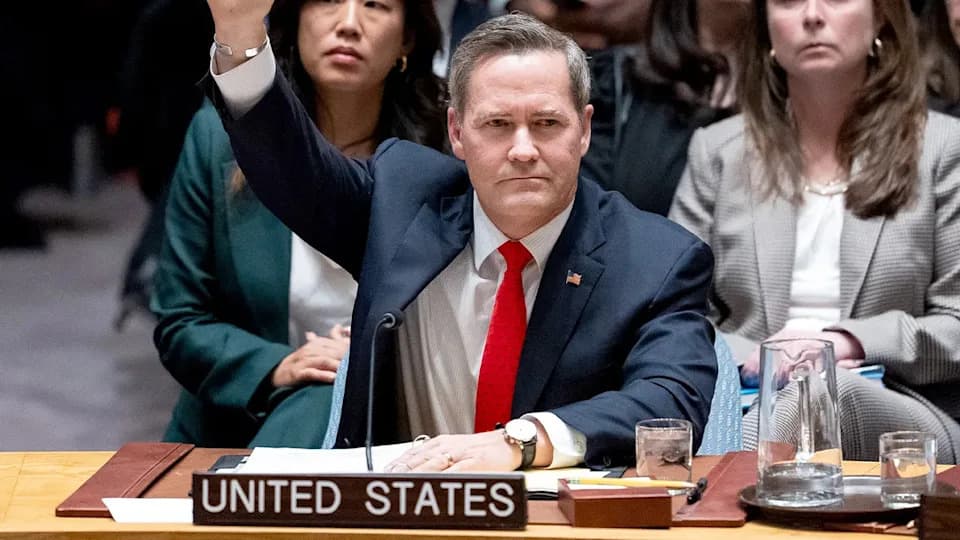
U.S. Ambassador to the United Nations Mike Waltz addresses an event marking the International Holocaust Remembrance Day at the United Nations headquarters in the Manhattan borough of New York City, U.S., January 27, 2026. REUTERS/Jeenah Moon
The United States will make an initial payment in the coming weeks toward the multibillion-dollar arrears it owes the United Nations, U.S. Ambassador to the U.N. Mike Waltz told Reuters, while urging the U.N. to continue and deepen internal reforms.
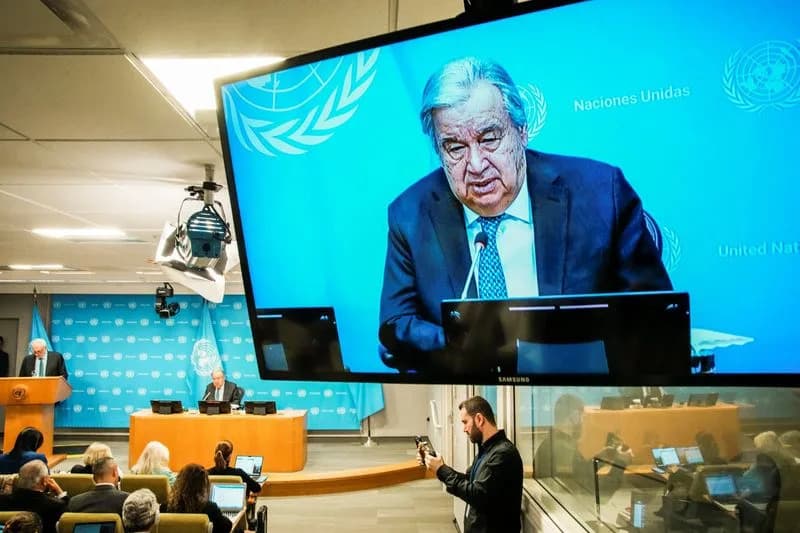
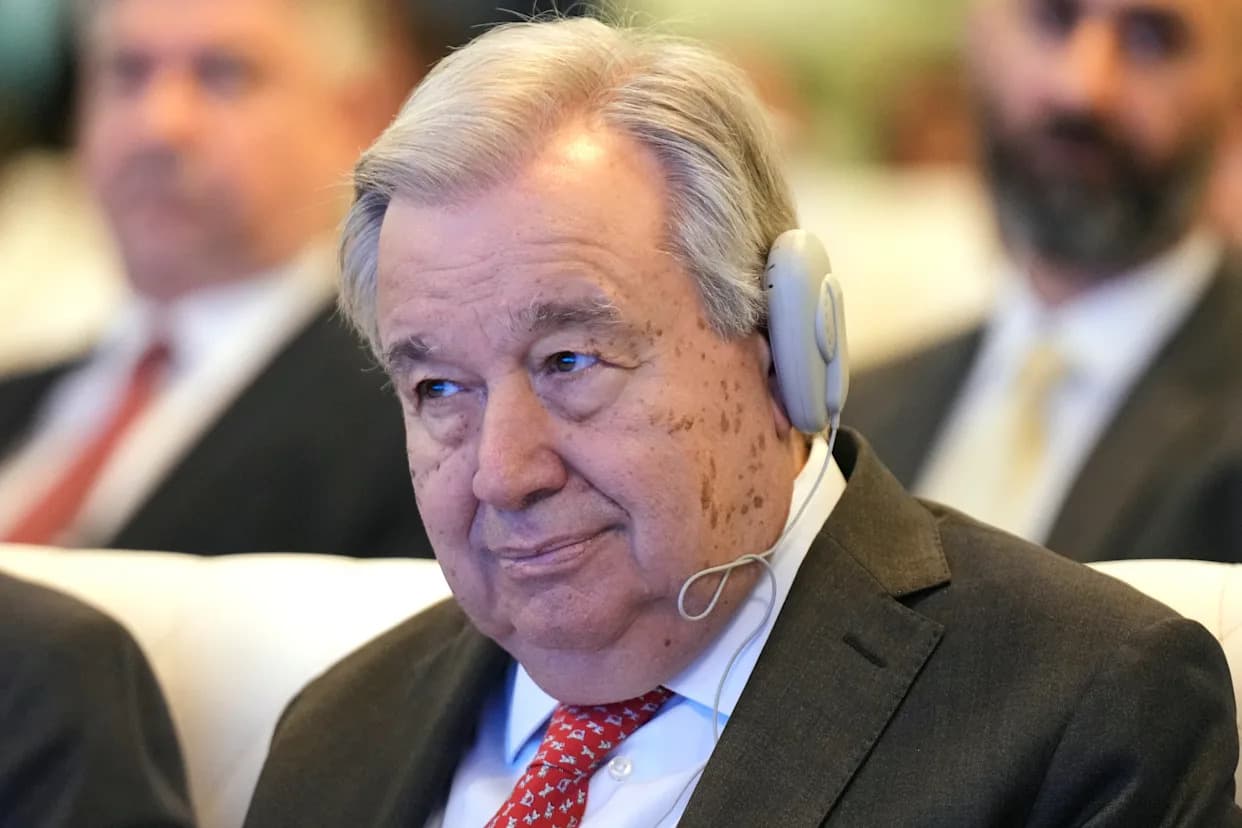
Waltz's comments came roughly two weeks after U.N. Secretary-General António Guterres warned that the 193-member organization faced an "imminent financial collapse" because of unpaid assessed contributions, most of which are owed by the United States.
Details Of The Arrears And The Planned Payment
"You'll certainly see an initial tranche of money very shortly," Waltz said. "It'll be a significant ... down payment on our annual dues ... I don't believe that the ultimate figure is decided, but it'll be in a matter of weeks."
U.N. officials say the United States accounts for more than 95% of what is owed to the regular U.N. budget — about $2.19 billion as of the start of February. In addition, Washington reportedly owes roughly $2.4 billion for current and past peacekeeping operations and about $43.6 million related to U.N. tribunals.
U.N. officials also note that the U.S. did not contribute to the regular budget last year and now owes $827 million for 2025, along with $767 million for the 2026 assessment. Congress recently approved a spending bill that includes $3.1 billion earmarked for U.S. dues to the U.N. and other international organizations.
Push For Reform: UN80 And Efficiency Measures
Waltz said the U.S. supports Secretary-General Guterres' UN80 reform package as an important first step but argued it does not go far enough. He emphasized a focus on "getting back to basics — on peace and security" and said the administration wants the U.N. to be more mission-focused and efficient.
"This is some tough love. The current model is unsustainable for a lot of countries, and we're trying to get the U.N. back, fit for purpose and focused, and stop trying to do everything for everyone." — Ambassador Mike Waltz
Waltz highlighted duplication across U.N. agencies — for example, several bodies listing climate change as a primary mission — and called for consolidation of logistics and back-office functions to reduce bureaucracy and costs.
Financial Rules And Next Steps
Guterres has warned the U.N. could run out of cash by July and criticized a rule that requires the organization to credit back unspent assessed contributions to member states even when the funds were never received. Waltz said member states should change that rule. He also cited a "statutory disconnect" between U.N. assessments and what U.S. law currently allows the government to pay, a gap he expects to address when assessments are renegotiated next year.
The United States’ planned initial payment is likely to ease immediate cash pressure, but both U.S. officials and the U.N. signal more discussions on budgeting, assessments and reforms will continue in the months ahead.
(Reporting by David Brunnstrom; Editing by Diane Craft)
Help us improve.