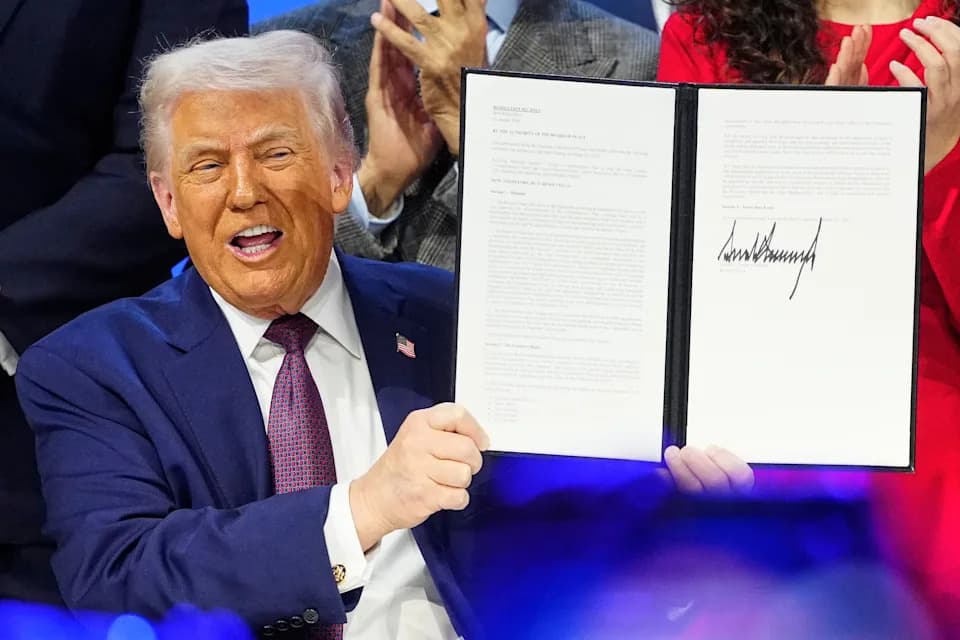
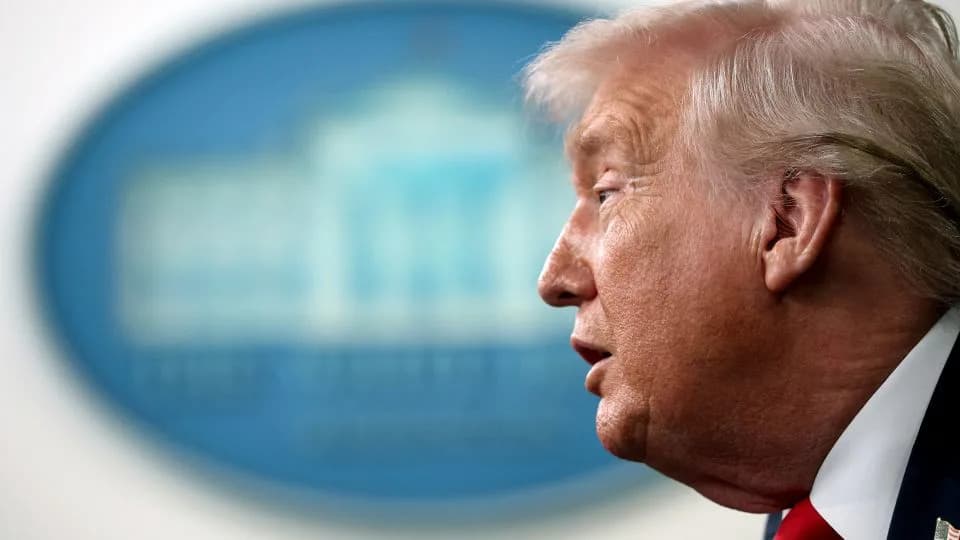
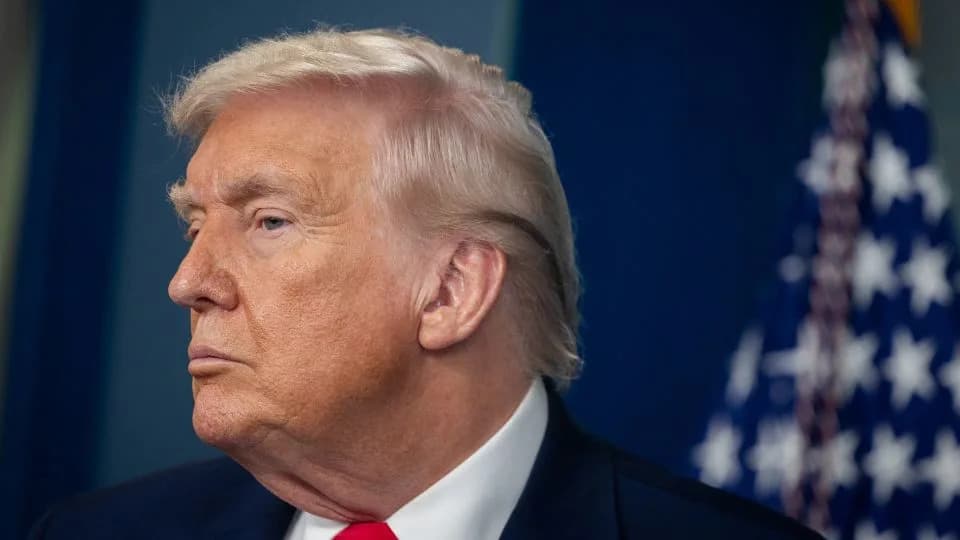
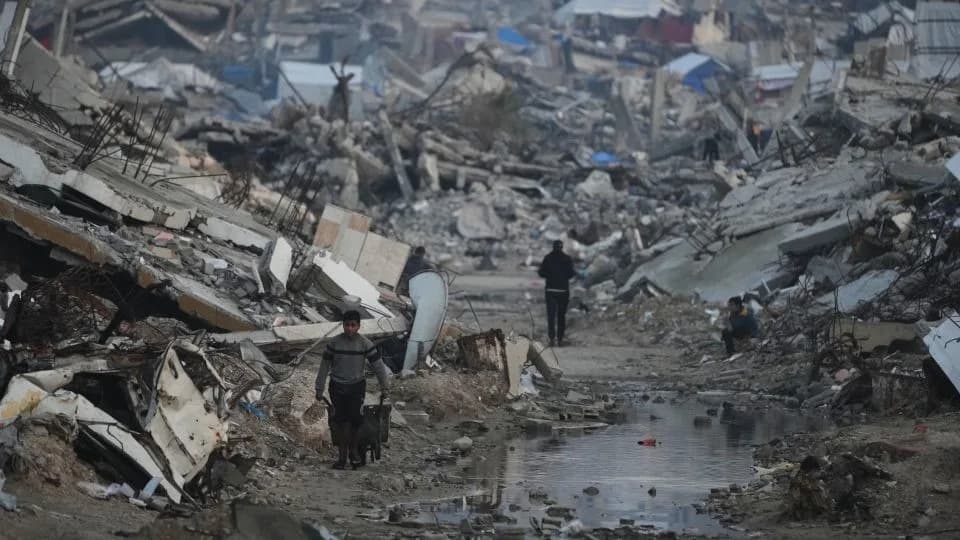
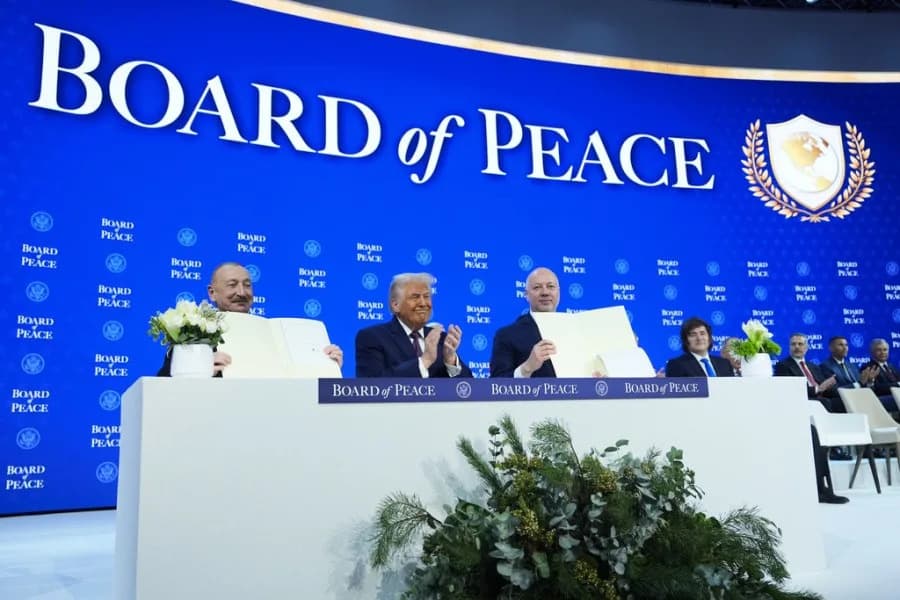
The White House is reportedly organizing a Feb. 19 leaders' meeting in Washington for President Trump's newly created "Board of Peace," which is also expected to act as a Gaza reconstruction fundraiser. The board — which Trump will chair — has raised concerns it could undermine the U.N. and lacks Palestinian representation. A mid-November U.N. Security Council resolution referenced the board and a possible international stabilization force for Gaza; the October ceasefire there has been fragile and repeatedly breached.
White House Plans Feb. 19 'Board of Peace' Leaders' Meeting in Washington — Gaza Reconstruction Fundraiser
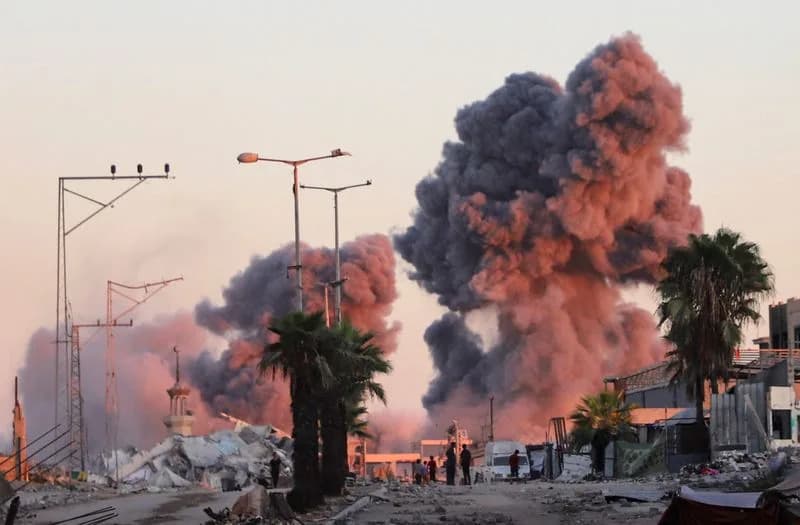
Smoke rises following an Israeli strike during a military operation in Gaza City, October 7, 2025. REUTERS/Ebrahim Hajjaj/File Photo
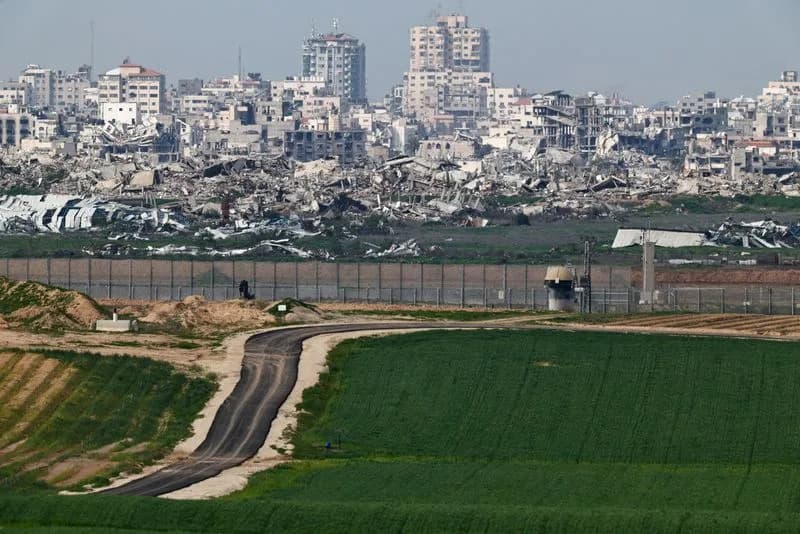
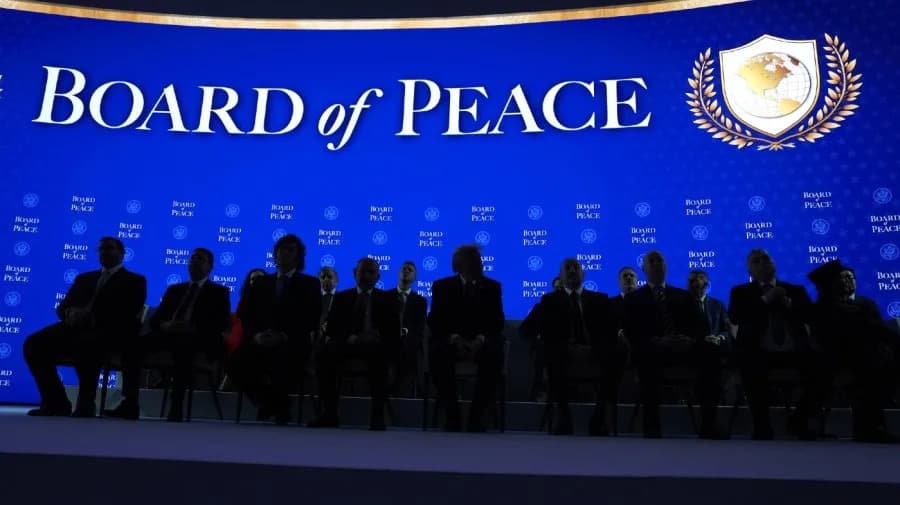
The White House is arranging the first leaders' meeting of President Donald Trump's newly formed "Board of Peace" on Feb. 19 in Washington, Axios reported, citing a U.S. official and diplomats from four countries that sit on the board. The session is expected to also serve as a fundraising conference to support reconstruction efforts in Gaza.
Location and Timing
The meeting is planned for the U.S. Institute of Peace. Axios said Israeli Prime Minister Benjamin Netanyahu is scheduled to meet President Trump at the White House on Feb. 18, one day before the planned board session. The event was described as being in early planning and subject to change.
Origins and Mandate
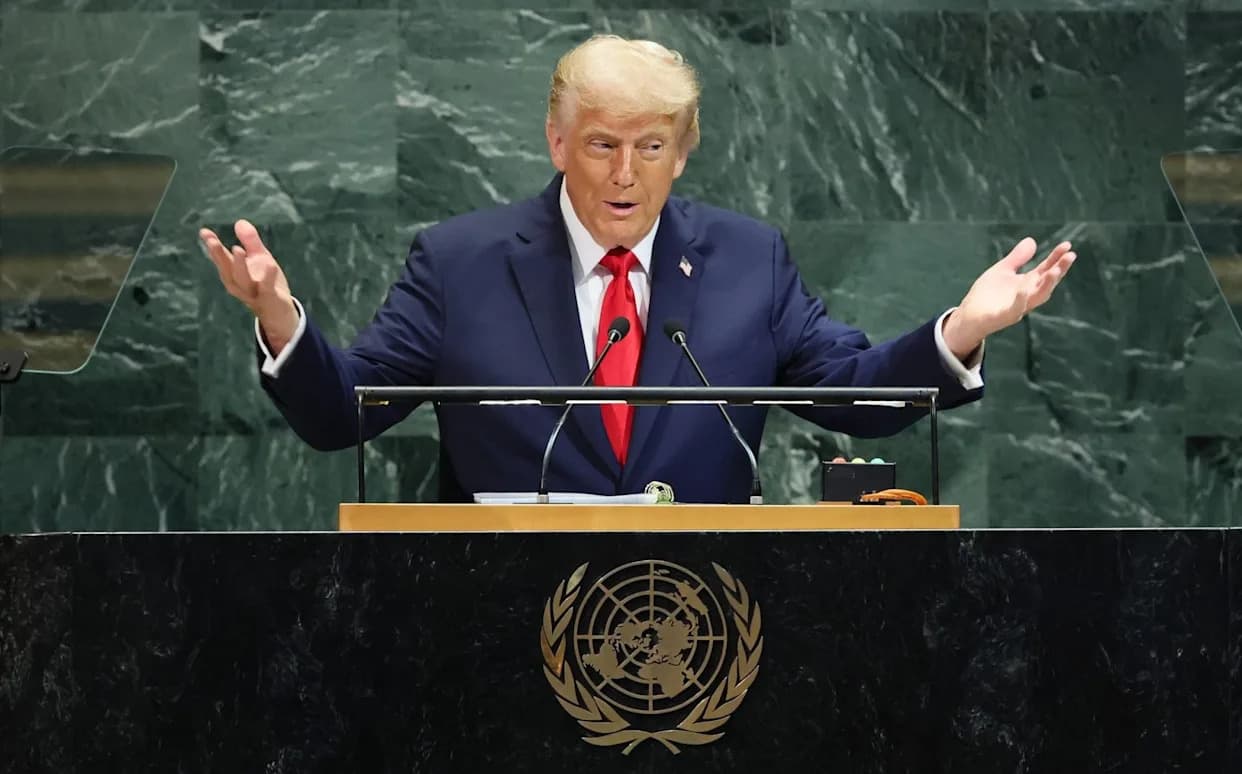
Mr. Trump announced the board in late January and said he would chair it. He described the initiative as aimed at resolving conflicts around the world; critics have warned it could weaken the U.N.'s role in international conflict resolution. A U.N. Security Council resolution adopted in mid-November authorized the board and participating countries to help establish an international stabilization force in Gaza and referenced a fragile ceasefire that began in October under a Trump plan that was endorsed — at least in principle — by both Israel and Hamas.
Criticism and Representation
Human rights experts and scholars have criticized the proposal, arguing that a U.S.-led board supervising a foreign territory risks resembling a colonial framework. Many critics have also pointed out that the board does not include Palestinian representation, a central concern for those advocating for local participation in Gaza's future governance.
Security and Humanitarian Context
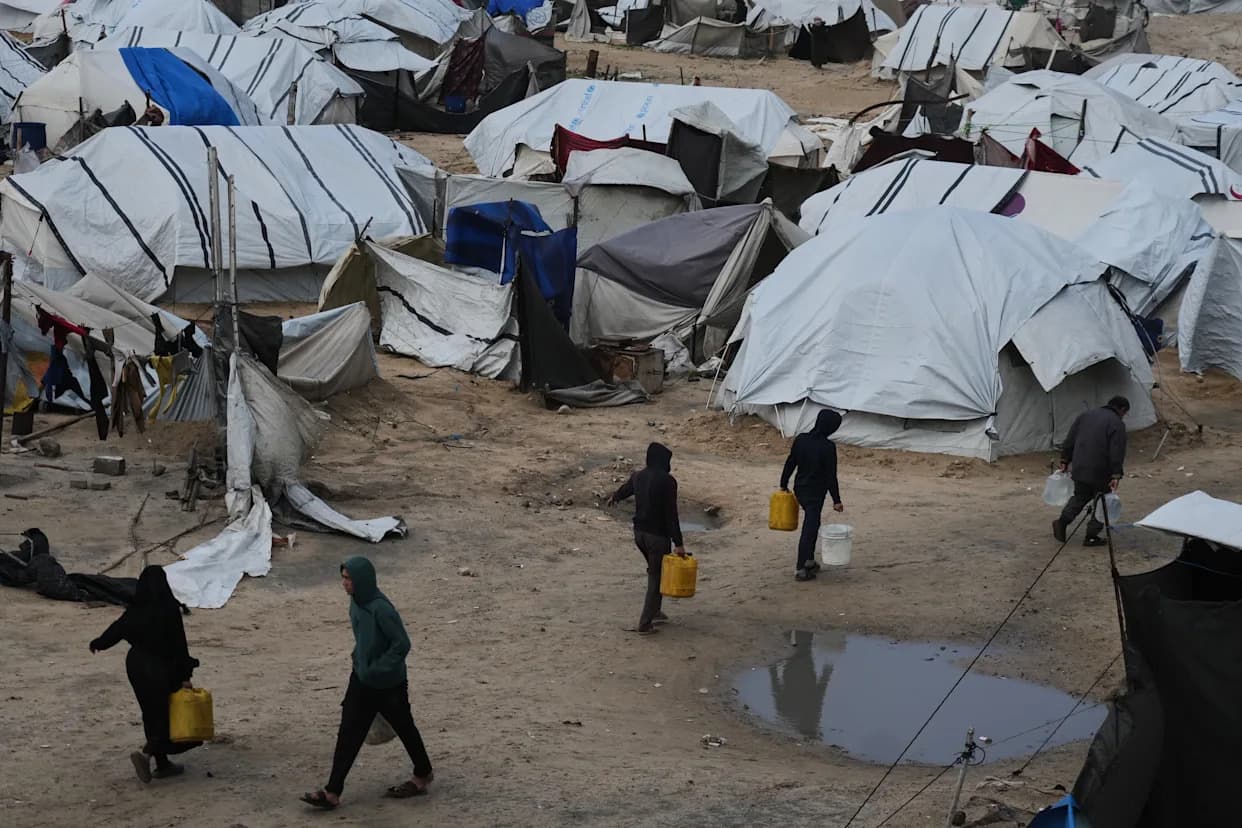
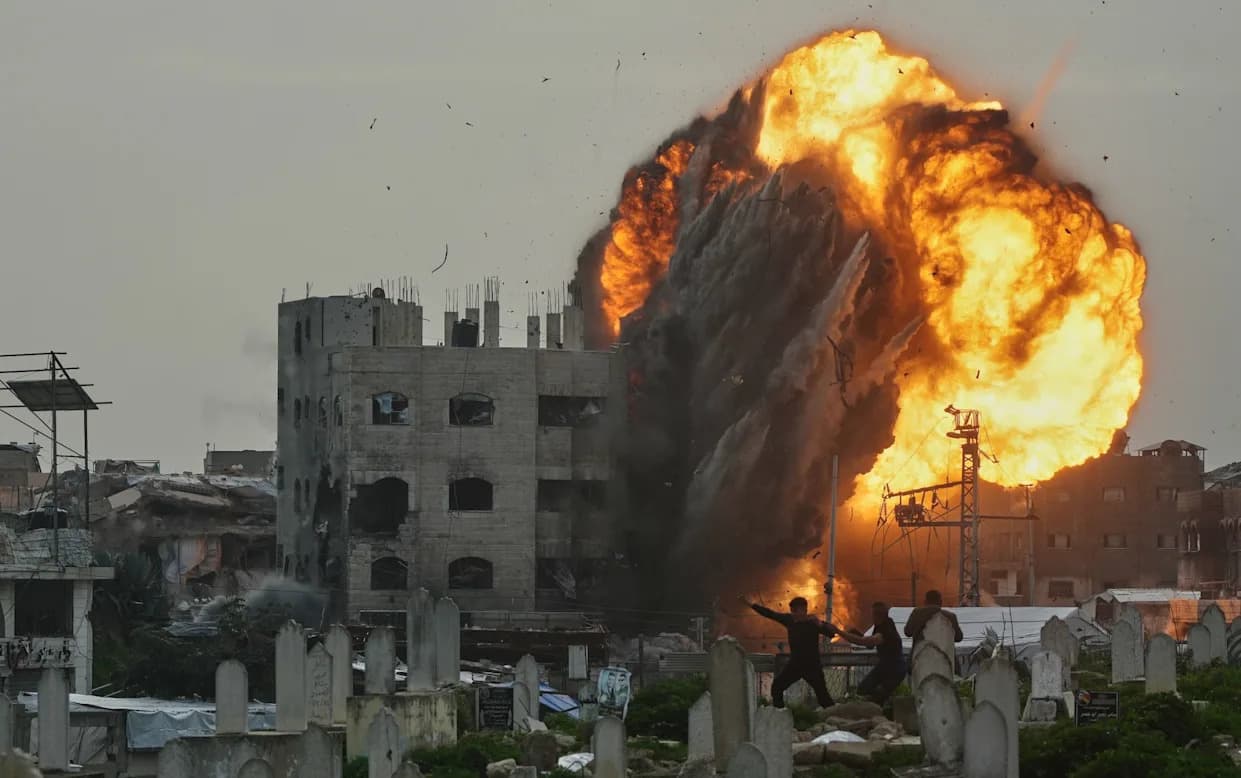
The ceasefire that began in October has been repeatedly violated. Since that truce started, reports indicate more than 550 Palestinians and four Israeli soldiers have been killed. Separately, reporting indicates Israel's military campaign in Gaza since late 2023 has resulted in very high Palestinian casualties, widespread displacement and a severe hunger crisis. Multiple human rights experts, independent scholars and a U.N. inquiry have concluded that aspects of the conduct in Gaza may amount to genocide; Israeli authorities say their operations are acts of self-defense after a Hamas-led attack in late 2023 that killed about 1,200 people and resulted in more than 250 hostages taken.
Note: Figures and characterizations in this article reflect reporting and statements from multiple sources, including rights groups and U.N. bodies. Some claims — such as allegations of genocide — are contested and have been advanced by independent investigators and rights experts; Israeli officials dispute those characterizations.
Diplomatic Reaction
Governments reacted cautiously to Washington's invitation to join the board. Some Middle Eastern partners have agreed to participate, while several traditional Western allies have so far opted not to join.
Reporting Credits
Reporting by Kanishka Singh and Ismail Shakil. Editing credited to Sam Holmes and Raju Gopalakrishnan. The White House and the U.S. State Department did not respond to requests for comment, according to the reporting.
Help us improve.