Women are starkly underrepresented in Bangladesh's upcoming election: fewer than 4% of candidates are female (76 of 1,981). Despite decades in which two women—Sheikh Hasina and Khaleda Zia—dominated national politics, most parties this year have fielded almost exclusively men. Activists blame entrenched patriarchy, sidelined reform efforts and rising hardline Islamist pressure, arguing that reserved seats have become largely tokenistic.
Pushed to the Margins: Women Nearly Absent From Bangladesh's Election Ballots
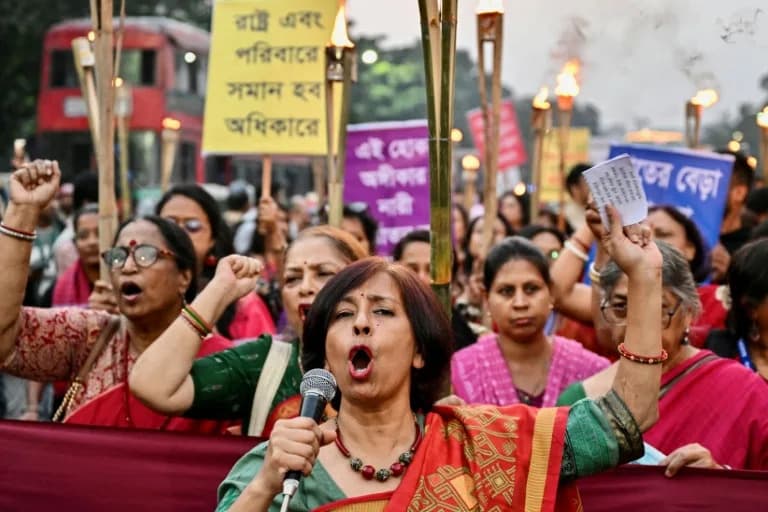
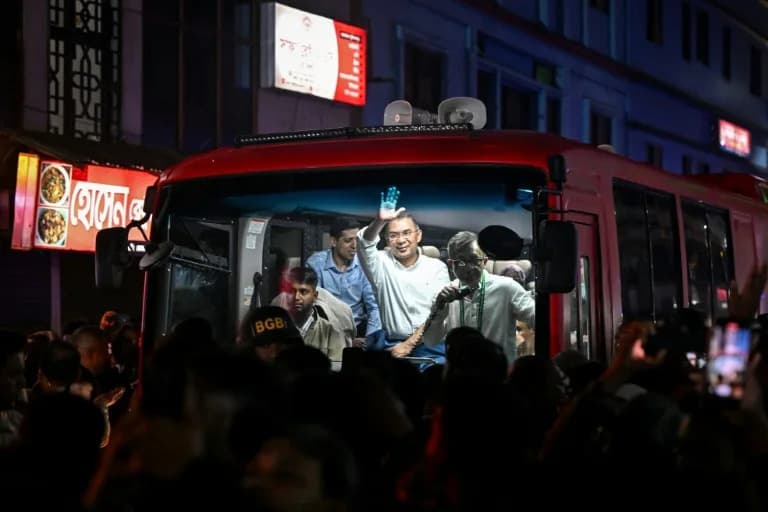
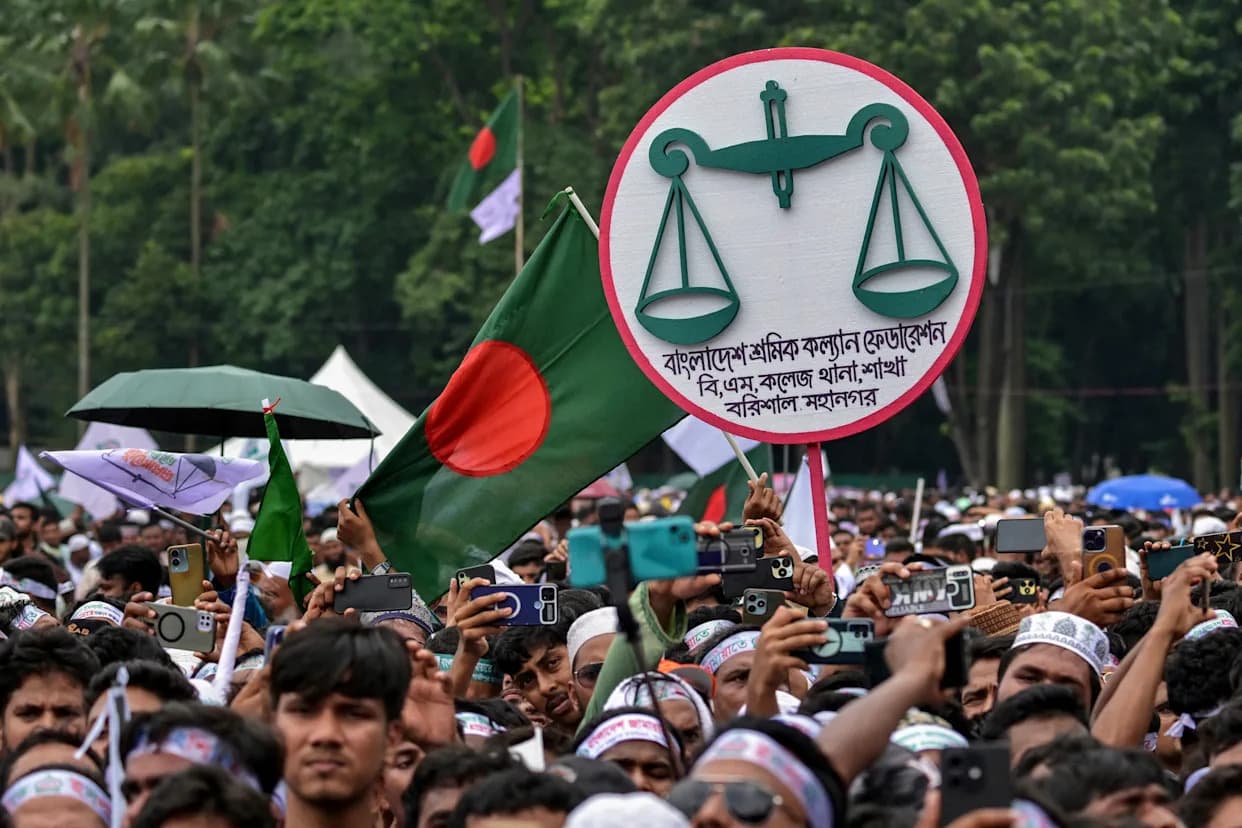
Women's political representation has always been limited in the conservative South Asian nation (Munir UZ ZAMAN)(Munir UZ ZAMAN/AFP/AFP)
For the first time in decades, women are all but absent from Bangladesh's parliamentary ballot. Despite playing key roles in the uprising that led to this election, women make up under 4% of candidates — just 76 of 1,981 people contesting 300 directly elected seats — and most major parties have nominated almost exclusively men.
A Legacy of Women at the Top—and a Sudden Void
Between 1991 and the 2024 revolution, Bangladesh’s politics were dominated by two women: Sheikh Hasina and Khaleda Zia. Both served multiple terms as prime minister and defined the country’s international image. Khaleda Zia, who led the Bangladesh Nationalist Party (BNP) for decades and served three terms as premier, died in December. Sheikh Hasina, a five-time prime minister toppled during the July 2024 uprising, is now in hiding in India and has been sentenced to death in absentia on crimes-against-humanity charges.
Numbers Tell the Story
Women account for fewer than 4% of candidates in this vote: 76 out of 1,981 contestants seeking 300 directly elected parliamentary seats. Since independence, the highest number of directly elected women in parliament was 22 after the 2018 election. In addition to the 300 directly elected seats, Bangladesh allocates 50 reserved seats for women through party lists — an arrangement critics say has entrenched tokenism rather than meaningful political power.
Barriers: Culture, Parties, and Rising Hardline Sentiment
Activists point to an entrenched patriarchal mindset, weak party support, and a recent surge in Islamist pressure as drivers of women's marginalisation. The caretaker government formed after the uprising established a Women’s Affairs Reform Commission, but critics say the commission has been sidelined and its recommendations overlooked.
“Women are censored, vilified... judged for simply being part of a political party,”
said Umama Fatema, an uprising leader. Student activist Samantha Sharmeen, now with the National Citizen Party (NCP), says she is excluded from key decision-making: “I don't take part in any decision‑making of my party... the biggest and most important decisions are not taken in our presence.”
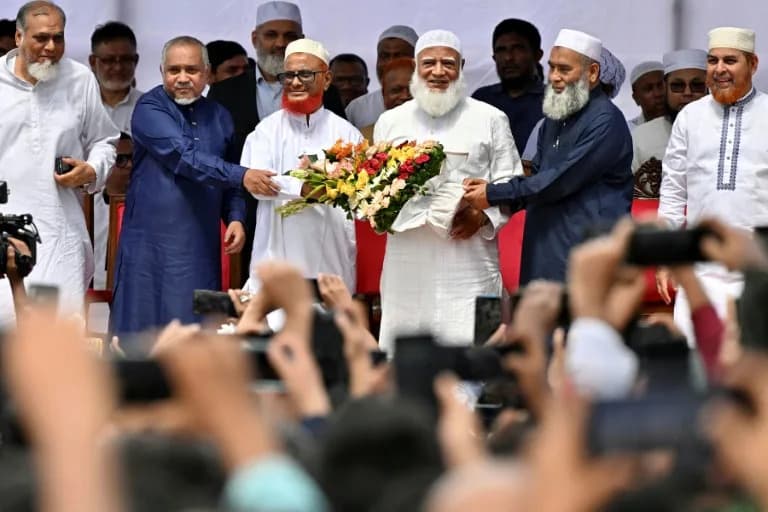
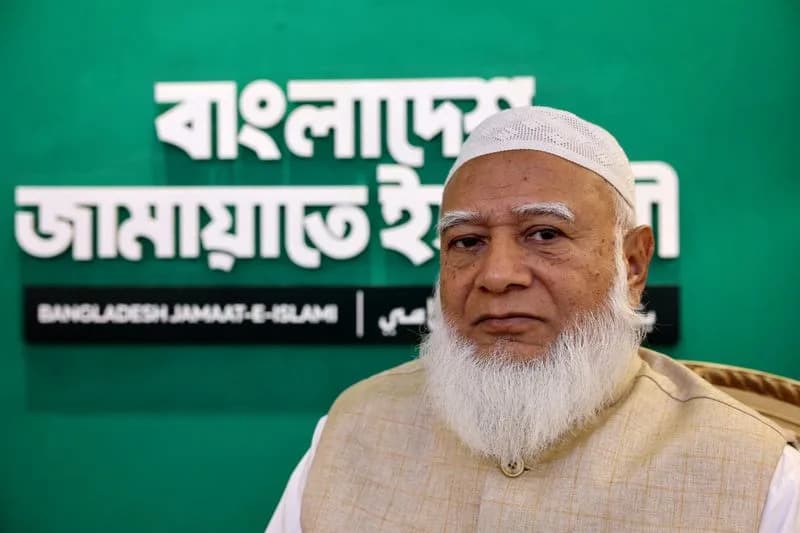
Hardline Islamist parties have also grown bolder. Jamaat-e-Islami — one of roughly 30 parties that nominated no women — publicly argues that society is not "ready and safe" for women in politics. A representative of its women's wing said, "In an Islamic organisation, there can't be any women leaders, we have accepted that." Such positions have coincided with calls to remove women from public commemorations and restrictions on women's sports and cultural activities.
Reserved Seats: Supporter or Symbol?
The 50 reserved seats for women were originally intended to help female leaders gain a foothold. Critics now say the system has backfired. "The concept of reserved seats is insulting," says Manisha Chakraborty of the Bangladesh Socialist Party, which nominated the highest proportion of women in this election (10 of 29 candidates). Former minister Abdul Moyeen Khan acknowledged the original intent but said the arrangement has not delivered the expected results. Selima Rahman, the only woman on the BNP's standing committee, says promising women often "fade away" for lack of party backing.
What This Means Going Forward
First-time voter Ariana Rahman, 20, lamented the absence of women on the ballot: "More women in this election would have made me feel better represented. The next few years are likely to be more hostile towards women." Campaigners warn that without active party support, legal reforms and civic pressure, women's participation will remain minimal and largely symbolic.
rtm-abh/lb
Help us improve.