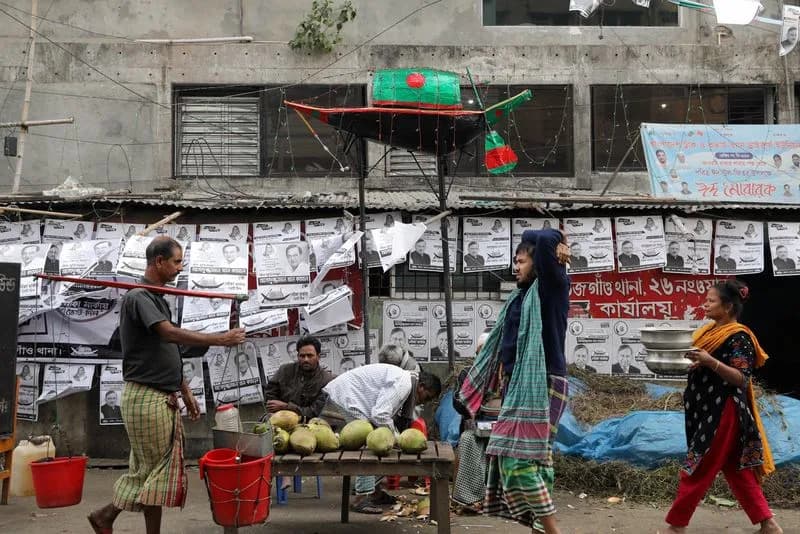
Shafiqur Rahman, a 67-year-old doctor and preacher, leads an 11-party Islamist coalition into Bangladesh's first national vote since the 2024 uprising that removed Sheikh Hasina. He promises "moral renewal" and a corruption-free administration, but past remarks on women and the presence of hardline partners have alarmed women and religious minorities. Rahman has sought to reassure voters by pledging minority protections and a balanced foreign policy with India, yet his coalition's composition and history raise deep questions about the future of Bangladesh's secular constitution.
Bangladesh Vote: Islamist Leader Shafiqur Rahman Seeks Power After 2024 Uprising
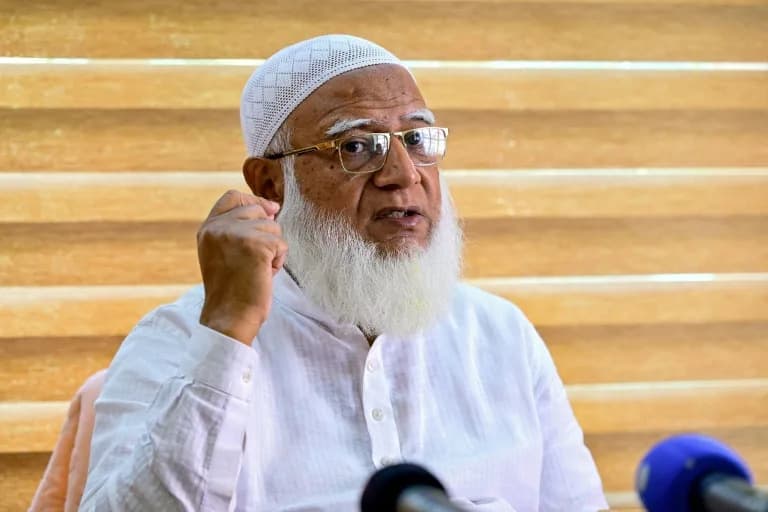
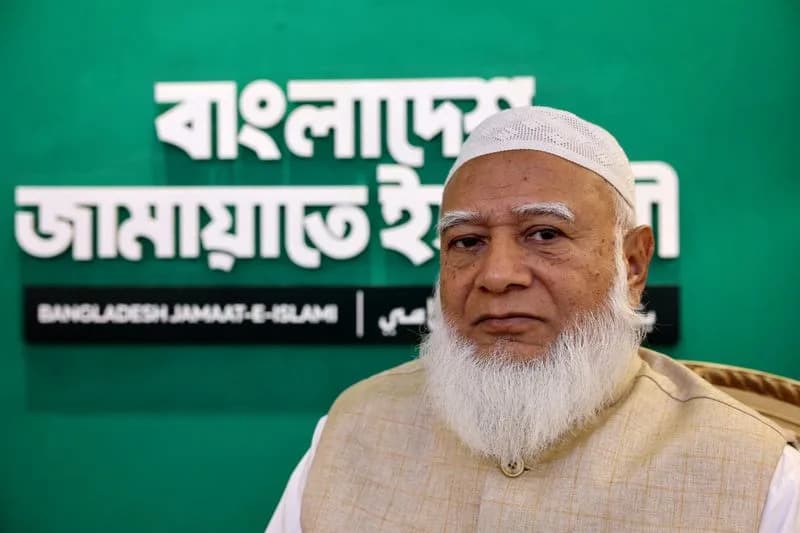
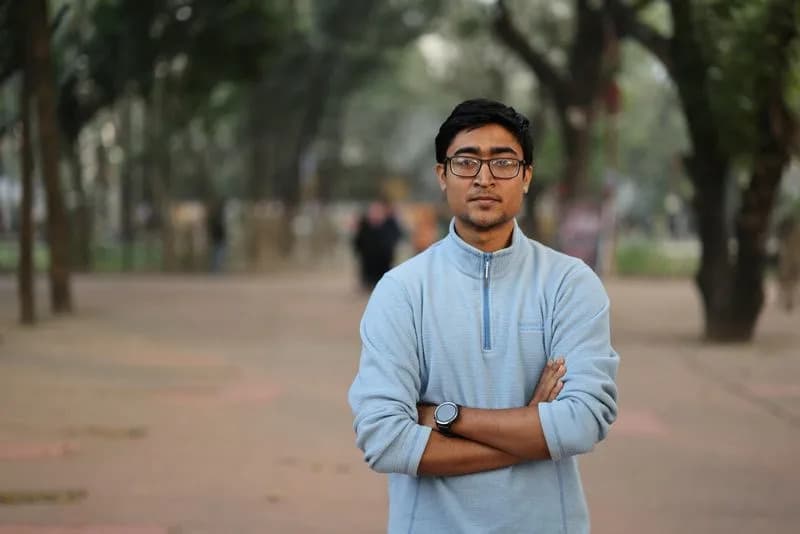
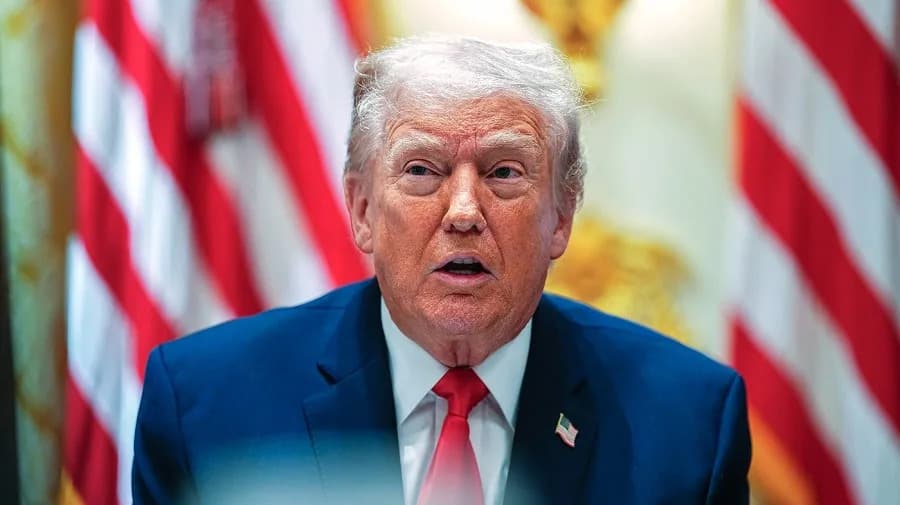
Party leader Shafiqur Rahman could form the first Islamist-led government in constitutionally secular Bangladesh (Munir Uz Zaman)(Munir Uz Zaman/AFP/AFP)
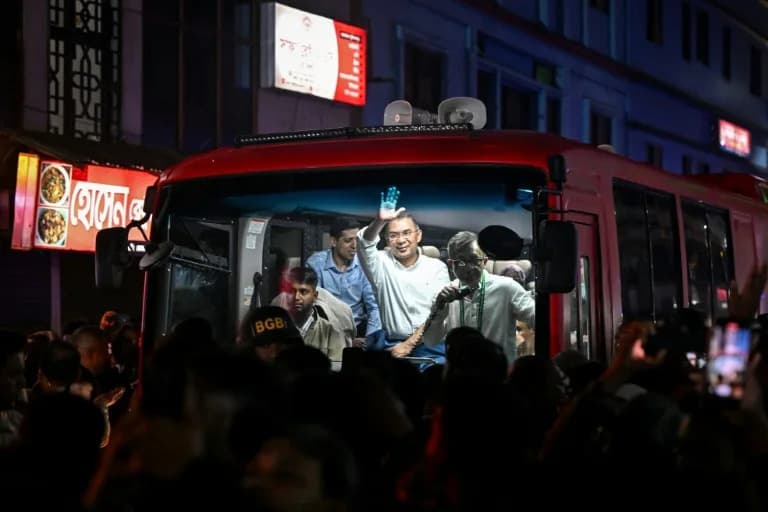
Shafiqur Rahman, the 67-year-old head of Bangladesh's largest Islamist party, is leading an 11-party coalition into a national election that will be the country's first since the 2024 uprising that toppled long-time prime minister Sheikh Hasina. If elected, Rahman could become the first leader of an Islamist-led government in a nation whose constitution declares it secular.
Background
A doctor and preacher by training, Rahman has contested parliamentary elections in 1996, 2001 and 2018 and was previously imprisoned for political activity. On the campaign trail he presents a distinctive image — dressed in white with a flowing white beard — and has pledged a platform of "moral renewal" and rule-based, corruption-free governance.
Campaign, Controversies and Messaging
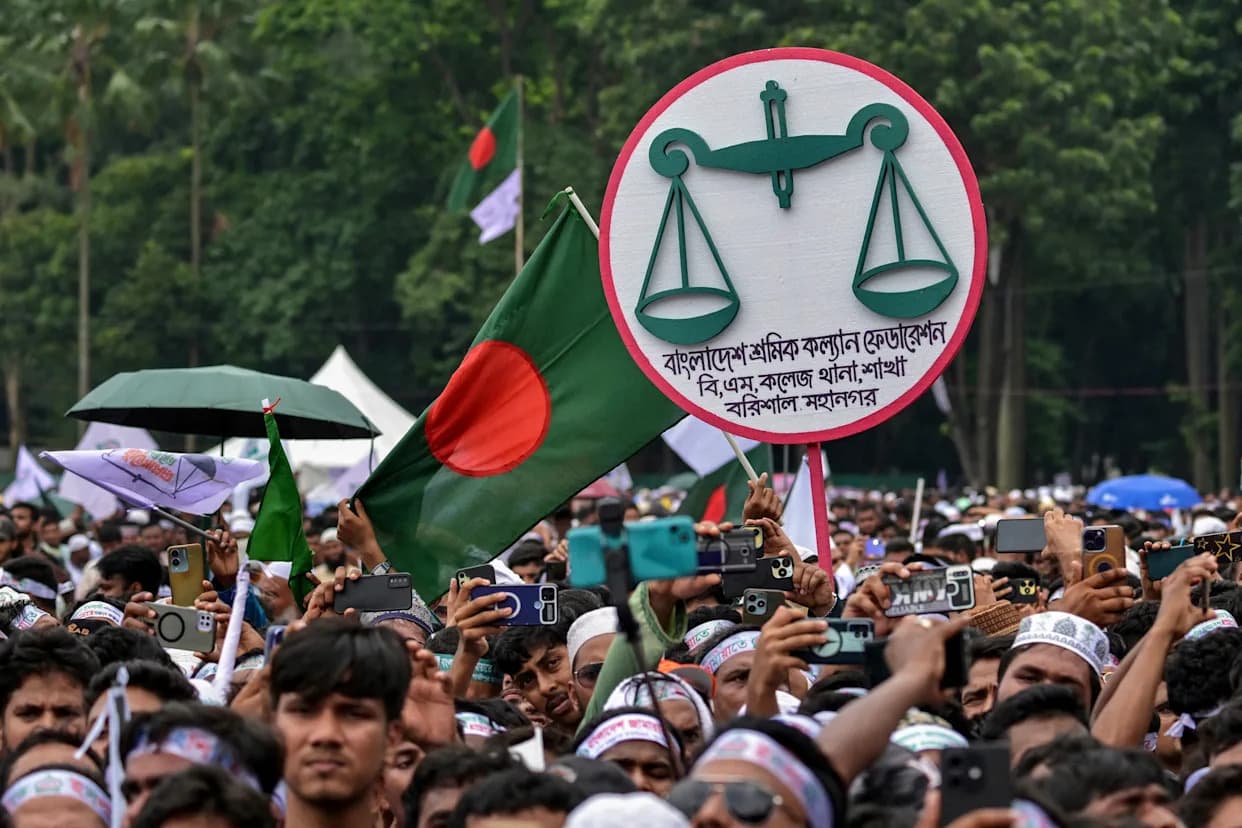
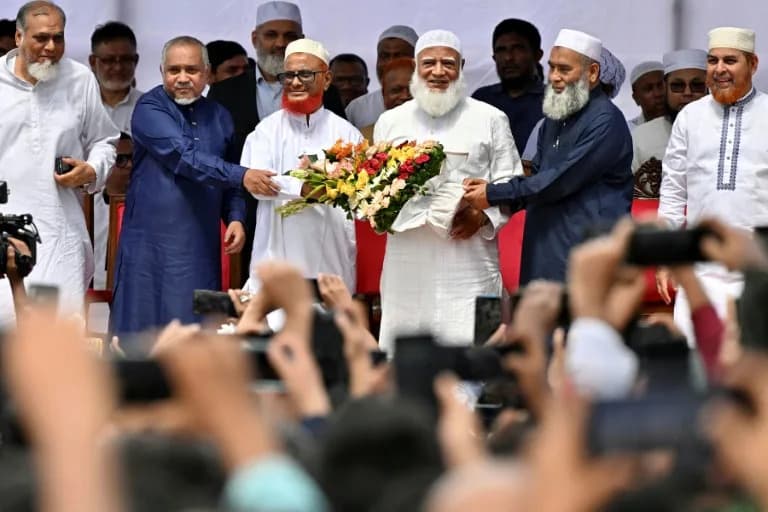
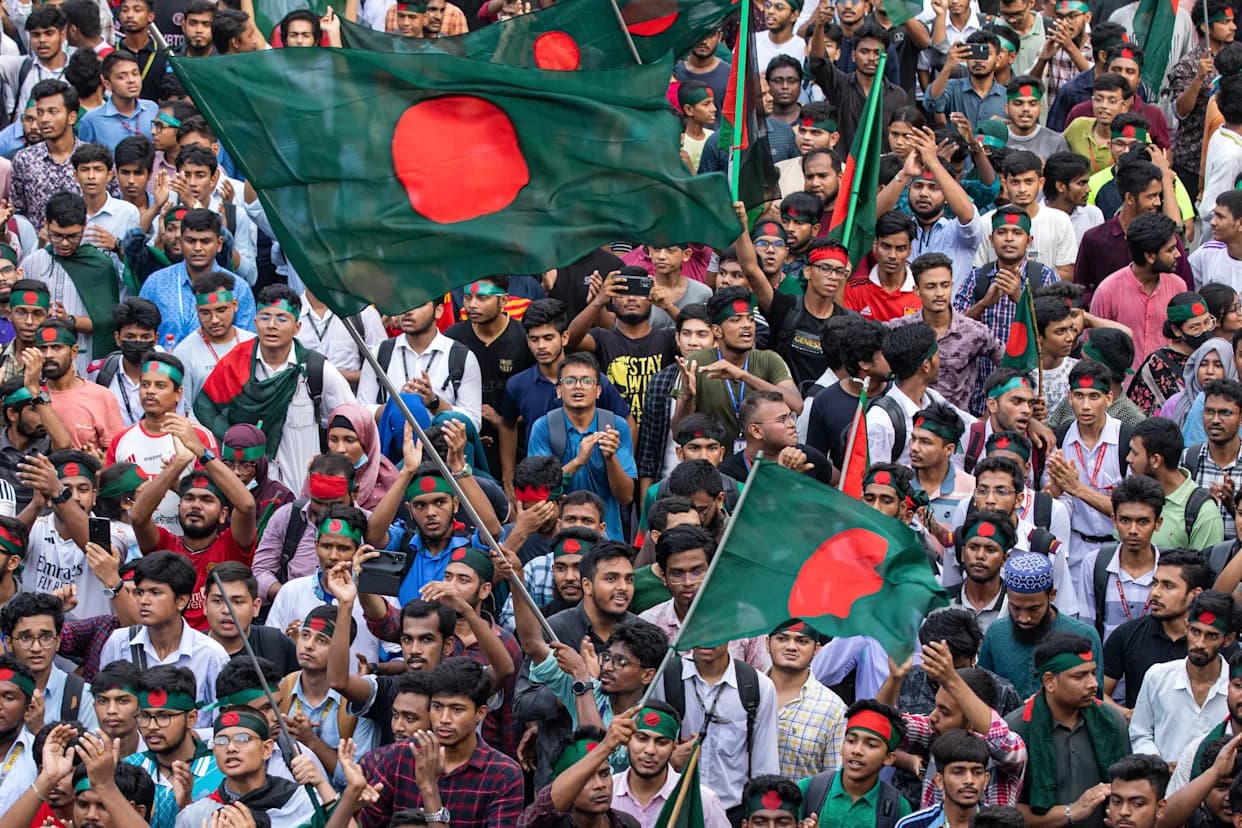
Rahman leads an alliance built mainly of Islamist parties broadly aligned with the Muslim Brotherhood. His coalition has mobilized strong student support, winning university union elections that many see as an early indicator of wider political momentum.
"I stand for moral renewal in society," Rahman has said while outlining his campaign promises.
But his record and rhetoric have sparked concern. Remarks last year about encouraging stay-at-home motherhood — including the offhand line, "We don't want to lock women at home — we don't have enough money to buy the locks" — and a controversial social-media post (which Rahman later said resulted from a hack and removed) prompted protests, including symbolic broom-wielding marches in Dhaka.
Women, Minorities and Hardline Elements
His Jamaat-e-Islami ticket this election features only male candidates, a choice that has intensified scrutiny of his stance on gender equality. Women activists and former student leaders allied with the 2024 uprising have demanded clearer commitments to women's rights and personal freedoms.
Minority communities — roughly 10 percent of Bangladesh's population, mostly Hindus — have also voiced anxiety about an Islamist-led government. Rahman has attempted to reassure voters, saying minority rights would be protected "regardless of caste or creed," and his party included one Hindu candidate on its slate.
At the same time, Rahman's coalition contains hardline factions that have advocated limits on cultural activities they deem "anti-Islamic" and, in isolated instances, supporters linked to extreme groups have attacked Sufi shrines and committed acts of desecration.
Historical Context And Stakes
Under Sheikh Hasina, security forces pursued Islamist militants vigorously; her tenure included deadly crackdowns and mass arrests of suspected extremists. Since Hasina's removal, several prominent Islamist figures have been released from prison, altering the political landscape.
The election will test how Bangladesh reconciles its secular constitutional framework with a possible government led by Islamist parties, while determining whether Rahman’s promises of inclusive governance will convince skeptical women, minority communities and moderate voters.
Reporting note: allegations about wartime collaboration, violent incidents against shrines and other historical controversies remain sensitive topics in Bangladesh and continue to shape public debate.
Help us improve.