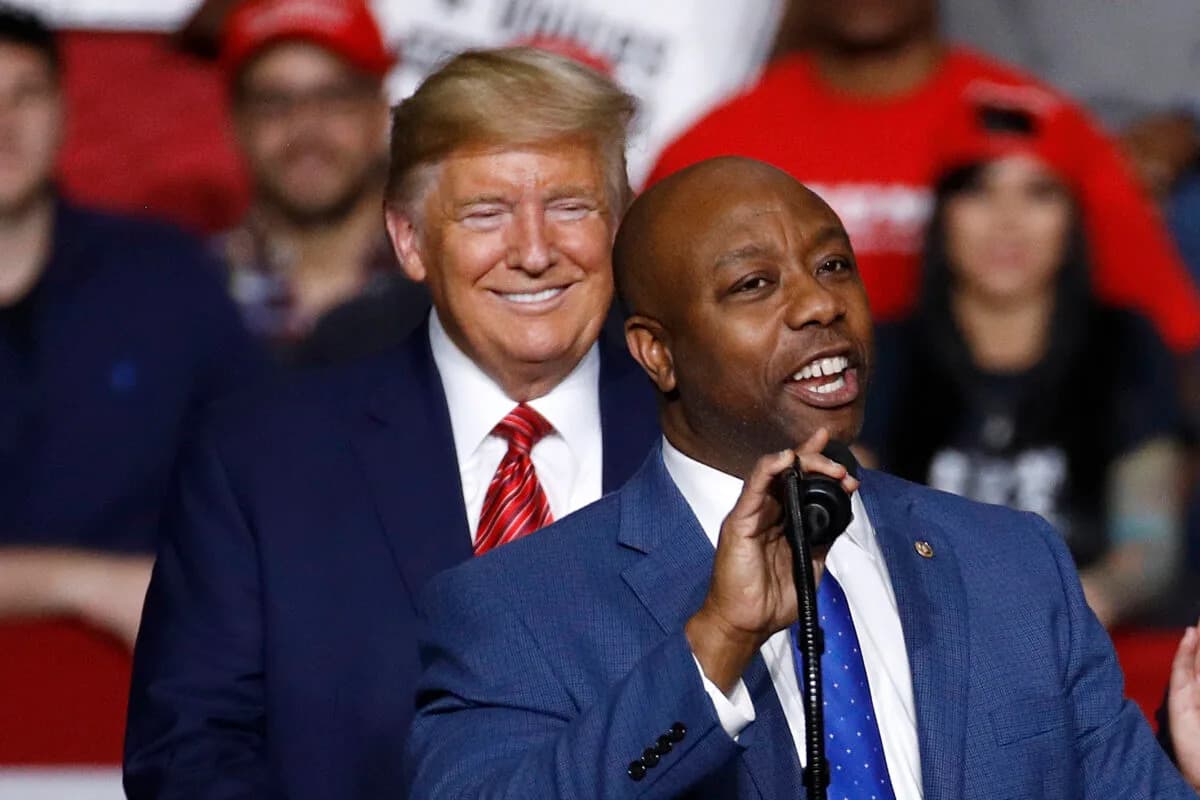
Muhammad Yunus led an 18-month interim government after the August 2024 uprising that deposed Sheikh Hasina. His administration opened major inquiries — including a commission on enforced disappearances that documented 1,913 complaints and verified 1,569 cases — and pushed a reform charter to voters alongside the February 12 election. Supporters say Yunus stabilised the country and exposed systematic abuses; critics argue his unelected mandate and entrenched resistance limited deeper institutional change. His ultimate legacy hinges on what the next parliament and voters preserve.
In a Country of the Blind: Muhammad Yunus’s Fragile Legacy After Bangladesh’s 2024 Uprising
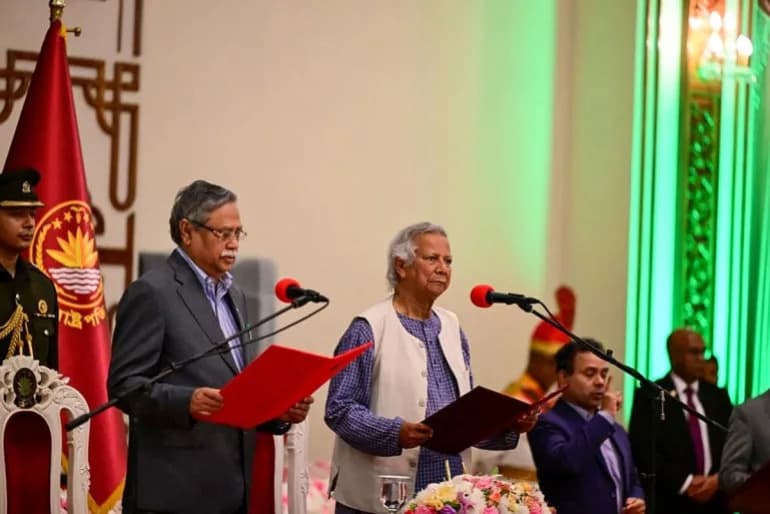
Nobel laureate Muhammad Yunus, centre, is sworn in as the chief adviser of the new interim government of Bangladesh in Dhaka on August 8, 2024, days after a student-led uprising ended the 15-year rule of Sheikh Hasina [Munir Uz Zaman/ AFP]
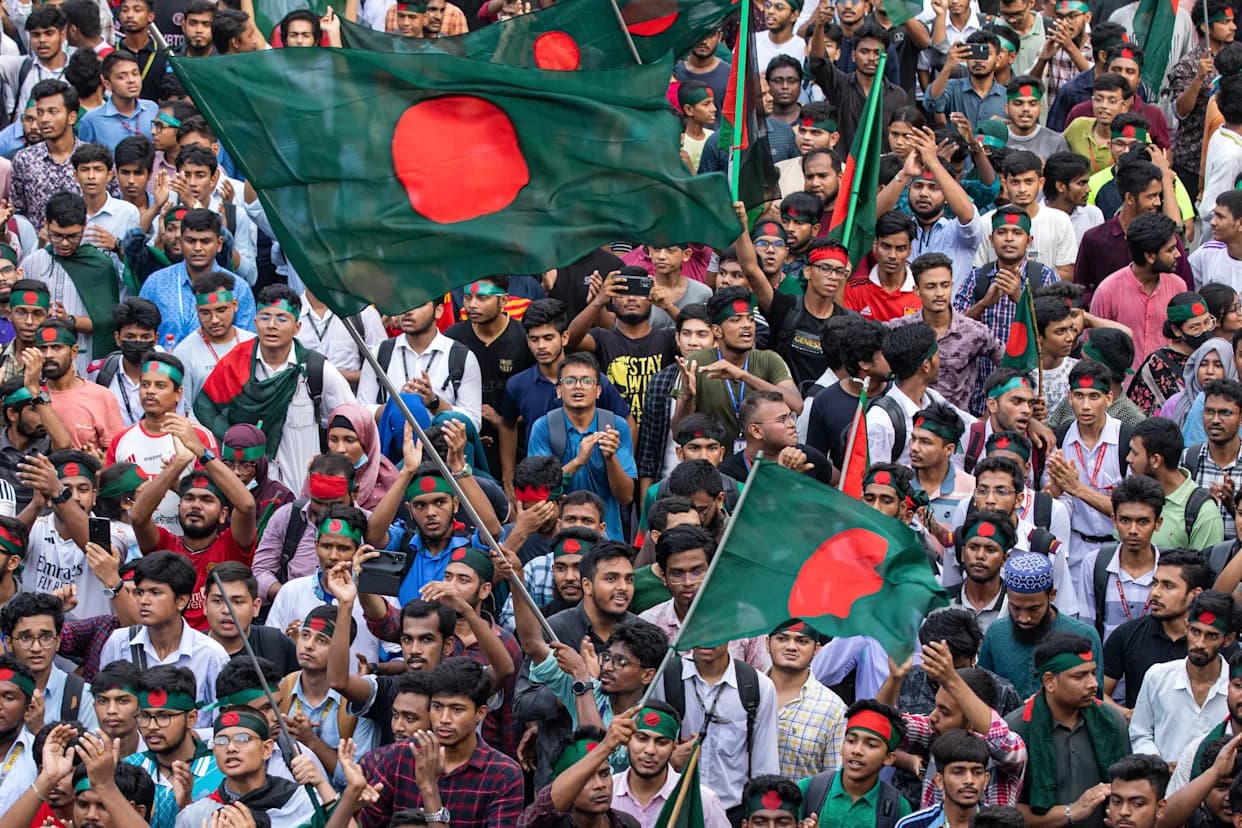
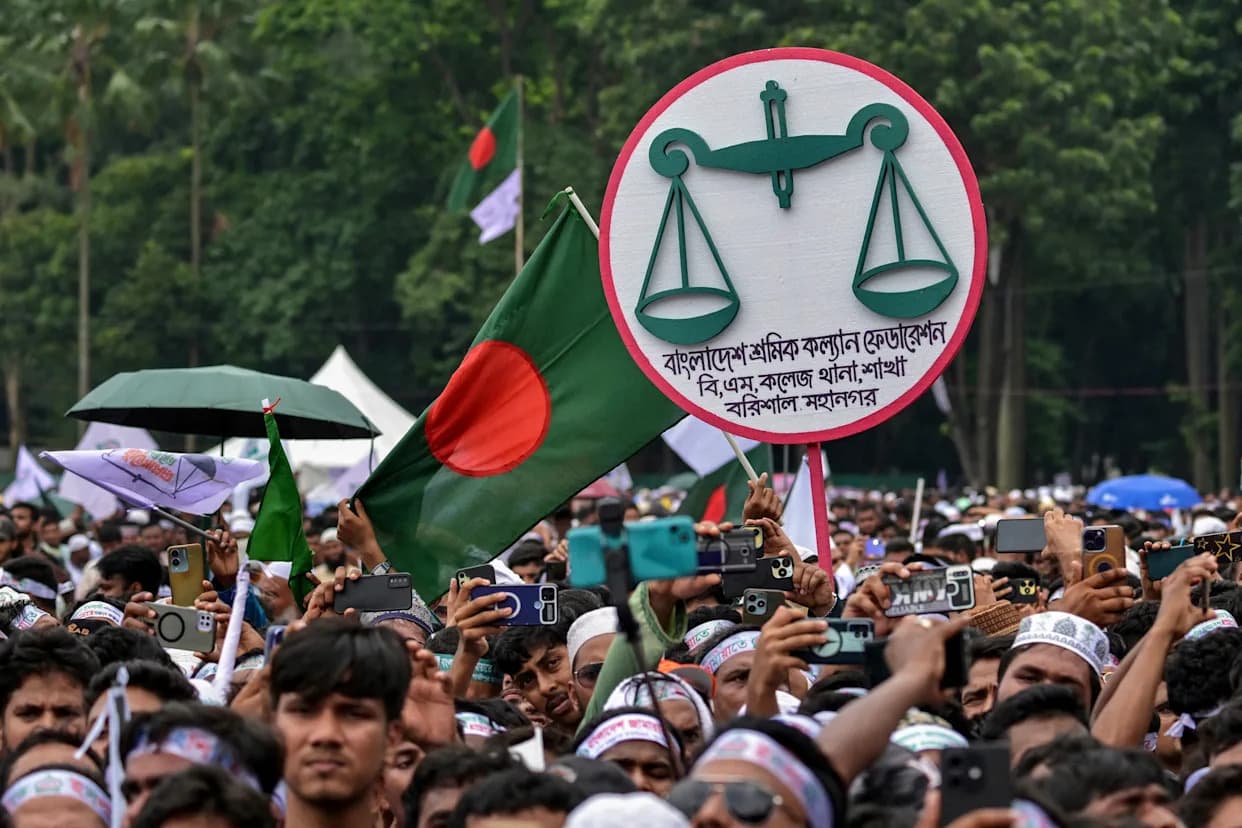
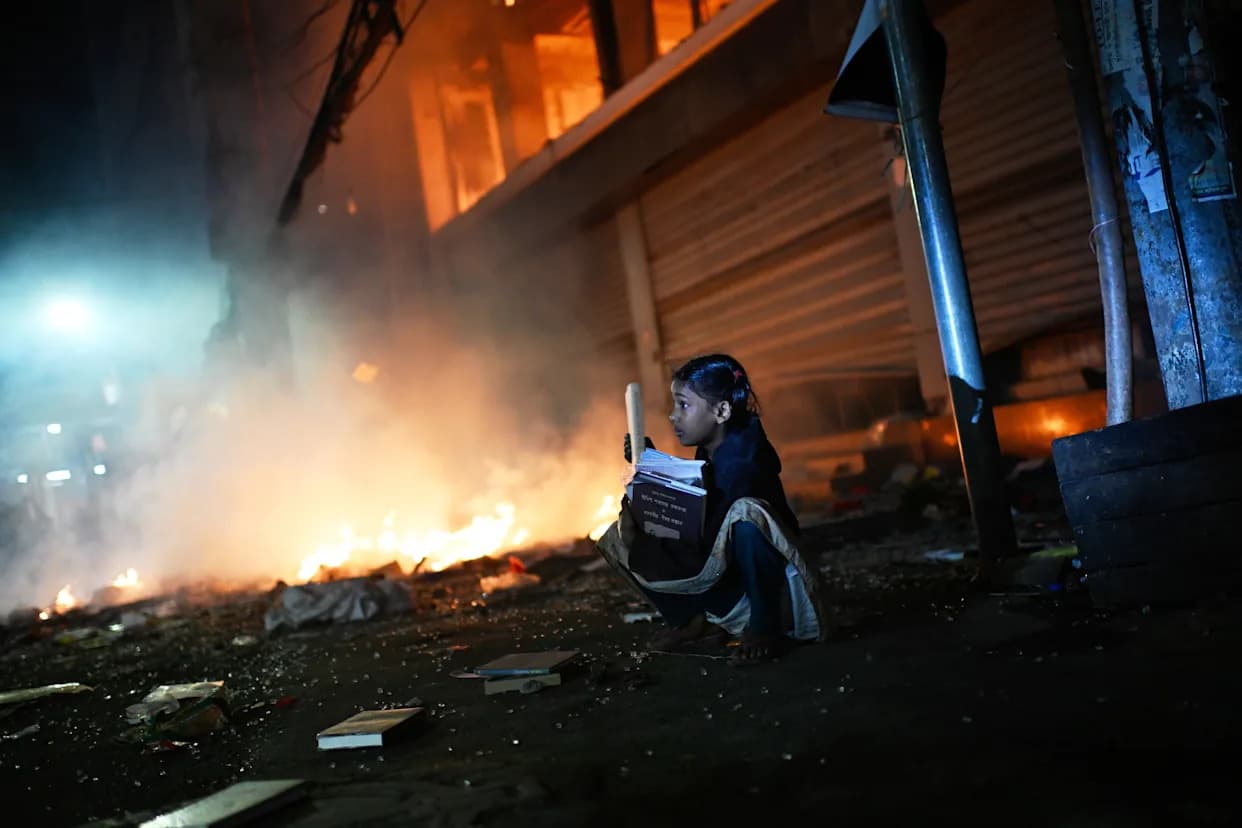
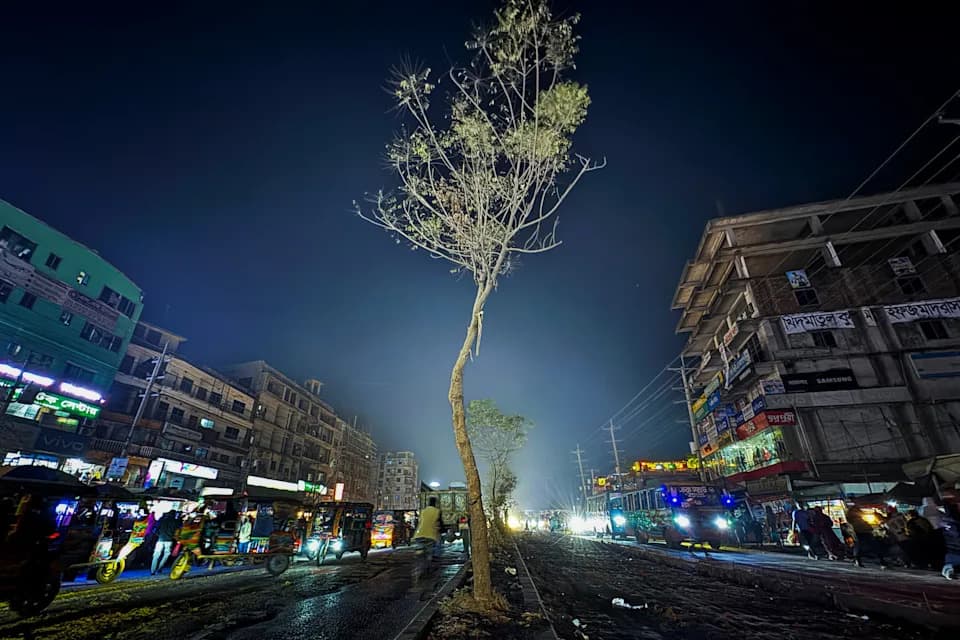
Dhaka — When 50-year-old autorickshaw driver Rubel Chaklader navigated Dhaka’s congested streets in late January, his tone was resigned. He told Al Jazeera he felt Bangladesh had squandered a rare chance for lasting change after the August 2024 student-led uprising that toppled long-serving leader Sheikh Hasina and left more than 1,400 people dead.
Three days after the protests forced Hasina from power, Nobel laureate Muhammad Yunus — the country’s best-known global figure — was asked to lead an interim government. Now 85, Yunus accepted a narrow but ambitious brief: restore a credible electoral process, stabilize a fractured state and build consensus on reforms to prevent a return to authoritarian rule.
An Unconventional Mandate
Yunus’s 18-month tenure was defined by an unusual mix of moral authority, technocratic appointments and public inquiry. With no elected parliament in place, his interim administration relied on expert panels and commissions to diagnose governance failures, document abuses and propose structural reforms before overseeing a general election scheduled for February 12.
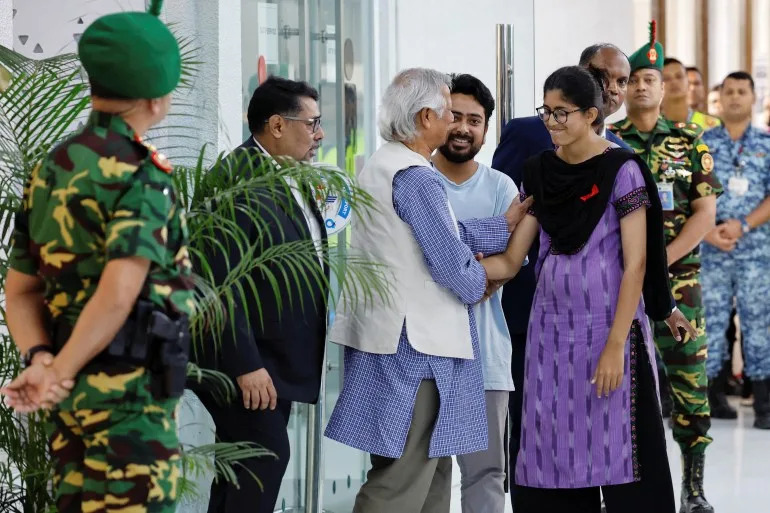
Muhammad Yunus, who was recommended by Bangladeshi student leaders to be the head of the interim government in Bangladesh, meets student leaders as he arrives at the Hazarat Shahjalal International Airport, in Dhaka, Bangladesh, on August 8, 2024 [File: Mohammad Ponir Hossain/Reuters]
Reforms, Inquiries and Accountability
The administration launched multiple high-profile investigations and reform initiatives: commissions on the constitution, the judiciary, policing, and a Commission of Inquiry on Enforced Disappearances. That commission documented 1,913 complaints, verified 1,569 cases, and identified 287 people as missing or dead, attributing most cases to security agencies including police, the Rapid Action Battalion and military intelligence.
The judiciary took a more independent posture during the interim period: trials were ordered for several politicians, senior military figures and security officials. Former leader Sheikh Hasina was sentenced to death in absentia in connection with crimes against humanity, while other Hasina-era officials also faced prosecutions.
Human Costs and Voices
For families like Sanjida Khan Deepti’s, Yunus’s government brought a measure of justice: her 17-year-old son Anas was killed during the crackdown, and courts later handed sentences to officers involved in the violence. “We gave our children’s lives in exchange for justice,” Deepti told Al Jazeera. For others, like Chaklader, the gains felt fragile or incomplete.
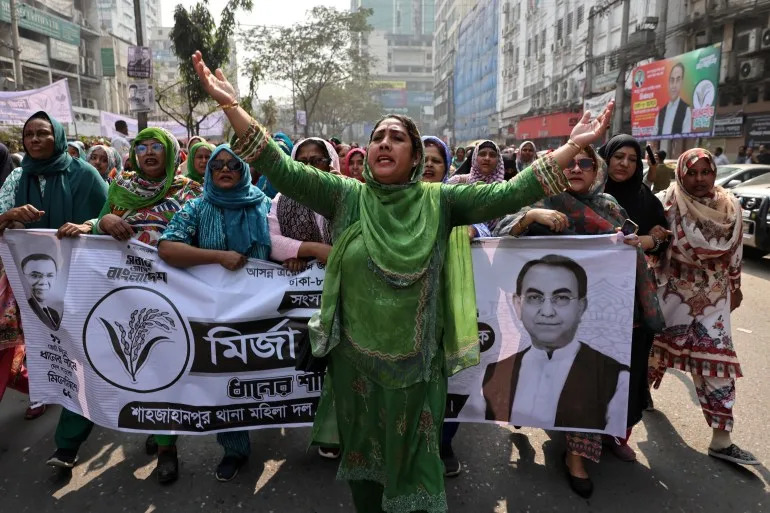
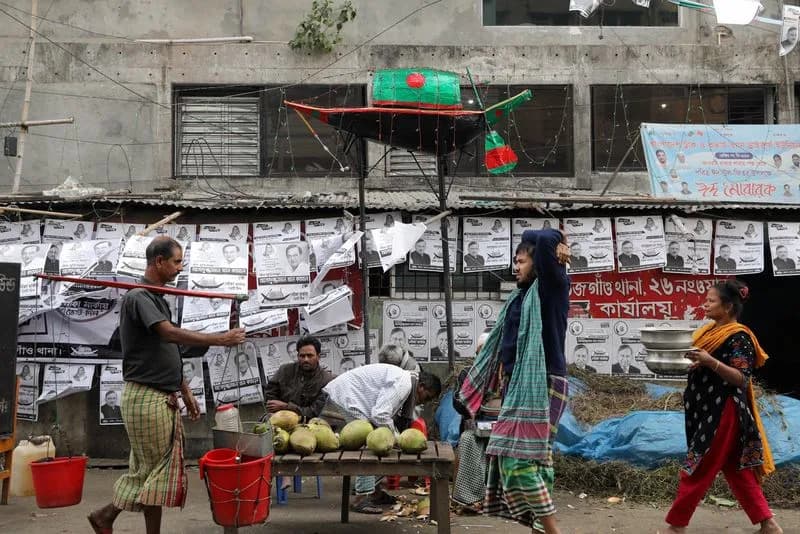
Women supporters of the Bangladesh Nationalist Party (BNP) chant slogans as they join in an election campaign in Dhaka on January 28, 2026 [Mohammad Ponir Hossain/Reuters]
Limits, Resistance and Criticism
Critics argue Yunus’s unelected mandate and entrenched bureaucratic resistance limited what he could achieve. Political analyst Dilara Choudhury said expectations for administrative overhaul were unrealistic given structural constraints. Some opposition leaders also warned that an interim government could not legitimately push through sweeping changes that an elected parliament should decide.
Economists note mixed results: while macro indicators showed some stabilization, household-level distress persisted — unemployment, stagnant wages and weak private investment kept recovery fragile.
The Referendum And What Comes Next
In an unusual democratic gambit, Yunus put key reform recommendations before voters in a nationwide referendum held alongside the February 12 general election. Supporters argue the reforms need public backing to endure; opponents say whether the next parliament will adopt them remains uncertain.
Legacy: Stabilizer Or Missed Opportunity?
Supporters credit Yunus with steadying a country on the brink, exposing systematic abuses and creating public records of wrongdoing. Critics say he fell short of delivering a deeper institutional overhaul that many protesters demanded. As one analyst put it: history will judge what survives after he leaves.
Final Picture: Yunus’s interim government produced significant records, judicial actions and a push for constitutional and institutional reform. But the durability of those changes depends on political will, the outcome of the February 12 polls and whether the next elected parliament enacts the measures he placed before the public.
Help us improve.