Veteran St. Paul teachers describe how renewed federal immigration enforcement has revived remote learning in some districts and reshaped classroom life. John Horton says community ties and volunteer escorts have kept all 28 of his elementary students attending in person, while Eric Erickson reports stark, racially patterned absenteeism in some high school courses. Both educators warn that virtual lessons cannot replace live instruction, and they stress the emotional toll on students, families and staff alongside student-led activism and classroom solidarity efforts.
‘Teaching As You’re Feeling’: St. Paul Teachers Describe Classroom Life During Immigration Raids
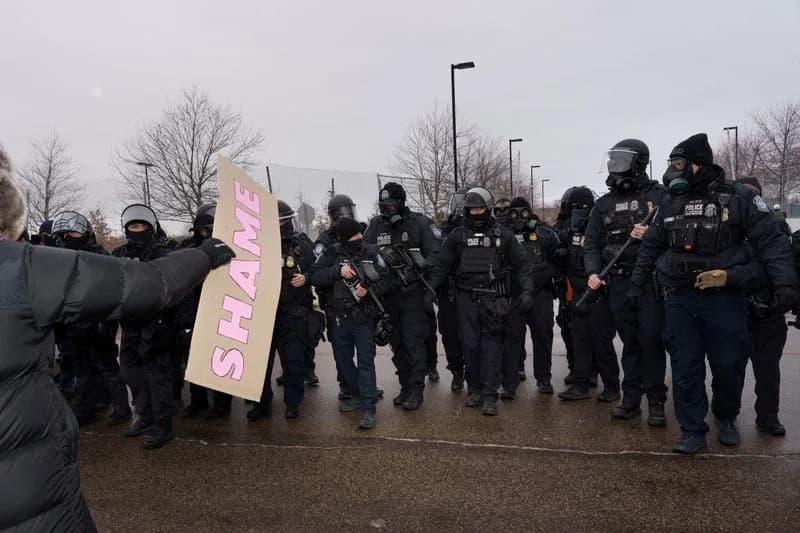
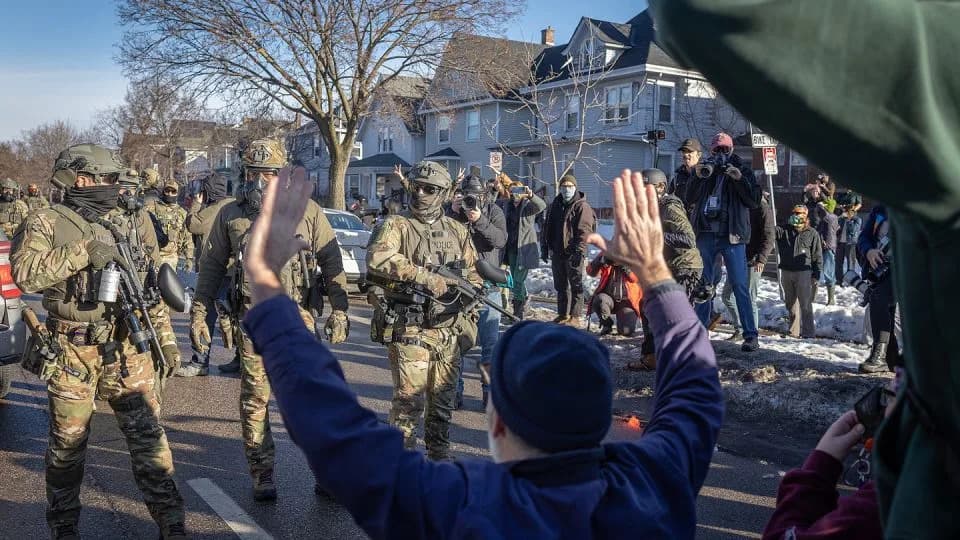
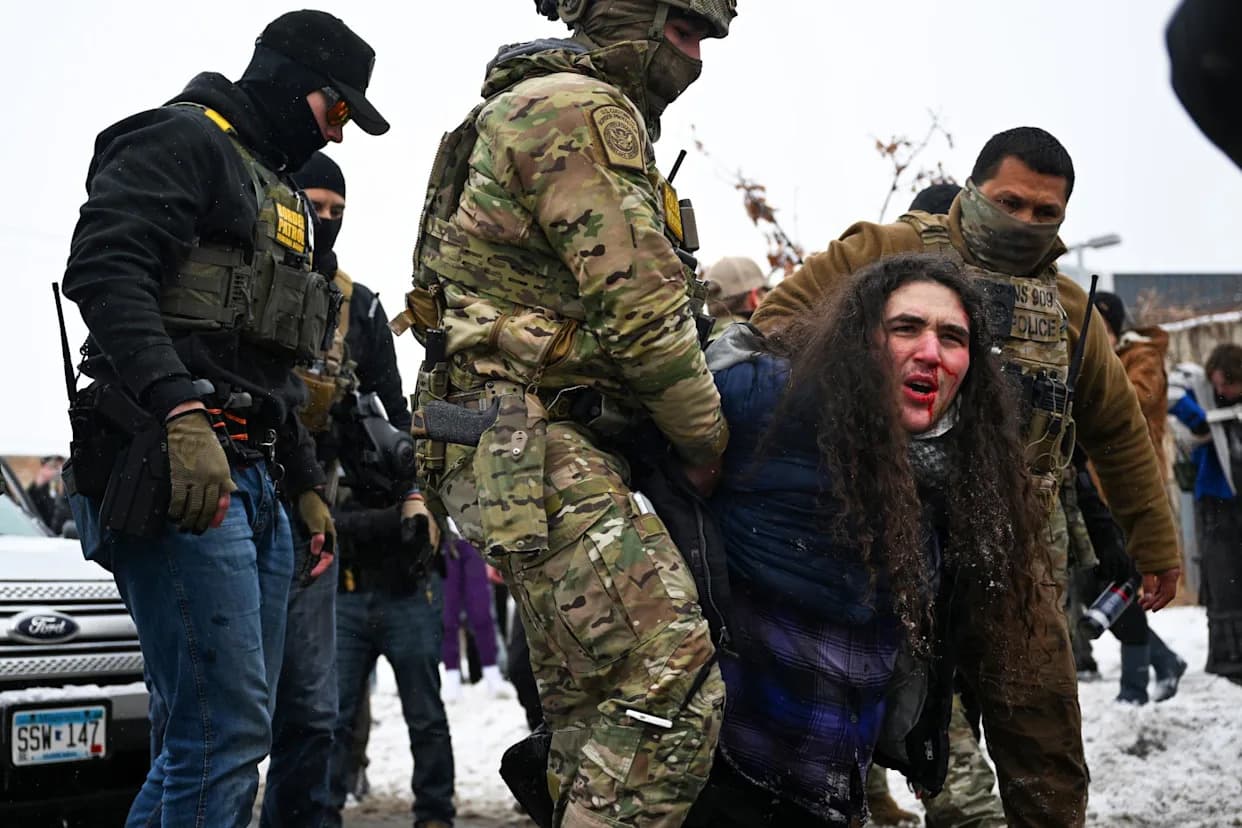
When pandemic school closures forced classrooms online in 2020, educators, aides and families scrambled to learn new technology while craving human connection. Now, federal immigration enforcement activity touching schools, bus stops, day cares and other places where immigrant families gather has prompted some Minnesota districts to revive remote learning — with uneven results and growing consequences for equity, attendance and student well-being.
Two veteran St. Paul Public Schools teachers, John Horton and Eric Erickson, spoke with The 74 about how the surge of enforcement — now in its ninth week — is shaping daily classroom life. Their accounts illustrate how community supports and deep family ties keep some classrooms intact, while other courses are experiencing steep, racially and linguistically patterned drops in in-person attendance.
Classrooms That Hold Steady
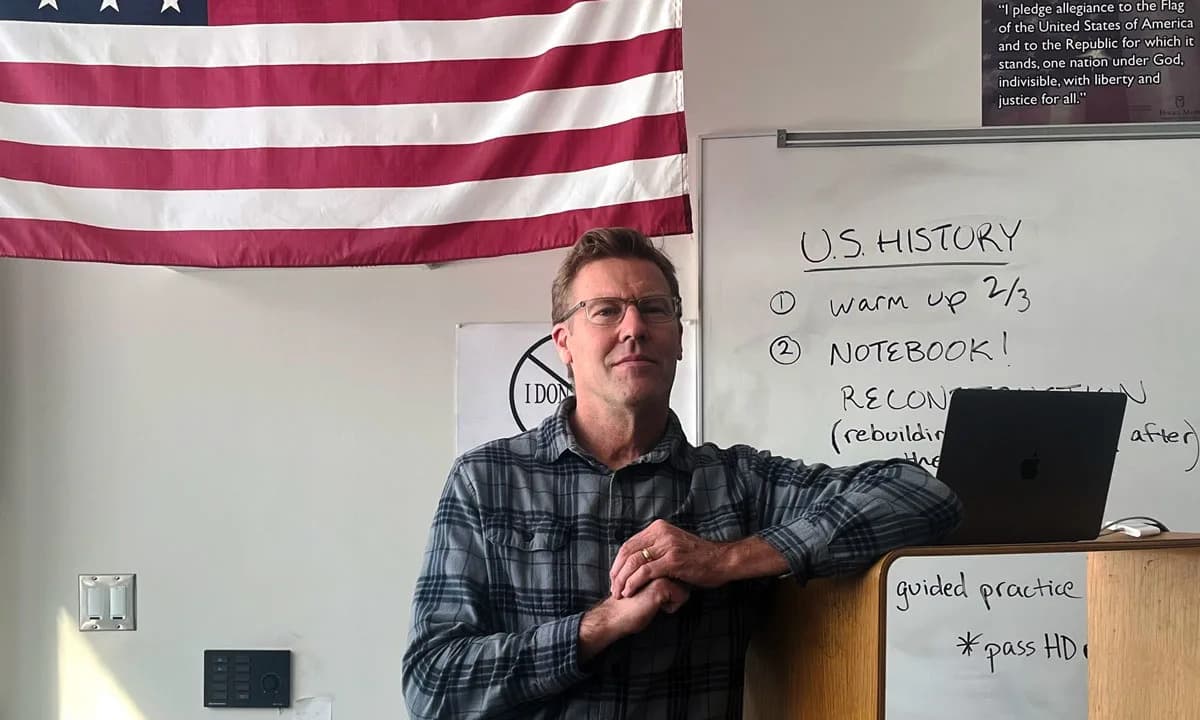
John Horton, in his 18th year at Barack and Michelle Obama Montessori, teaches a combined first–third grade classroom that "looks like the people that live in St. Paul." Horton said all 28 of his students have continued attending in person, largely because of close family relationships and neighborhood action.
"Young children really, really thrive on structure, routine, predictability," Horton said. "For the kids who come, that predictability is really important."
Horton credited volunteers who escort families and watch around the school, plus coordinated precautions for children who don’t feel safe waiting for the bus. He described children expressing themselves with protest posters, organizing a classroom food shelf and raising money for the International Institute of Minnesota. Those small acts of solidarity, he said, provide hope and purpose amid fear.
Classes Split Along Racial and Linguistic Lines
Eric Erickson, a 31-year teaching veteran at Como High School, said attendance patterns in his courses reveal widening inequities. He reported roughly 95% attendance in his senior-level, college-credit government course, while about 30% of students are attending in person in some co-taught U.S. history sections. Several English-learner classes have under 50% in-person attendance.
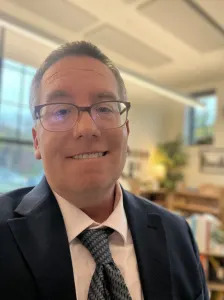
Barack and Michelle Obama Montessori teacher John Horton. (Courtesy of John Horton)
"The students who are not here tend to be students with brown skin and black skin," Erickson said. "This division makes this version of virtual learning feel like battles we thought we had overcome."
Erickson and Horton both stressed that remote instruction — posting lessons, videos and assignments — cannot replicate live teacher interaction and peer-to-peer support. Students learning from home miss opportunities to process events with classmates and to receive in-the-moment social and academic support.
Emotional Toll and Civic Response
Teachers described the emotional strain on students, families and staff. Horton recounted families who have had agents at the door and a household that called him early one Sunday morning to report an incident. Staff members have reported anxiety about leaving home; some carry legal documents and fear travel.
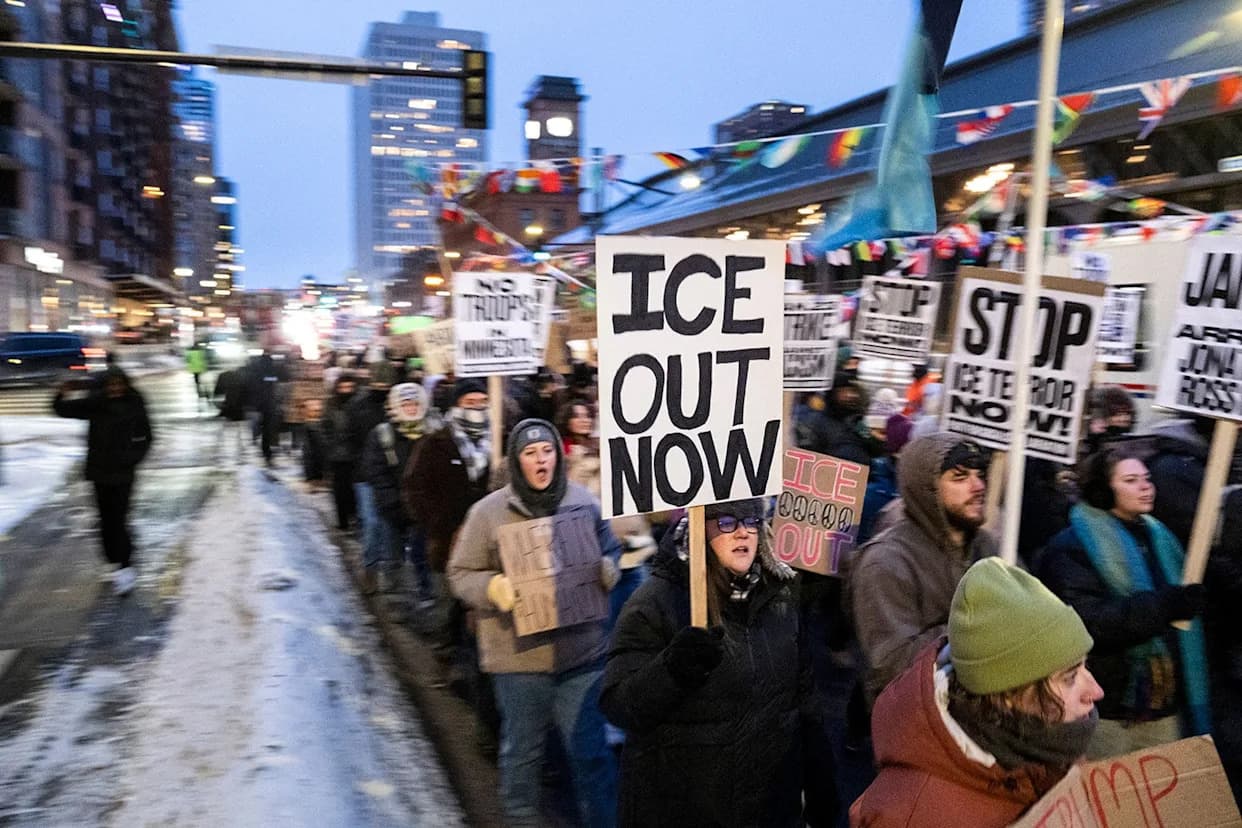
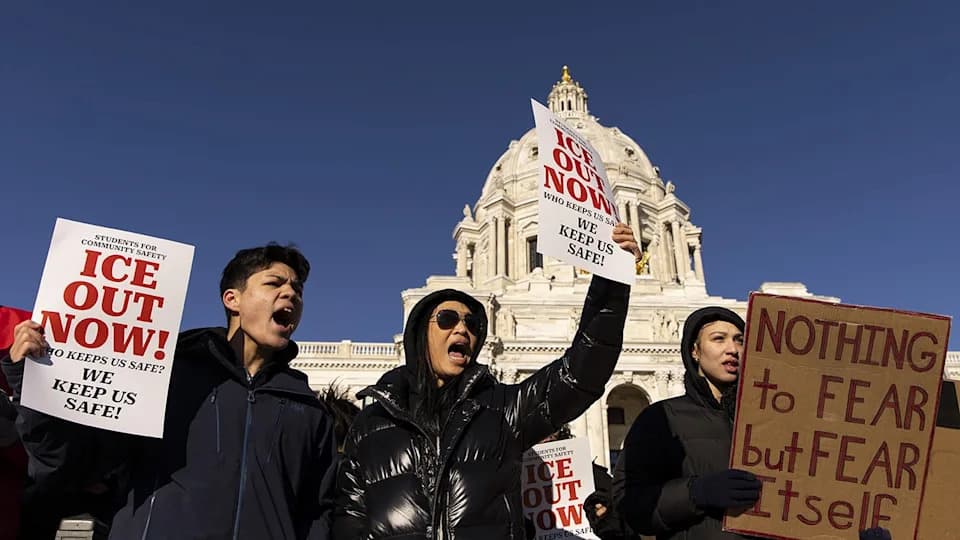
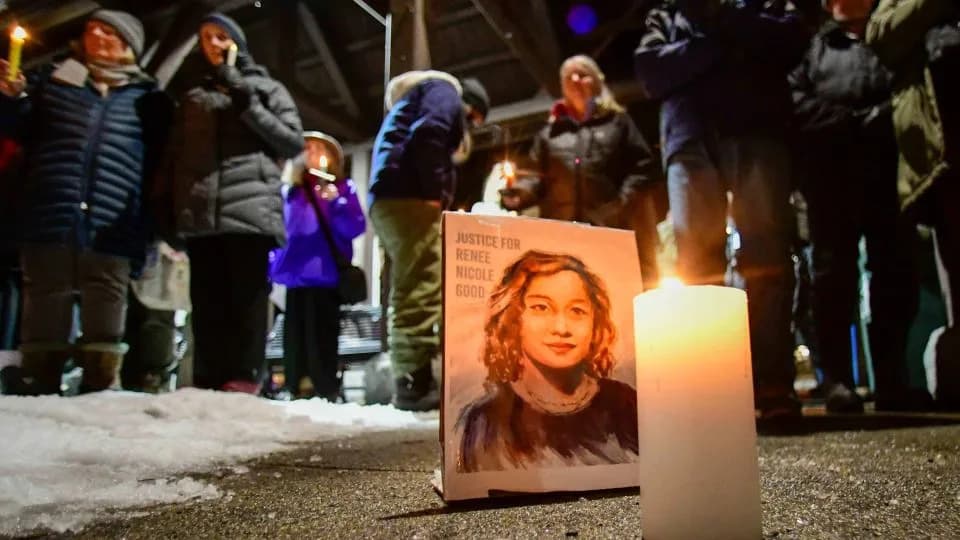
Students have responded with peaceful activism. After the killing of Renee Good, high school students from across St. Paul organized a large, peaceful Jan. 14 rally at the Minnesota State Capitol. Erickson said many students attended the march while a few stayed in class to watch a livestream of classmates speaking on the Capitol steps about immigrants’ humanity and the impact of enforcement actions.
Teaching Through Feeling
Both teachers described the challenge of "teaching as you’re feeling": modeling calm and coping strategies for young children while acknowledging teacher and family anxiety. Horton emphasized the need to balance difficult conversations with time for play, art and joy so children can process trauma without being overwhelmed. Erickson said attempting to teach objectively about government while witnessing harm to students has left him emotional in class.
As districts weigh remote options and communities organize supports, Horton and Erickson called attention to the disproportionate impact on students of color and English learners, and to the limits of virtual learning as a substitute for in-person schooling.
Key Facts: Horton: 28 of 28 K–3 students attending in person. Erickson: ~95% of seniors present in a college-level government course; roughly 30% in-person attendance in some co-taught U.S. history classes; some English-learner classes under 50% in person. Students organized a Jan. 14 Capitol rally after Renee Good’s death. Classroom efforts include a student food shelf and fundraising for the International Institute of Minnesota.
Help us improve.