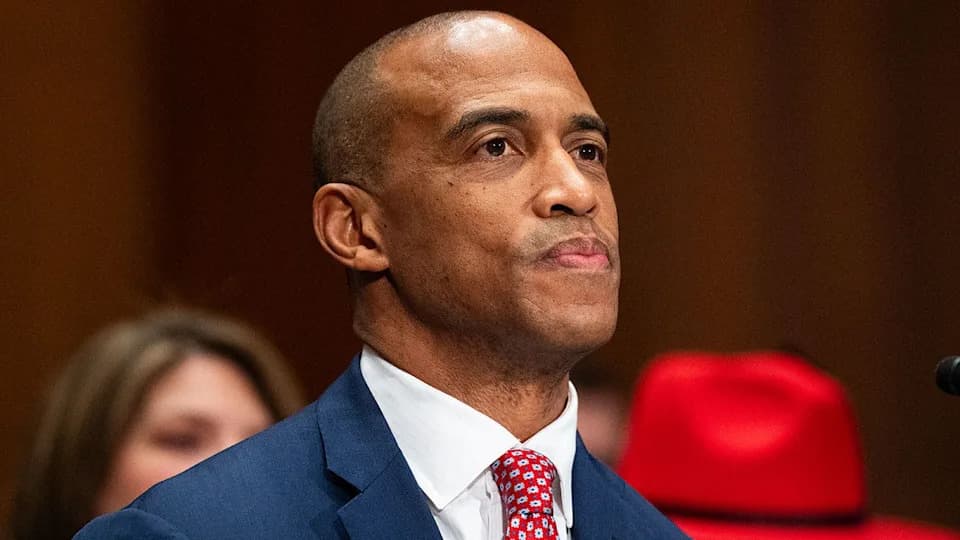
HOPE VI replaced isolated midcentury public‑housing towers with mixed‑income, street‑oriented developments. A National Bureau of Economic Research working paper led by Raj Chetty finds that children raised in these revitalized neighborhoods were 17% more likely to attend college, boys were 20% less likely to be incarcerated, and each additional year in the new housing raised future earnings by about 2.8% (≈50% for full childhood exposure). The gains are tied to day‑to‑day social ties with higher‑income peers rather than school improvements alone, highlighting how urban design and integration shape opportunity.
How Rebuilding Public Housing Boosted Children’s Lives: Lessons From HOPE VI
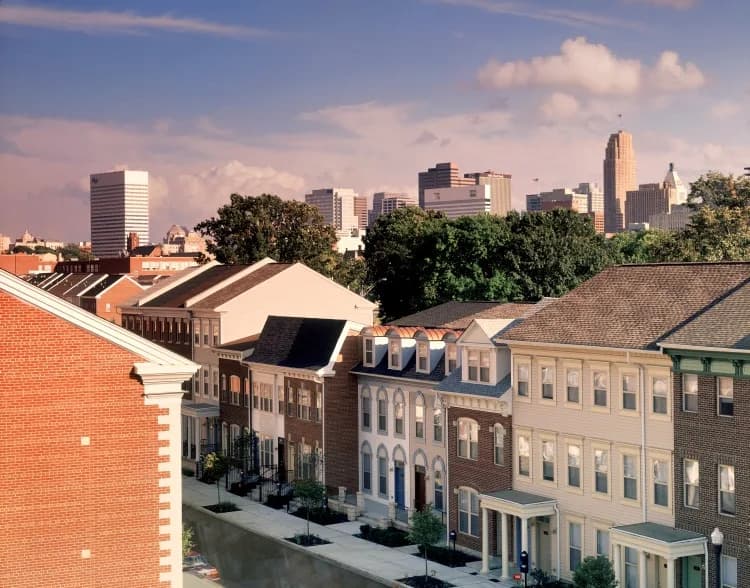
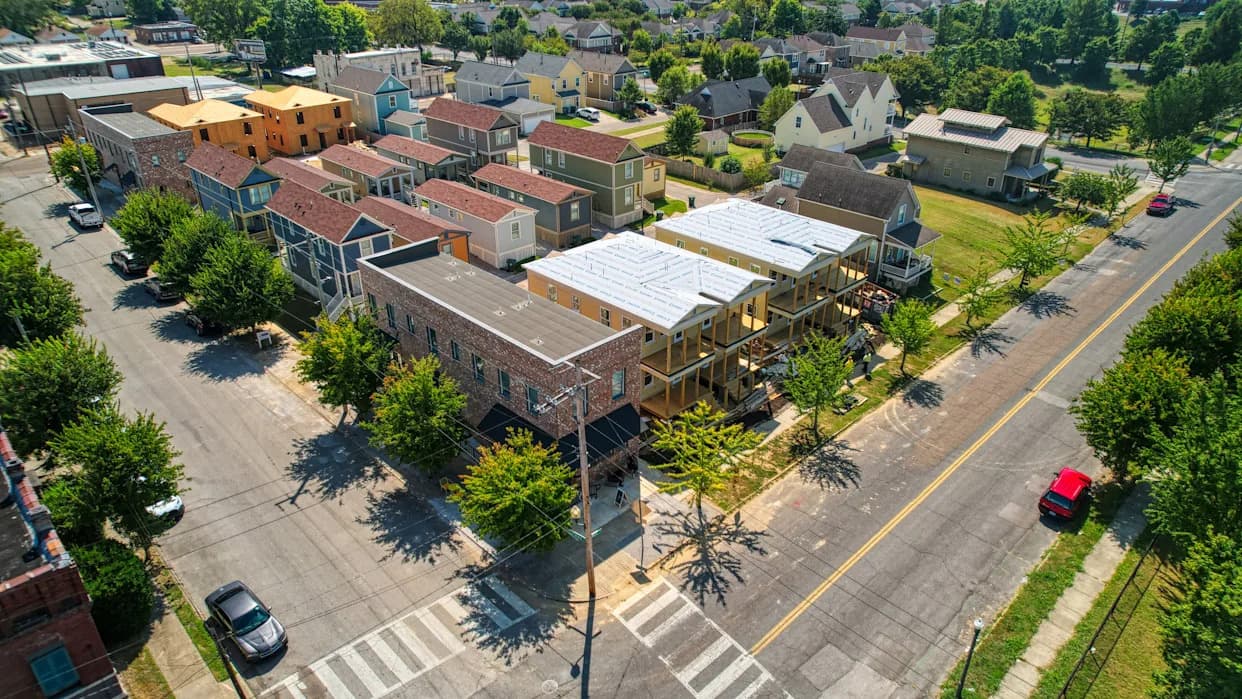
A housing development built using HOPE VI funds in Cincinnati. | Courtesy of Torti Gallas + Partners
America’s midcentury experiment with large, high-rise public-housing projects produced many homes but also concentrated poverty and social isolation. By the late 20th century, policymakers moved quickly to replace those failing towers with mixed-income, street-oriented developments. The most prominent federal effort, HOPE VI (created by Congress in 1992), sought to demolish distressed projects and rebuild neighborhoods designed to reconnect low-income families with the broader fabric of city life.
What the New Research Shows
A recent working paper published by the National Bureau of Economic Research—led by Harvard economist Raj Chetty and collaborators—analyzed roughly 200 HOPE VI revitalizations across US cities and followed about 109,000 children born between 1978 and 1990 who spent part of their childhoods in the rebuilt developments. The study finds substantial, long-term gains for children raised in these mixed-income neighborhoods:
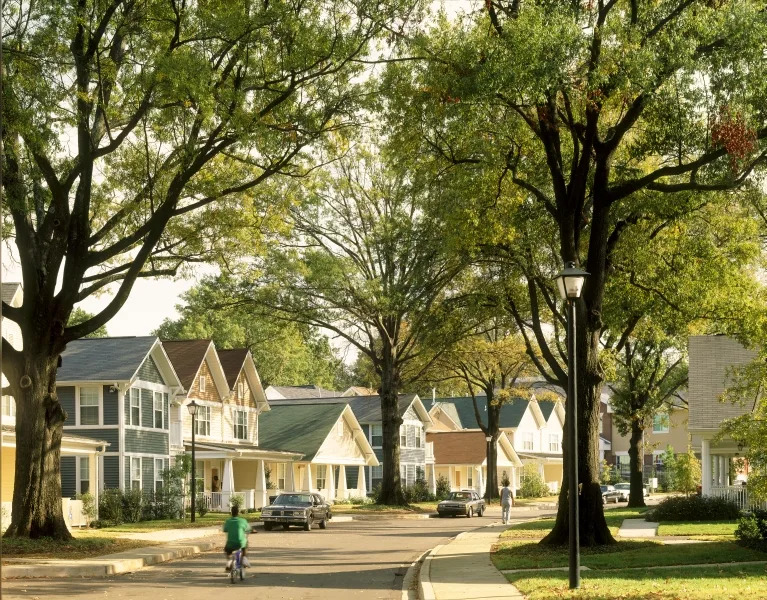
A housing project funded by HOPE VI in Memphis. | Courtesy of Torti Gallas + Partners
- Children who grew up in HOPE VI developments were about 17% more likely to attend college than peers who remained in non-revitalized public housing.
- Male children were roughly 20% less likely to be incarcerated later in life.
- Each additional year a child lived in revitalized housing increased future earnings by an average of 2.8%, accumulating to about a 50% increase for those who spent their entire childhoods there.
How These Gains Happened
The authors attribute the benefits primarily to greater day-to-day social interaction with higher-income peers in mixed-income residential settings—not to nearby school improvements alone. Using multiple empirical approaches, including administrative data and novel measures of social ties (for example, anonymized Facebook friendship patterns), the researchers show that children formed cross-class friendships that appear to change expectations, information flows, and social norms.
"Distressed public-housing projects were essentially islands that had limited social interaction with nearby communities." — NBER working paper authors
Design Matters
The findings reinforce long-standing critiques of midcentury public-housing design. Projects like Pruitt‑Igoe in St. Louis exemplified how isolating large towers set back from the street can create dead space, stigmatize residents, and erode the everyday social mechanisms that make neighborhoods safe and opportunity-rich. Urbanist Jane Jacobs criticized this top‑down, machine-like approach to city planning, arguing that it ignored the human-scale interactions that sustain thriving urban life. HOPE VI’s emphasis on low-rise, street-integrated housing reflects those lessons.
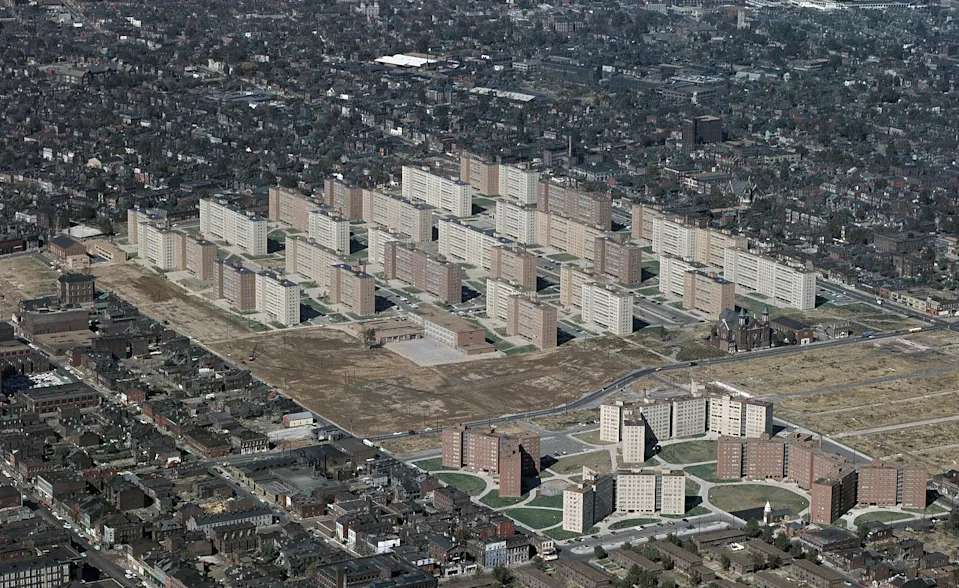
The Pruitt-Igoe public housing complex in St. Louis. | US Geological Survey, via Wikimedia Commons
Costs, Trade-Offs, And Limits
HOPE VI cost roughly $17 billion. The authors estimate that the lifetime economic gains to children raised in revitalized housing substantially exceed the government’s per-unit revitalization costs, and that much of the program’s public cost is partly offset over time. However, important caveats remain: adults moving into the new developments did not see the same long-term earnings gains, and some displaced residents were unable to return to demolished units—an unresolved social cost the study cannot fully quantify.
Policy Implications
The study’s central message is practical and policy-relevant: where and how low-income families live affects children’s life trajectories. Mixed-income, street-oriented housing that fosters daily cross-class interaction can be a powerful lever to increase mobility for the next generation. The results argue for housing policy that combines good design, protections against displacement, and ongoing investment in neighborhoods so that children can form the social ties that expand opportunity.
In short, rebuilding public housing to reconnect residents to the city—not simply replacing units with new buildings—appears to have delivered measurable, long-term benefits for children. Those benefits are evidence that urban design and social integration are central pieces of a serious strategy to expand opportunity.
Help us improve.