The Trump administration's proposal to move special education programs from the Department of Education to HHS could reframe disability as a medical issue, lower expectations, and weaken protections under IDEA. Troubling remarks by HHS leadership about autistic children intensify concerns that a medicalized approach would harm students' prospects. Advocates note that Biden-era guidance emphasized inclusive practices and higher standards; if federal oversight changes, states must strengthen laws, reporting, and timely due-process mechanisms to protect students' rights.
Opinion: Moving Special Education Into HHS Would Medicalize Students — And Harm Their Rights and Futures

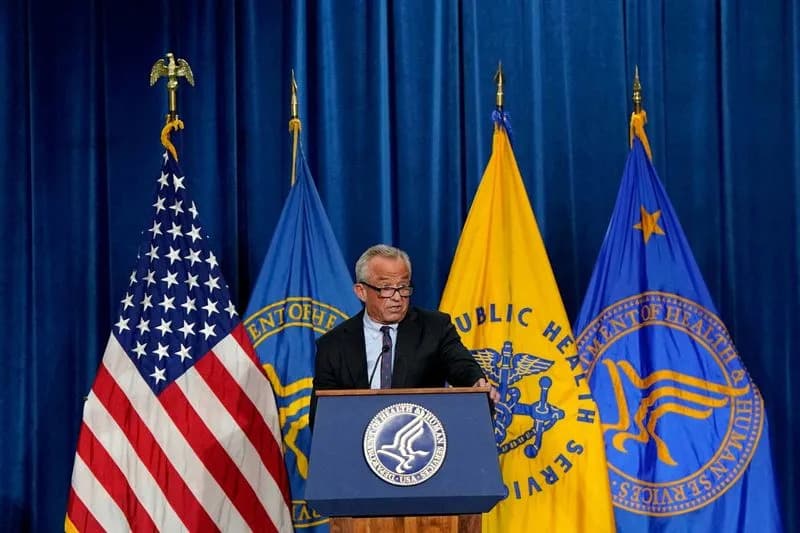
The Trump administration's proposals to shrink the Department of Education — including reducing special education staff and transferring the Office of Special Education and related programs to the Department of Health and Human Services (HHS) — threaten to recast disability as primarily a medical issue rather than an educational one. That shift would carry real-world consequences for students with disabilities, their families, and schools charged with providing legally mandated supports under the Individuals with Disabilities Education Act (IDEA).
Why the Shift Matters
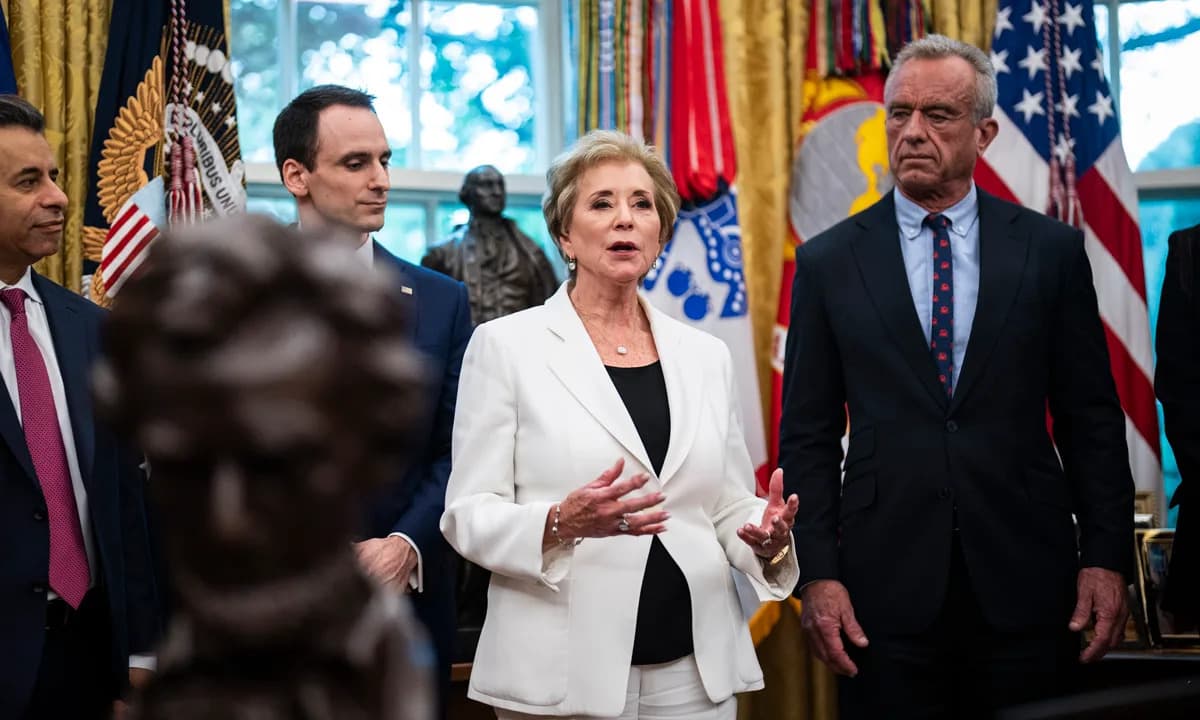
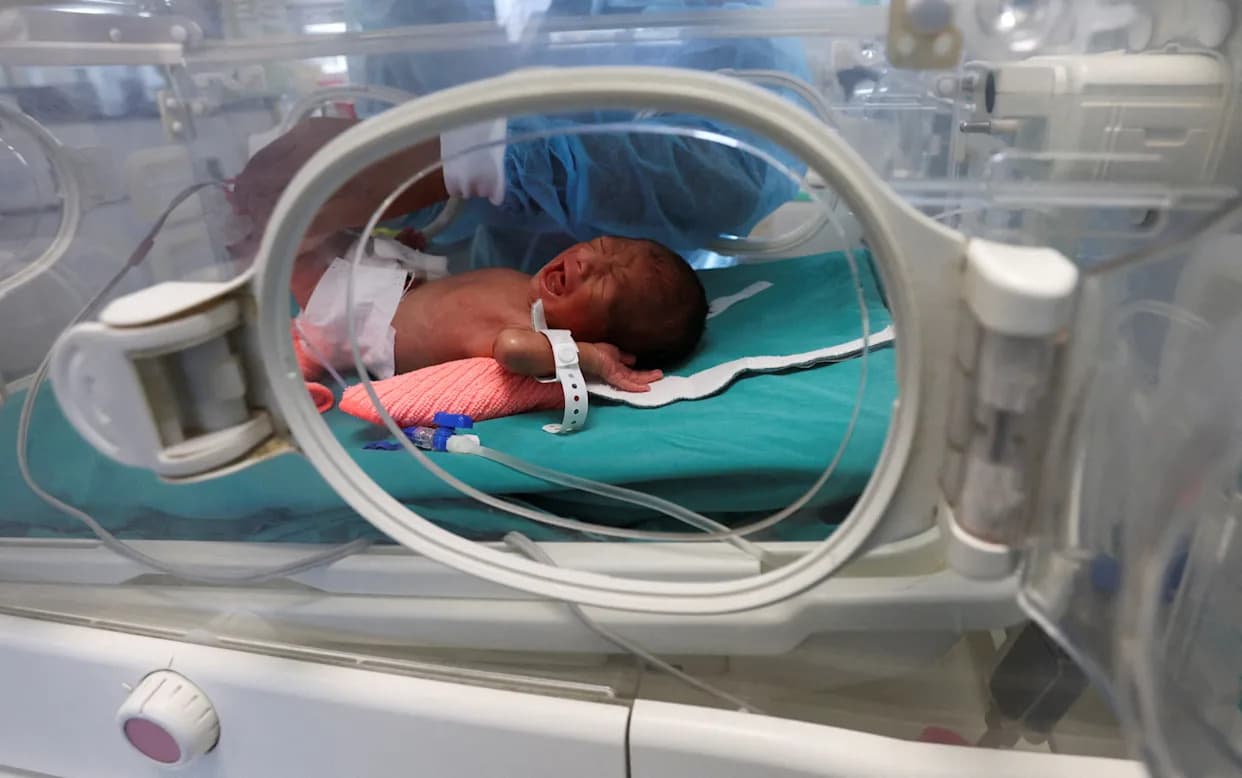
Moving special education into HHS risks pathologizing students. Education Secretary Linda McMahon has insisted federal special education funding would continue regardless of where the office lands. But funding location is not the only issue: shifting programs into a health-focused agency would prioritize medical models of disability over educational and civil-rights approaches. That change could narrow expectations for students and lessen the emphasis on access to rigorous instruction, inclusion, and civil-rights protections guaranteed by IDEA.
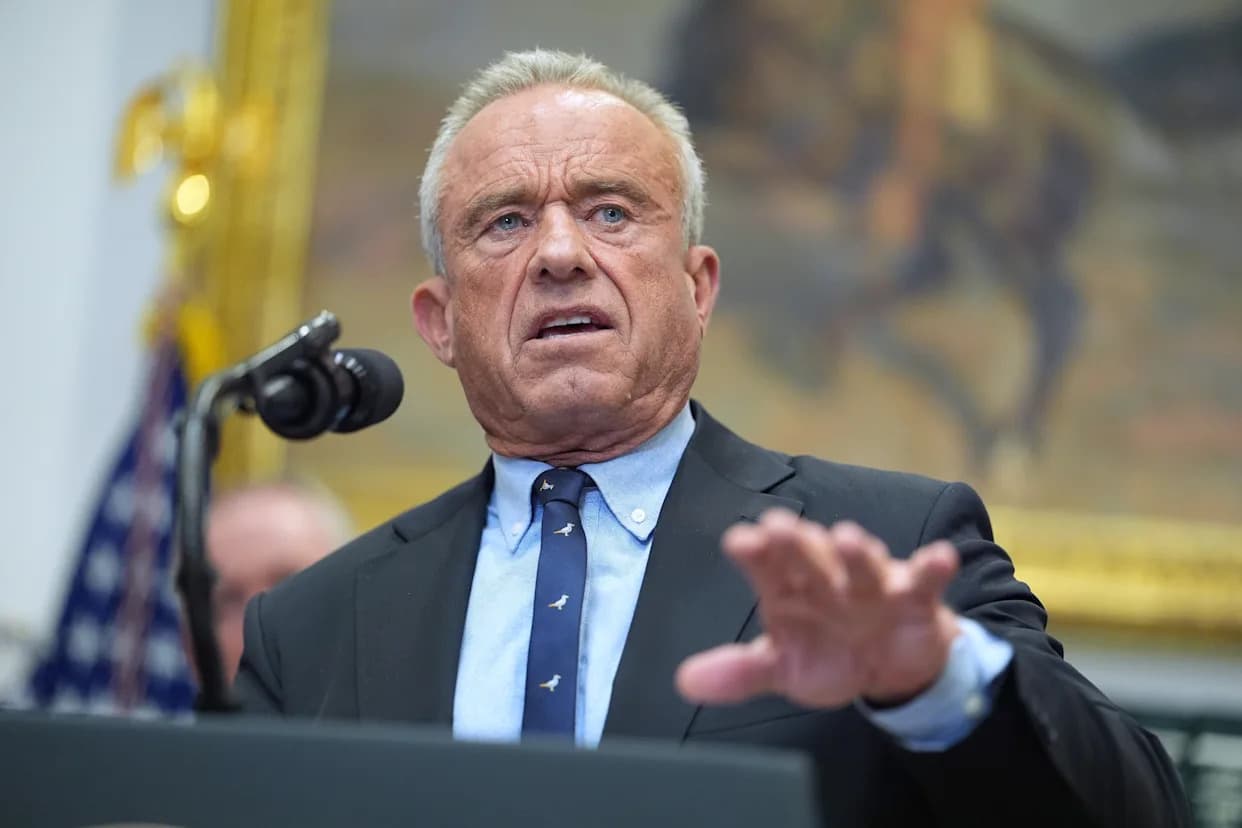
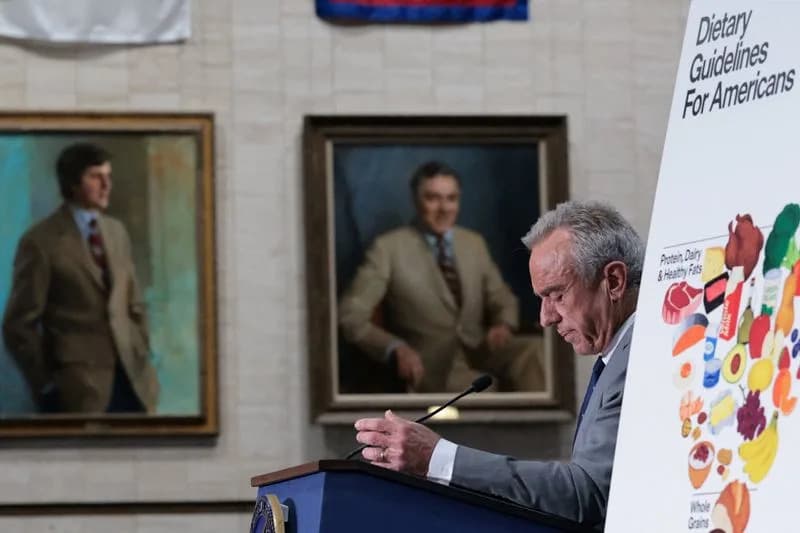
Comments from HHS leadership, including troubling statements by HHS Secretary Robert F. Kennedy Jr. about autistic children, underscore the danger of a medicalized approach that assumes a medical label predicts a diminished life. Such views are harmful and inaccurate.
Historical Context And Recent Progress
As recently as the 1990s, many states excluded students with disabilities from mainstream academic assessments; some families were even encouraged to keep their children home on testing days. Over recent decades, federal policy and advocacy moved the country toward higher expectations and greater inclusion.
Under the Biden administration, the Office of Special Education and Rehabilitative Services issued guidance aimed at raising standards and expanding inclusive practices, detailing how states and districts can use federal funds to support ambitious goals for students with disabilities.
Inclusive Practices That Work
Inclusive education is flexible and innovative. For example, an IEP team might determine that a student needing behavioral support should remain in a general-education classroom with a paraprofessional or special education teacher providing in-the-moment supports — rather than being placed in a segregated setting. Programs such as New York City’s District 75 inclusion model place staff alongside students in mainstream classes so supports are delivered in real time, preserving high expectations and enabling access to grade-level instruction.
If Federal Oversight Shifts, States Must Step Up
If IDEA administration and funding are moved into HHS — especially combined with proposals to convert competitive IDEA grants into formula block grants — more responsibility will fall to the states. IDEA sets federal minimums; states must do more to safeguard rights. That includes adopting stronger laws and guidance on inclusion, maintaining high academic standards, investing in teacher and provider training, and ensuring equitable service delivery.
What Families, Advocates, And Policymakers Should Do
- Push for state-level, disaggregated reporting on timely service provision, restrictive placements, and disproportionate discipline.
- Demand timely due-process and state-complaint resolutions for civil-rights violations affecting students with disabilities.
- Hold state agencies accountable for translating any changes in federal structure into robust protections rather than gaps in service.
Practical Risks Of Burying Special Education In A Large Bureaucracy
Moving special education programs into the large HHS bureaucracy could make guidance and expertise harder to find. States and families seeking help may lose access to staff who understand the intersection of civil rights, disability law, and education. Prior examples show that moving education functions to other federal agencies can create additional layers of bureaucracy and delay access to funds and services — leaving students without the timely supports IDEA requires.
Conclusion
Last year marked the 50th anniversary of IDEA — an appropriate moment to celebrate progress toward inclusive, accessible public schools. Instead, proposals to relocate special education programs risk erasing important gains. Policymakers should preserve education-centered oversight of special education, ensure federal guidance remains accessible, and protect students' civil-rights protections rather than medicalize their needs.
Contributor: Harold Hinds, civil-rights attorney and Ph.D. student at The New School’s School for Public Engagement, contributed to this essay.
Help us improve.