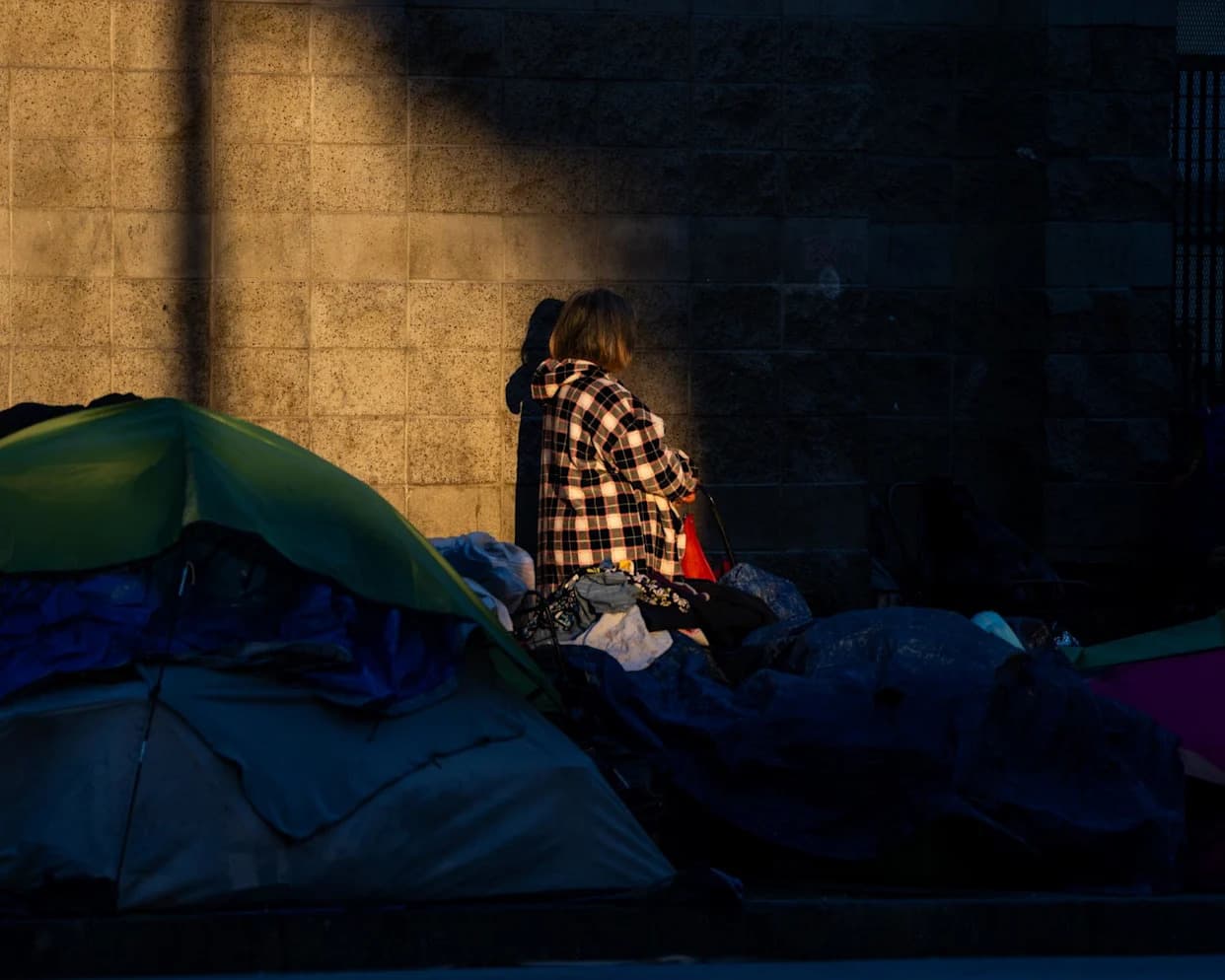
The annual Point in Time homelessness count is scheduled for one night at the end of January, but HUD has not published a national report from last year’s count. The 2024 PIT recorded a historic high of 771,480 people experiencing homelessness. Some local 2025 counts show declines (Boston down 4%, Chicago down 60%), yet advocates warn that HUD’s delay in releasing aggregated national data undermines planning and public trust. HUD says there is no fixed AHAR release timeline and that it is preparing a comprehensive report.
Nationwide Homelessness Data Still Unreleased After 2025 Count — Advocates Warn Delay Hurts Planning
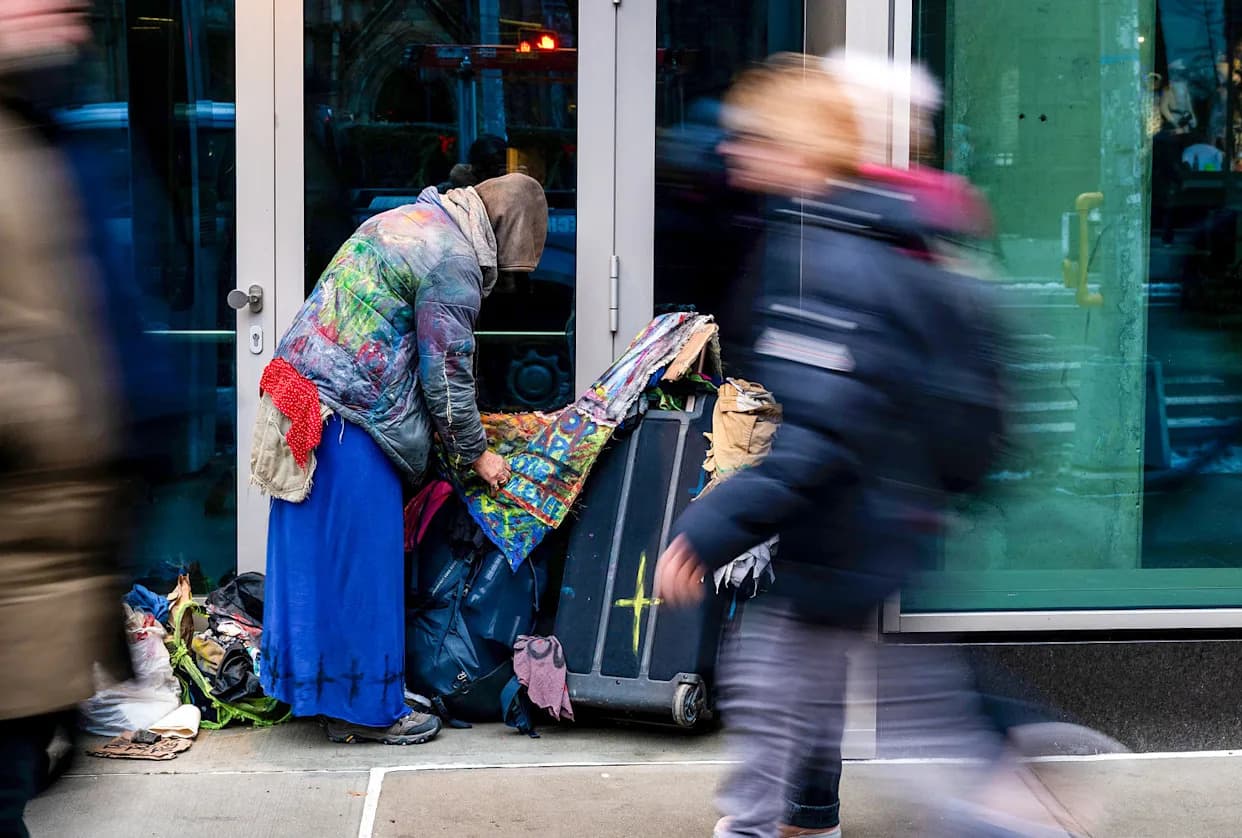
A HUD official told NBC News that the agency is on track to deliver a "comprehensive" report for 2025 homelessness data. (Spencer Platt / Getty Images)(Spencer Platt)
Homeless outreach teams across the United States will soon spend a single night conducting the annual Point in Time (PIT) count to estimate how many people are experiencing homelessness. But unlike past years, there is currently no recent federal baseline to compare those local tallies against: the Department of Housing and Urban Development (HUD) has not released an aggregated national report from last year’s count.
What the Count Is and Why It Matters
The PIT count, conducted by volunteers on one night at the end of January, has been carried out since at least 2005. HUD requires the count by statute to help direct federal, state and local funding for homeless services and to inform policy and program planning.
The most recent nationwide figures made public were from the 2024 count, which recorded a historic high of 771,480 people experiencing homelessness — roughly a 20% increase from the prior year.
Local Results, No National Picture
Many cities and counties released their local 2025 counts, but HUD has not published an aggregated national Annual Homeless Assessment Report (AHAR). Some municipal tallies show declines: Boston reported a 4% drop, while Chicago reported a much larger decrease of about 60% in its counted homeless population.
“There is no standard timeline for the release of the Annual Homeless Assessment Report (AHAR), as precedent shows. The 2021 AHAR was released in February 2022, while the 2020 report was released in March 2021,” a HUD spokesperson said. “HUD is on pace to produce a thorough and comprehensive AHAR to provide the best data in addressing America’s homelessness problem.”
Advocates Concerned About Delay
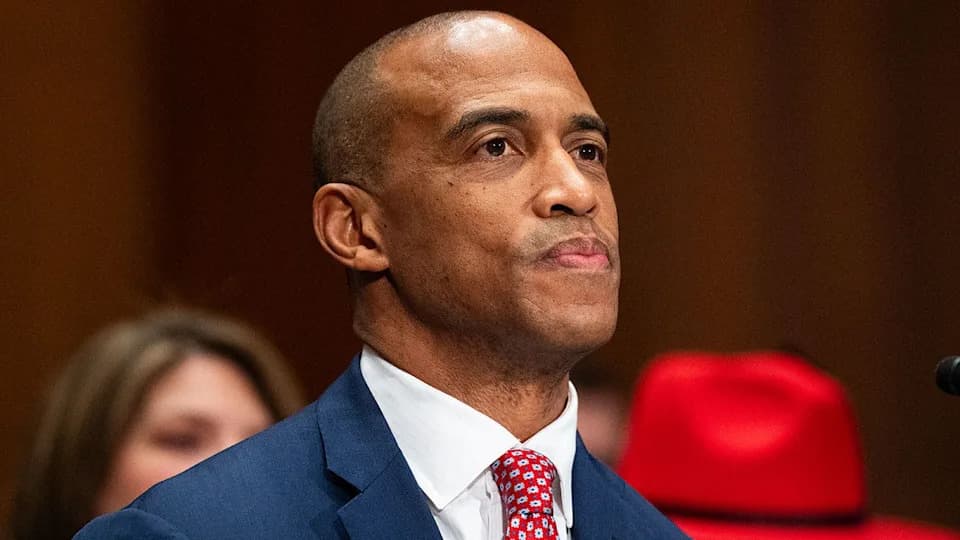
Homeless-service advocates and experts say the federal delay undermines planning and public trust. Donald Whitehead, executive director of the National Coalition for the Homeless, called the absence of a national report “more than a lack of transparency; this is malpractice,” and said he has repeatedly sought an explanation from HUD Secretary Scott Turner without receiving one.
Jeff Olivet, senior adviser to the Initiative on Health and Homelessness at Harvard’s School of Public Health, said it is “incredibly concerning” that a consolidated federal picture is not being shared, because providers and policymakers rely on timely national data to allocate resources and identify trends.
Context and Caveats
Experts note that PIT counts have methodological limitations: they capture a one-night snapshot, are sensitive to counting methods and volunteer capacity, and can undercount people who are couch-surfing or otherwise hidden. Still, an aggregated national AHAR is considered a key tool for tracking year-to-year change and guiding funding decisions.
For context, the previous administration released the 2024 figures nearly a year after that count, quietly between Christmas and New Year’s. HUD maintains that timing can vary by year and that it aims to provide a thorough report.
Why this matters: Federal aggregation and timely publication of PIT results and the AHAR help service providers, local governments and advocates plan programs, apply for funding and evaluate whether policies are reducing homelessness. The current federal gap complicates those efforts.
Help us improve.