President Trump said he wants to preserve high home values for current owners while easing purchase paths for first‑time buyers, a stance critics call protectionist and contradictory. Experts say interest‑rate cuts alone won't fix affordability after home prices rose roughly 50% since 2020; expanding supply through upzoning and permitting reform is the viable solution. Separately, the administration's order to let federally assisted wildfire rebuilds in Los Angeles bypass local permits is legally controversial and likely to be challenged, even as Congress advances funding and policy measures affecting housing and homelessness.
Housing Policy Can Be Win‑Wins — Not A Zero‑Sum Game

Housing Policy Can Be Win-Win
Happy Tuesday. This edition of Rent Free examines President Donald Trump's recent remarks about preserving high home values for current owners even while promising help for first‑time buyers, a controversial federal move to bypass local permitting for wildfire rebuilds in Los Angeles, and related federal and congressional housing developments.
Trump's Comments And Why They Mattered
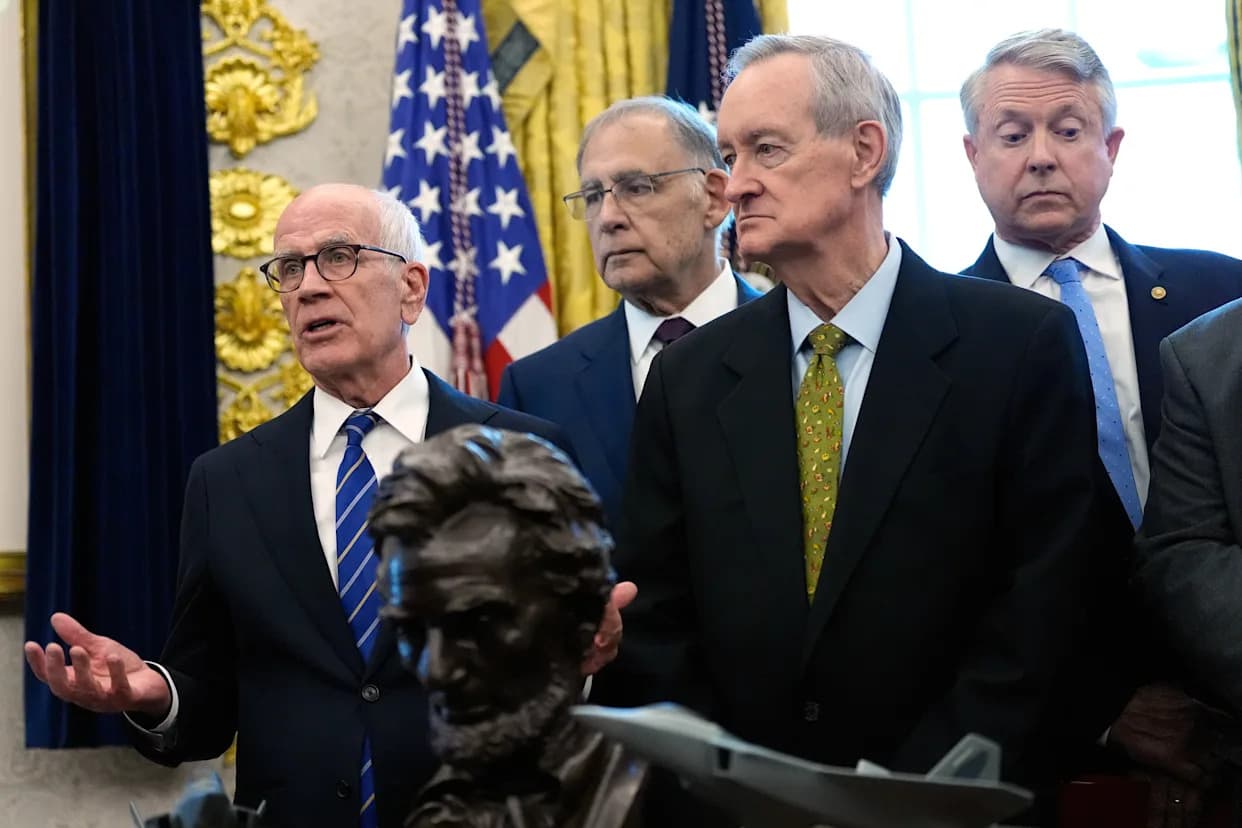
At a recent Cabinet meeting, President Trump said he intends to "keep [people who own their homes] wealthy" by maintaining high home values, adding: "When you get the housing—when you make it too easy and too cheap to buy houses, those values come down. I don't want those values to come down." His remarks drew sharp criticism for explicitly endorsing a protectionist, zero‑sum approach that benefits incumbent homeowners at the expense of prospective buyers.
Why Interest-Rate Cuts Aren't A Silver Bullet
Experts caution that lower mortgage rates alone cannot reconcile the apparent contradiction of raising homeownership while preserving elevated home values. Daniel McCue of Harvard University's Joint Center for Housing Studies notes that interest rates are not historically high, but home prices have surged—roughly 50% nationwide since 2020—and now sit at unprecedented levels relative to incomes. Lower rates reduce monthly payments, but cannot fully offset sharply inflated prices.
The Real Fix: Expand Supply
True, sustainable affordability requires expanding housing supply. The federal government has limited direct control over what gets built; local and state rules determine zoning, density, and permitting. Fortunately, many jurisdictions are moving toward enabling more housing by liberalizing zoning, easing growth controls, and streamlining permitting.
When cities "upzone" to allow greater density, individual parcel values typically rise because those parcels can support more units. That creates windfalls for current owners. At the same time, expanding the pool of developable land and permitting denser projects should, in theory, reduce average land costs and lower overall shelter prices over time—creating a genuine win‑win for owners, buyers, and builders.
Los Angeles Wildfire Rebuilds: Federal Preemption And Legal Questions
Last Tuesday, the president signed an executive order allowing property owners who receive federal disaster assistance for wildfire rebuilds in the Los Angeles area to bypass local and state permitting processes and instead self‑certify compliance to a federal designee. The intent is to accelerate painfully slow rebuilding after January wildfires that destroyed roughly 13,000 residential properties across the larger L.A. metro area.
Progress has been slow: the city issued its first certificate of occupancy for a wildfire rebuild only in November 2025, and about 900 homes were reported under construction by the Associated Press. Los Angeles Mayor Karen Bass and California Governor Gavin Newsom have taken mixed steps—waiving some fees and rules to speed rebuilding while also adopting measures that constrain redevelopment options, such as limits on selling lots or rebuilding at higher densities. Both officials sharply criticized the federal order.
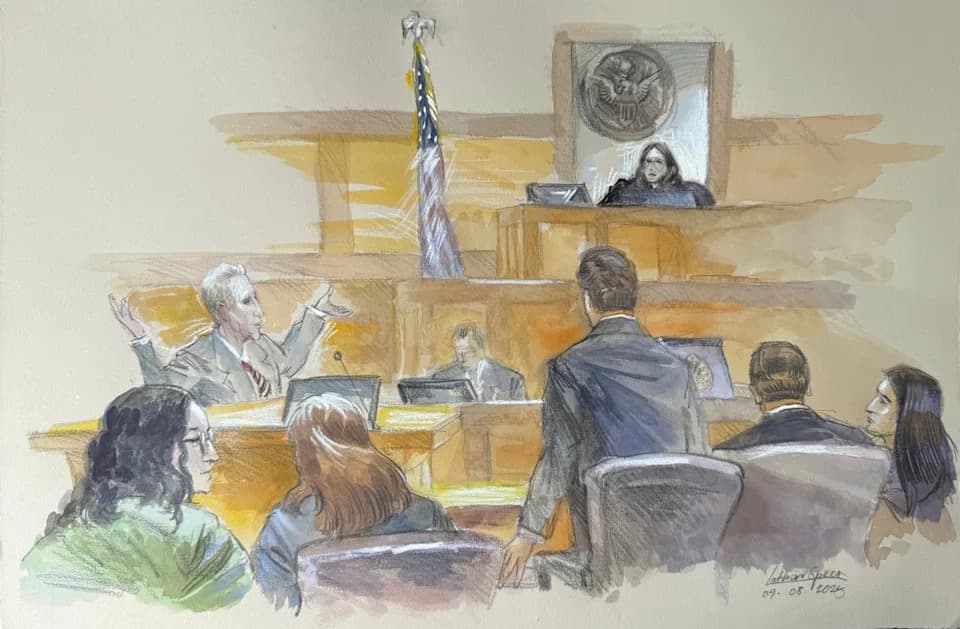
Legal experts say sweeping federal preemption of local land‑use rules for federally assisted projects is unprecedented and likely to face court challenges. As Daniel Farber of UC Berkeley Law told Politico, the order "is completely unprecedented in terms of the history of federal disaster aid" and will be difficult to sustain in court.
Other Policy Developments
On Capitol Hill, lawmakers are considering bipartisan measures to make it easier for federal infrastructure loans to support transit‑oriented development. The Senate approved an appropriations bill that would boost federal housing funding to about $77 billion—roughly a 10% increase year‑over‑year. Bloomberg has published a detailed look at the administration's faltering affordable housing agenda.
Preliminary data suggest homelessness declined in 2025 after several years of steep increases, trends that were driven in part by a surge of migrants into large‑city shelter systems. Policymakers still face the twin challenges of rebuilding after disasters and addressing long‑term affordability and homelessness.
Bottom Line
Housing policy need not be zero‑sum. Properly structured supply‑side reforms—upzoning, streamlined permitting, and sensible incentives for denser development—can raise property values for current owners while expanding access for new buyers. The legal fight over the L.A. rebuild order will test federal limits on preempting local land‑use rules, and congressional funding and policy choices will shape housing outcomes in the years ahead.
Help us improve.