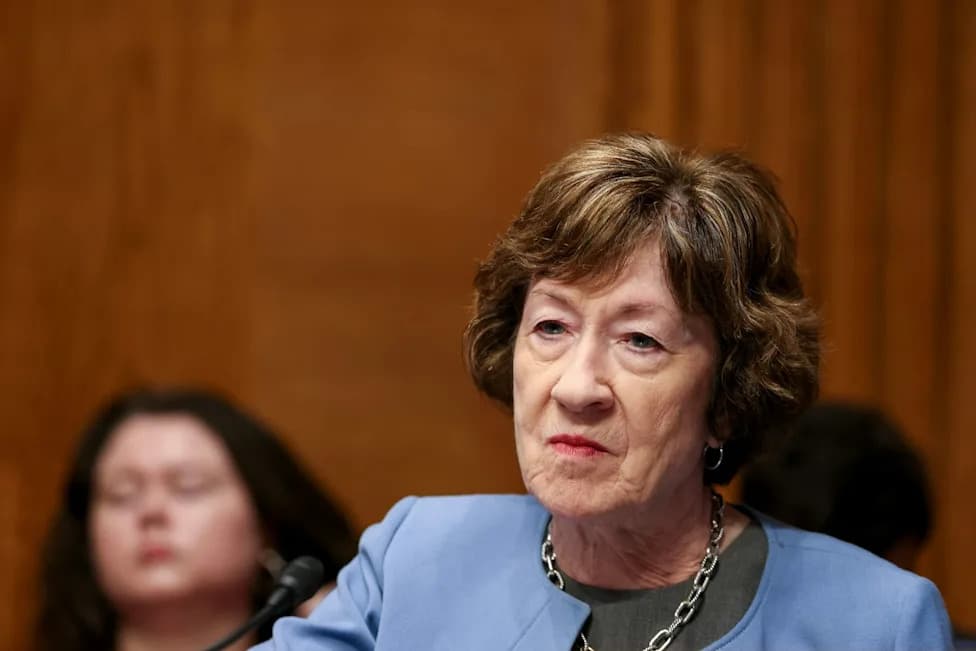
The Kalamazoo Promise — launched in 2005 — has paid college tuition for roughly 9,000 graduates and inspired hundreds of similar local and state "promise" programs nationwide. Research shows Promise students are substantially more likely to enroll and complete college (about 8.5–15 percentage points higher completion), and some disadvantaged groups have gained even more. Critics note most programs cover tuition only, often require Pell Grants to be used first, and may leave out the lowest-income students who still face living-cost barriers. Advocates warn that federal policy and funding shifts could strain supports, while states continue to back Promise programs as an equity and workforce strategy.
20 Years of the Kalamazoo Promise: What Free-College Programs Have Achieved — and What Now Threatens Them
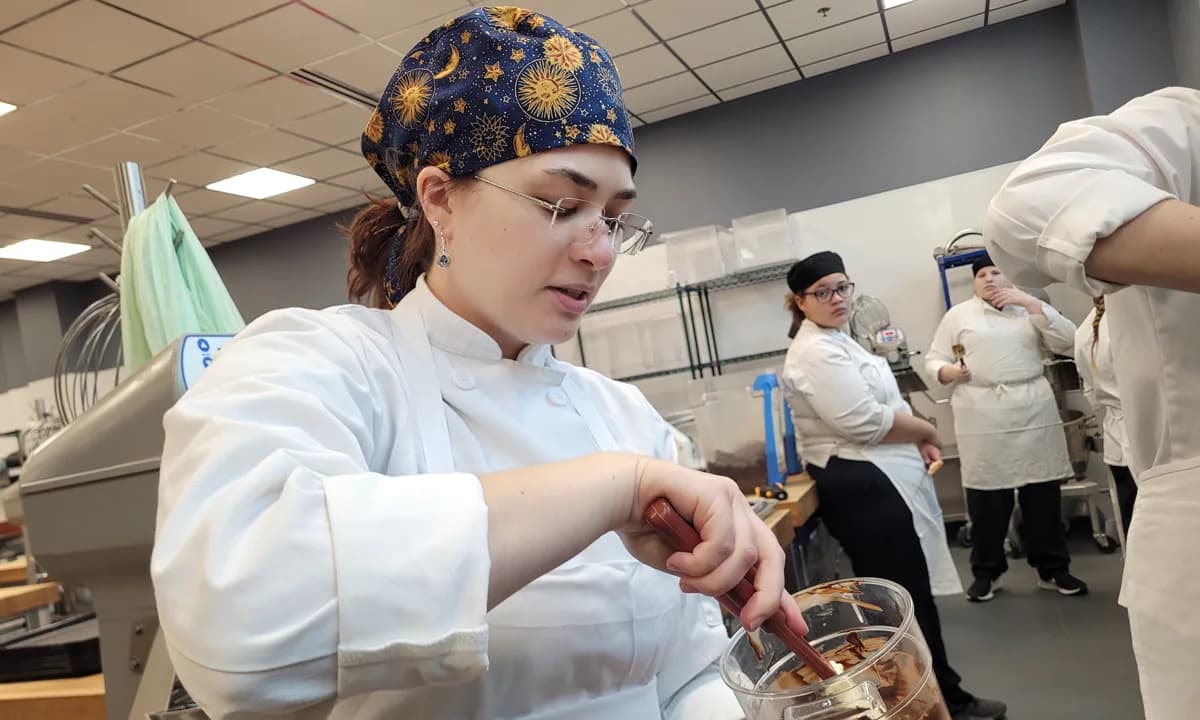
Zjanice Carter was a child in Seattle when her parents moved the family more than 2,000 miles to Kalamazoo, Michigan, drawn by a single promise: college tuition covered for their children. Now 25 and a college graduate, Carter credits the Kalamazoo Promise with making college attainable for her and her five siblings.
The Kalamazoo Promise, created in 2005 by anonymous donors, pledged to pay college tuition for any graduate of the Kalamazoo Public Schools. The program has delivered on that pledge for roughly 9,000 graduates since its launch. Slightly more than half of Promise students who started college went on to earn a certificate or degree.
Growth and Influence
While the idea of a "promise" program dates back to the 1960s in Philomath, Oregon, Kalamazoo helped popularize the model. Community-based and state-level Promise efforts have expanded rapidly: estimates show growth from about 10 programs in 2005 to more than 200 community-based programs today, and broader counts that include wider scholarship initiatives exceed 450.
What Research Shows
Researchers find consistent, positive impacts from Promise programs: higher college enrollment, improved college readiness and increased completion rates. Across studies, students served by Promise initiatives are roughly 8.5 to 15 percentage points more likely to earn an associate degree or higher; some historically disadvantaged groups have shown gains as large as about 30 percentage points in certain contexts.
Promise programs can also influence local economies: studies have found modest increases in property values and small population gains (one study estimated about a 1.7% increase) as families consider the educational benefits when choosing where to live.
Limits and Equity Concerns
Despite clear benefits, Promise programs have important limits. About 75% of programs require that students apply federal Pell Grants first. Because many Promise scholarships cover tuition and fees only, Pell and Promise dollars often cannot be used to pay living expenses such as room, board and transportation. That structure means the poorest students may see little or no new cash support from Promise scholarships; instead, many benefits accrue to middle- and higher-income students who still receive tuition coverage.
"Since most promise scholarships only cover tuition and fees, low-income students may not receive any money," University of Georgia researcher Meredith Billings told the Brookings Institution.
Political and Funding Headwinds
Advocates worry that recent federal policy shifts could complicate the future of Promise programs. Concerns raised include changes to the Department of Education, student loan and accreditation rules, threats to Pell Grant stability, and potential federal budget cuts that could reduce grants to nonprofits that help low-income students prepare for and transition to college. Observers also flag the possibility that Medicaid cuts could push health-care costs onto states, squeezing higher-education funding and state-level Promise resources.
Program leaders say those shifts could reduce supports that help students succeed before and during college, limit philanthropic resources, and increase pressure on already-tight program endowments and public budgets.
What Practitioners Are Doing
Many Promise programs have broadened their missions beyond tuition funding to include advising, internship placements and workforce connections — recognizing that scholarships alone are not enough. Local leaders also continue outreach efforts to get eligible students to enroll and persist: in Kalamazoo, officials note lingering post-pandemic challenges, including high chronic absenteeism and families who remain skeptical that college is for them.
Supporters point to durable bipartisan backing at the state and local levels. Policymakers often frame Promise initiatives as both an equity strategy and a workforce-development tool that can expand the skilled labor pool and grow the tax base.
Bottom Line
Two decades after Kalamazoo launched its signature program, Promise scholarships have demonstrably expanded college access and completion for many students and produced local economic benefits. Yet gaps remain for the poorest students and political and budgetary changes pose new risks. Sustaining and expanding Promise impacts will require continued outreach, wraparound student supports, and vigilance about shifting federal and state policies.
Help us improve.