Two Cuban women with no criminal records say they were caught up in a stepped‑up US effort to deport Cuban migrants, a campaign tied to tougher measures against Havana. Policy reversals and the closure of fast‑track programs have left tens of thousands vulnerable to removal; officials estimate about 45,000 Cubans have deportation orders and roughly 550,000 are at risk. The surge of arrivals in recent years — roughly 850,000 over four years — has strained communities, deepened intra‑community divisions, and forced many deported people to relocate to third countries while families remain separated.
‘It’s Been Brutal’: Cuban Migrants Caught in US Deportation Push as Washington Tightens Pressure on Havana
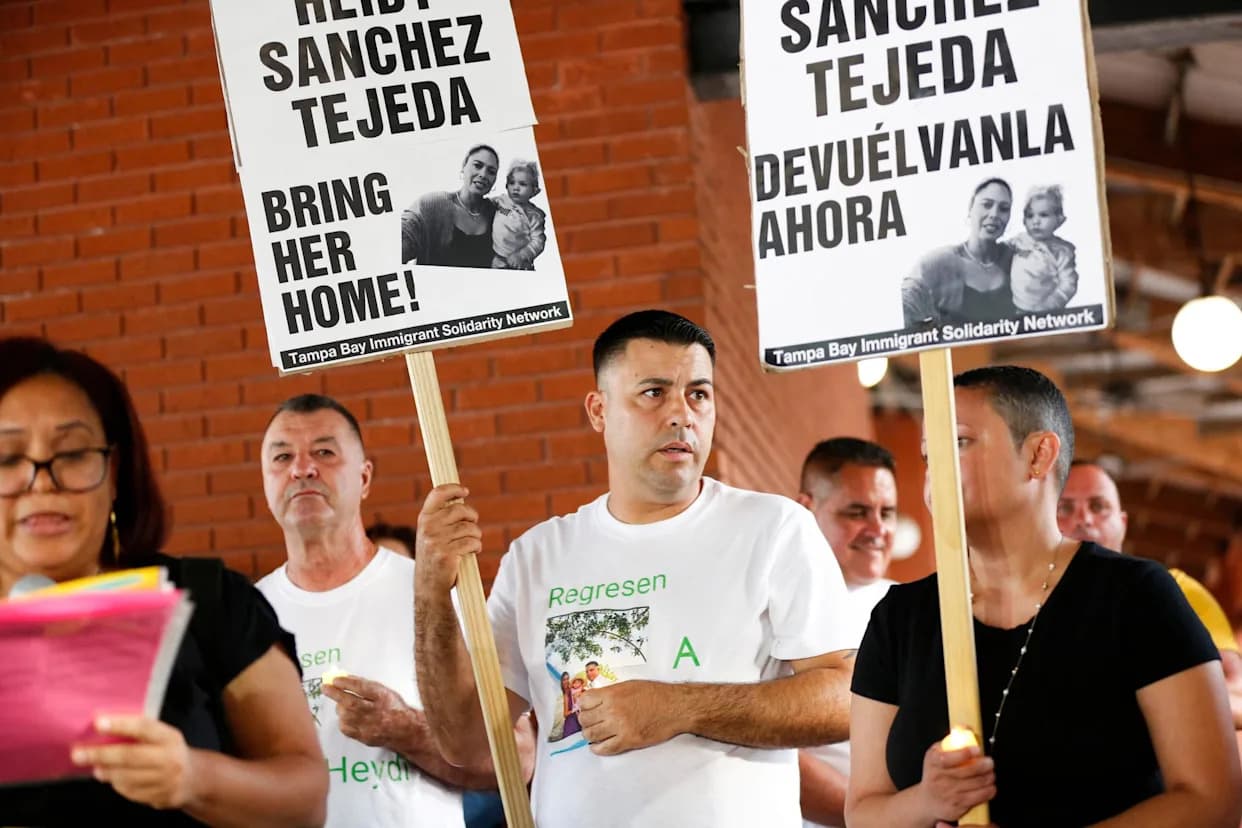
Heidy Sánchez’s husband, Carlos Valle, at a vigil in support of mothers separated from their children due to deportation, in Tampa, Florida, on 10 May 2025.Photograph: Octavio Jones/AFP via Getty Images(Photograph: Octavio Jones/AFP via Getty Images)
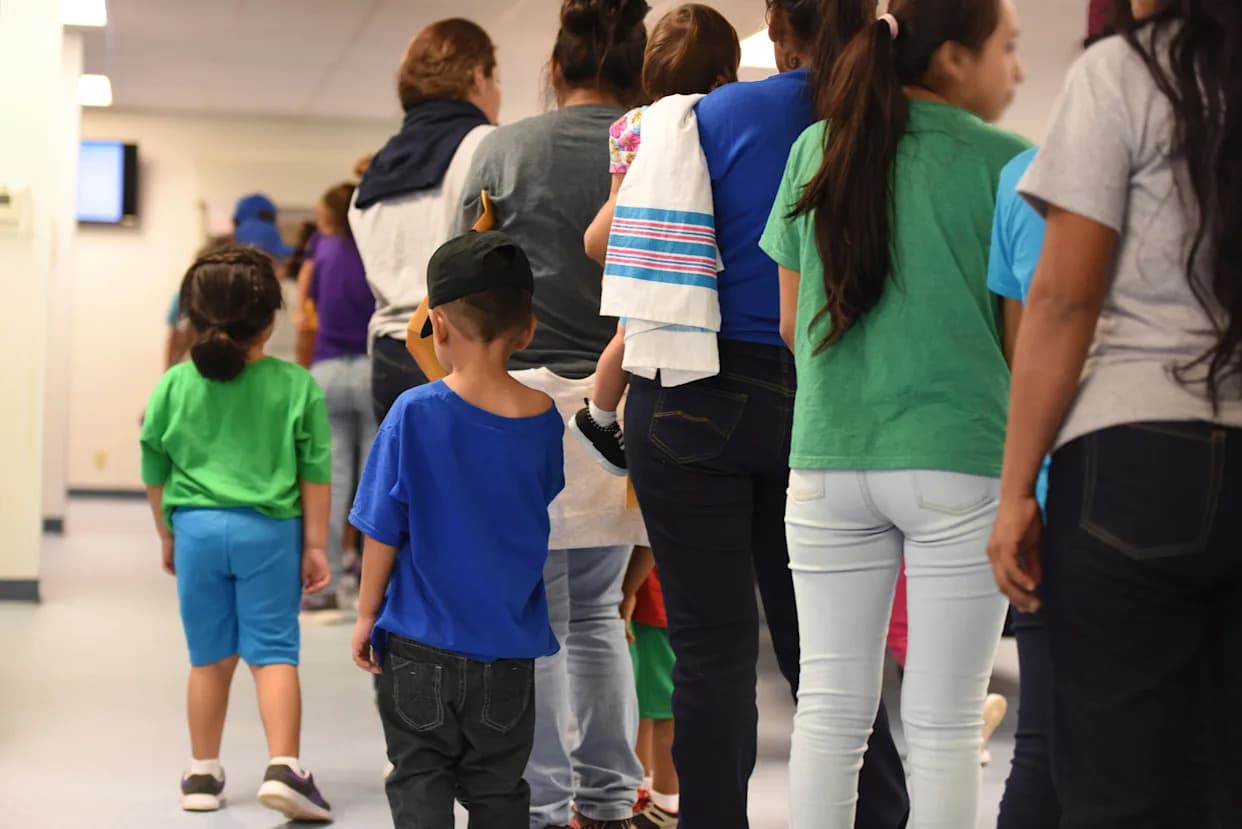
Two Cuban mothers who have no criminal records say they were swept up by a renewed US push to deport Cuban migrants — a campaign tied to tougher policy toward Havana that has real human consequences for families on both sides of the Florida Straits.
Two Mothers Separated From Their Children
Rosaly Estévez, 32, left Miami and returned to Havana last November after being warned she was likely to be detained. US immigration officers removed her ankle monitor before she departed; she travelled with her three-year-old son, Dylan, a US citizen. "It’s been brutal," Estévez said. "Imagine Dylan hugging his phone every night when he sees his dad. I wouldn’t wish this on any mother."
Heidy Sánchez, 43, did not have a choice. She was forcibly removed from Florida in April and — fearful of Cuba’s faltering healthcare system — left her two-year-old daughter, Kaylin, with her American husband in Tampa. Sánchez, who endured years of fertility treatment, recalled standing in the airport with swollen breasts and thinking, "Kaylin must be hungry."
Policy Shifts and the Scale of the Crisis
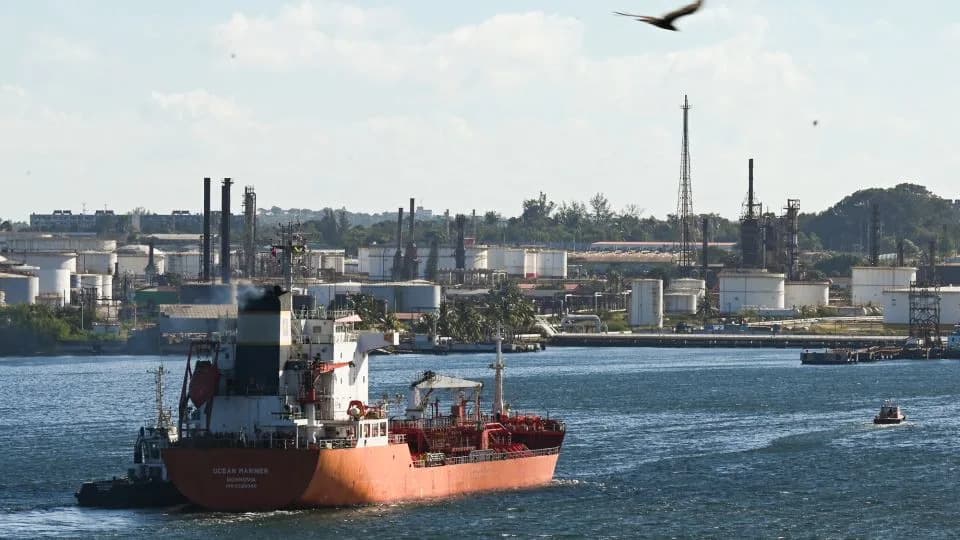
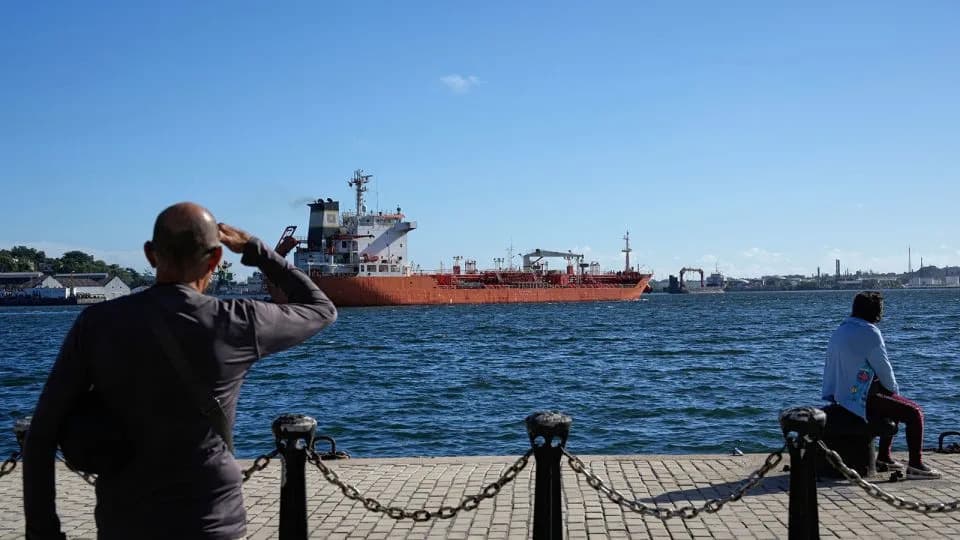
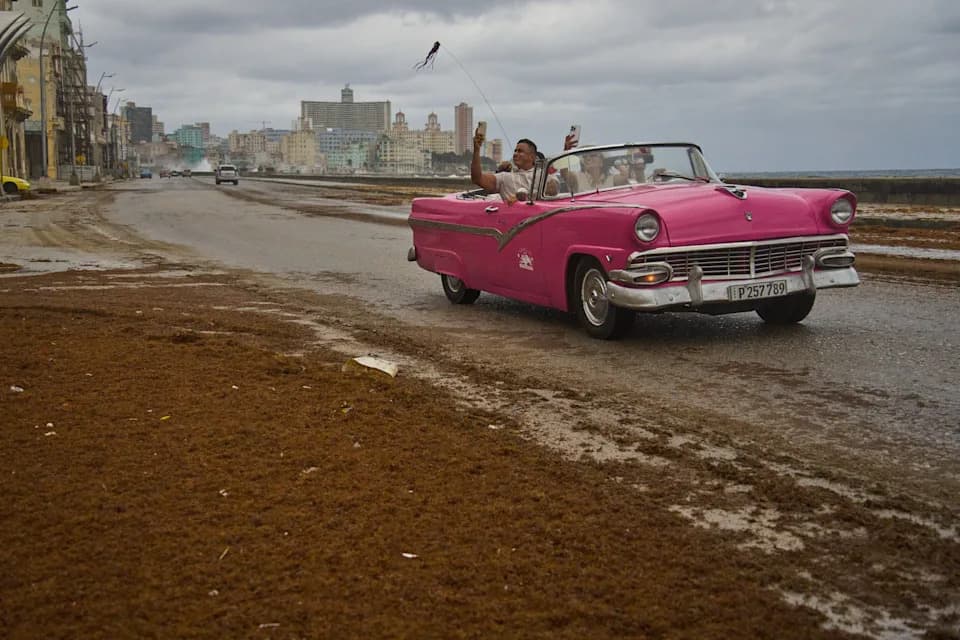
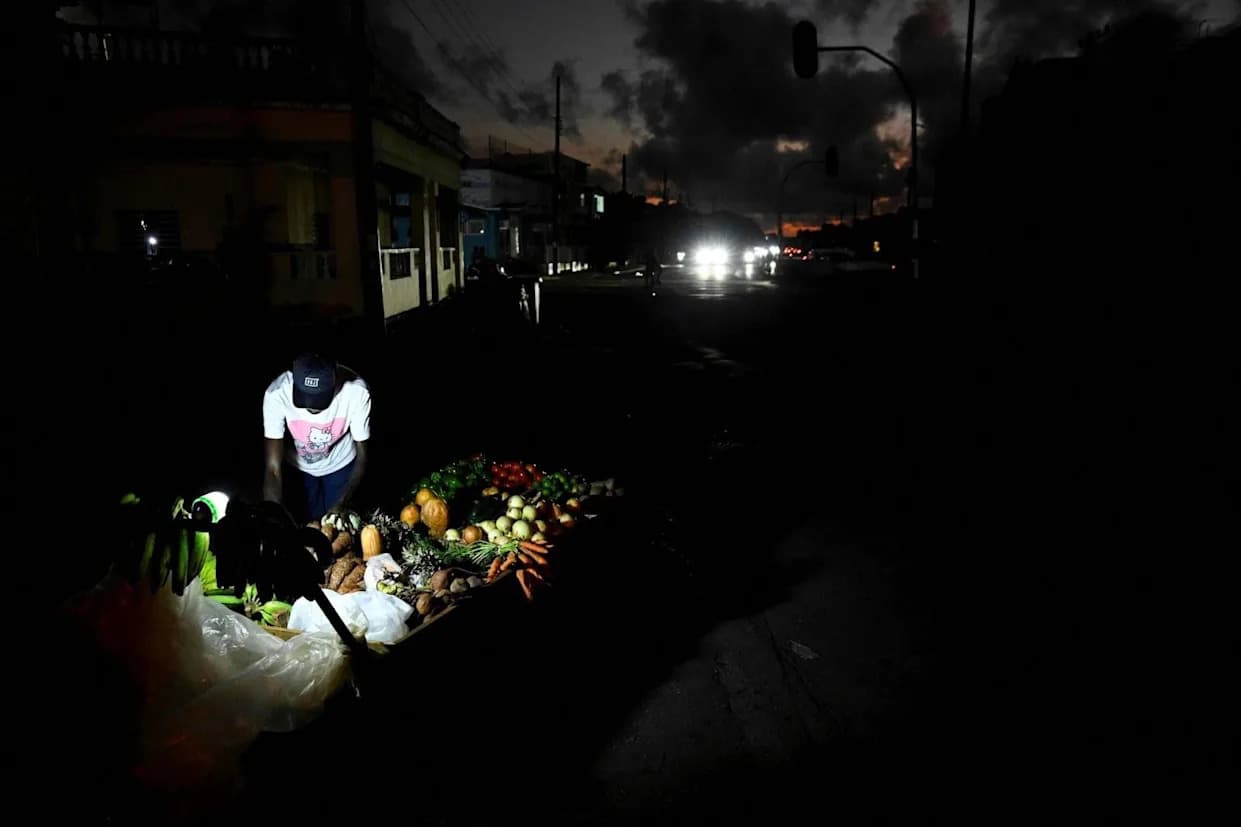
The deportation surge comes amid wider US pressure on Cuba, including restrictions on oil shipments and other punitive measures. Policy reversals that have closed expedited legal pathways — and the rollback of a parole program introduced under the Biden administration — have left many Cuban arrivals vulnerable to removal.
Current government estimates cited in reporting suggest about 45,000 Cubans nationwide have received formal deportation orders and roughly 550,000 are considered vulnerable. Over the past four years an estimated 850,000 Cubans have arrived in the United States, straining immigrant-services networks and intensifying tensions within the long-established Cuban-American community.
"Like many of the president’s statements on Cuba, it’s difficult to know exactly what he’s referring to," said Michael Bustamante, chair of Cuban and Cuban‑American studies at the University of Miami. "Cuban‑Americans who left decades ago are perhaps among the least likely to want to return full‑time to a future Cuba."
Lives on Hold
Many people waiting for asylum adjudication describe a life of anxiety and self‑isolation. "We have tried to switch to working at home, and we try not to go out at weekends or have any regular life activities," said Ernesto Pérez (a pseudonym), who crossed into Texas in 2019 and later settled in Florida.
For those deported to the island — roughly 1,600 so far — the next steps vary. Sánchez says most people on her deportation flight have already moved on with help from US relatives to countries such as Brazil, Mexico or to destinations without Cuban visa restrictions, including Serbia. Sánchez, however, refuses to leave Cuba while her daughter remains in the United States and is seeking legal remedies or diplomatic assistance.
Politics, Division and Local Enforcement
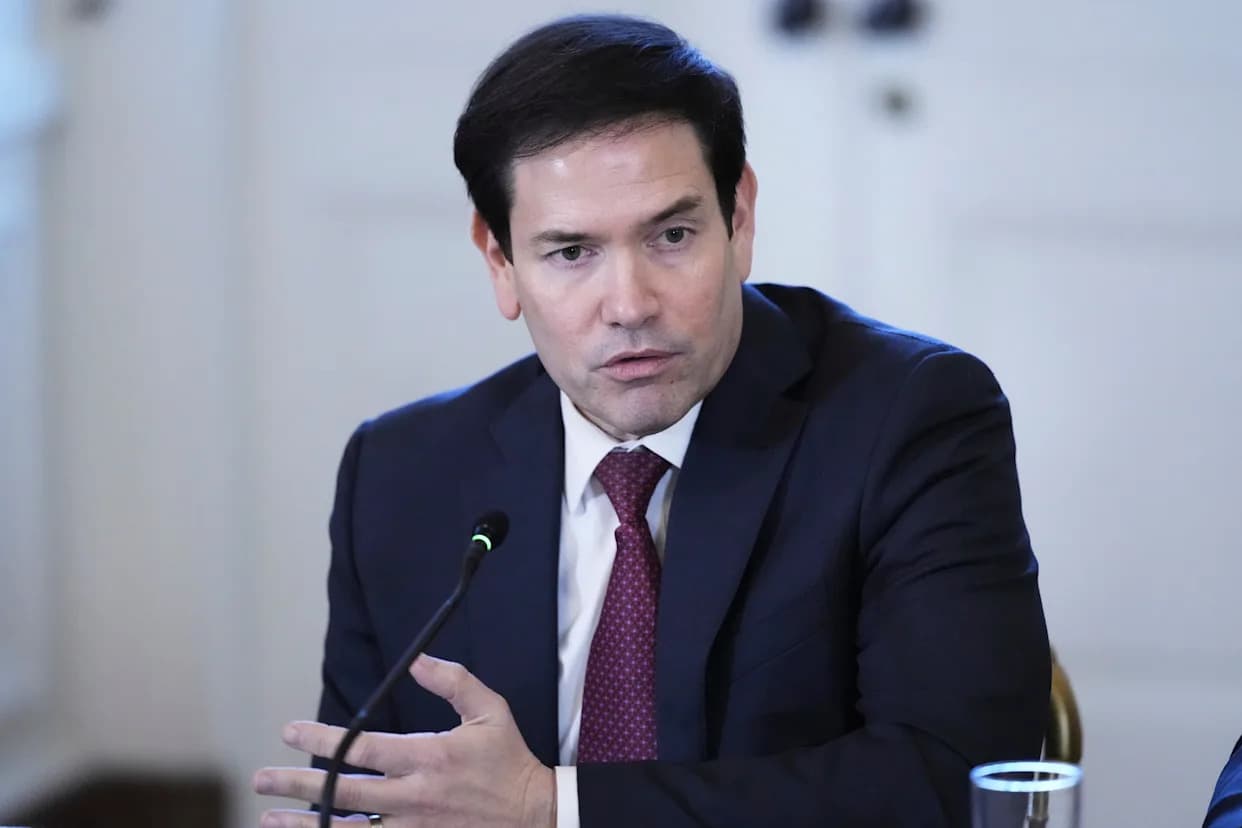
The debate over deportations is entangled with domestic politics. President Donald Trump frames his Cuba policy as protecting Cuban‑Americans and punishing Havana; his rhetoric, observers say, distinguishes between established Cuban‑American elites and recent arrivals. Historian Ada Ferrer explained that in Trump’s view, Cuban‑Americans like prominent politicians fit a different category than recent migrants perceived as immigration risks.
That divide extends into Florida’s Cuban exile community. Some long‑time residents express hostility toward newcomers, while some local officials have taken administrative measures aimed at limiting ties between US‑based companies and Cuba. Dariel Fernández, Miami‑Dade’s recently elected tax collector and a vocal Trump supporter, has moved to penalize local firms that facilitate travel, food parcels, phone recharges or care arrangements for people on the island.
What’s at Stake
Beyond the statistics are urgent personal losses: family separation, interrupted medical and fertility care (Sánchez has two IVF eggs frozen in the US), and the emotional toll on young children separated from parents. Many deported people and those at risk face uncertain legal paths, limited consular options, and the prospect of being forced to rebuild lives in countries they never intended to settle in.
The situation raises broader questions about US immigration policy toward Cuba, the role of sanctions in pressuring the Cuban state, and the humanitarian consequences for migrants and their families — issues that will shape political debate in Florida and in Washington for months to come.
Reporting note: Eileen Sosin contributed additional reporting.
Help us improve.