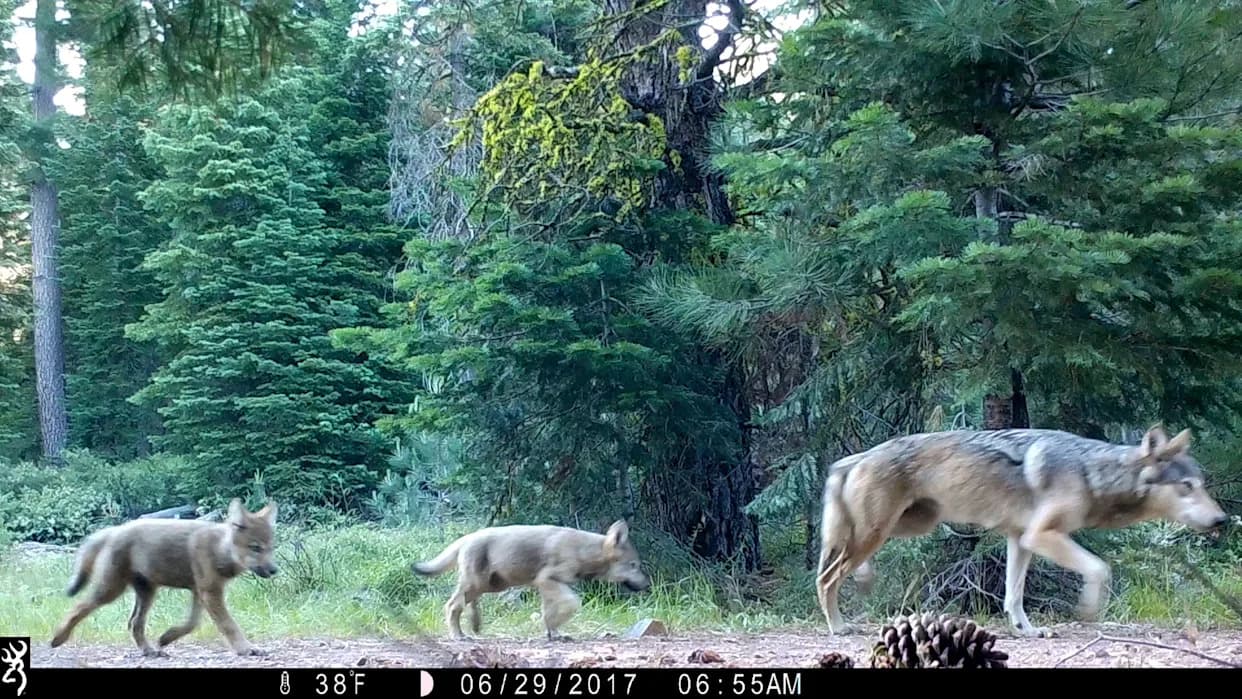
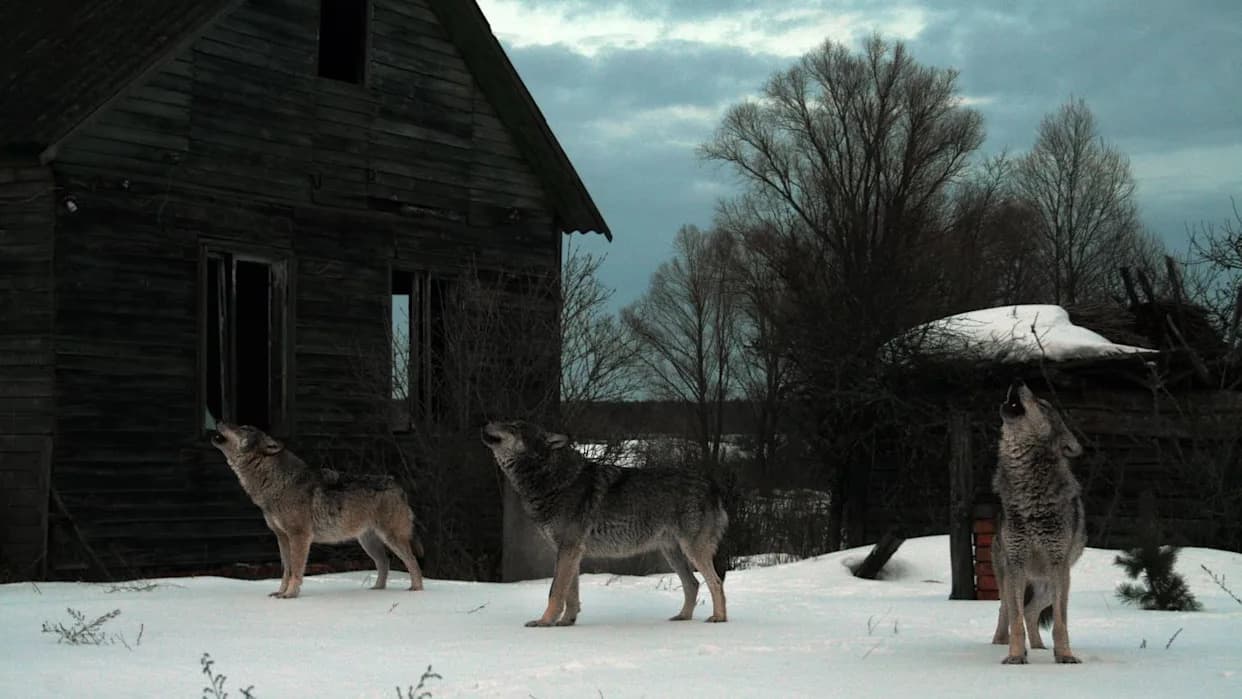
Colossal Biosciences, co‑founded by Ben Lamm and George Church, has reported major progress in de‑extinction: the company announced three dire wolf pups last year after editing gray wolf genomes and using surrogate dogs. In 2025 it produced a woolly mouse as a proof of concept for mammoth revival. Colossal also acquired Viagen Pets & Equine and cloned Tom Brady’s late dog, framing commercial cloning as complementary to conservation work. The firm cites a UN‑linked urgency to act before 2050 but acknowledges scientific, ethical and regulatory challenges ahead.
Colossal Biosciences’ De‑Extinction Breakthroughs: Dire Wolves Born and a Woolly Mouse Points Toward Mammoth Revival
Colossal Biosciences
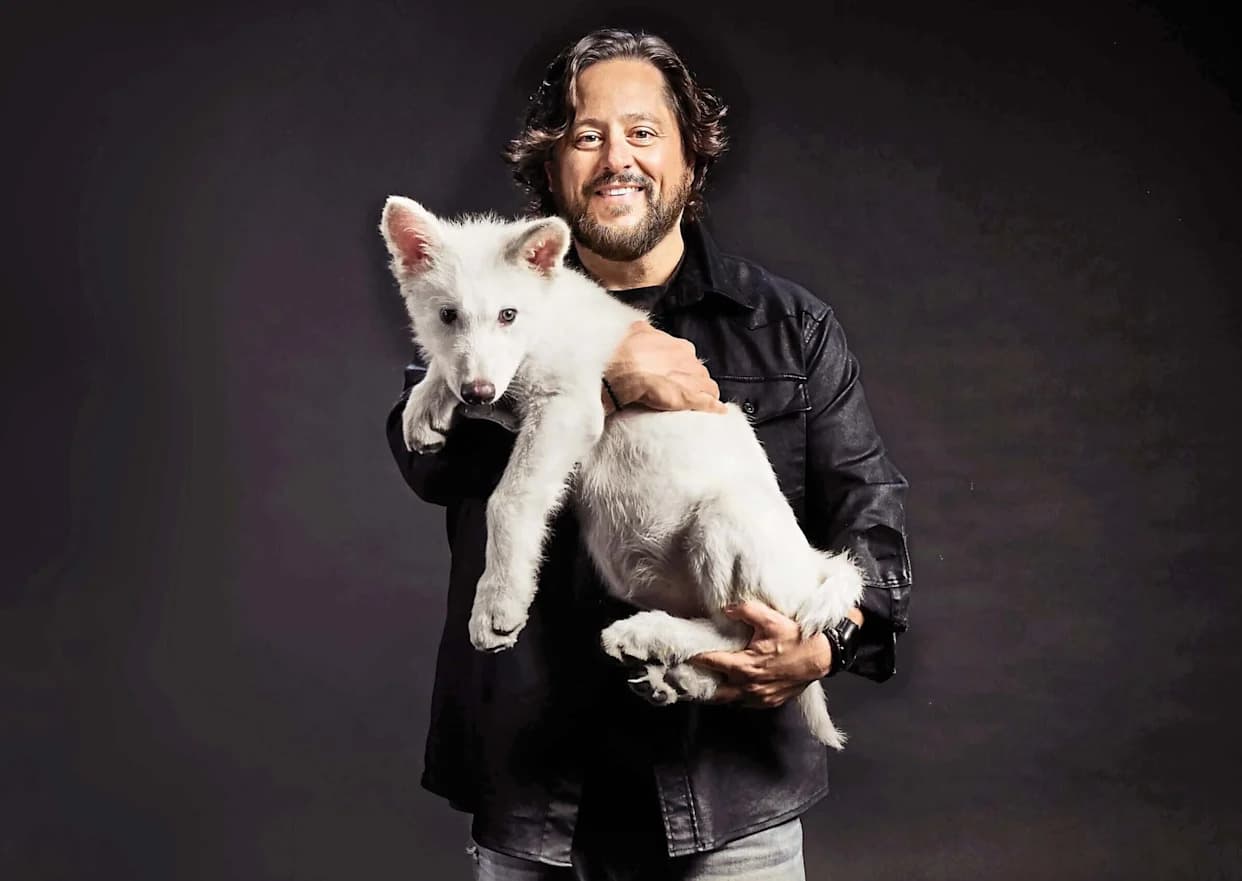
Colossal Biosciences, the biotech start‑up co‑founded by CEO Ben Lamm and Harvard geneticist George Church, has reported several high‑profile milestones in the emerging field of de‑extinction. The company says its work aims to protect biodiversity and develop tools to help prevent future extinctions while also advancing genetic engineering techniques.
Colossal Biosciences
Major Milestones
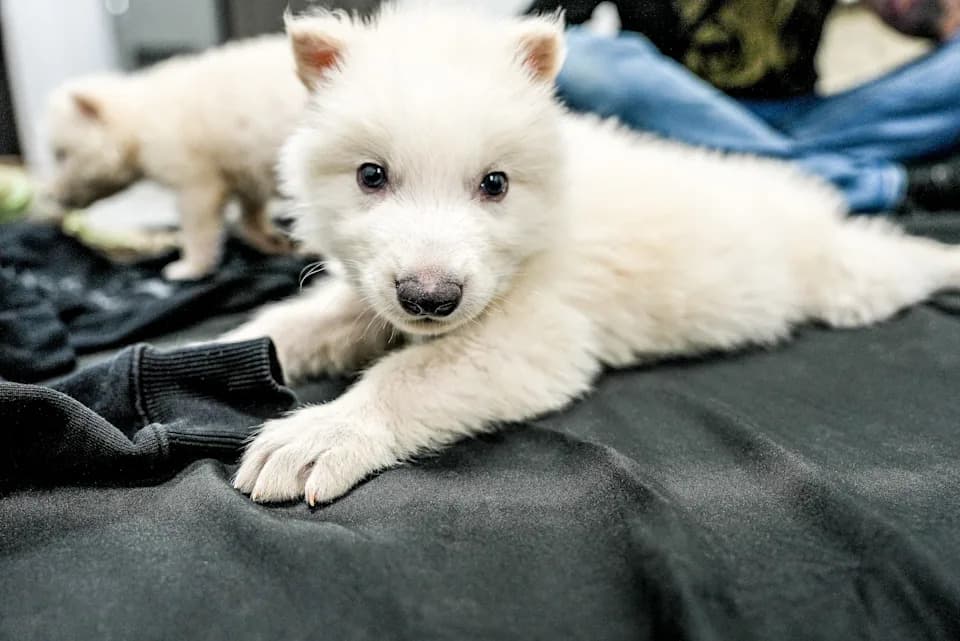
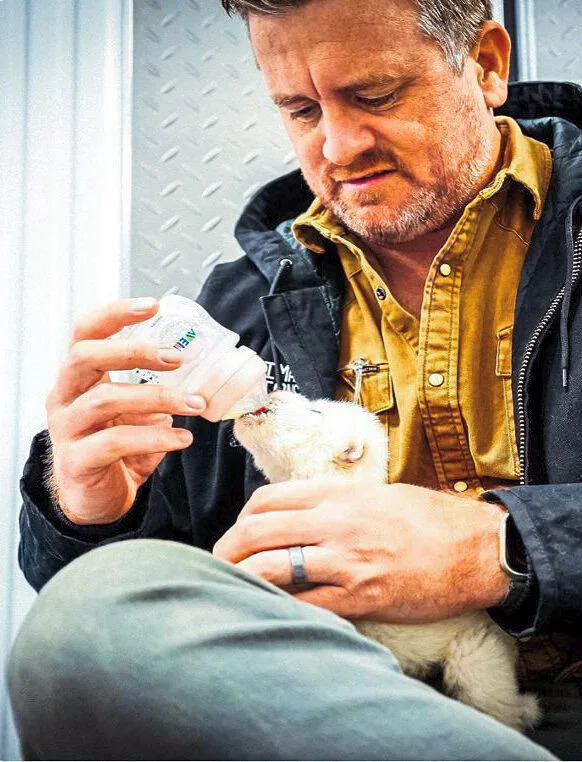
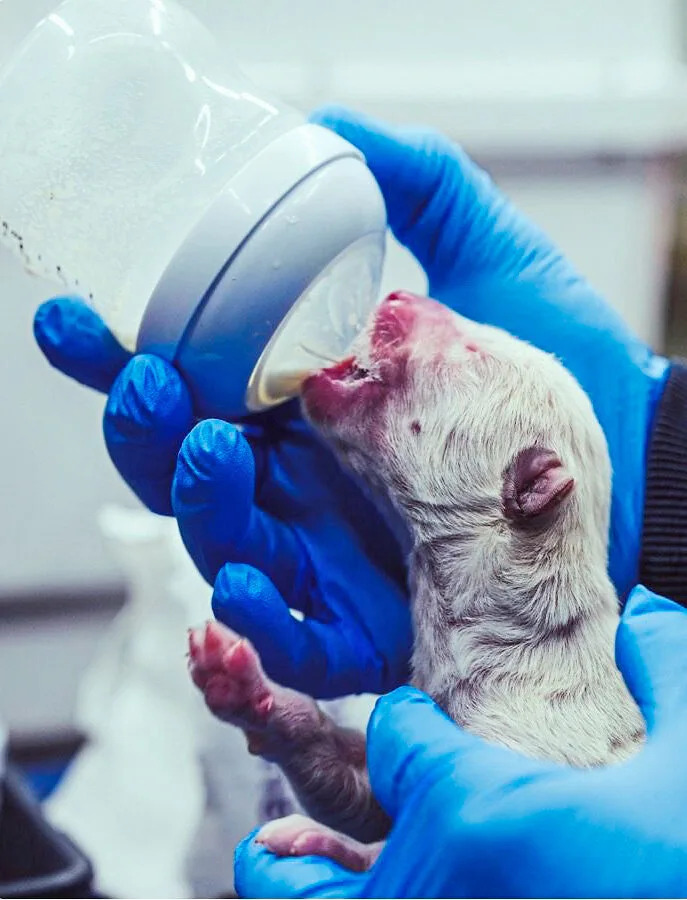
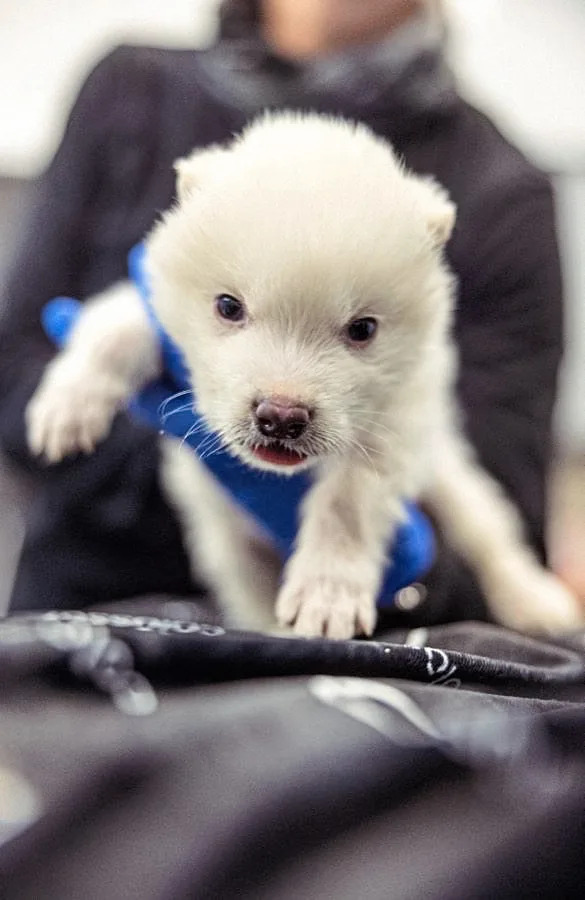
Founded in 2021 and employing roughly 130 scientists, Colossal announced that it produced three dire wolf pups last year — the first individuals of that species to be born in more than 12,000 years. According to the company, researchers edited the genome of the modern gray wolf to recreate key dire wolf traits and used domestic dogs as surrogate mothers. The pups have been named Romulus, Remus and Khaleesi.
Colossal Biosciences
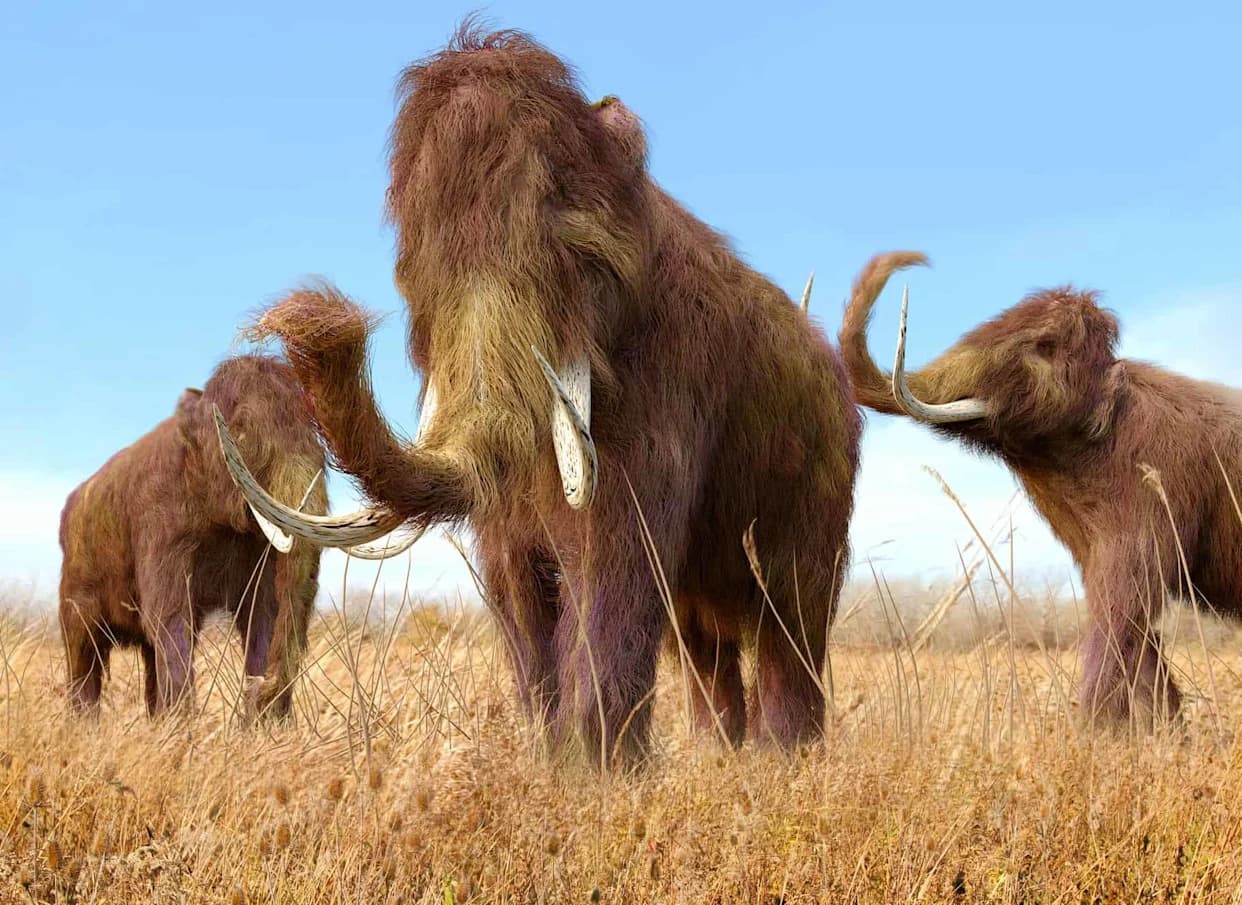
In 2025 Colossal also unveiled a proof‑of‑concept experiment in which woolly mammoth DNA patterns were introduced into a mouse to create a so‑called woolly mouse with longer fur and altered fat metabolism — traits intended to mimic adaptations of the extinct mammoth. Colossal describes that experiment as a step toward applying the same approaches at larger scales.
Getty Images
How the Science Works
Colossal combines preserved DNA, comparative genomics and modern gene‑editing technologies to identify and recreate genetic variants associated with extinct species. The company emphasizes iterative testing and surrogate pregnancies as part of a longer development pathway from small proof‑of‑concept animals to larger, more complex species.
Colossal Biosciences
Next Targets and Timeline
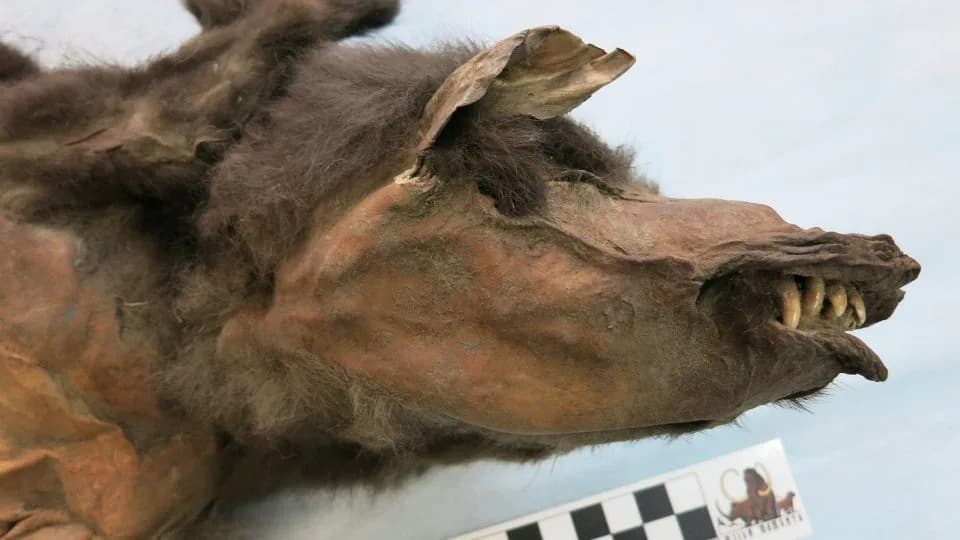
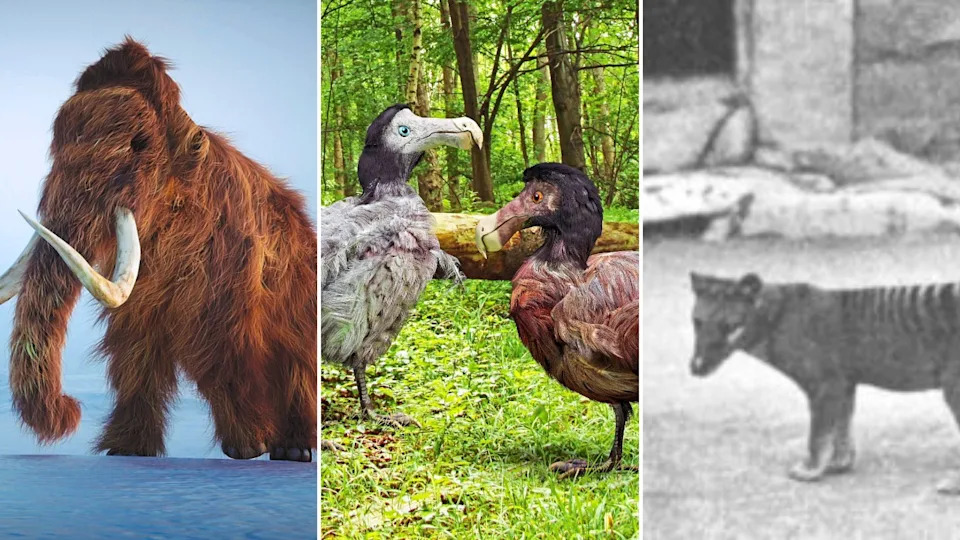
The company lists additional targets such as the flightless dodo and the thylacine (Tasmanian tiger), and says it expects to pursue several species projects within the next five to ten years. Ben Lamm has frequently cited U.N. research warning that biodiversity loss could accelerate if action isn’t taken well before 2050.
Instagram/Tom Brady
Commercial Cloning and Conservation
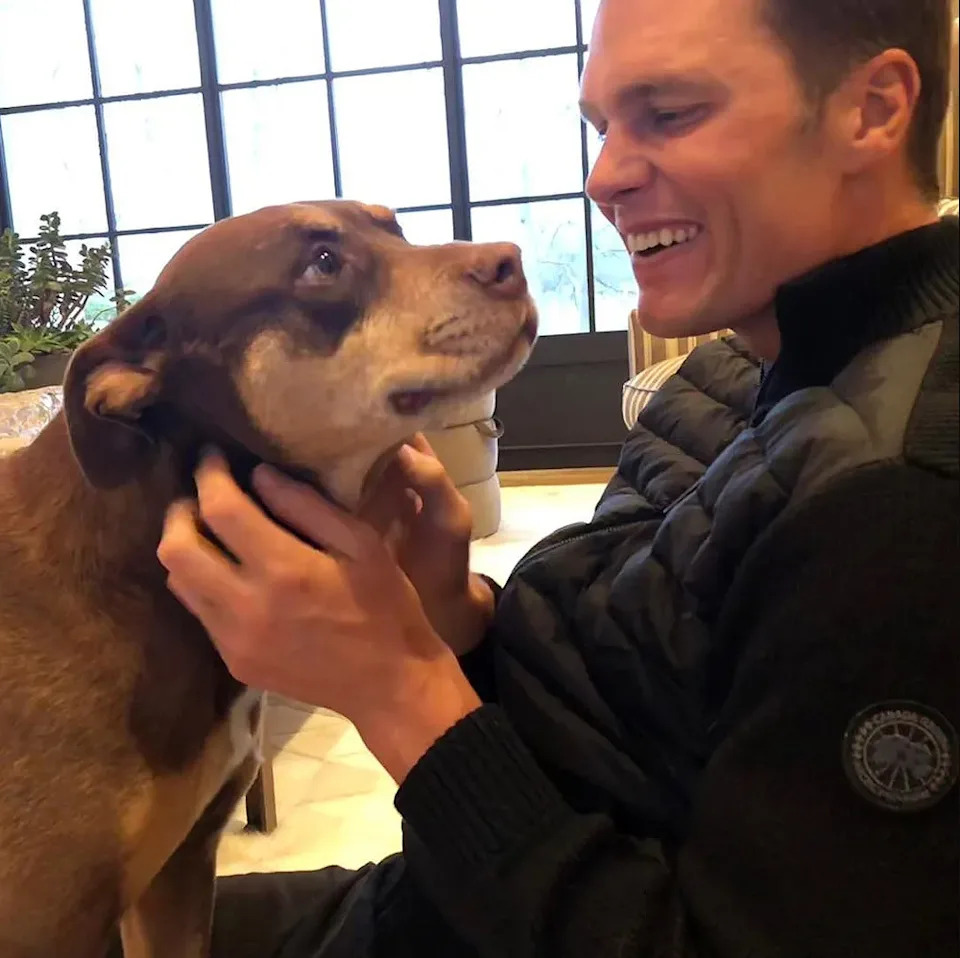
Colossal has also expanded into commercial cloning. Late last year it acquired Viagen Pets & Equine, a firm known for pet cloning, and said it used a blood sample to create a genetic copy of Tom Brady’s late dog Lua, producing a pit‑bull mix named Junie. Viagen’s past work includes high‑profile pet clones such as Barbra Streisand’s Samantha and Paris Hilton’s Diamond Baby. Colossal frames these capabilities as complementary: commercial services can help fund and advance the conservation technologies the company is developing.
Ethics, Regulation and Debate
Experts and conservationists remain divided on de‑extinction. Supporters argue that the tools could restore lost ecological functions and bolster biodiversity, while critics warn of ecological risks, unforeseen consequences, and the need for robust regulation and public oversight. Colossal acknowledges scientific, ethical and regulatory hurdles and says its work includes risk assessment and collaboration with the broader scientific community.
“By 2050, research from the U.N. predicts that there is the chance that nearly half the species in the world could be extinct,”
“We can’t wait until 2050 to figure out the problem of extinction. We need to start today.” — Ben Lamm
Colossal’s projects illustrate both the potential and the controversies of de‑extinction: technical progress is rapid, but broad societal, ecological and regulatory questions remain to be resolved.
Looking Ahead
Colossal says it will continue to scale gene‑editing research, pursue additional species projects, and combine commercial cloning capabilities with conservation goals. Whether and how de‑extinction can be implemented responsibly will depend on continued scientific validation, careful ecological planning and public engagement.
Help us improve.