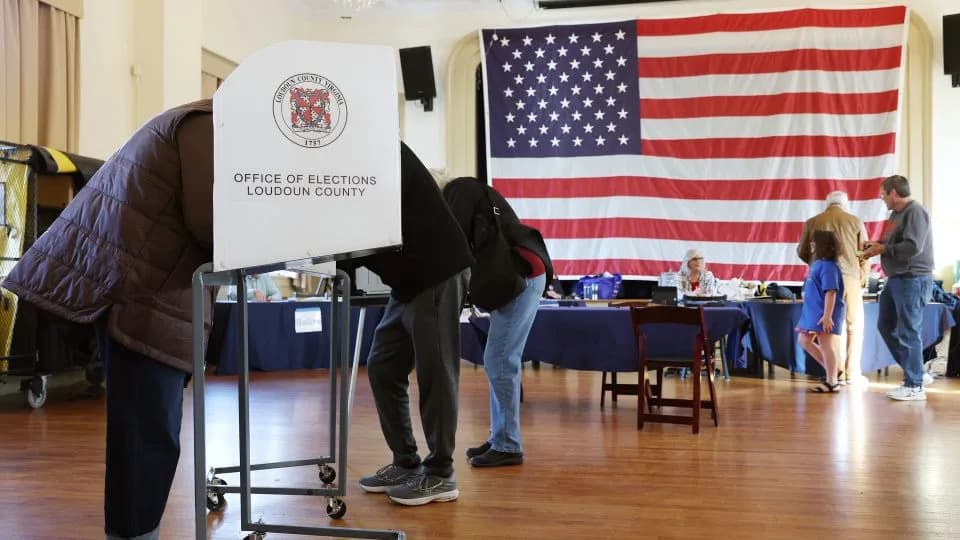
Gov. Ron DeSantis begins his final weeks as Florida’s governor with an ambitious agenda — including a proposed property-tax overhaul, mid-decade redistricting and limits on AI — but escalating friction with House Republicans and lingering budget disputes threaten to stall major initiatives. Tense relations between the governor, the House and the Senate raise the possibility that special sessions and competing timelines could complicate deals and keep lawmakers off the campaign trail. Observers say DeSantis’ once-dominant grip on the Legislature has weakened, making outcomes uncertain.
DeSantis’ Swan Song: Florida’s Legislature Faces GOP Infighting, Big Policy Bets And Possible Gridlock
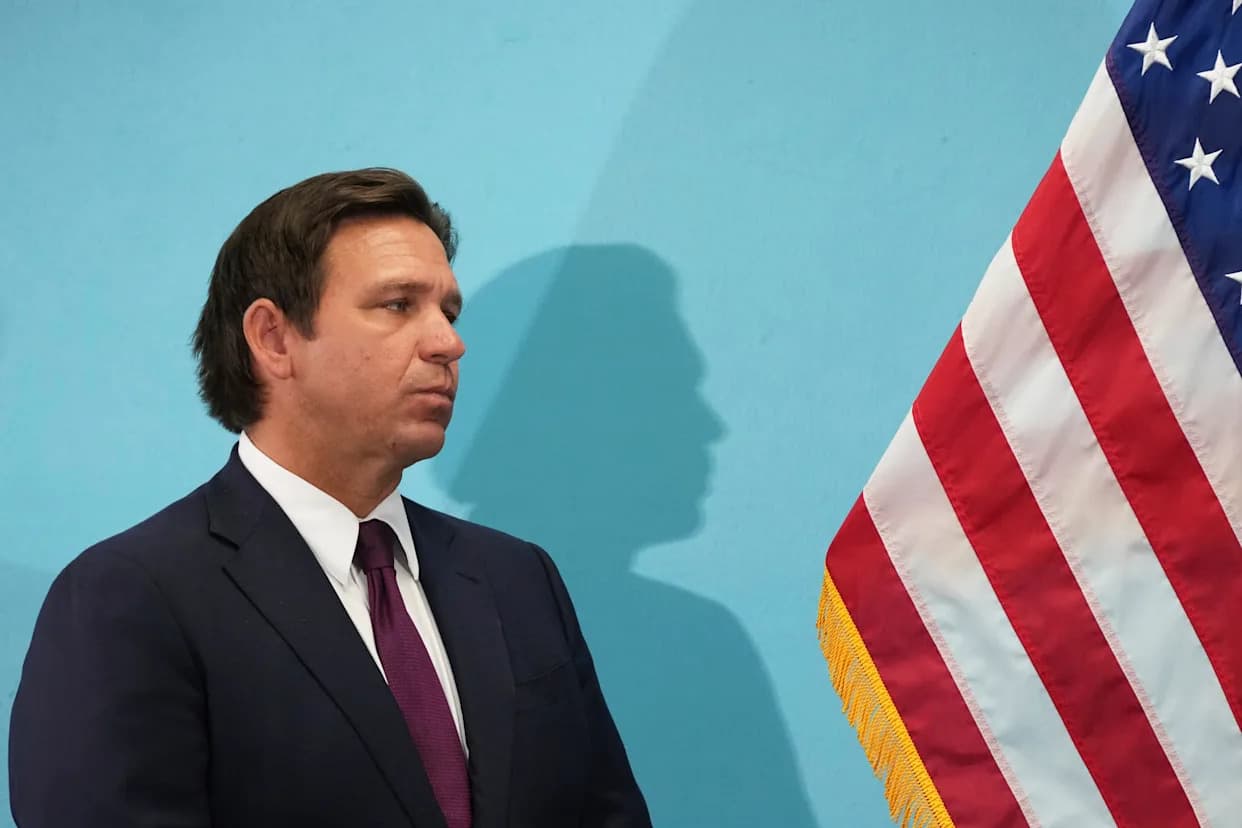
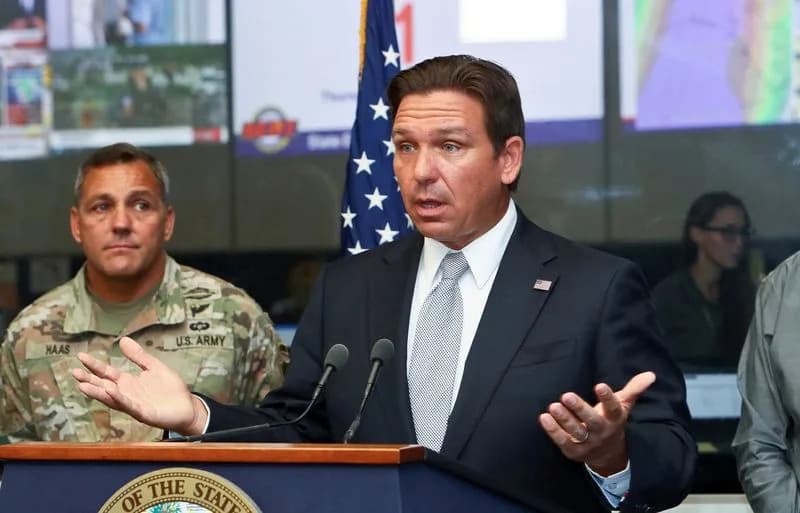
TALLAHASSEE, Fla. — Gov. Ron DeSantis enters the final weeks of his two-term governorship with a packed agenda and fraying ties to House Republicans, setting the stage for a legislative session that could produce major changes — or little at all.
What’s At Stake
DeSantis, term-limited after eight years in office, is pressing lawmakers to put a sweeping property-tax overhaul on the November ballot, to authorize mid-decade congressional redistricting and to approve a slate of measures ranging from new limits on artificial intelligence to the elimination of vaccine mandates. The outcomes this session could reshape state policy and represent some of the last signature items DeSantis can add to his record.
Fractured GOP, Competing Timetables
But deepening divisions between House and Senate leaders — and mounting tensions between the governor and House Republicans — have raised the odds that the session will be contentious and, perhaps, unproductive. State House and Senate leaders are not in sync on several major priorities, and DeSantis’ combative style, which once helped bend the Legislature to his will, has less pull after his unsuccessful presidential bid and the emergence of GOP figures willing to challenge him.
"Gov. Ron DeSantis is the most transformative leader in Florida’s history," said Alex Lanfranconi, a spokesperson for the governor. "He is entering his last legislative session with the same vigor as ever. The governor is running through the finish line and will continue to deliver results until his final day in office."
Key Flashpoints
Property Taxes. DeSantis has pushed to eliminate property taxes on primary residences — a multibillion-dollar change that would need voter approval and would have broad fiscal consequences. He has promised a plan but has not released full details; the House and Senate are also developing competing proposals.
Redistricting. The governor officially called a late-April special session for mid-decade congressional redistricting, a move the House criticized as too late and potentially disruptive to the regular session timeline.
Budget and Taxes. Last year’s protracted budget fight exposed deep rifts; budget leaders from both chambers say they are coordinating now to avoid a replay, but lawmakers face pressure to tighten spending, which could complicate negotiations.
Other Priorities. DeSantis is also urging new guardrails on artificial intelligence and backing moves to roll back vaccine mandates — items that could attract national attention if enacted.
Politics, Procedure And Pressure
Special sessions carry procedural consequences: while lawmakers are in regular or special session they are barred from fundraising, which could keep legislators off the campaign trail and crimp political calendars. The prospect of multiple special sessions increases that burden and raises the potential for exhausted or distracted lawmakers.
Relations between the governor and the House remain strained. Speaker Daniel Perez told POLITICO he tried to reach the governor late last year but did not get a returned call; Perez said he still wants a functional working relationship and is prepared to compartmentalize personal disagreements to do his job.
"I’m able to compartmentalize my disdain for how the governor speaks about the House and the Legislature with the requirement for me to do my job as an elected official and lead the House," Perez said.
The governor is currently more aligned with Senate Republicans, but distrust between top lawmakers lingers after last year’s budget standoff. Some GOP operatives and lobbyists — speaking on condition of anonymity — forecast chaotic negotiations and warn that competing agendas could leave major priorities unmet.
Outlook
There remains a realistic chance that fierce intra-party fights and timing conflicts will result in few headline achievements before DeSantis leaves office. Still, Republican leaders may still unite to pass measures they deem most important. For Democrats and some Republicans, the session also signals a reassertion of legislative independence after years during which DeSantis’ influence loomed large.
Whether the governor’s final session becomes a capstone or a swan song marked by gridlock will depend on whether leaders can bridge policy, timing and personality differences in the weeks ahead.
Help us improve.