Lawyers for conservation groups, Native American tribes and the states of Oregon and Washington have asked a federal court to order operational changes at eight major dams on the Snake and Columbia rivers after the federal government withdrew from the 2023 Resilient Columbia Basin Agreement. Plaintiffs say current dam operations violate the Endangered Species Act and seek measures such as lower reservoir levels and increased spill to aid salmon passage. The federal government warns that court-ordered changes could compromise safety, raise utility rates and disrupt navigation.
Salmon Fight Returns To Court: States And Tribes Seek Operational Changes At Eight Columbia–Snake River Dams
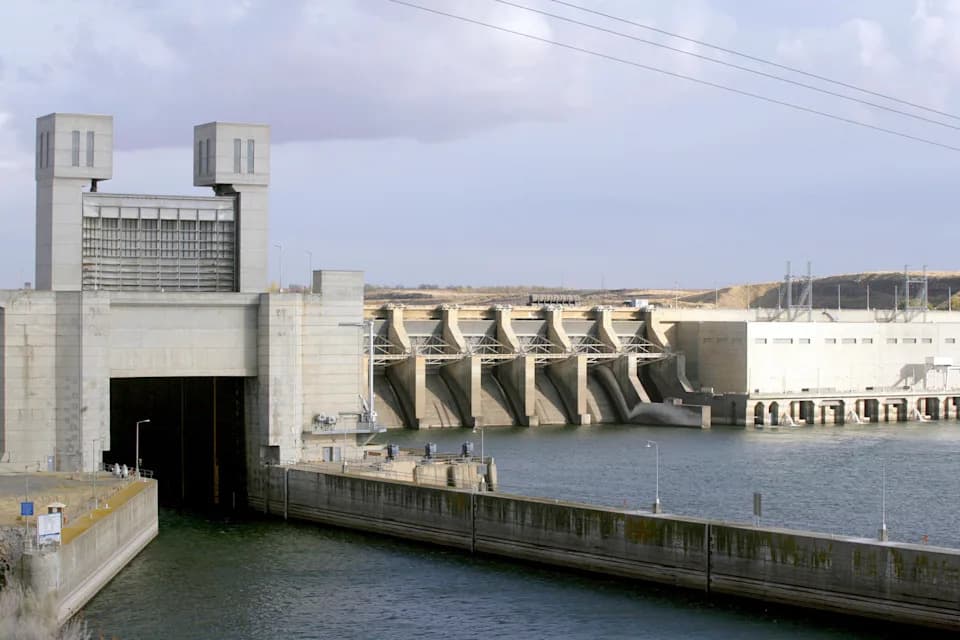
FILE - This photo shows the Ice Harbor dam on the Snake River in Pasco, Wash, Oct. 24, 2006. (AP Photo/Jackie Johnston, File)(ASSOCIATED PRESS)
PORTLAND, Ore. — Lawyers for conservation groups, Native American tribes and the states of Oregon and Washington returned to federal court this week asking a judge to order operational changes at eight major dams on the Snake and Columbia rivers after a landmark federal agreement collapsed.
What’s at stake: The plaintiffs say current dam operations violate the Endangered Species Act and are a key driver of critically low salmon and steelhead populations in the Columbia River Basin. They ask the court for measures such as lower reservoir water levels to speed fish passage and increased spill to allow juvenile salmon to pass over dams rather than through turbines.
Background: The litigation was paused under the 2023 Resilient Columbia Basin Agreement, a deal that included a Biden administration pledge of $1 billion over 10 years to support salmon recovery and tribal clean-energy projects. The federal government later withdrew from the pact in June, ending that pause and reviving the court battle.
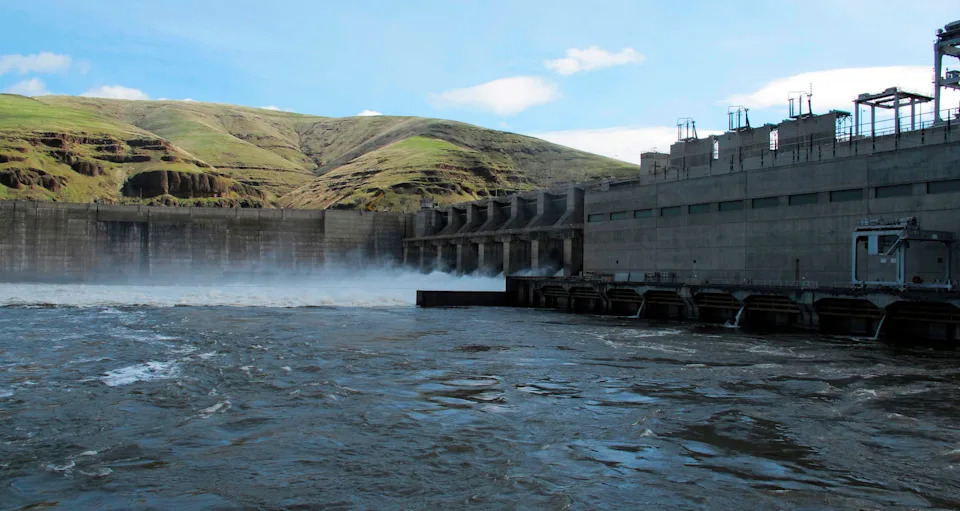
FILE - Water moves through a spillway of the Lower Granite Dam on the Snake River near Almota, Wash., April 11, 2018. (AP Photo/Nicholas K. Geranios, File)(ASSOCIATED PRESS)
Plaintiffs and support: The lead plaintiffs include the state of Oregon and a coalition of conservation and fishing organizations represented by Earthjustice and others; groups such as the National Wildlife Federation are involved. Washington state, the Nez Perce Tribe and the Yakama Nation have backed the motion as amici curiae.
Government response: Federal lawyers oppose the request, calling it a “sweeping scheme to wrest control” of dam operations that they say would compromise safe, efficient management of hydropower and navigation. The government also warns a court-ordered fix could raise electricity rates for customers and disrupt other dam functions.
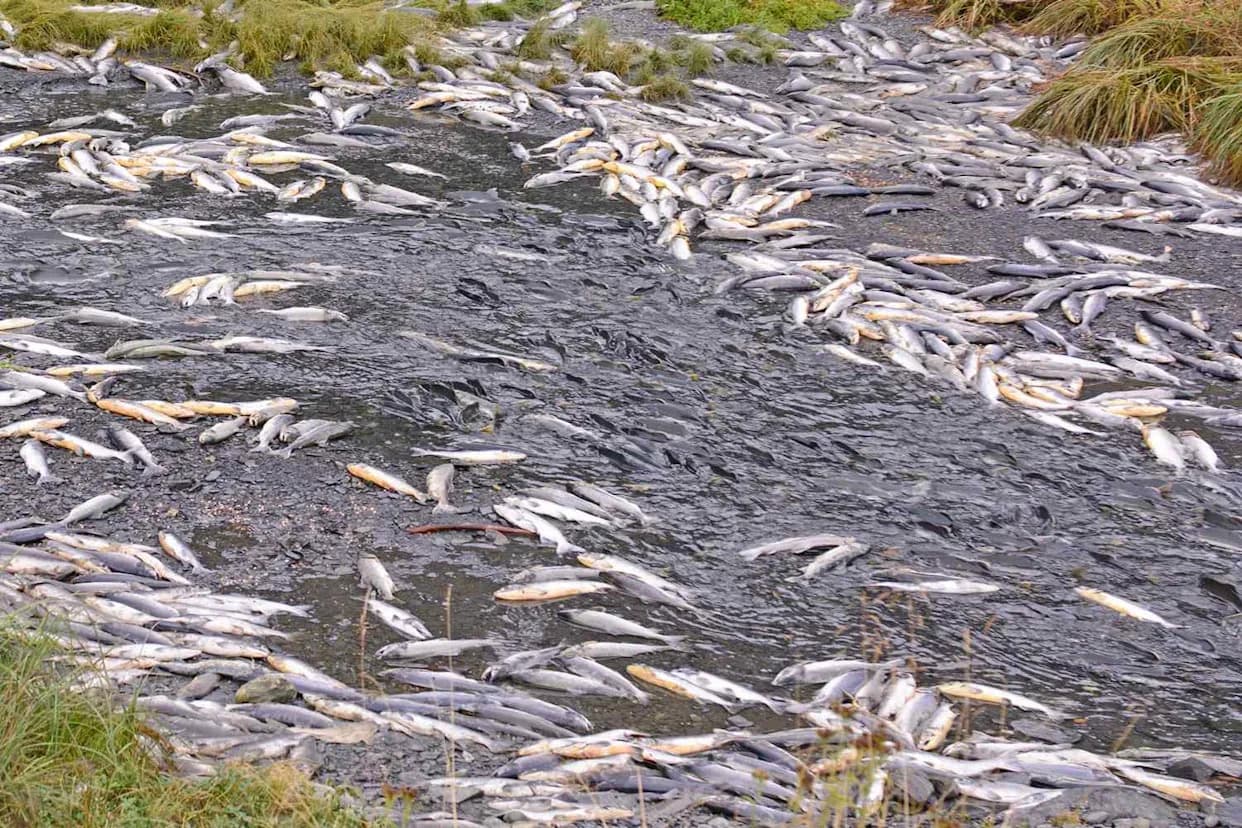
Economic and cultural context: The Columbia River Basin — roughly the size of Texas — was once among the world’s most productive salmon watersheds, sustaining at least 16 salmon and steelhead stocks. Today, four stocks are extinct and seven are listed as endangered or threatened. Regional killer whales also rely on Columbia Basin salmon. At the same time, the dams built in the 1930s and later supplied hydropower, navigation and jobs and helped establish inland ports such as Lewiston, Idaho.
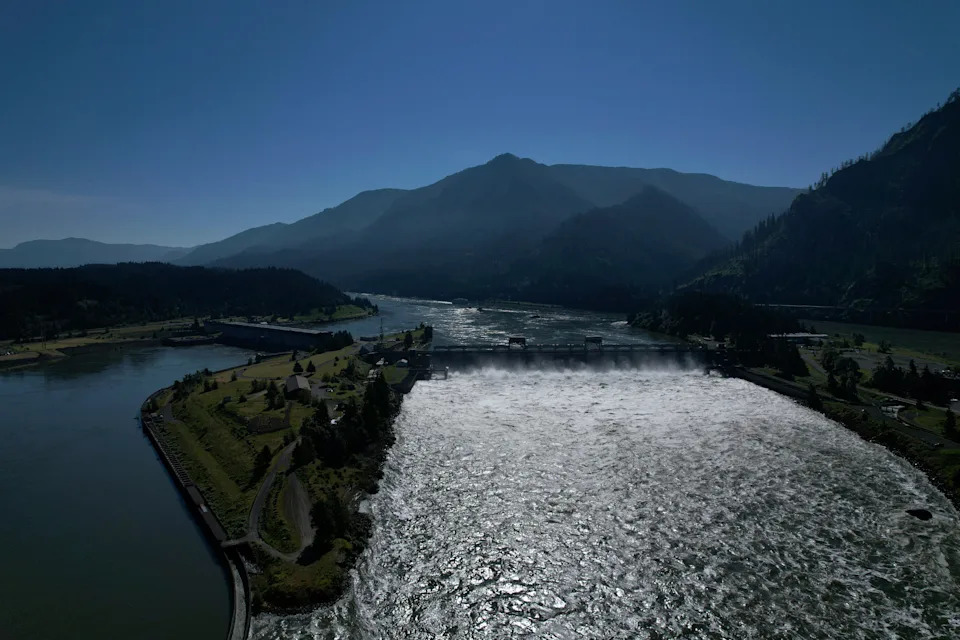
FILE - Water spills over the Bonneville Dam on the Columbia River, which runs along the Washington and Oregon state line, June 21, 2022. (AP Photo/Jessie Wardarski, File)(ASSOCIATED PRESS)
Opposition and concerns: Industry and navigation advocates, including the Inland Ports and Navigation Group, argue that large increases in spill could hinder barge traffic, disrupt the flow of commerce and harm local economies. Tribes and conservationists counter that the dams are a primary cause of the salmon decline and that stronger measures are needed to prevent extinctions and protect tribal cultural and spiritual ways of life.
Dams Targeted In The Motion: The court filing seeks operational changes at four Snake River dams — Ice Harbor, Lower Monumental, Little Goose and Lower Granite — and four Columbia River dams — Bonneville, The Dalles, John Day and McNary.
“We’re returning to court because the situation for the salmon and the steelhead in the Columbia River Basin is dire,” said Kristen Boyles, managing attorney with Earthjustice. “There are populations that are on the brink of extinction, and this is a species at the center of Northwest tribal life and identity.”
The U.S. District Court in Portland will hear oral arguments on the plaintiffs’ motion for a preliminary injunction. The decision could shape how the region balances species recovery, tribal rights, hydropower generation and river navigation for years to come.
Help us improve.