New EPA data shows more than four million farmed Atlantic salmon died prematurely in Tasmania during 2025, representing over 20,000 metric tons lost. Mortality rates surged in November–December, with about 500,000 fish dying as waters warmed and daily losses in December topping 40 tons. Tassal has used medicated feed containing florfenicol to combat Piscirickettsia salmonis, prompting health advice for anglers and renewed calls from scientists and advocates for stronger oversight, better reporting and stricter penalties.
Over 4 Million Farmed Salmon Died in Tasmania in 2025 — EPA Data Reveals Causes and Calls for Stronger Oversight
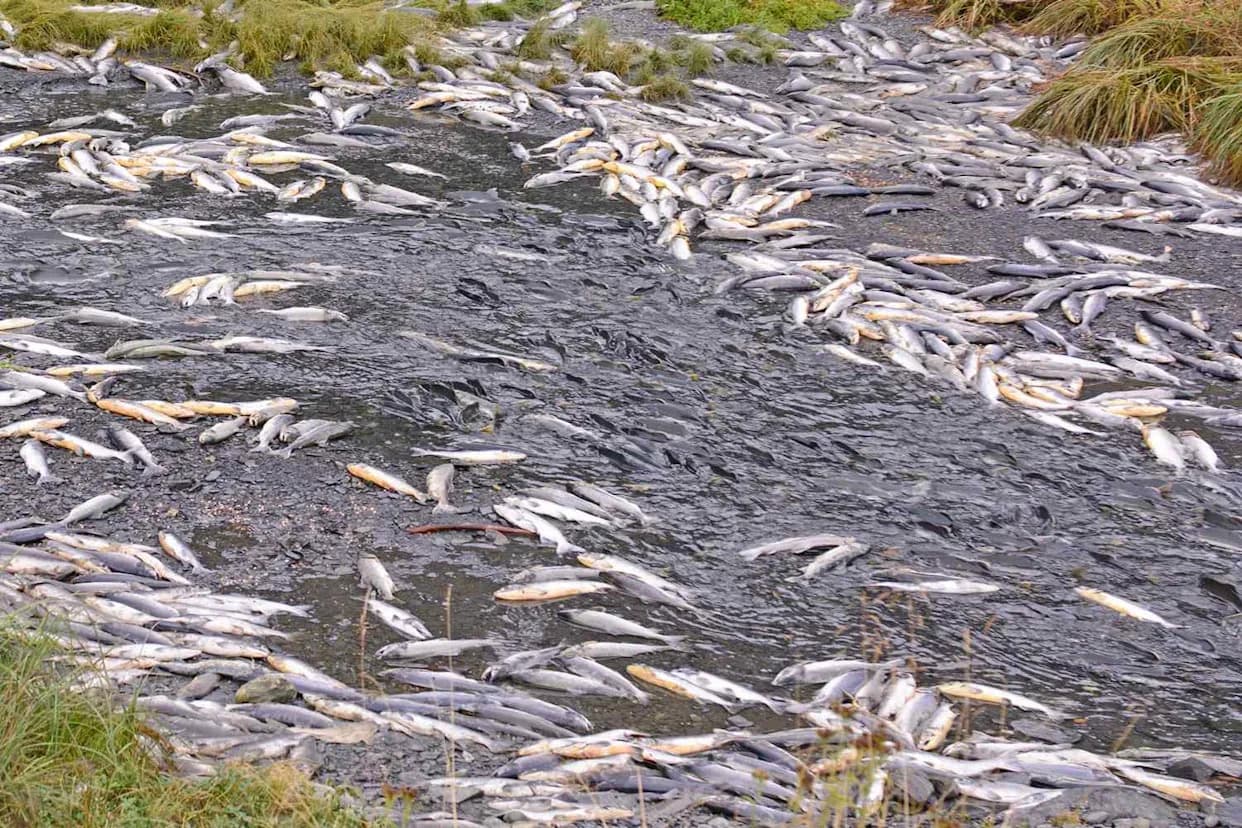
Dead salmon in streamGetty
Newly released figures from Tasmania’s Environmental Protection Authority (EPA) show that more than four million farmed Atlantic salmon died prematurely across Tasmanian fish farms in 2025, totaling in excess of 20,000 metric tons lost over the year.
The EPA report, published Jan. 23, highlights a sharp spike in mortalities in the warmer months: roughly 2,500 metric tons of salmon died in November and December alone, and about 500,000 individual fish deaths were recorded during those two months as waters warmed heading into the Southern Hemisphere summer.
Daily losses in December exceeded 40 tons at some sites — nearly three times the average death rate observed between July and October, according to the EPA. Scientific studies show Atlantic salmon begin to suffer serious health effects when water temperatures approach 64°F (18°C). At those temperatures dissolved oxygen declines, organs can be damaged and fish become more susceptible to disease.
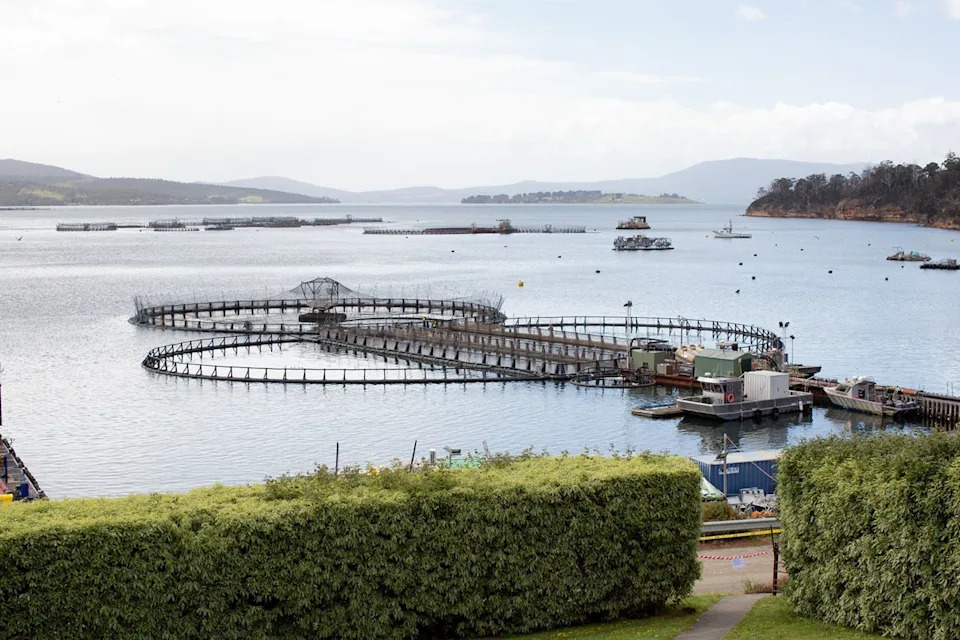
Salmon fish farming pens in the D'Entrecasteaux Channel, southern Tasmania, AustraliaGetty
The regulator also disclosed that Tassal, Tasmania’s largest salmon producer, began administering medicated feed containing the antibiotic florfenicol at a farm near Bruny Island on Jan. 24, with the treatment scheduled to run through Feb. 2. The use of florfenicol was approved late last year to combat outbreaks of the marine bacterium Piscirickettsia salmonis.
Tasmania’s Department of Health has advised recreational anglers concerned about antibiotic residues to avoid eating wild-caught fish taken from roughly two miles of treated salmon farms for 21 days after medicated feed is deployed. Local reporting indicates salmon producers used florfenicol at least 13 times since early November; while antibiotic use must be reported, the EPA does not publish detailed antibiotic-use records until months after treatments occur.
Causes, Investigations and Industry Response
Authorities and industry officials say the mass mortalities appear to be driven primarily by the endemic bacterium Piscirickettsia salmonis, compounded by stressors such as higher water temperatures. Tasmania’s Chief Veterinary Officer Kevin de Witte emphasized that the bacterium is not a risk to human health or food safety and noted the industry’s ongoing investment in vaccine research.

Drone view of a large salmon fish farm off the coast of Tinderbox in Tasmania, Australia.Getty
“Mortalities are a known aspect of salmon farming worldwide,” said de Witte, adding that warmer summer waters often increase health risks for farmed fish.
Marine scientists and environmental groups described the scale of the deaths as alarming. Stewart Frusher, a retired professor at the University of Tasmania’s Institute for Marine and Antarctic Studies, warned the waters in southeastern Tasmania may no longer be "fit for purpose" for salmon production without changes to management and site selection.
Calls For Stronger Oversight And Penalties
Environmental campaigners, including Jess Coughlan of Environment Tasmania, criticized the industry’s increasing reliance on antibiotics and called for tougher penalties and better public reporting. Coughlan pointed to regulatory approaches used in other countries, such as Norway, as potential models for imposing fines or deterrents to prevent high mortality becoming the norm.
Under Tasmania’s Animal Welfare Act, animal owners are prohibited from using husbandry practices that are likely to cause unreasonable pain or suffering. Observers note that, despite previous large-scale fish deaths, few regulatory changes have been enacted to address welfare or long-term environmental impacts.
The EPA says investigations are ongoing. Scientists and advocates are urging more stringent regulation, improved transparency on antibiotic use, and preventive measures — including better site planning, stronger disease controls and accelerated vaccine development — to reduce the risk of future mass mortality events in the state’s aquaculture sector.
Help us improve.