Sen. Kirsten Gillibrand and 15 Senate Democrats sent a Jan. 28 letter to EPA Administrator Lee Zeldin and Army Corps official Adam Telle condemning a proposed rule to narrow the federal "Waters of the United States" definition. The November draft would remove federal protections for many wetlands, ephemeral streams and some interstate waters, and exclude pre-1985 farmland, ditches and groundwater. Supporters say the change provides regulatory clarity and follows the Supreme Court’s 2023 Sackett v. EPA ruling; critics warn it would shift cleanup and flood-control costs to states and leave only about 19% of non-tidal wetlands federally protected.
Senate Democrats Say EPA WOTUS Proposal Would Strip Protections From Wetlands, Threaten Drinking Water
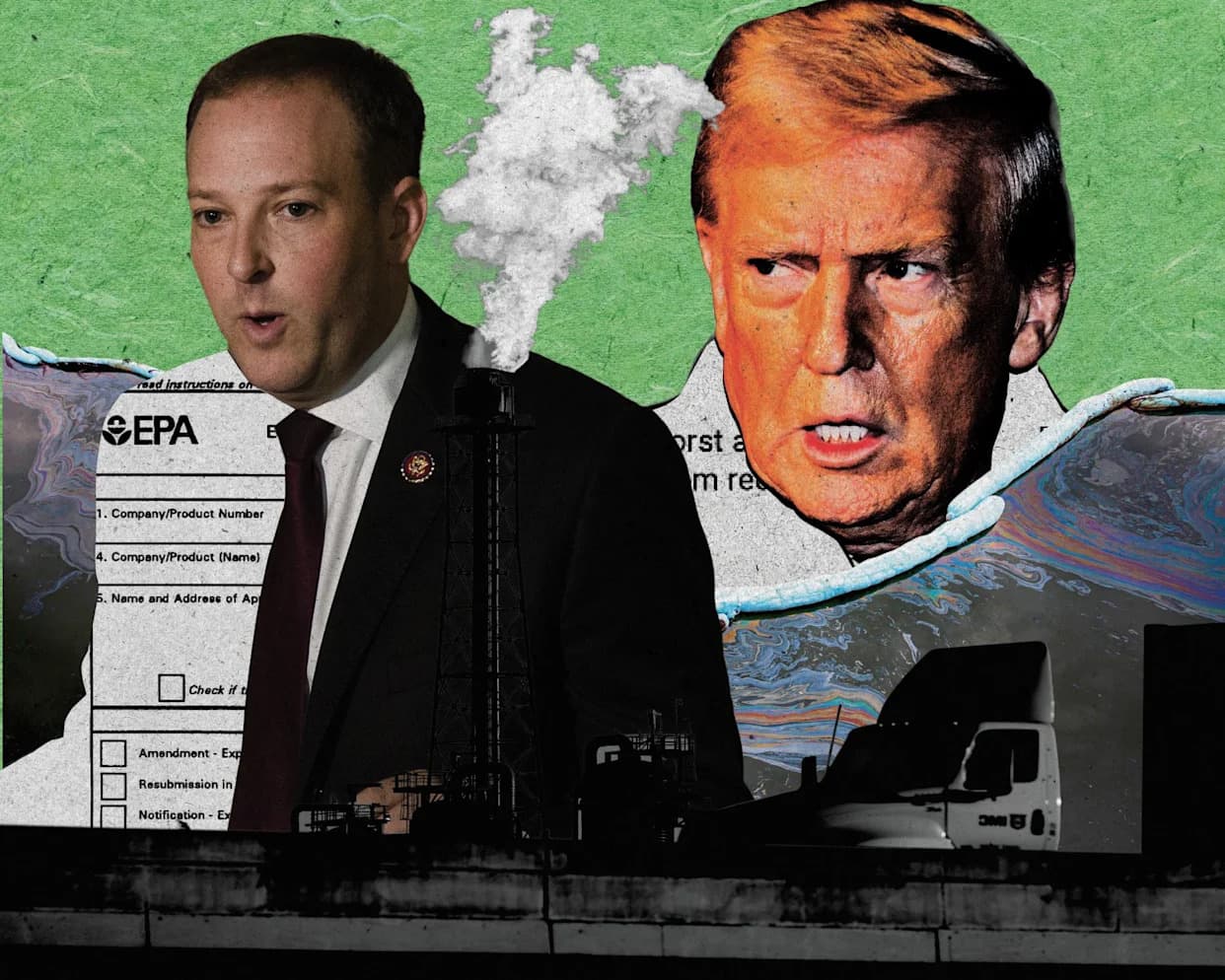
Senate Democrats blast Zeldin’s EPA over proposal to roll back federal water protections
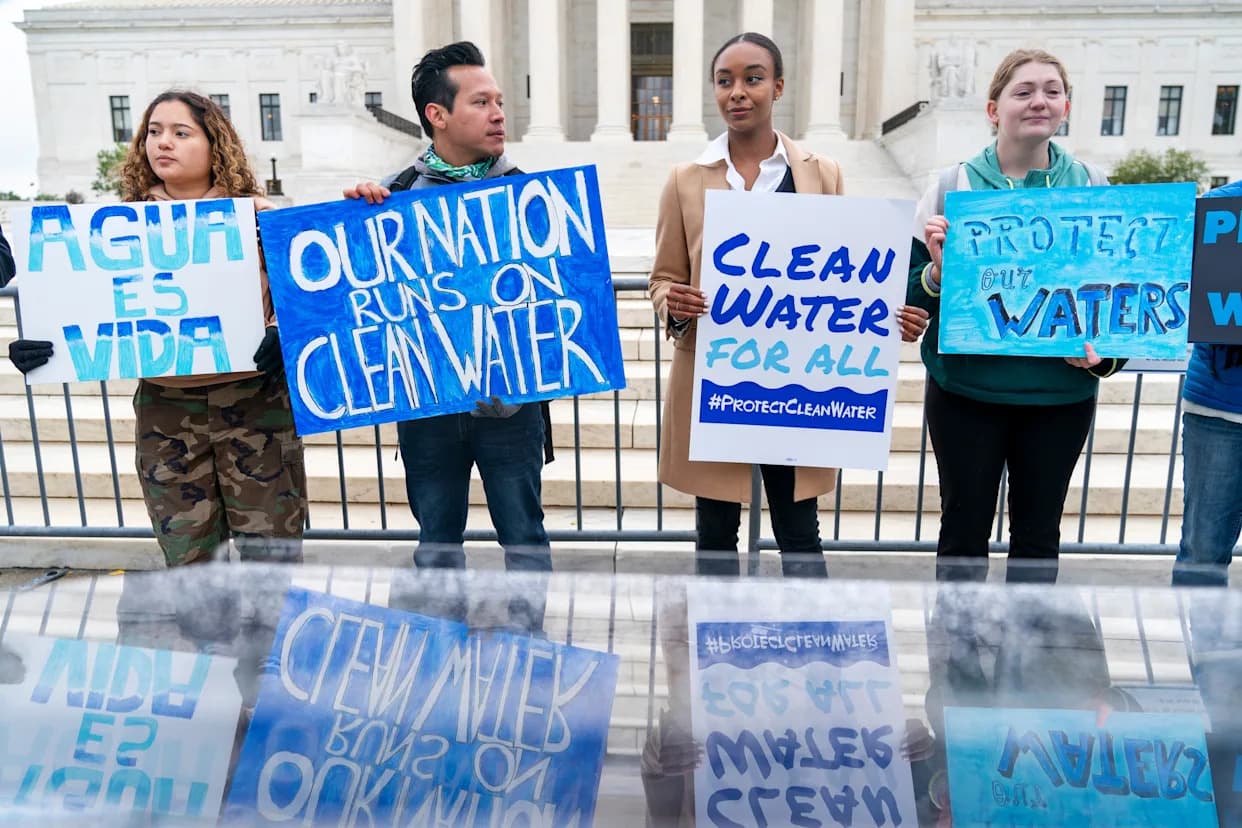
Sen. Kirsten Gillibrand (N.Y.) and 15 Senate Democrats sharply criticized a proposed Environmental Protection Agency rule on Jan. 28, saying the plan to narrow the federal definition of “Waters of the United States” (WOTUS) would ignore science and imperil drinking water for millions of Americans.
What the Proposal Would Change
The WOTUS draft, first unveiled in November, would more tightly define which waterways fall under the Clean Water Act’s federal jurisdiction. It would redefine "relatively permanent" waters as those that are "standing or continuously flowing year-round or at least during the wet season," and would limit federal protection for wetlands to those that physically touch a larger protected water body and can sustain surface water.
Under the proposal, many wetlands separated from protected waters by dry land or man-made barriers, wetlands that only fill during storms, ephemeral streams, vernal pools, certain ditches, pre-1985 developed farmland and groundwater would no longer automatically receive federal protections.
Senators' Concerns
In their letter to EPA Administrator Lee Zeldin and Army Corps Assistant Secretary Adam Telle, the senators argued the rule goes beyond the Supreme Court’s 2023 Sackett v. EPA decision and would shift the burden of pollution control to states, municipalities and taxpayers.
“The proposed rule is legally unnecessary, scientifically unsound, and will harm public and environmental health by allowing more harmful chemicals into our waterways,” the senators wrote.
They compared ephemeral streams and isolated wetlands to the capillaries and kidneys of a broader watershed system—small features that perform essential filtration, flood control and habitat functions. The senators cited an EPA estimate that only 19% of non-tidal wetlands would remain federally protected under the draft rule.
Administration and Supporters' Defense
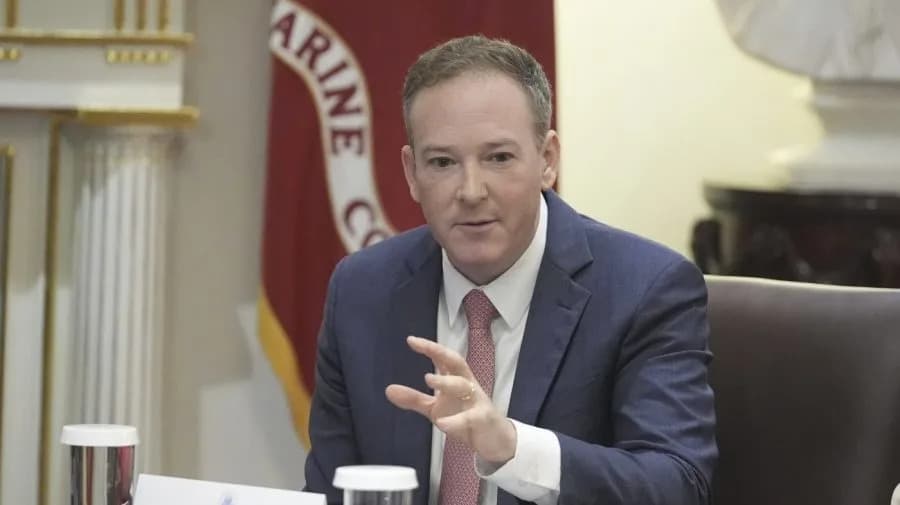
Officials defending the draft say it provides clarity and aligns federal oversight with the Sackett decision. Assistant Secretary Adam Telle said the changes would deliver "durable regulatory certainty," while former New York lawmaker Lee Zeldin framed the rule as offering clarity for landowners, farmers and businesses.
Business and agricultural groups have welcomed the draft. American Farm Bureau Federation President Zippy Duvall said the proposal "finally addresses those concerns and takes steps to provide much-needed clarity." Supporters argue the move reduces regulatory uncertainty and eases burdens on landowners.
Potential Consequences and Next Steps
Opponents warn that narrowing federal protections could increase costs for localities handling pollution cleanup and flood mitigation, and reduce safeguards for drinking water sources. The EPA and Army Corps will take public comment on the draft rule as part of the rulemaking process before any final version is issued.
Letter Signatories
- Sen. Richard Blumenthal (Connecticut)
- Sen. Cory Booker (New Jersey)
- Sen. Tammy Duckworth (Illinois)
- Sen. Martin Heinrich (New Mexico)
- Sen. Edward Markey (Massachusetts)
- Sen. Lisa Blunt Rochester (Delaware)
- Sen. Bernie Sanders (Vermont)
- Sen. Angela Alsobrooks (Maryland)
- Sen. Chris Van Hollen (Maryland)
- Sen. Jeff Merkley (Oregon)
- Sen. Ron Wyden (Oregon)
- Sen. Alex Padilla (California)
- Sen. Adam Schiff (California)
- Sen. Jack Reed (Rhode Island)
- Sen. Sheldon Whitehouse (Rhode Island)
For readers seeking the full text of the senators' letter or the EPA’s proposal, both documents are available through the EPA and Senate offices as part of the public record.
Help us improve.