Indigenous communities have camped for two weeks outside Cargill's port terminal in Santarém to protest government-backed dredging and river-port expansion in the Amazon. About 700 people from 14 communities demand repeal of an August decree prioritizing Amazon rivers for cargo navigation and cancellation of a 74.8 million reais tender to dredge the Tapajós River. Authorities argue dredging is needed for navigation safety, while prosecutors warn of environmental risks including mercury release and habitat loss for river dolphins, turtles and aquatic birds.
Indigenous Communities Blockade Cargill Terminal in Santarém Over Amazon River Dredging Plans
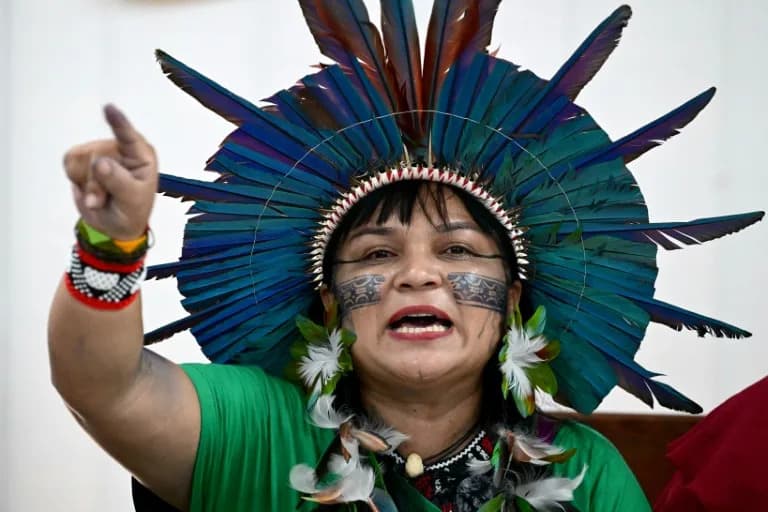
Auricelia Arapiun, pictured during the COP30 UN climate talks in 2025, was one of several Indigenous leaders protesting plans to dredge rivers in the Amazon (Pablo PORCIUNCULA)(Pablo PORCIUNCULA/AFP/AFP)
Hundreds of Indigenous protesters have camped for two weeks outside the river port terminal operated by US agribusiness giant Cargill in Santarém, northern Brazil, to oppose plans to dredge and expand Amazon waterways for grain exports.
The demonstration, involving roughly 700 people from 14 communities, highlights long-standing Indigenous concerns about port expansion on rivers they consider essential to their cultures, livelihoods and sacred sites. Activists raised these issues publicly at COP30 last November in Belém.
Demands and Actions
Protesters are demanding the repeal of an August decree by President Luiz Inácio Lula da Silva that designates major Amazon rivers as priorities for cargo navigation and private port expansion. They also want a December federal tender valued at 74.8 million reais (about $14.2 million) to manage and dredge the Tapajós River to be cancelled.
"We have been here for 14 days, but this struggle didn't start now. We occupied Cargill to draw attention so that the government would come up with a proposal," said Indigenous leader Auricelia Arapiuns in a video message from Santarém.
Another leader, Alessandra Korap of the Munduruku people, warned: "This infrastructure that is coming is not a space for us, and it never will be. It is a project of death to kill our river and our sacred places."
Responses and Risks
Cargill said protesters had blocked trucks from entering and leaving the terminal and told AFP that the company "has no authority or control" over the government decisions at issue. The Minnesota-based multinational operates logistics across Brazil and employs about 11,000 people in the country.
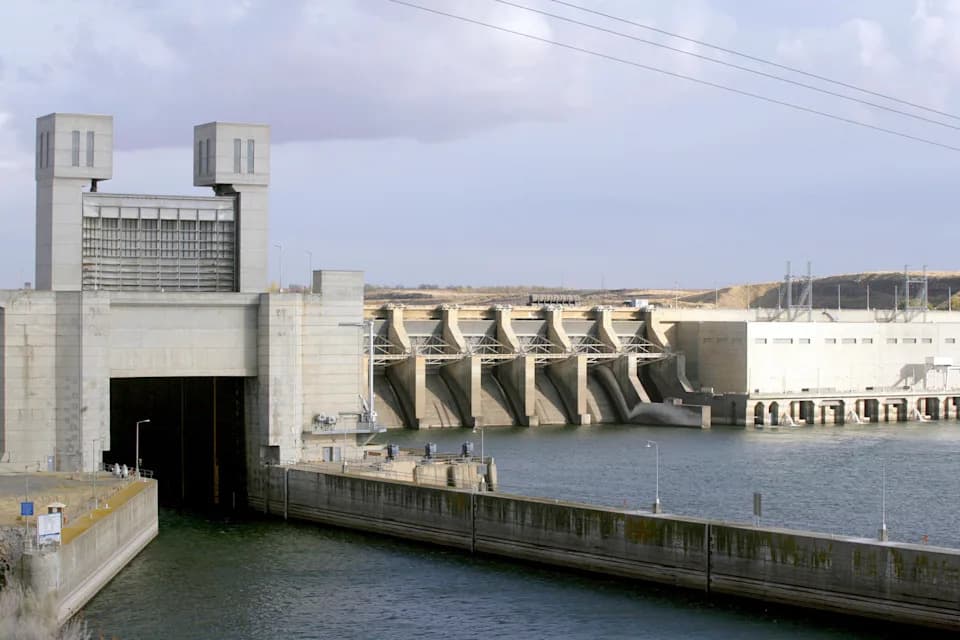
Brazil's ports ministry has argued that maintenance dredging is needed to "increase navigation safety... and ensure greater predictability for cargo and passenger transport operations." Meanwhile, Brazil's Ministry of Indigenous Peoples acknowledged the "legitimacy of the concerns raised," saying no dredging should proceed on the Tapajós without the consent of affected communities.
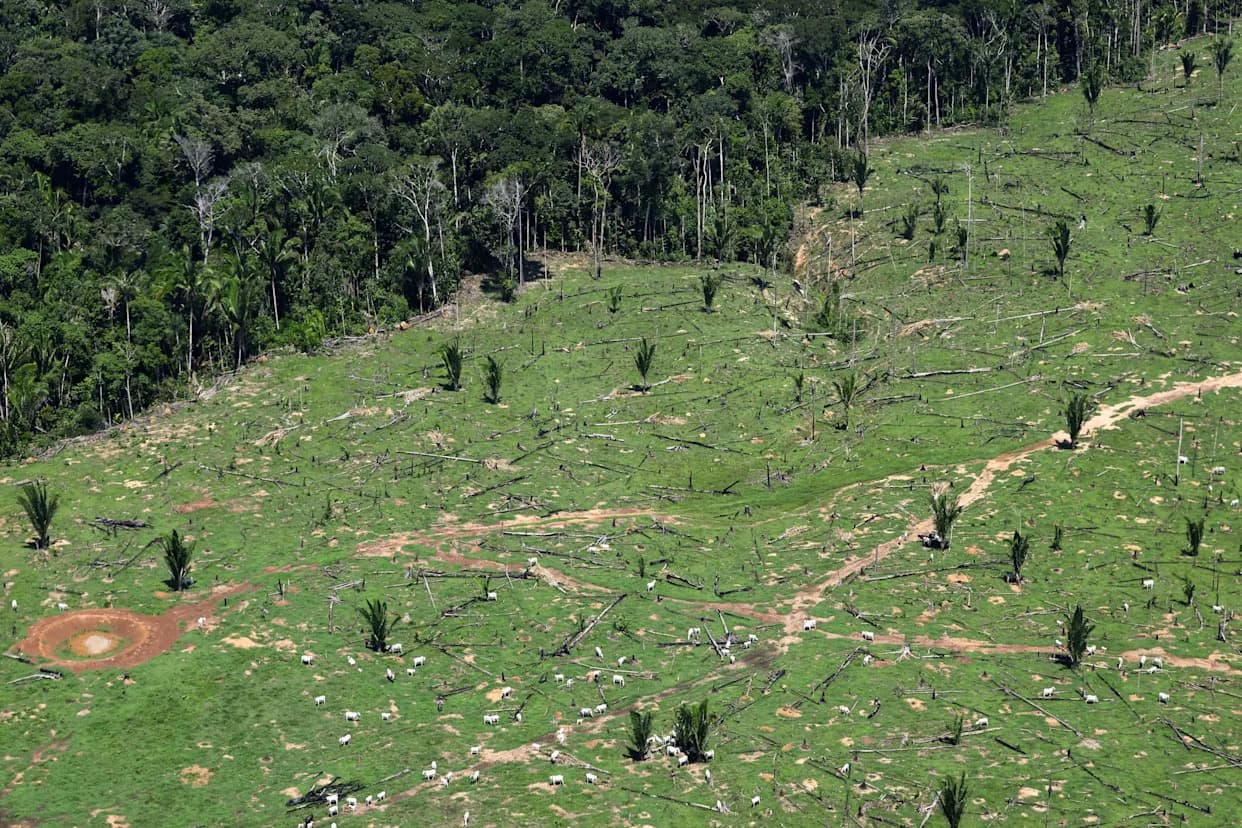
The Federal Public Prosecutor's Office (MPF), which has taken legal action against the dredging, warned of "serious environmental risks," including the potential release of heavy metals such as mercury and destruction of critical habitats for threatened river dolphins, turtles and aquatic birds.
After talks with government representatives — which protesters criticized for sending only mid-level officials — demonstrators blocked the road to Santarém International Airport as they pressed for the decree's revocation rather than consultation.
Why It Matters
The dispute underscores a broader conflict in Brazil between expanding agricultural export infrastructure and commitments to protect Indigenous rights and Amazon ecosystems. As Brazil remains the world's largest exporter of soybeans and corn, plans to move more cargo through northern river ports could accelerate environmental change and intensify social tensions.
Help us improve.