A JAMA analysis from University of Washington researchers projects that, if current trends hold, about 47% of U.S. adults could have obesity by 2035. The study used NHANES BMI measurements and national self-reported weight data to model 2022 baselines and state- and race-specific projections. Non-Hispanic Black and Hispanic women show the highest recent rates, and prevalence is concentrated in the Midwest and South. No state is projected to see overall declines, though some high-prevalence areas may be plateauing.
Nearly Half Of U.S. Adults Could Have Obesity By 2035, Study Warns

A new analysis published in JAMA by researchers at the University of Washington projects that, if current trends continue, roughly 47% of U.S. adults could be living with obesity by 2035. The team used measured body mass index (BMI) data from the National Health and Nutrition Examination Survey (NHANES) together with national self-reported weight data for adults aged 20 and older to model baseline (2022) rates and future trajectories.
Key Findings
Obesity prevalence in the United States rose from about 20% in 1990 to nearly 43% in 2022. Under the study's current-trend scenario, nearly half of adults — about 47% — would have obesity by 2035. The investigators found increases across all age groups and most racial and ethnic groups, with significant geographic disparities between states and regions.
Racial, Ethnic and State Disparities
In 2022, non-Hispanic Black women had the highest age-standardized obesity rate (about 57%), followed by Hispanic women (around 49%). Hispanic men, non-Hispanic White men and women, and non-Hispanic Black men clustered in similar ranges (approximately 40%–43%).
Geographically, the Midwest and the South showed especially high prevalence. Examples from the study include:
- Hispanic women: highest 2022 rate in Oklahoma (~54%); projected highest 2035 rate for Hispanic women in South Dakota (nearly 60%).
- Hispanic men: highest 2022 rate in Indiana (~47%); Indiana projected to have ~54% by 2035.
- Non-Hispanic White adults: West Virginia recorded the highest 2022 rates for white men (~47%) and women (~49%), while the District of Columbia had the lowest (~24% men; ~26% women).
- Non-Hispanic Black women: obesity exceeded 50% in nearly every state in 2022 (Hawaii a notable exception); Black men had lower rates than Black women across states.
Trends, Plateaus And Projections
The authors reported that no state was projected to see declines in obesity between 2022 and 2035; many states were projected to show modest increases. In some places with historically high prevalence — for example, Mississippi — the model suggests prevalence may be plateauing, with only small projected changes (the study estimated about a 1.8 percentage-point rise among Black women in Mississippi by 2035).
Context: Policy And Treatment Landscape
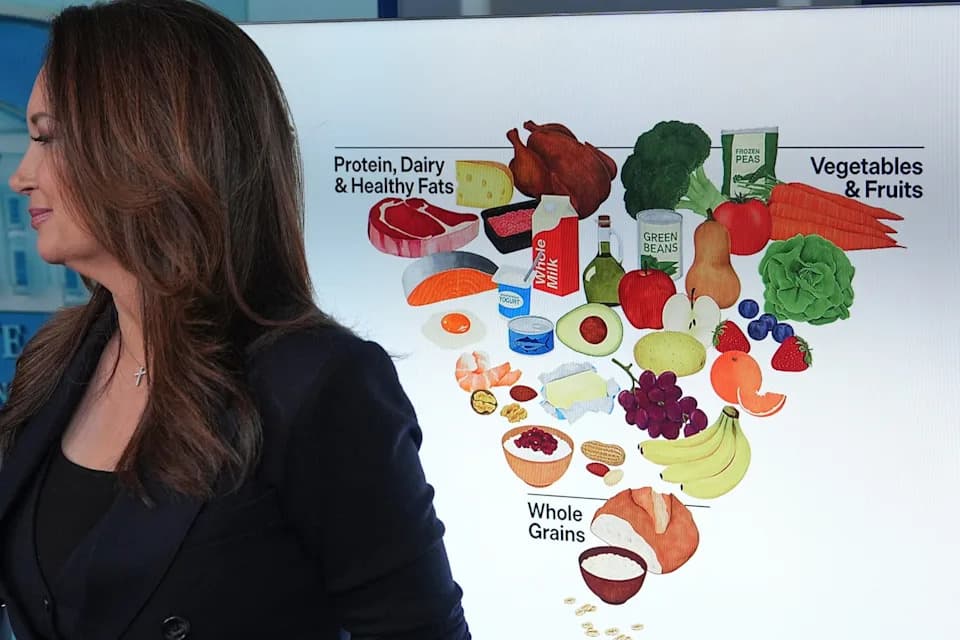
The study's findings arrive as demand for prescription weight-loss medications has surged, and as federal agencies have updated public nutrition guidance. HHS and the U.S. Department of Agriculture recently revised the federal dietary pyramid to place greater emphasis on animal protein, dairy and fats while continuing to discourage heavy consumption of processed foods linked to weight gain. HHS has also signaled a shift away from an explicit 'health equity' framing toward prioritizing the health of all Americans as the primary goal.
At the same time, some states are reconsidering or retreating from coverage for newly popular anti-obesity drugs, creating disparities in access to medical treatments that could affect future trends.
Study limitations: Projections are based on current trends and available survey data, including self-reported weights that can introduce bias; actual future prevalence could differ if behavior, policies, access to treatments, or other drivers change.
Reporting: This summary is based on the JAMA analysis by University of Washington researchers. Stateline reporter Nada Hassanein contributed reporting; she can be reached at nhassanein@stateline.org.
Help us improve.