MAHA — Make America Healthy Again — has shifted from advocacy into policy action at the state level. In 2025, dozens of dye-restriction bills and other MAHA-aligned measures advanced across many states, driven largely by Republican support but with some bipartisan backing. The $50 billion Rural Health Transformation Program and state incentives are helping accelerate changes, including dye bans, SNAP restrictions and efforts to curb ultra-processed foods. Expect continued legislative fights in 2026 over nutrition rules, vaccines and chemical regulation.
How RFK Jr.'s 'Make America Healthy Again' Push Is Shaping State Health Policy — What to Expect in 2026
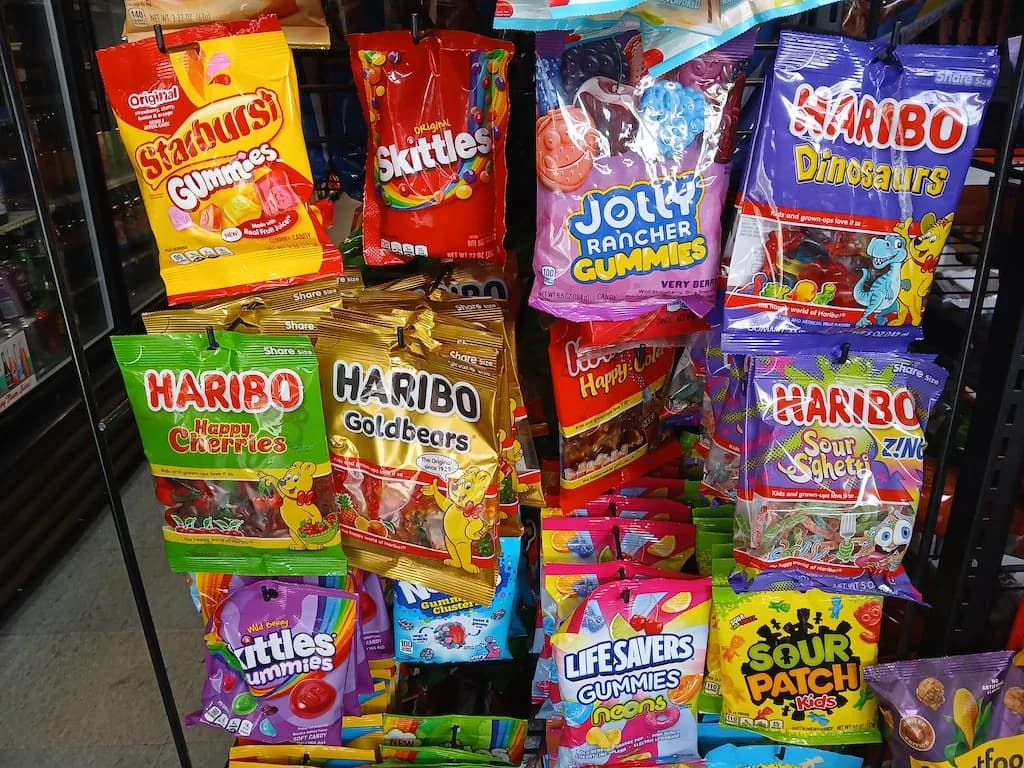
Many candies contain Red No. 40, Yellow No. 5 and Yellow No. 6. They are among the food dyes banned in West Virginia.
Many popular candies and processed foods still use synthetic color additives such as Red No. 40, Yellow No. 5 and Yellow No. 6 — ingredients that became the focus of a new West Virginia law enacted in March banning several color additives from food sold in the state. That ban is one visible example of how the "Make America Healthy Again" (MAHA) movement has influenced lawmakers at the state level.
West Virginia state legislator Adam Burkhammer says a family experience — removing synthetic dyes from a foster child's diet and seeing behavioral improvement — prompted him to sponsor legislation that outlaws seven specific dyes in foods sold statewide. The bill took effect in March, making West Virginia the first state to ban those additives across all retail food products.
Where the Movement Has Gained Traction
Efforts to regulate food dyes spread widely in 2025: roughly 75 bills addressing synthetic dyes were introduced across 37 states, according to the National Conference of State Legislatures. In addition to West Virginia, six other states passed laws or issued executive orders restricting or labeling foods with certain dyes; California has had a regulatory law on dyes since 2023. In early 2025 the Food and Drug Administration also barred the use of Red No. 3.
Major food manufacturers, including Nestle, Hershey and PepsiCo, have pledged to remove or reduce artificial color additives from many products over the next year or two. Industry groups have urged members to voluntarily eliminate federally certified artificial dyes by the end of 2027, and some companies say state-level rules are accelerating those commitments.
MAHA Beyond Dyes: A Broader Policy Agenda
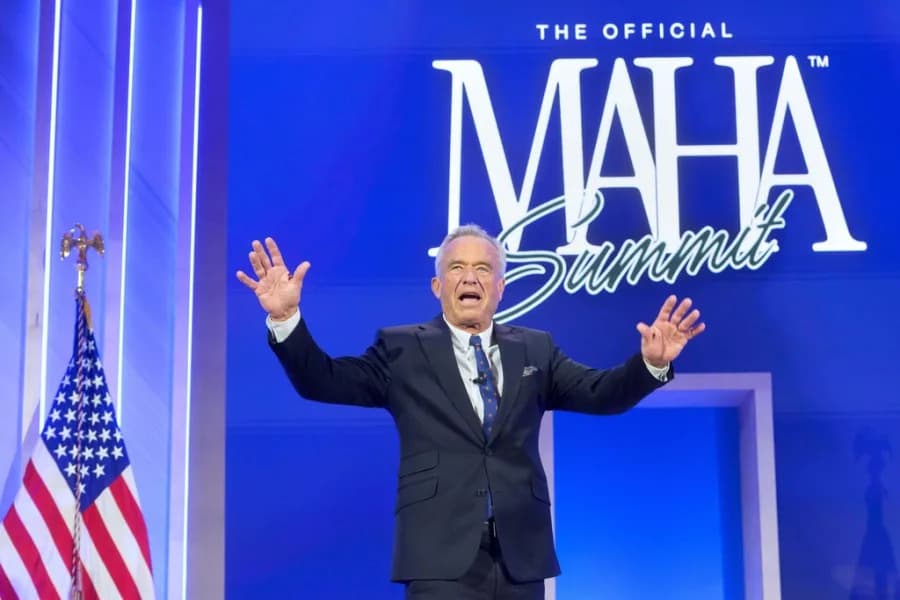
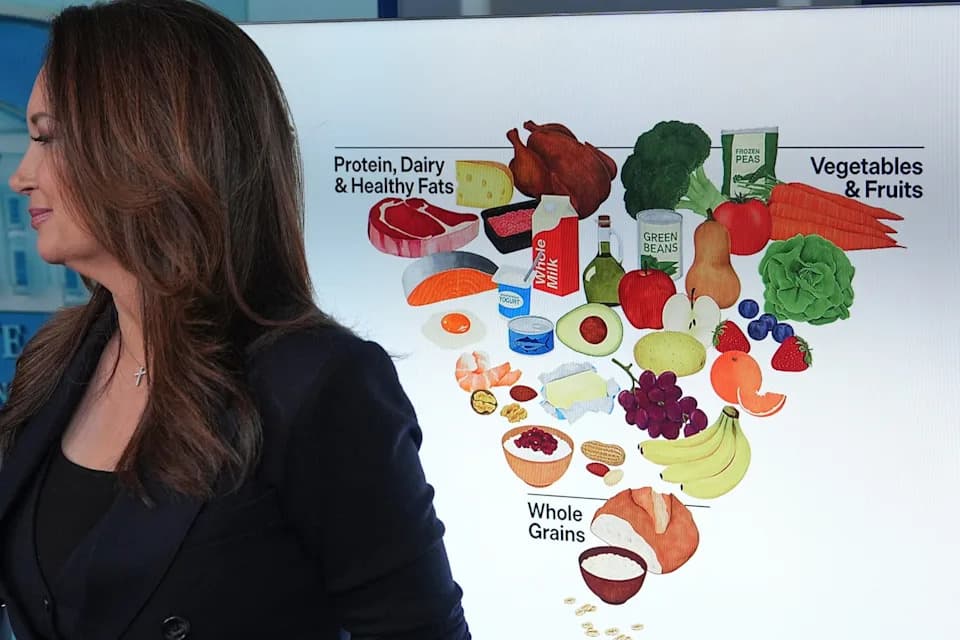
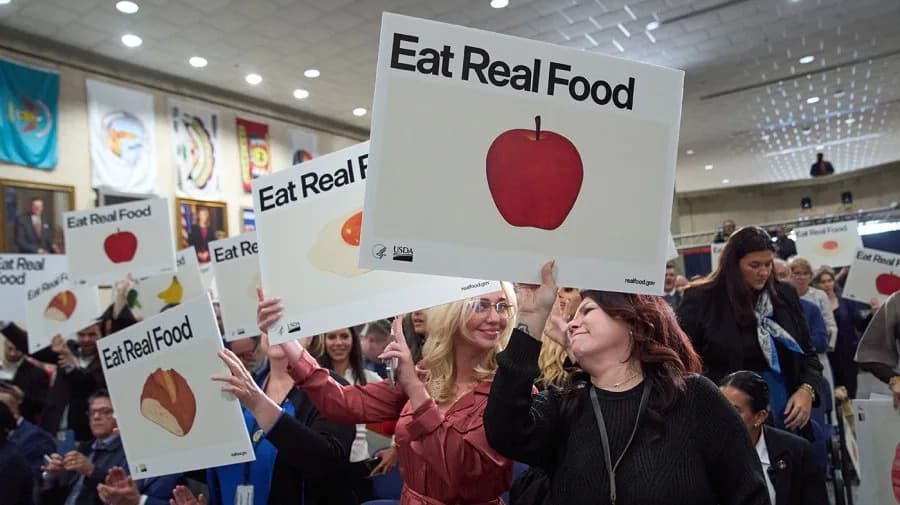
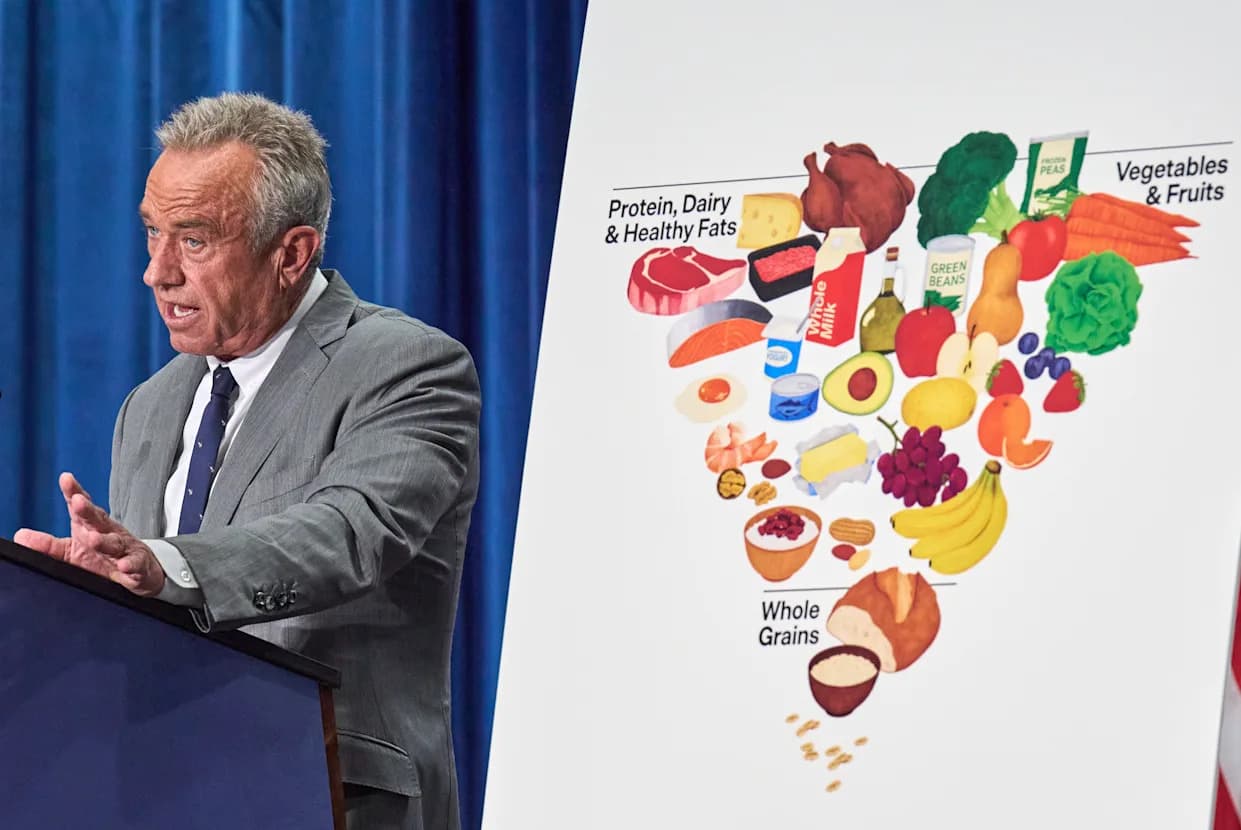
Concerns about synthetic dyes and nutrition are part of a broader MAHA-aligned agenda promoted publicly by Robert F. Kennedy Jr. State lawmakers — led largely by Republicans but with some Democratic support in places — have introduced measures ranging from limits on what Supplemental Nutrition Assistance Program (SNAP) benefits may buy, to tighter definitions and restrictions on ultra-processed foods, to efforts that could reduce vaccine mandates or change public-health standards.
The $50 billion Rural Health Transformation Program, created under last year's federal legislation intended to expand rural health access, offers incentives for states that adopt policies aligned with MAHA priorities. That program can award points to states that change SNAP rules or implement other MAHA-style measures, giving state officials a financial incentive to pursue these reforms.
Nutrition, Regulation and Legal Battles
In October, California signed a law that creates a legal definition for ultra-processed foods and phases many such items out of schools — a template likely to be copied and litigated in other states. San Francisco's city attorney has filed suit against major food makers, accusing them of marketing "harmful and addictive" branded products and linking them to chronic health problems.
"The state laws are really what’s motivating companies to get rid of dyes," said Jensen Jose, regulatory counsel for the Center for Science in the Public Interest.
Other Policy Flash Points
State-level action is not confined to food. Legislators have proposed bills affecting vaccine requirements, fluoride in water, and restrictions or remediation of PFAS "forever chemicals." Some conservative state lawmakers have promoted measures expanding access to raw milk or reducing vaccine mandates for public employees, while Democratic-led states have formed alliances to uphold or strengthen public-health standards. Meanwhile, critics of recent federal regulatory rollbacks have mobilized, and cases or petitions related to EPA and other agency actions are circulating among activists.
With Congress largely inactive on many MAHA proposals, state legislatures are positioned to remain the primary battleground for these debates through 2026.
"If we’re honest, the American people have lost faith in some of our federal institutions," said Burkhammer. "We’re going to step up as states and do the right thing."
About this reporting: This article synthesizes state and federal developments around MAHA-related policies, including legislation, regulatory actions and industry responses through late 2025. KFF Health News is an independent newsroom producing in-depth reporting on health policy.
Help us improve.