The Interior Department proposes a Wildland Fire Service to centralize federal firefighting across 693 million acres and reduce duplication. Congress declined to fund the $6.55 billion plan, so Interior is limited to internal reorganization for now. Experts welcome reduced bureaucracy but warn the effort could overemphasize suppression at the expense of fuel treatments, building standards and local coordination — all critical as climate change and urban‑wildland development drive larger, faster fires.
Why the Interior Department’s New Wildland Fire Service Is Off To A Rocky Start
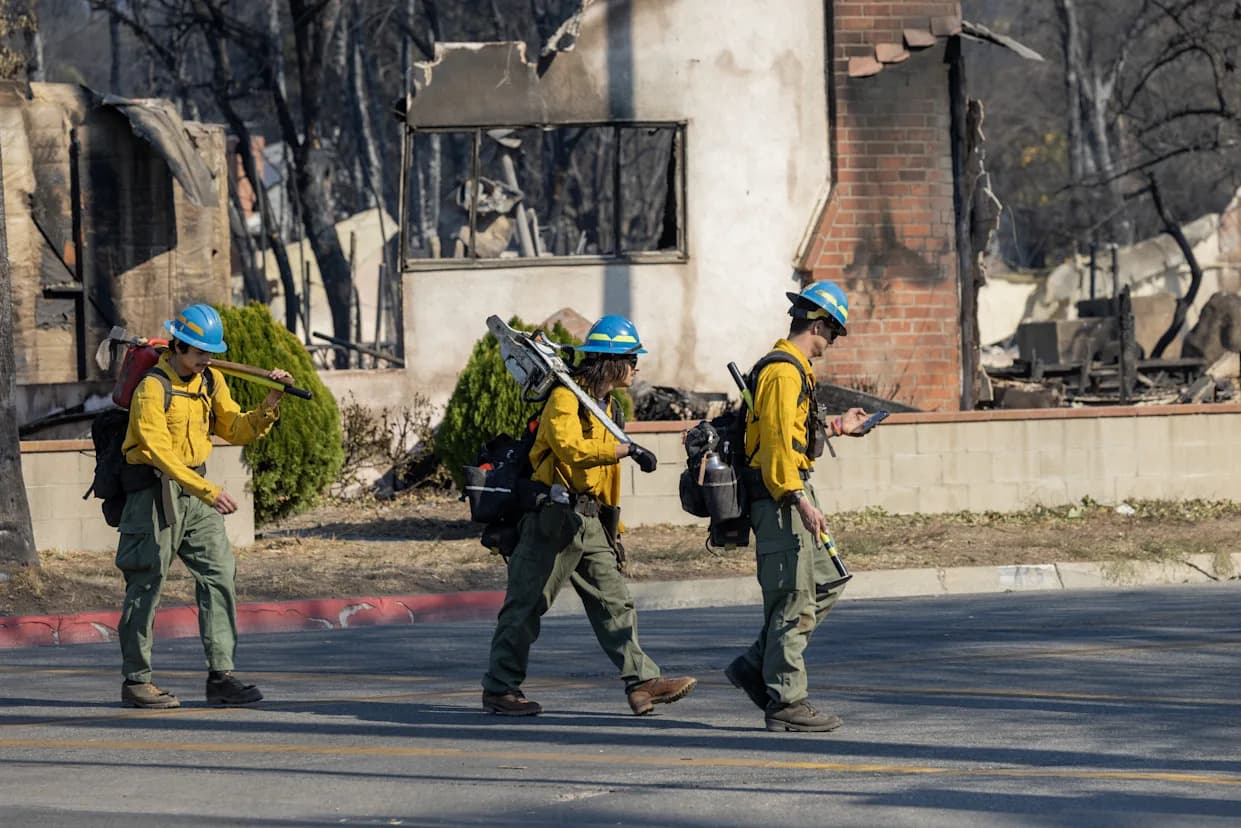
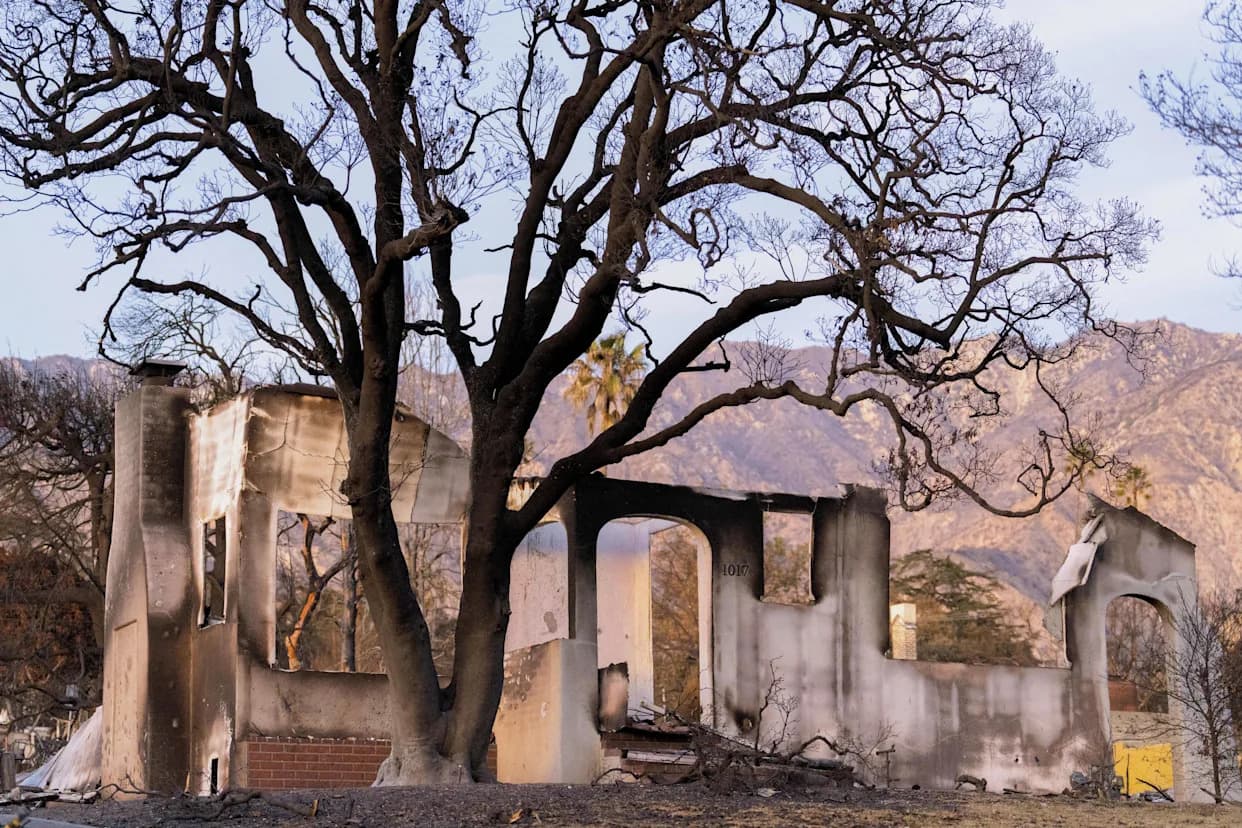
Wildland firefighters in a hotshot crew from near Klamath, Oregon, search the ruins of houses in a neighborhood where many homes were destroyed by the Eaton Fire in Altadena, California. | David McNew/Getty Images
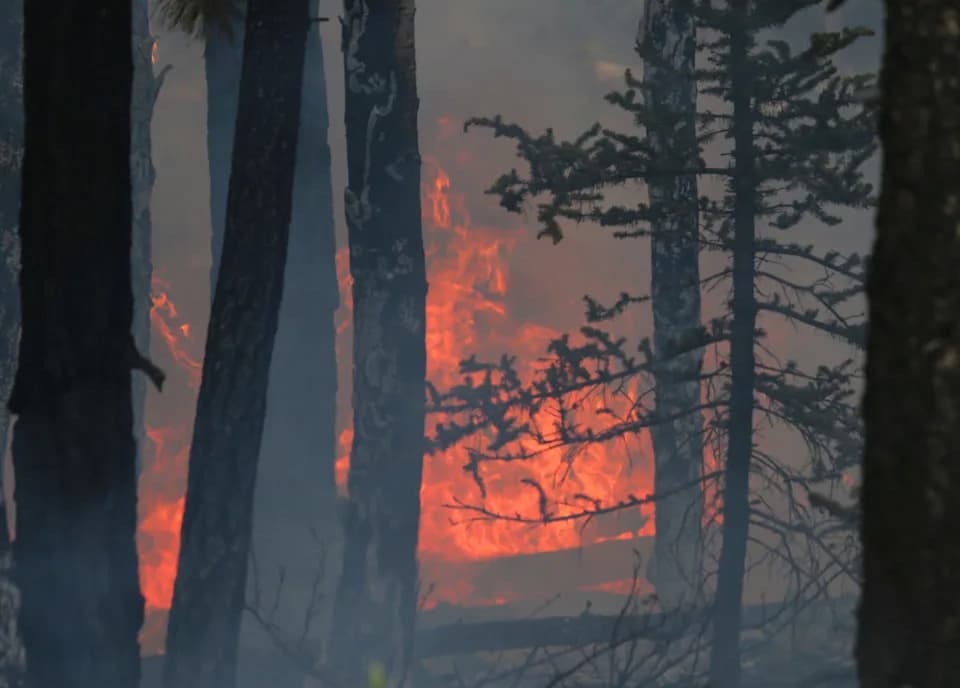
Wildfires in recent years have destroyed thousands of buildings, killed dozens and blanketed millions with hazardous smoke. Large blazes — including the Los Angeles fires in 2025 — have exposed persistent bureaucratic snags: who leads the response, who pays for cleanup, and which level of government is responsible for prevention. The Department of the Interior’s proposal to create a centralized Wildland Fire Service aims to address those gaps, but the effort is encountering major obstacles.
What the Interior Is Proposing
The Interior Department announced plans to create a Wildland Fire Service to consolidate fire-related work across roughly 693 million acres of federal land. Officials say a single agency would reduce duplication, speed response and cut costs by bringing together offices now spread across the Department of the Interior, such as the Office of Wildland Fire, the National Park Service and the Bureau of Land Management.
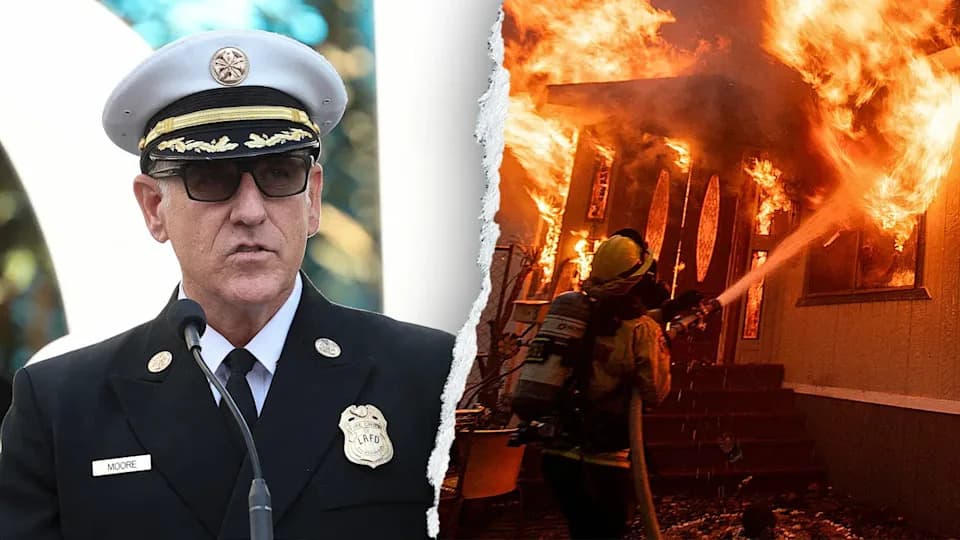
Interior requested $6.55 billion to stand up the new service, and named long‑time Southern California fire chief Brian Fennessy to lead the initiative. But Congress did not include that funding or authorize the cross‑agency changes in the January spending bill, leaving Interior limited to internal reorganization for the time being. An Interior spokesperson emphasized: "No new funding is being obligated, and no structural changes requiring congressional authorization are being implemented at this stage."
Why Experts Are Wary
Many fire managers and researchers support reducing bureaucratic friction, but they warn a new agency risks prioritizing suppression over mitigation — the slow, expensive work of reducing fuels and changing land use that reduces long‑term wildfire risk. "The U.S. fire management system itself is strained close to the breaking point," said David Calkin, a wildfire consultant and former U.S. Forest Service scientist.
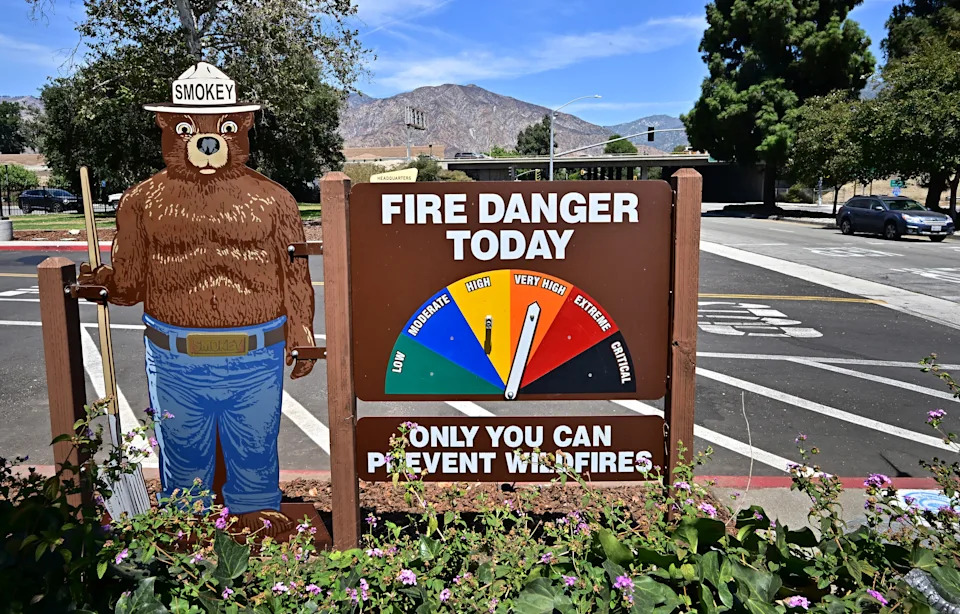
A “Very High” fire danger warning is posted at Angeles National Forest Headquarters in Arcadia, California.| Frederic J. Brown/AFP via Getty Images
Suppression Versus Mitigation
Federal suppression capacity is concentrated in the U.S. Forest Service, which supplies roughly 70–75% of federal firefighting resources. Yet only about 20% of wildfires start on federal land; most ignitions happen on private or state land and are initially fought by local and state agencies. At the same time, the Government Accountability Office estimated in 2019 that roughly 100 million acres of federal land need fuel treatments, while only 1–3 million acres are treated annually.
Operational and Political Risks
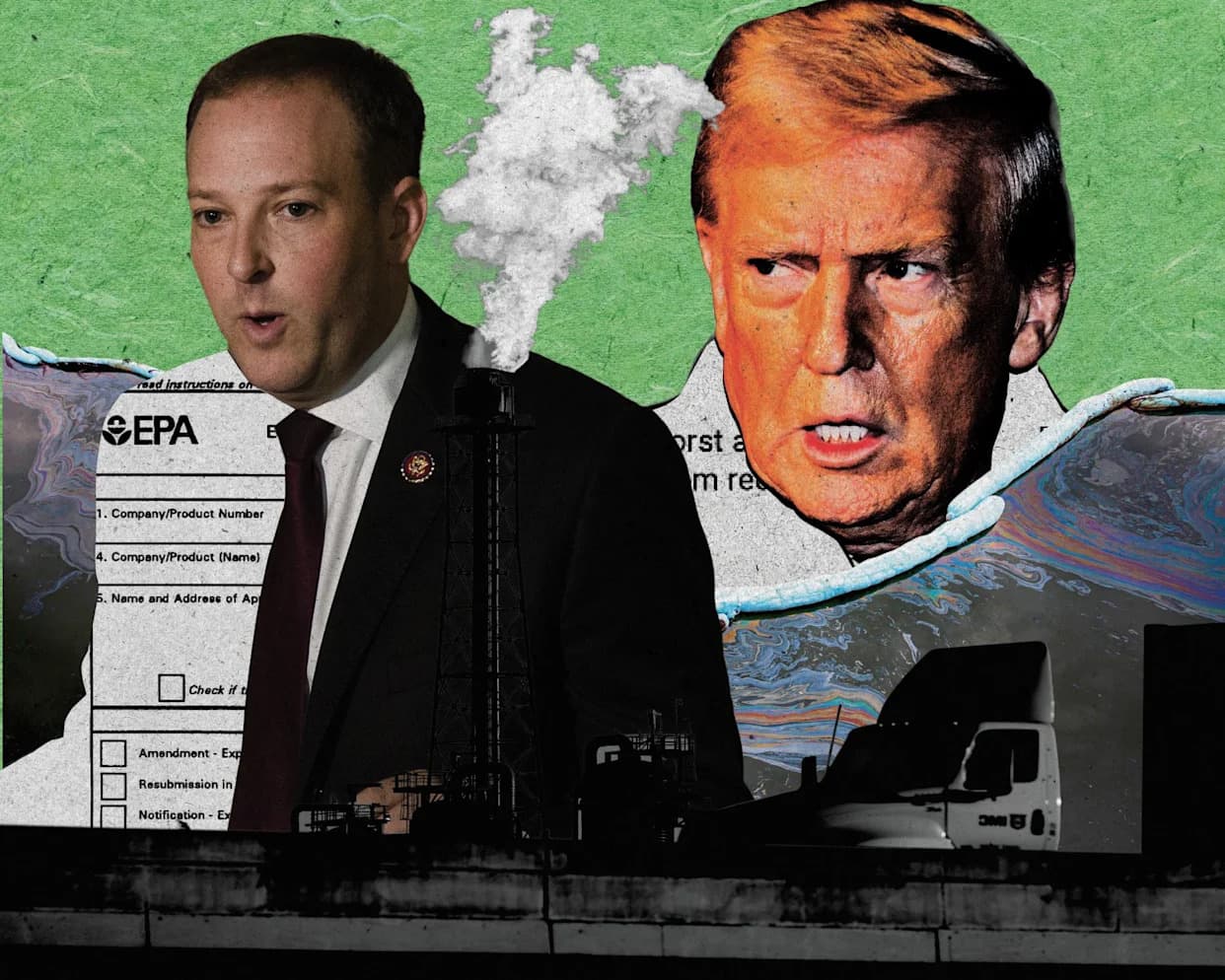
Rapid organizational change can create short‑term dysfunction that increases risk to firefighters. "If you rush this and the system is more dysfunctional... you’re exposing firefighters to greater hazards," said Christopher Dunn, a former wildland firefighter and Oregon State University researcher. There are also political risks: after the 2025 Los Angeles fires, President Trump threatened to withhold federal disaster aid to California, underscoring concerns that a federal firefighting agency could be used as a political lever during a crisis.
New Challenges: Urban Conflagrations and a Warming Climate
Wildfires today are faster, hotter and more complex than decades ago. Some of the deadliest blazes start in communities where homes themselves serve as fuel, producing hybrid urban‑wildland fires that require integrated tactics and closer coordination between municipal and wildland crews. Climate change and expanded development in fire‑prone areas only magnify these trends.
What Needs To Happen
Experts say an effective reform must pair any consolidation with sustained investment in on‑the‑ground mitigation, stronger local partnerships, updated building standards, and protections to insulate operational decisions from short‑term politics. Properly done, a Wildland Fire Service could improve training, logistics and cross‑jurisdictional planning; done poorly, it could entrench suppression as the default strategy and crowd out the long‑term work needed to reduce fire risk.
Bottom line: Streamlining federal firefighting may reduce bureaucracy, but meaningful progress against escalating wildfire risk will require sustained mitigation, local coordination and political safeguards — not just a new agency name.
Help us improve.