President Trump renewed unproven claims that the 2020 election was "rigged," saying "people will soon be prosecuted," statements that lack public evidence or verified prosecutions. Repeated at a White House event and later at Davos, the remarks follow a string of actions—social media posts about Dominion, regret over not seizing voting machines, a DOJ records lawsuit in Fulton County, and the appointment of an investigator—that together signal a sustained effort to relitigate the 2020 result. Multiple courts and election officials found no evidence of widespread fraud that would have changed the outcome, and the prosecutions Trump predicted have not materialized.
Trump Says “People Will Soon Be Prosecuted” While Repeating Baseless 2020 Election Claims
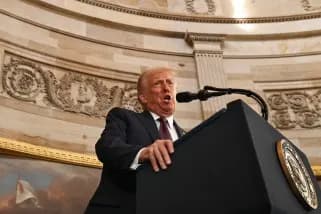
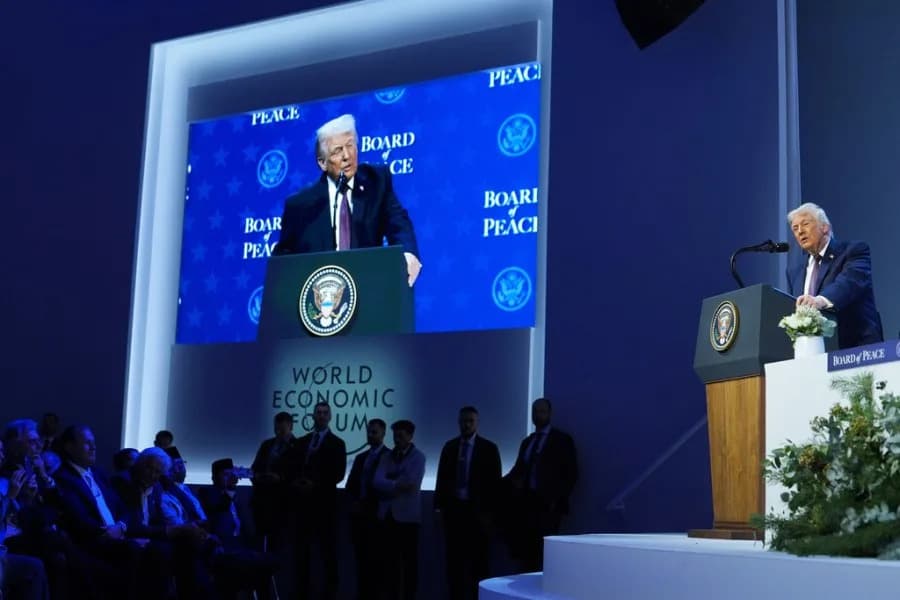
President Donald Trump used a White House press conference and remarks at the World Economic Forum in Davos to renew long-discredited claims that the 2020 election was "rigged," asserting that "people will soon be prosecuted." His statements—made on the anniversary of what he called his second inauguration and reiterated abroad—were delivered without public evidence and have not been substantiated by courts, audits, or election officials.
What He Said
During a wide-ranging press conference focused in part on border policy, Trump abruptly pivoted to the 2020 election:
"It was a rigged election. Everybody knows that now. And by the way, numbers are coming out that show it even more plainly. We caught them. We caught them."
Less than 24 hours later at Davos, after remarks on international affairs, he repeated the charge and added:
"It was a rigged election. Everybody now knows that, they found out. People will soon be prosecuted for what they did. It's probably breaking news."
Evidence And Context
There are no public "numbers" or confirmed prosecutions that corroborate Trump's assertions. Multiple courts, election officials and audits across states found no evidence of widespread fraud that would have changed the outcome of the 2020 race. The specific prosecutions Trump predicted have not been announced.
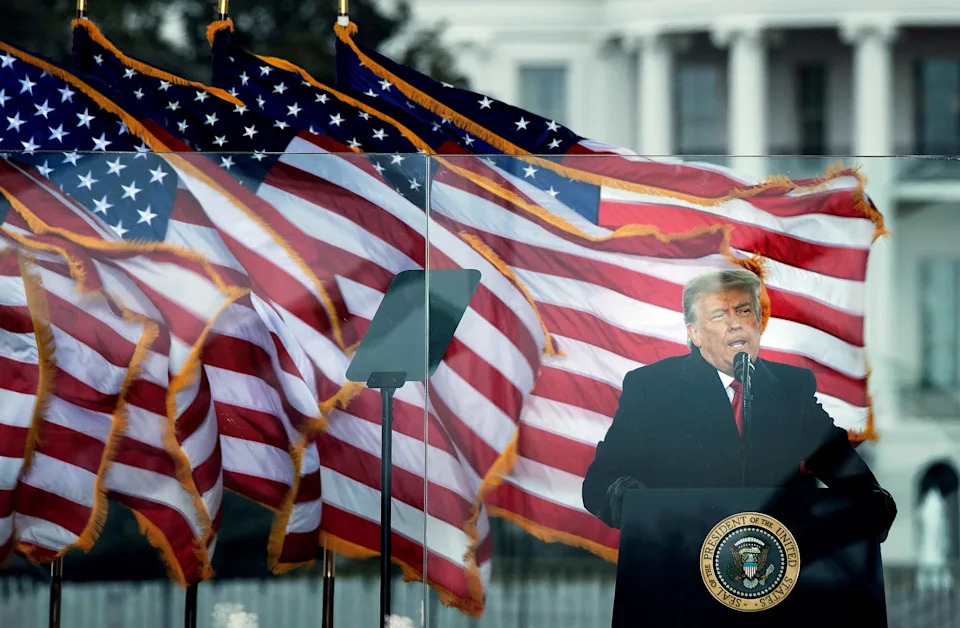
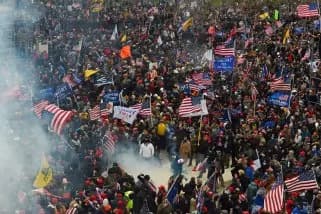
President Donald Trump speaks to supporters on Jan. 6, 2021 from The Ellipse near the White House.(Brendan Smialowski / AFP via Getty Images)
The remarks fit a pattern of behavior over recent months: Trump promoted conspiracy theories about Dominion voting machines on social media, expressed regret to The New York Times that he did not attempt to seize voting machines after losing, and told supporters he expected "truckloads" of proof that the election was stolen—claims that have not produced verifiable evidence.
Official Actions And Appointments
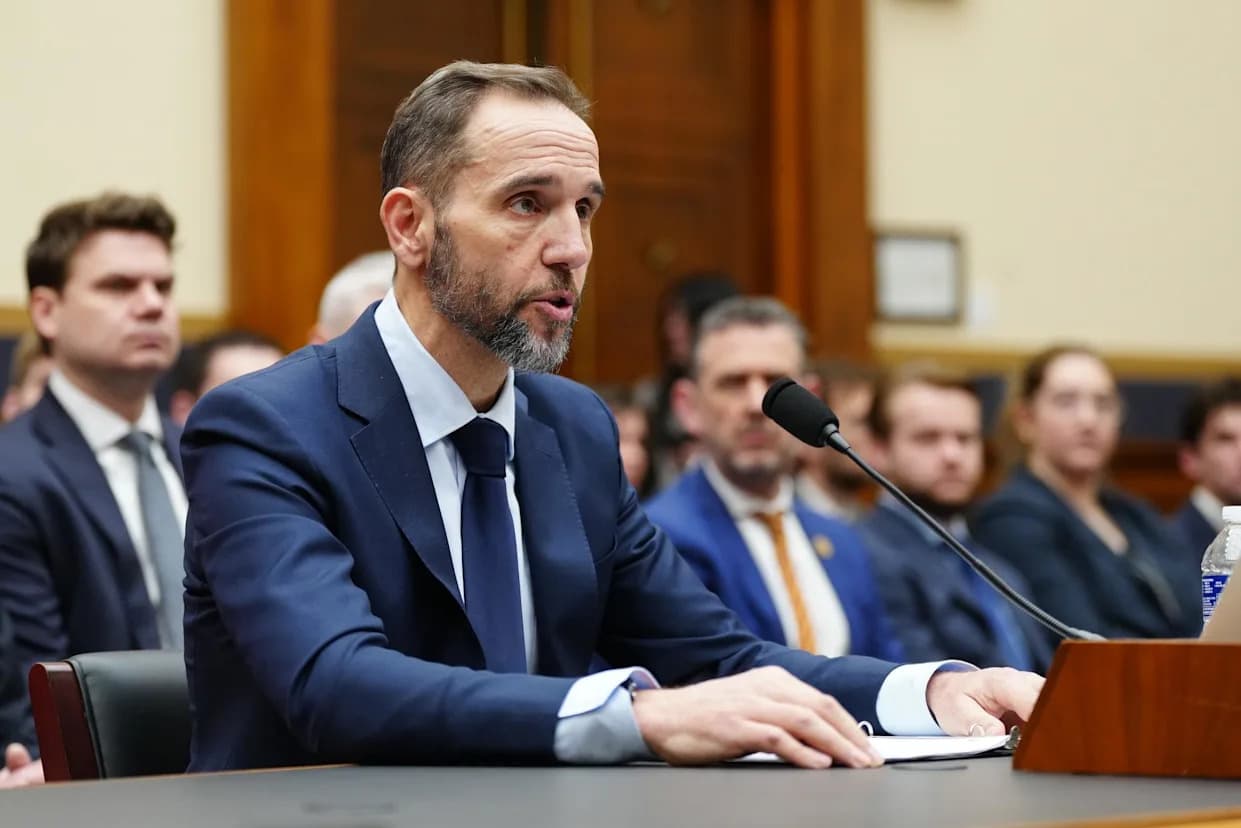
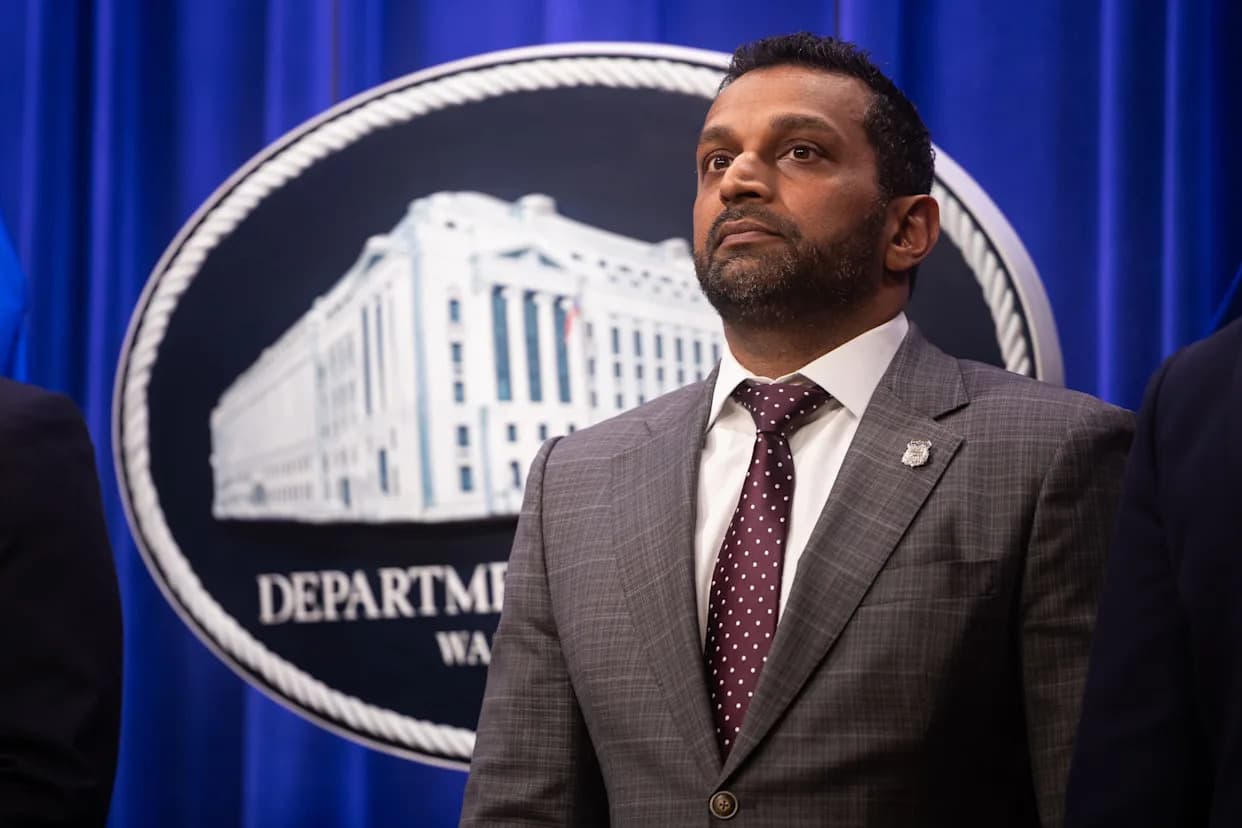
Administrations and officials connected to Trump have taken steps that reflect continued scrutiny of 2020 results: the Justice Department filed a lawsuit seeking records from Fulton County, Georgia; Kurt Olsen, a lawyer associated with election fraud claims, was hired as a special government employee to investigate the 2020 race; and, according to reporting, Trump has pressed the Justice Department to reexamine ballots and related materials.
Why It Matters
With early voting under way in parts of the United States and the 2024 presidential campaign underway, renewed assertions about 2020 carry political weight and risk sowing public confusion. Claims of imminent prosecutions raise questions about the independence of prosecutorial institutions and place pressure on officials who must balance political statements with legal standards and evidence.
This article updates earlier coverage on the topic.
Help us improve.