President Trump continues to promote false claims about the 2020 election, saying he “should have” seized voting machines and suggesting there should be no elections. His administration has surrounded itself with election deniers, rewrote the White House account of Jan. 6, and granted clemency to rioters while pressing for the release of Tina Peters, who is serving a nine-year sentence. Critics warn these actions, including threats to invoke the Insurrection Act and public praise for ICE agents, signal a two-tiered approach to the law and a sustained threat to democratic norms.
Why Trump’s ‘Big Lie’ Still Matters: How Election Denial Shapes His Presidency
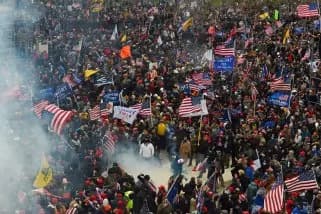
Why Trump’s ‘big lie’ still matters
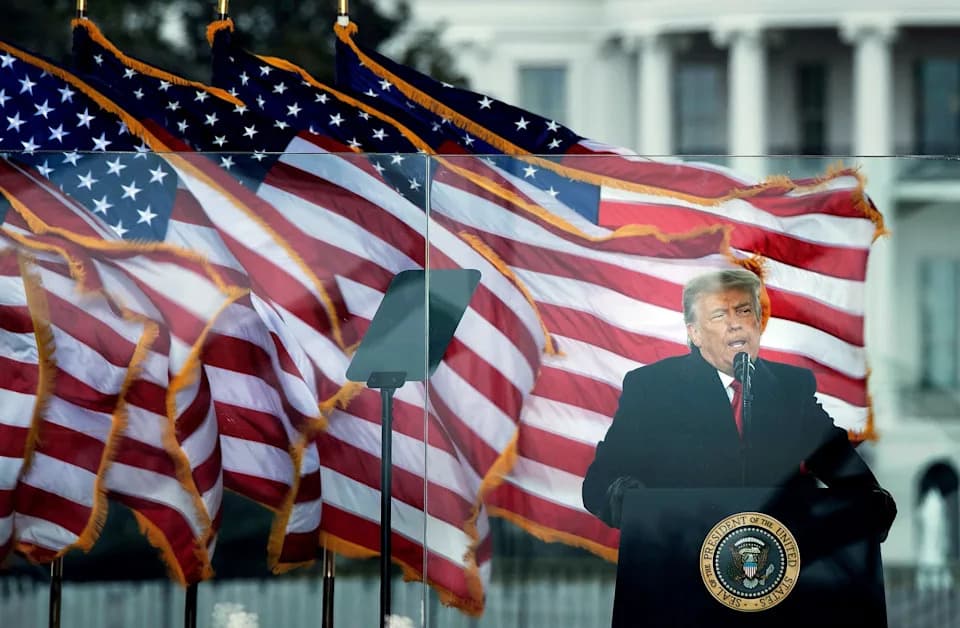
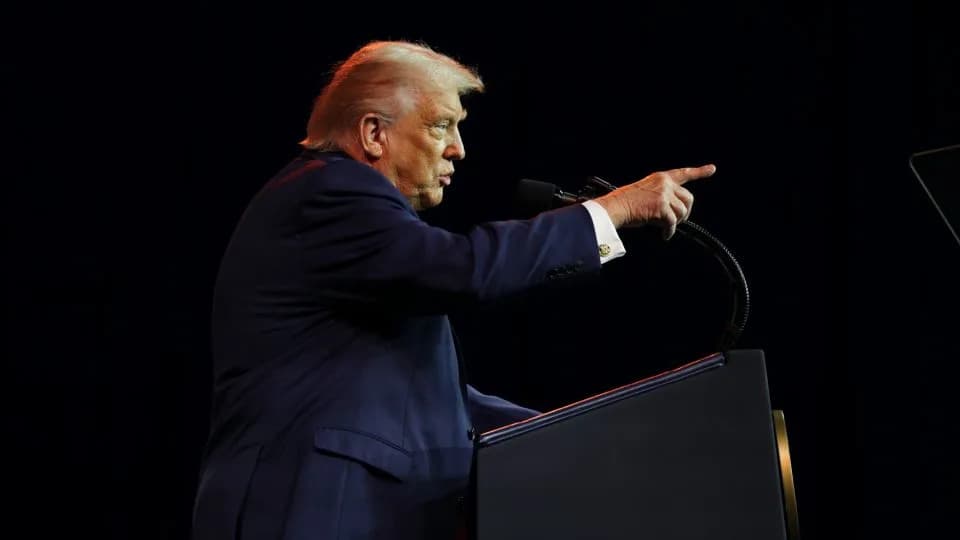
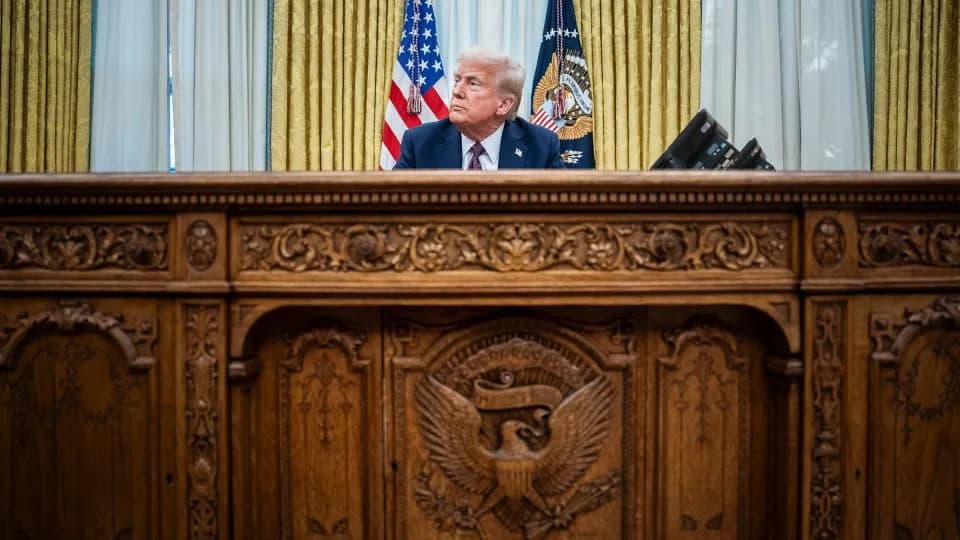
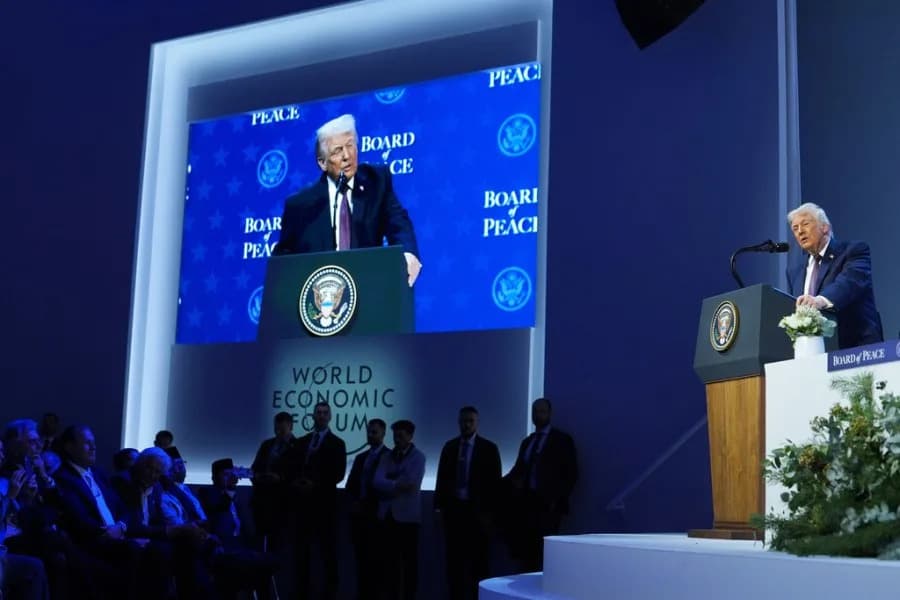
If President Donald Trump has any lingering regret about his campaign to overturn the 2020 election, it appears to be that he believes he did not press the effort far enough. In a recent interview with The New York Times, he repeated the claim that the 2020 vote was “rigged” and said he “should have” seized voting machines. He told Reuters he even questioned whether there should be elections at all: “When you think of it, we shouldn’t even have an election.”
Election Denial as a Governing Principle
Those remarks underscore a broader truth: the attempt to subvert the 2020 result was not merely a past wrongdoing for which Mr. Trump was criticized — it has become an organizing principle of his second administration. White House Press Secretary Karoline Leavitt dismissed his comments as a “joke,” but many observers warn the rhetoric reflects a sustained and institutionalized posture.
“The election denial that defined Trump in 2020 doesn’t just live on,” Joanna Lydgate, CEO of the nonpartisan States United Democracy Center, told the author. “It’s now embedded across a federal administration that also rejects the rule of law.”
Actions and Symbolism
Among the administration’s early and symbolic moves after Mr. Trump’s return to the White House in 2025 was a blanket clemency for those who participated in the Jan. 6, 2021, attack on the U.S. Capitol — individuals he has described as “J6 hostages.” On the fifth anniversary of the attack, the White House revised its official account of that day on the presidential website. At the same time, Mr. Trump has publicly pressed for the release of Tina Peters, a former Colorado county election official now serving a nine-year state prison sentence for orchestrating a breach of a voting system to bolster false fraud claims. Peters is currently the only person serving time for actions tied to the post-2020 effort to undermine the election.
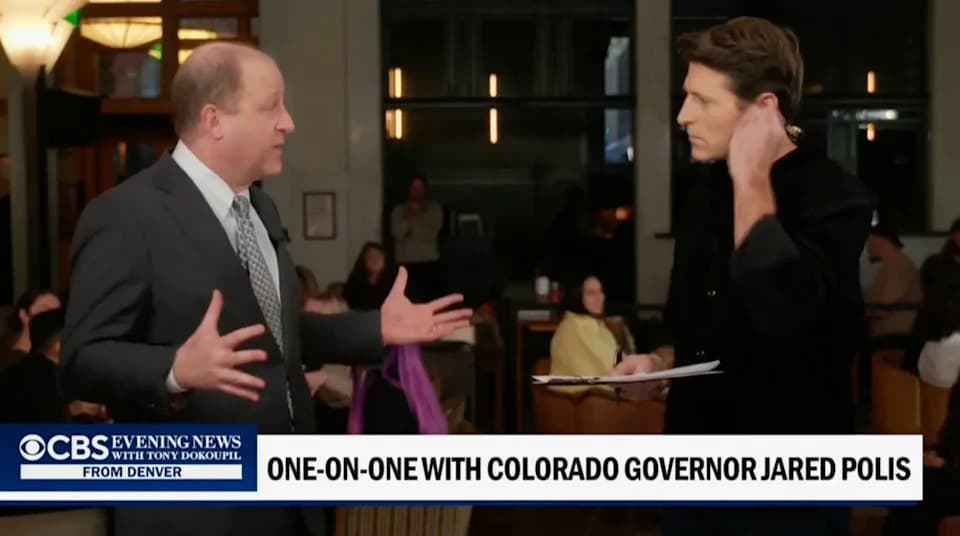
Colorado Secretary of State Jena Griswold warned that these moves send a chilling message to supporters: they will not face consequences for dangerous actions. “Trump is trying to do everything he can to continue to topple democracy from the seat of the presidency,” she said. “We have to recognize that this is an Orwellian president trying to disregard all facts, all law, all constitutional protections.”
Two Standards of Law?
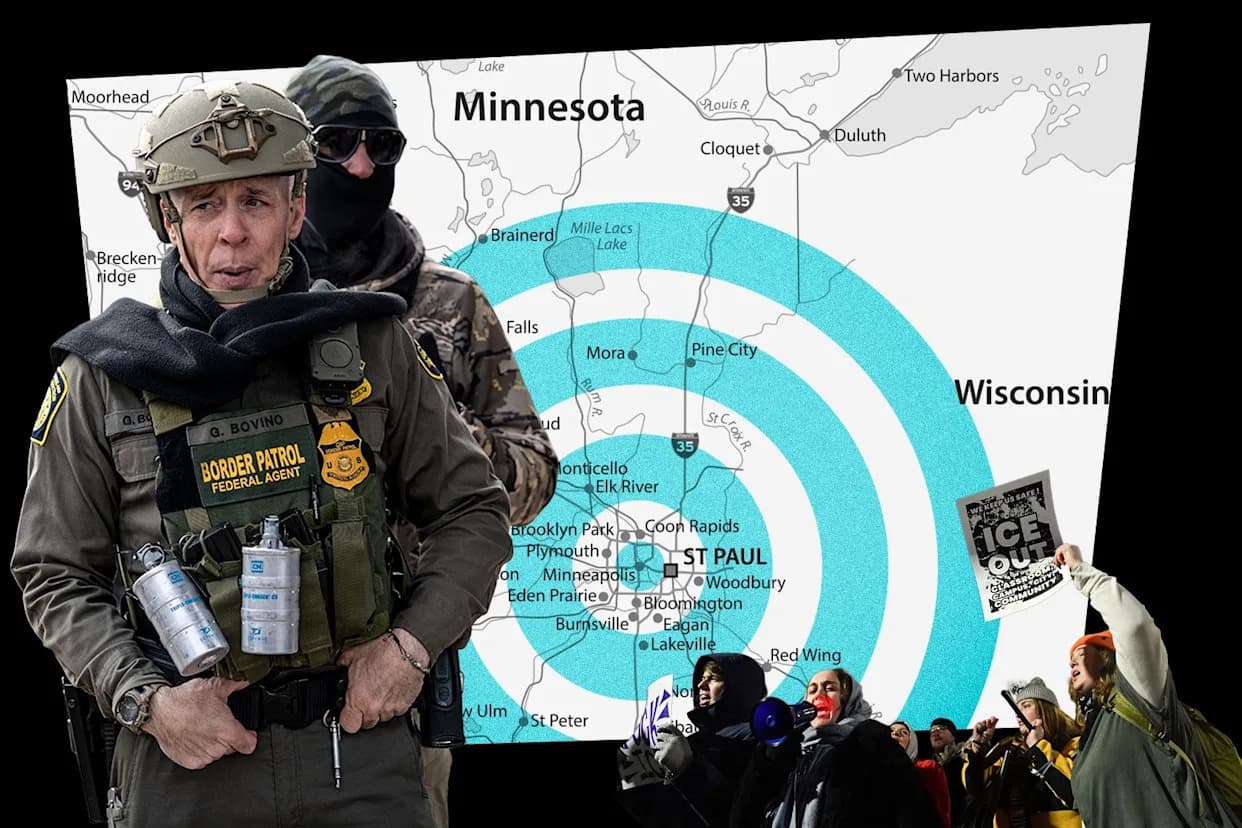
Critics argue the administration applies different standards depending on political allegiance. Vice President J.D. Vance publicly defended Immigration and Customs Enforcement (ICE) agents after the killing of Renee Good in Minneapolis, calling the deceased a “deranged leftist” and saying the administration stands behind ICE. Mr. Vance also framed critics of ICE as “radicals” who are assaulting and doxxing agents — comments the vice president said justify intensified enforcement.
By contrast, the White House’s revised description of Jan. 6 framed participants as having been “peacefully protesting a disputed election.” Mr. Trump has also threatened to invoke the Insurrection Act to suppress protests he describes as violent, writing on Truth Social that he would act if state officials did not stop “professional agitators and insurrectionists” said to be attacking “the Patriots of I.C.E.”
Political Stakes and the Road Ahead
Looking toward the midterm elections, the stakes are high. Democrats — diminished after the GOP’s 2024 governing sweep — are aiming to regain ground. Mr. Trump has warned he would be impeached if Democrats retake the House, and he appears to be pursuing structural advantages: aggressive gerrymandering, sustained attacks on mail-in ballots and voting machines, and public statements casting doubt on electoral processes.
Most strikingly, Mr. Trump told The New York Times that he is guided chiefly by “my own morality,” adding, “It’s the only thing that can stop me.” That claim, combined with public threats and institutional moves described above, convinces critics that election denialism will remain central to his presidency and that democratic norms may face ongoing pressure.
Bottom line: The rhetoric and actions tied to the 2020 “big lie” are not just echoes of the past — they are active elements shaping governance, legal posture, and political strategy in the present administration.
Help us improve.