The rare pre-dawn "blood moon" on March 3 will produce a total lunar eclipse visible across the Pacific and western North America. Totality lasts about 58 minutes within a full sequence of roughly 5 hours 39 minutes, and Time and Date estimates 176 million people could see all phases if skies are clear. Best U.S. viewing is west of the Mississippi, especially the U.S. Southwest and Hawaii; eastern observers may see the Moon set during totality.
Rare Pre-Dawn 'Blood Moon' on March 3 — Where and When to Watch in the U.S.
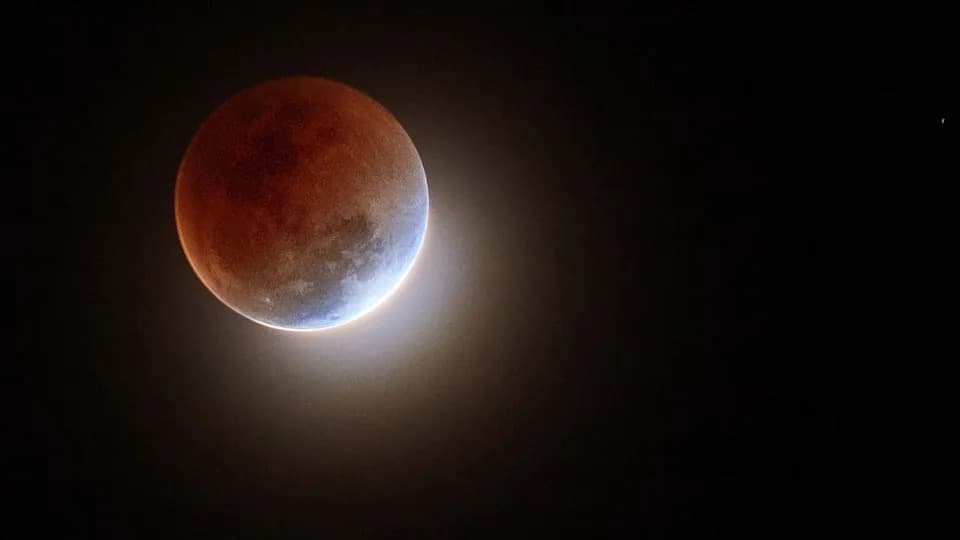
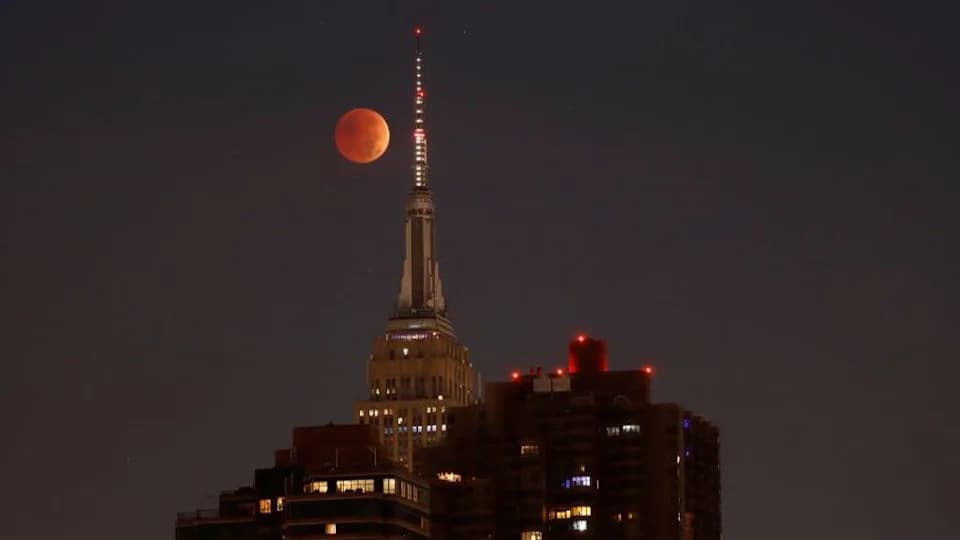
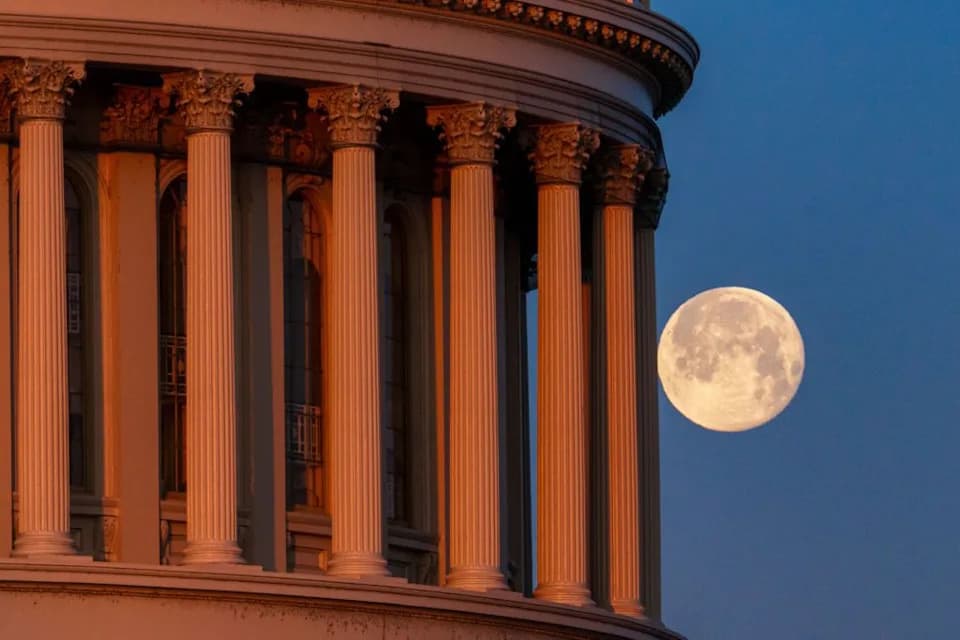
A "blood moon" total lunar eclipse will be visible from North America on March 3, 2026. | Credit: Mariano Sayno/Getty Images
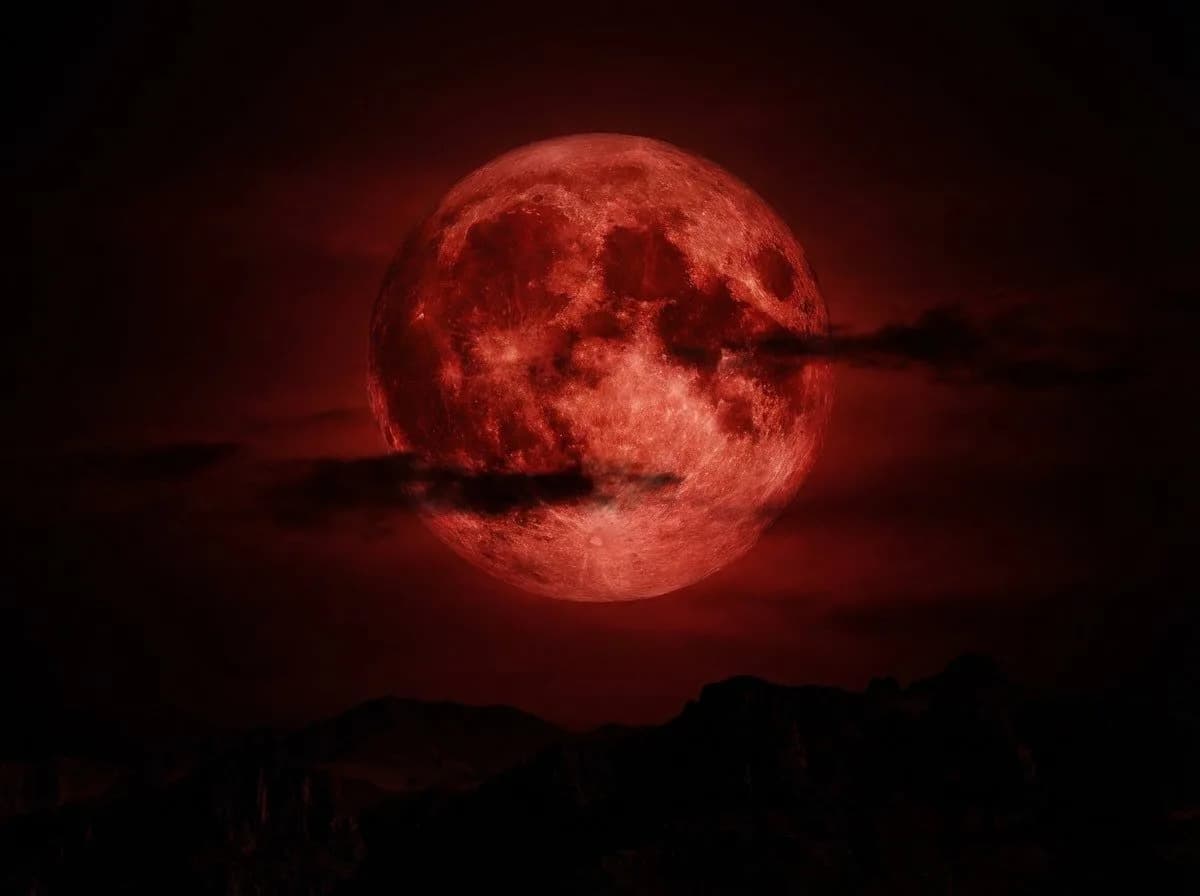
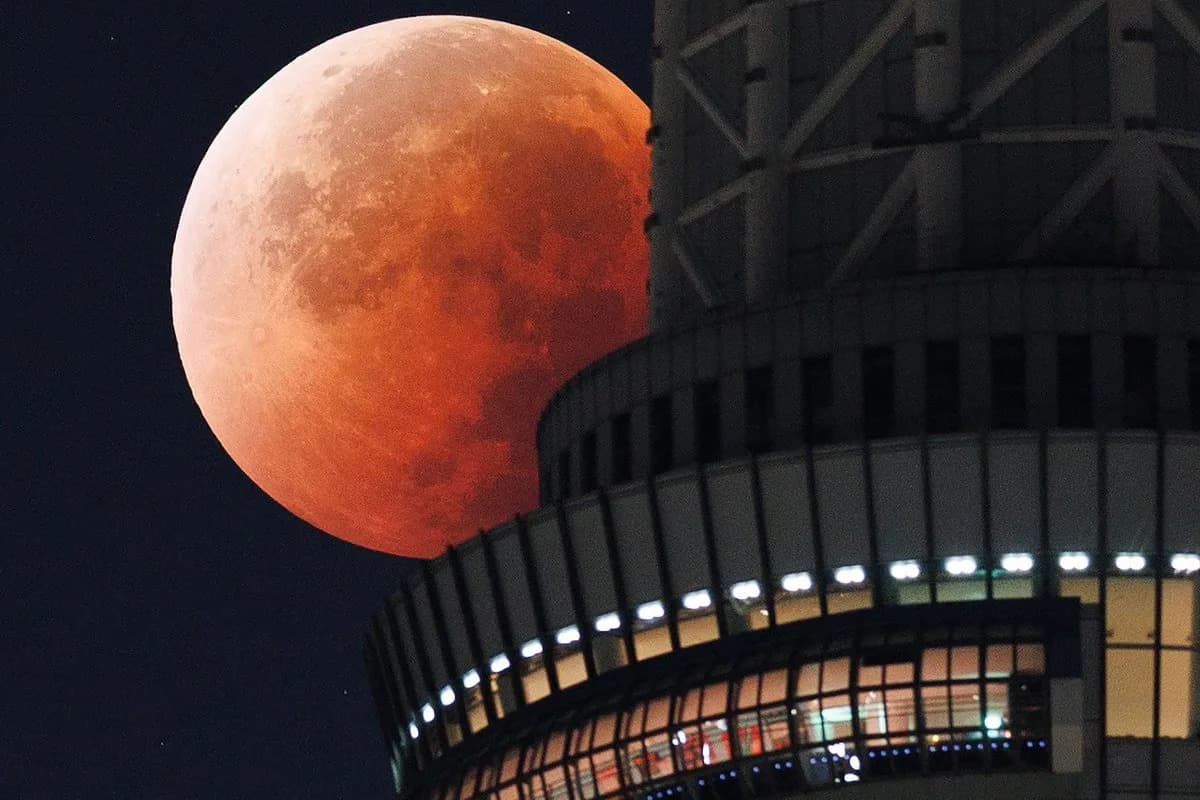
Skywatchers across western North America and the Pacific will have a chance to see a total lunar eclipse — commonly called a "blood moon" — in the early morning hours of March 3. During a total lunar eclipse the full Moon moves through Earth's shadow and, as direct sunlight is blocked, appears reddish because sunlight is refracted and filtered through our atmosphere.
What to Expect
Totality: The full eclipse (totality) will last about 58 minutes. The complete sequence — including the subtle penumbral and the partial umbral phases — spans roughly 5 hours and 39 minutes, according to Time and Date. That site estimates about 176 million people will be positioned to see all phases of the eclipse, weather permitting.
Where It Will Be Best Seen
At the time of the eclipse the night side of Earth will be centered over the Pacific Ocean, placing locations such as Hawaii, Kiribati, Samoa, Tonga and the Cook Islands in prime position. East Asia, Australia, New Zealand and western parts of North America will also enjoy favorable viewing.
In North America, observers west of the Mississippi River should be able to watch the whole sequence. Viewers farther east — including cities such as New York, Boston and Toronto — are likely to see the Moon setting during totality. Early risers on the U.S. West Coast and in Hawaii have the best chance to see the full progression high in the sky. Clear skies will be crucial; the U.S. Southwest and northwest Mexico often offer some of the most promising conditions.
When To Watch (Totality Times — Local U.S. Zones)
- EST: 6:04–7:02 a.m. (Moonset may occur during this time)
- CST: 5:04–6:02 a.m.
- MST: 4:04–5:02 a.m.
- PST: 3:04–4:02 a.m.
- AKST: 2:04–3:02 a.m.
- HST: 1:04–2:02 a.m.
Viewing Tips
- You don't need a telescope to enjoy a lunar eclipse — the event is easily visible to the naked eye and binoculars will enhance surface detail and color.
- Find a viewing location with a clear, unobstructed horizon and minimal light pollution.
- Check local moonset/moonrise times and cloud forecasts before heading out.
- Bring warm clothing, a reclining chair or blanket, and allow your eyes to adapt to the dark for the best experience.
The March 3 eclipse will be the first total lunar eclipse since September 2025 and the last until Dec. 31, 2028, when a New Year’s Eve "blood moon" will begin a run of three total lunar eclipses, followed by events on June 25–26 and Dec. 20, 2029.
Help us improve.