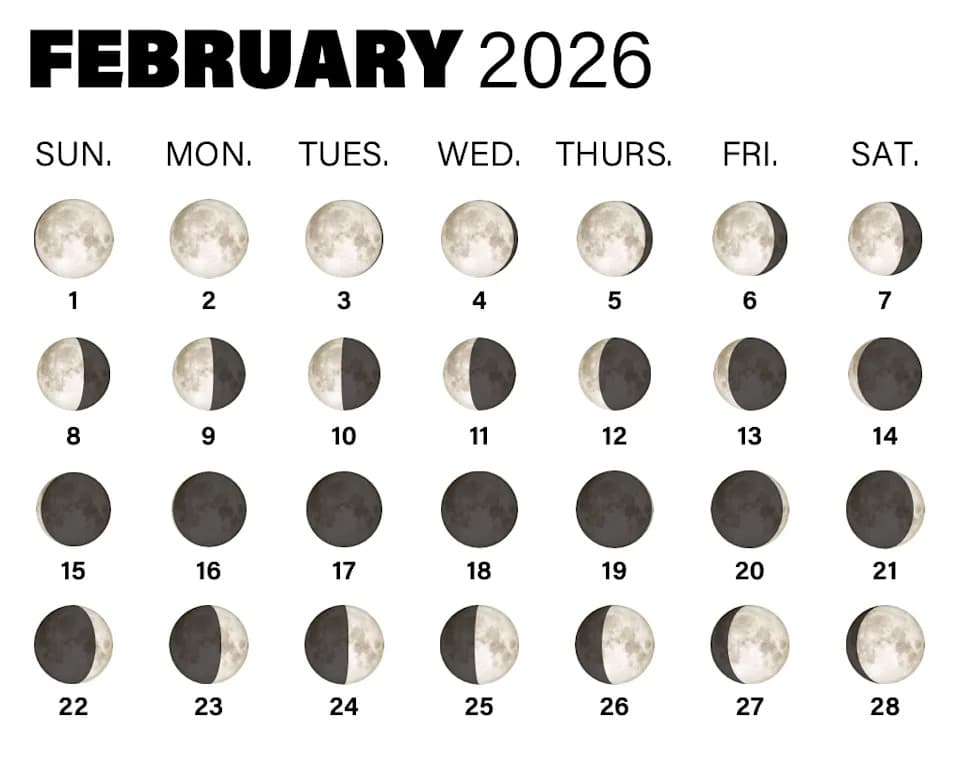
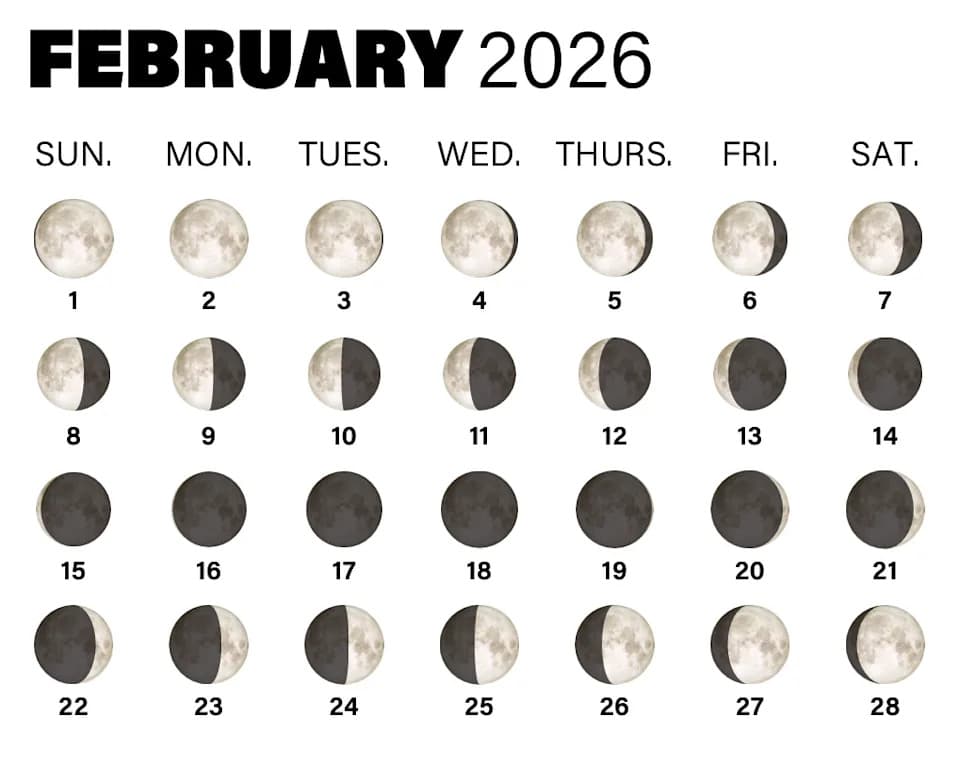
February’s full moon, the Snow Moon, peaks at 5:09 p.m. ET on Sunday and will appear full through the weekend. NASA scientist Noah Petro encourages the public to learn lunar features now as Artemis missions approach. Expect two supermoons later in 2026 and a total lunar eclipse on March 3 visible across Asia, Australia, the Pacific Islands and the Americas. Check Time and Date for exact local viewing times.
Watch February’s 'Snow Moon' Peak This Weekend — Full Moon Guide, Eclipses and Artemis Updates
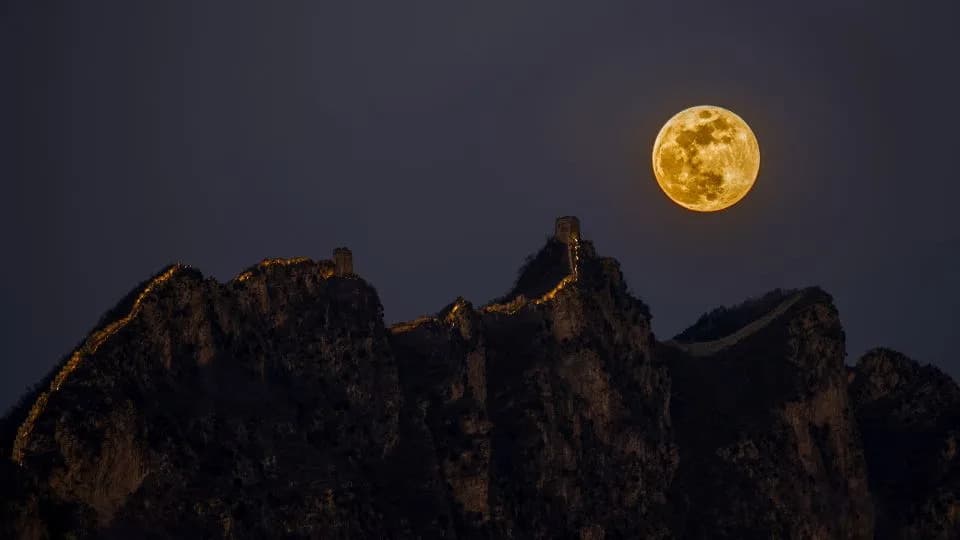
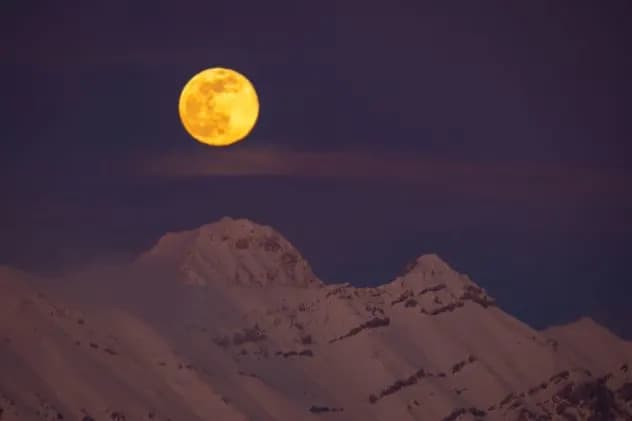
A full moon rises over the Simatai section of the Great Wall in February 2025 in Beijing. - VCG/Getty Images
Look up this weekend: February’s full moon, commonly called the Snow Moon, reaches peak fullness at 5:09 p.m. ET on Sunday and will appear full to the casual observer across Saturday, Sunday and Monday, according to EarthSky. The event arrives as NASA prepares for crewed Artemis missions that will return humans to lunar space.
When And How To See It
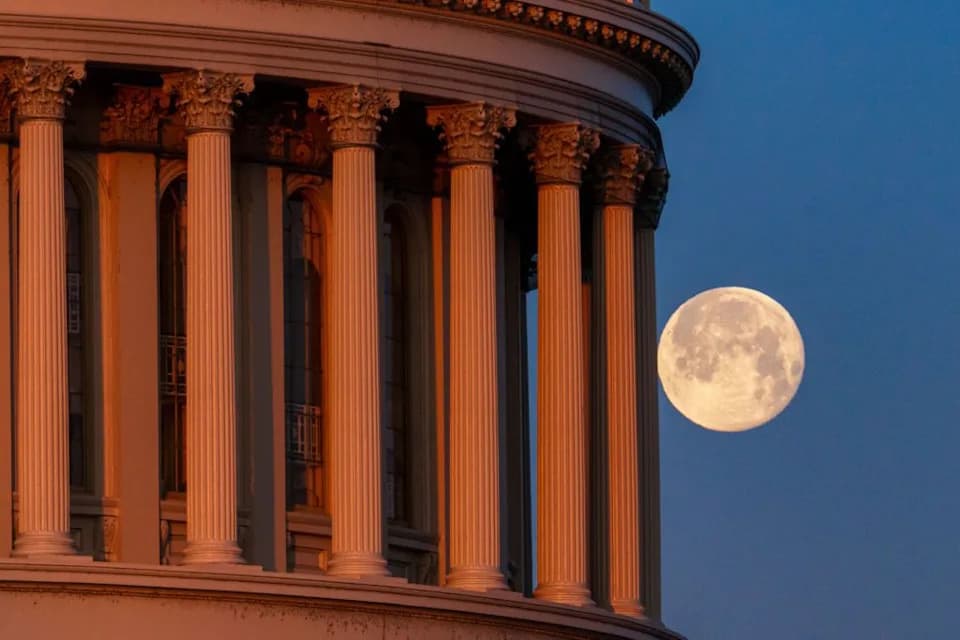
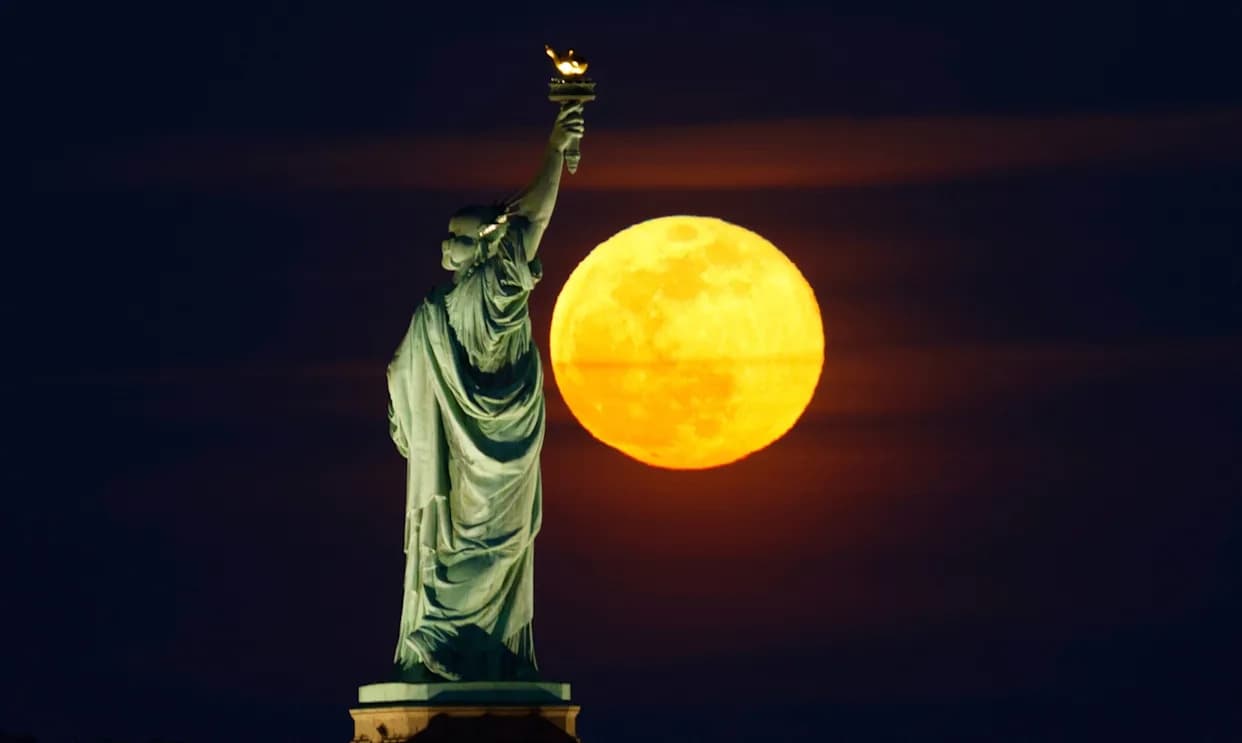
The moon will look largest and most dramatic low on the eastern horizon near sunset when it peaks. Noah Petro, chief of NASA’s Planetary, Geology, Geophysics and Geochemistry Laboratory at Goddard Space Flight Center in Greenbelt, Maryland, says this is a great time to study lunar geography ahead of the Artemis II launch window.
Go out and look at it when it is full, when it is partially full, and learn its geography, Petro said. Start learning what features are where and what the moon looks like as it goes through its phases to celebrate the Artemis era.
Many light and dark regions on the lunar surface are visible to the naked eye, but a small telescope or binoculars will reveal craters, maria and finer features. A scope helps observers appreciate more of what the moon offers, even to a casual viewer.
Names And Cultural Notes
February’s full moon is traditionally called the Snow Moon because of heavy winter snowfall across parts of North America. Indigenous names for this month’s moon include the Comanche Sleet Moon, the Creek Wind Moon, and the Shawnee Crow Moon, as recorded by the Farmers’ Almanac.
What’s Coming Later This Year
Sky-watchers can also look forward to two supermoons later in 2026, expected in November and December. A supermoon occurs when the moon is near perigee — its closest point to Earth — making it appear larger and brighter than a typical full moon. On average, the moon is about 238,900 miles (384,472 kilometers) from Earth; December’s supermoon will be the closest of 2026 at roughly 221,667 miles (356,740 kilometers), according to EarthSky.
Full Moon Calendar For 2026
According to the Farmers’ Almanac, the remaining full moons for 2026 are:
- March 3: Worm Moon
- April 1: Pink Moon
- May 1: Flower Moon
- May 31: Blue Moon
- June 29: Strawberry Moon
- July 29: Buck Moon
- August 28: Sturgeon Moon
- September 26: Harvest Moon
- October 26: Hunter’s Moon
- November 24: Beaver Moon
- December 23: Cold Moon
Eclipses To Watch In 2026
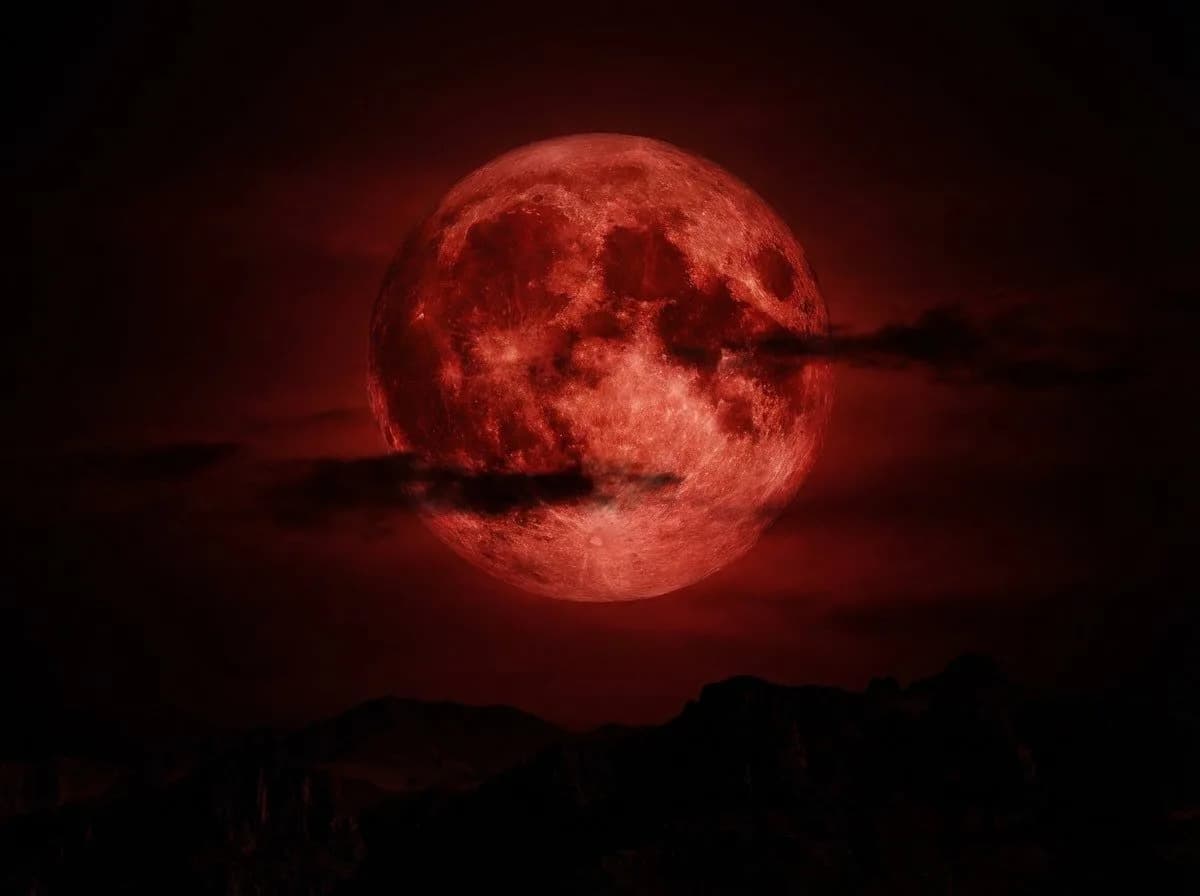
A total lunar eclipse will darken the moon on March 3, visible across Asia, Australia, the Pacific Islands and the Americas. Lunar eclipses occur only at full moon when the sun, Earth and moon align and the moon passes into Earth’s shadow. Earth casts two shadows: the faint penumbra and the darker umbra.
When the moon moves into the umbra it does not vanish. Sunlight filtered through Earth’s atmosphere illuminates the lunar surface with a reddish hue, often called a blood moon. Blue wavelengths scatter more strongly in the atmosphere, leaving red as the dominant color that reaches the moon, so it can look rusty, coppery or brick-red depending on local conditions.
Later in the year, a partial lunar eclipse will be visible from the Americas, Europe, Africa and Western Asia on August 27–28. Partial eclipses occur when the three bodies do not align perfectly and only part of the moon enters Earth’s shadow.
For precise local timings and visibility, consult Time and Date or other reputable eclipse-timing resources.
Why It Matters
These lunar events come at a moment of renewed human activity in lunar space. NASA’s Artemis program is preparing to send astronauts beyond low Earth orbit for the first time in decades. Observing the moon now — its phases, geography and the way it changes during eclipses — is a simple and rewarding way to connect with upcoming crewed missions.
Help us improve.