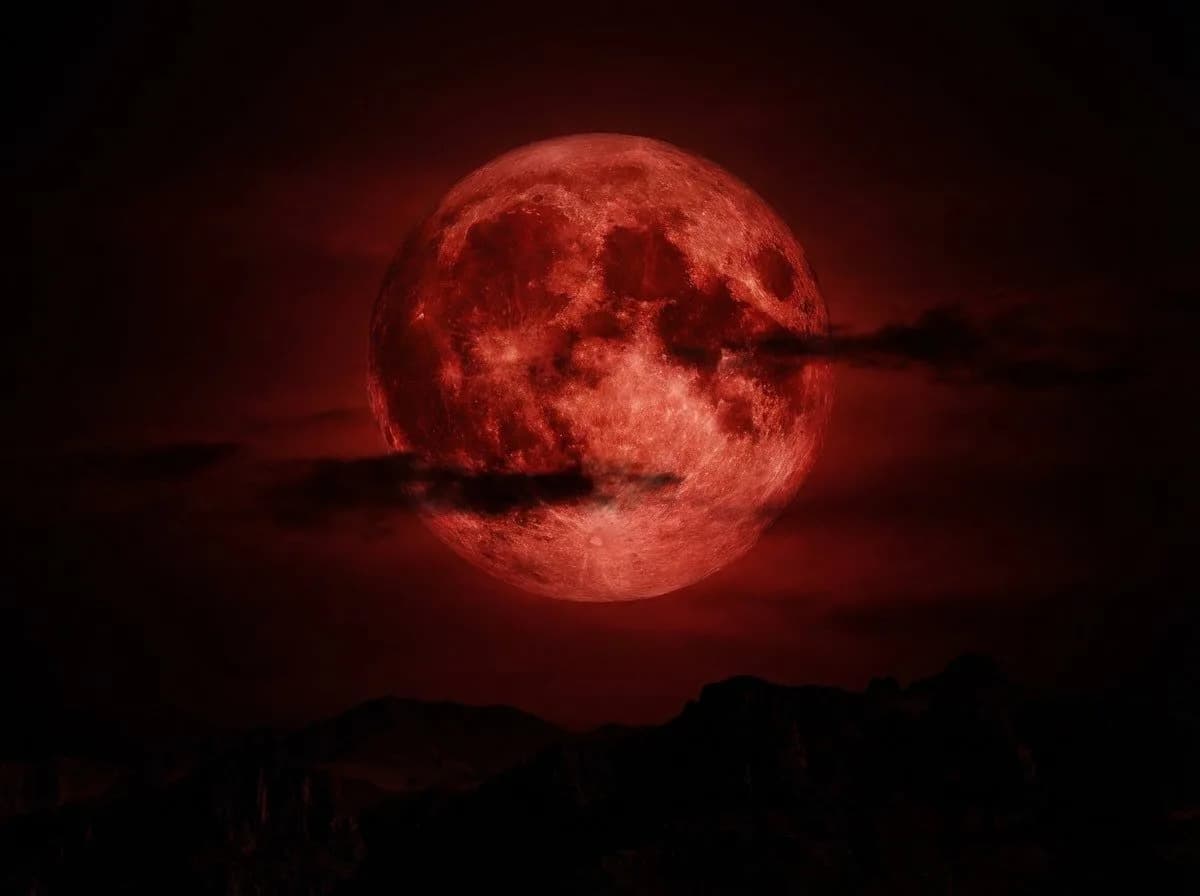
The first (and only) total lunar eclipse of 2026 will produce a vivid "blood moon" visible to roughly 31% of people worldwide — about 2.5 billion — across western North America, the Pacific and Australasia. The eclipse occurs on March 3, 2026, with an eclipse window of 3:44–9:22 a.m. EST (08:44–14:22 GMT) and totality from 6:04–7:02 a.m. EST (11:04–12:02 GMT), lasting 58 minutes. Best viewing is expected from western North America, Australia, New Zealand and East Asia, weather permitting; Space.com will livestream the event for those who cannot watch in person.
Blood Moon Alert: Total Lunar Eclipse to Light Up North America and the Pacific in One Month
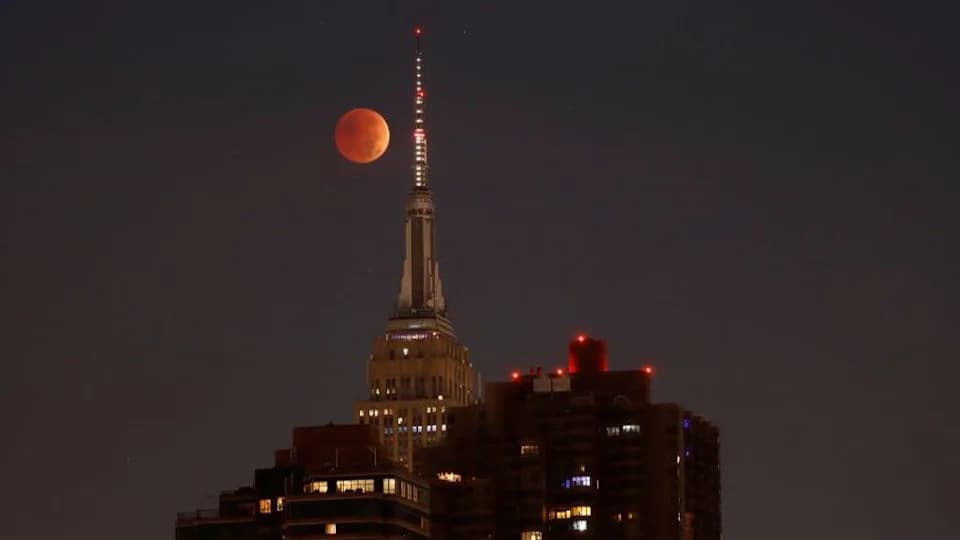
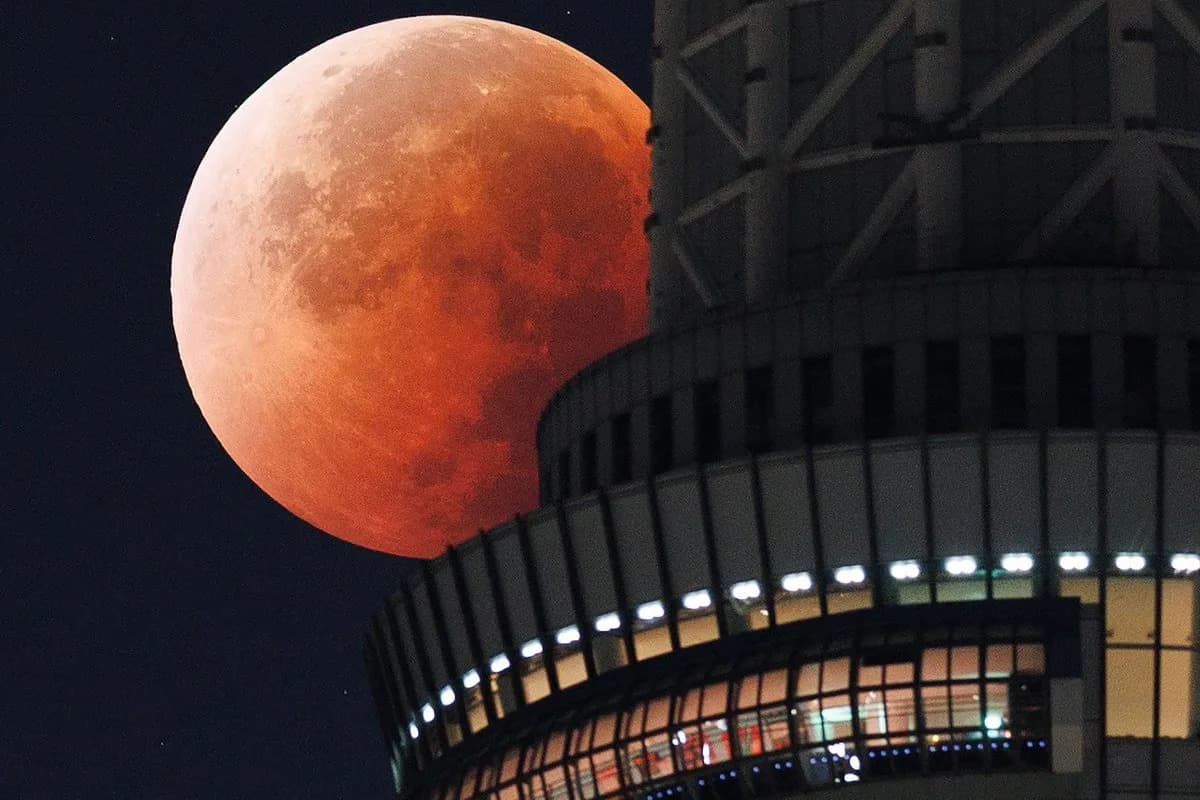
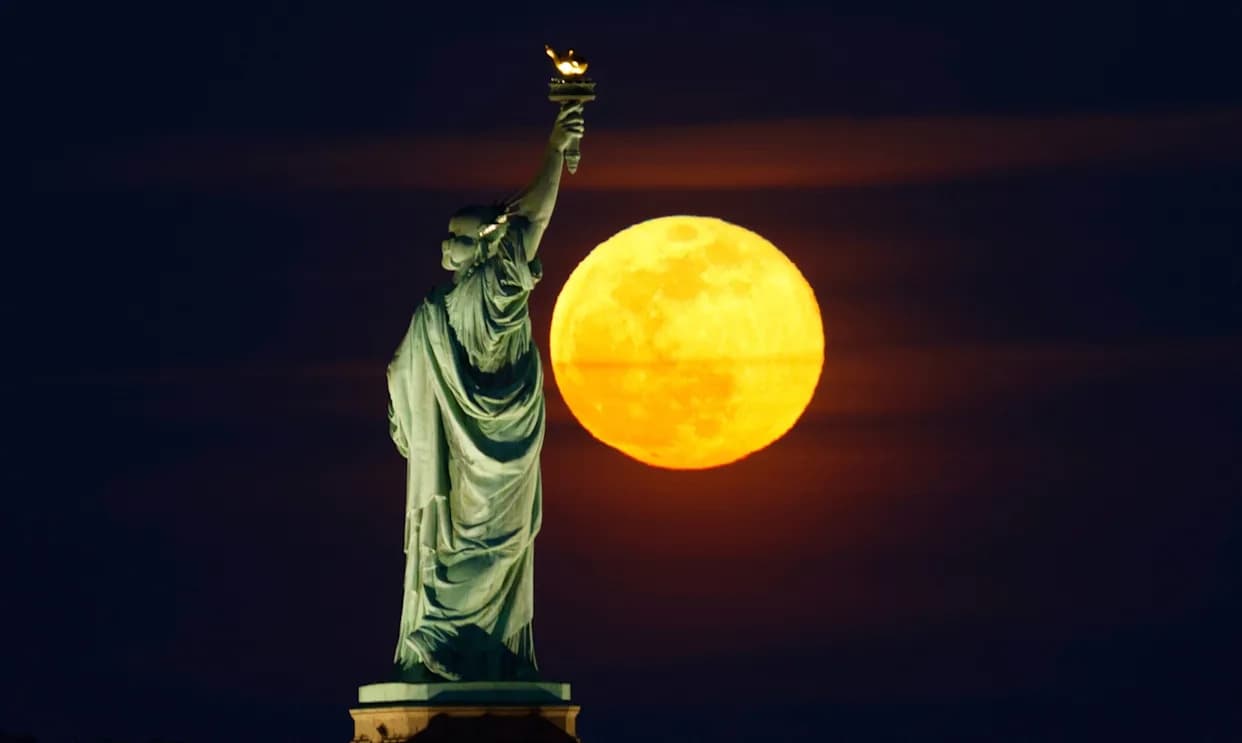
Total lunar eclipse above New York City on Nov. 8, 2022. . | Credit: Gary Hershorn/Getty Images
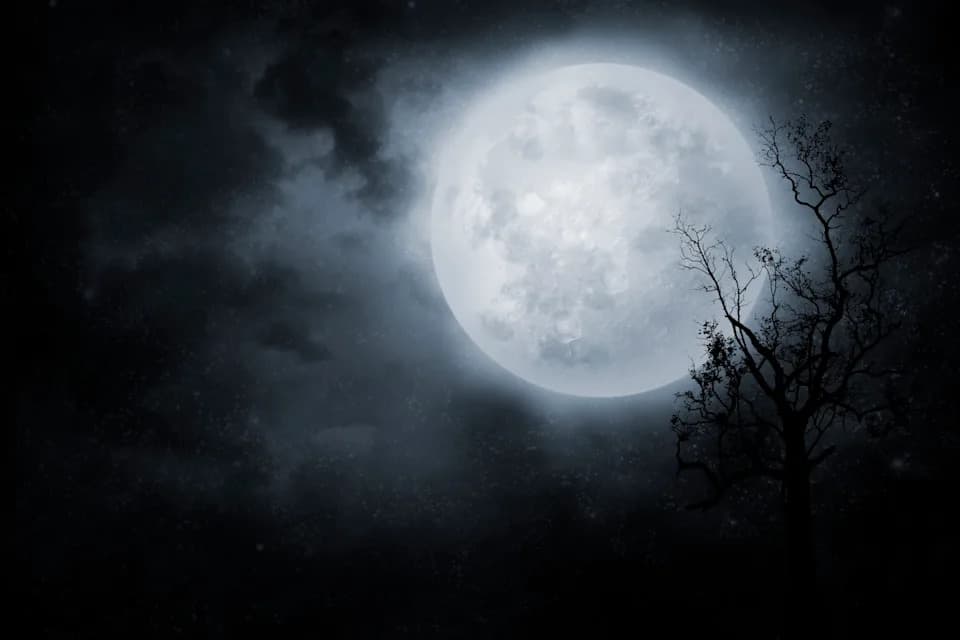
On Tuesday, March 3, 2026, Earth's natural satellite will stage a dramatic “blood moon” during the first and only total lunar eclipse of 2026 — an event skywatchers won't want to miss. The next total lunar eclipse after this one doesn't occur until New Year's Eve 2028.
Who Can See It? The blood‑moon phase will be visible to roughly 31% of the world's population — about 2.5 billion people — across western North America, Australia, New Zealand, East Asia and much of the Pacific.
Timing (Local Times Shown For U.S. Eastern Time): The eclipse window runs from 3:44–9:22 a.m. EST (08:44–14:22 GMT) on March 3, 2026. The period of totality — when the Moon sits in the deepest part of Earth's shadow and takes on a reddish hue — lasts from 6:04–7:02 a.m. EST (11:04–12:02 GMT), a spectacular 58 minutes.
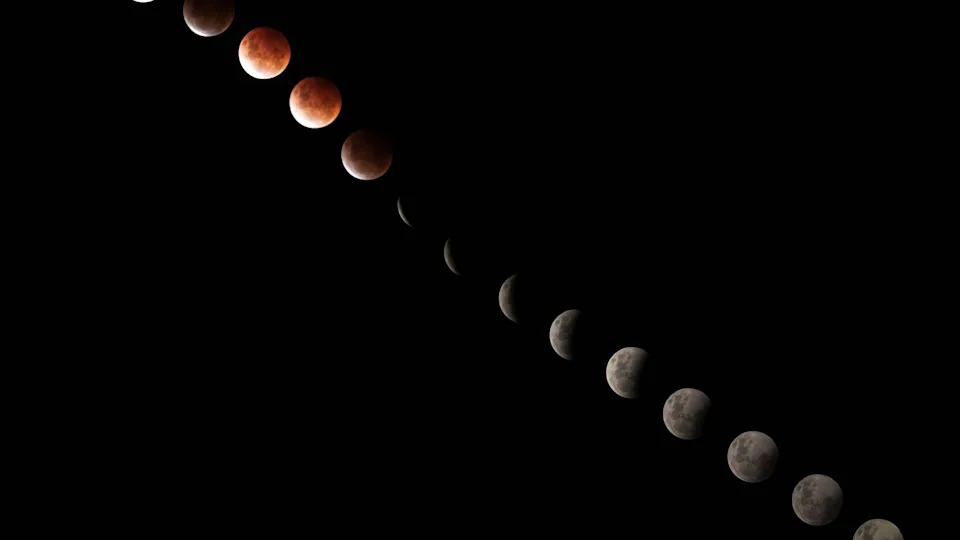
Stages of a total lunar eclipse captured in a composite image. | Credit: ANITA BLAKER via Getty Images
Observers are encouraged to begin watching about 75 minutes before totality to see the edge of Earth's shadow creep across the lunar surface during the partial phases. After totality, watch again as the Moon emerges from shadow — note that in many parts of North America the Moon may be setting by then.
Where To Watch
The eclipse will be best seen from western North America, Australia, New Zealand, East Asia and across the Pacific. Local weather ultimately determines visibility, but historical averages show the clearest skies most likely in northwest Mexico, the U.S. Southwest and inland regions of Australia.
Can't Watch In Person?
For viewers outside the path of totality or anyone hindered by clouds, Space.com will livestream the total lunar eclipse. Streaming details and the live link will be published closer to the event date.
Viewing Tips
- Find a dark, open location with an unobstructed view of the horizon if you live on the western edge of the visibility zone (the Moon may be low or setting).
- No special equipment is required to enjoy the blood moon, but binoculars or a small telescope will reveal more surface detail and color.
- Check local moonrise/moonset times and the weather forecast on the night before the eclipse.
Note: Times are given in Eastern Standard Time (EST) and corresponding Coordinated Universal Time (GMT). Convert to your local time zone to plan your viewing.
Help us improve.